

 Ver en contexto
 Enviar
 Compartir
 Detalles
 Guía
Guía

 Descargar
 Similares
 Radiografía
 Presentación de diapositivas
 Estadísticas
Writing Table
 Baroque
 1710
1710- Early Modern
 80.0 x 188.0 cm
 The Frick Collection
 Ver más
Giclée / Impresión de arte
Impresiones giclée o en lienzo de calidad de museo con producción rápida y opciones de acabado flexibles. ( Comprar pintura hecha a mano Cambiar a imagen digital)




P118B €10

P118H €10

P118W €10

P438Z €10

P508JH €12

P508YH €12

P805H €10

P805Z €10

P919BZ €10

P919G €10

P919XJ €10

P959ZH €10

P968JZ €12

W106C €8

W218G €10

W218JH €8

W218Y €10

W307PJ €10

W316G €10

W316PJ €8

W316Y €10

W398PJ €8

W4111J €10

W500HY €15

W500JH €15

W692G €12

W849H €8

W940BG €15

W953PJ €8




Elija entre nuestros tamaños predefinidos que respetan las proporciones originales de la obra.

Introduzca el ancho y el alto que necesite para adaptarse a su marco o pared. Una impresión solo puede recortarse, nunca hacerse más grande que la imagen original, por lo que un tamaño con una forma distinta perderá parte de la obra. Le enviaremos una maqueta digital para su aprobación antes de realizar cualquier impresión. La imagen que se muestra en esta página no refleja el recorte real; solo la maqueta lo hace.
Envío a todo el mundo () en 2 semanas en lugar de las 4/5 semanas estándar. (25 octubre)

Envío exprés gratuito a todo el mundo

Lienzo de lino de alta calidad

Seguro de envío total

Garantía de reembolso de aranceles aduaneros

Garantía de fidelidad cromática exacta

Política de devolución de 100 días (solo por defectos)

Garantía de devolución del 100% del dinero

Descuento por cantidad
 La opción de vidrio solo está disponible en tamaños inferiores a 110 cm.

Writing Table
Giclée / Impresión de arte
Dimensiones de la reproducción
-


Precio total final
€ 70
The Elegance of Innovation: A Masterpiece of the Louis XIV Era
In the grand tapestry of seventeenth-century decorative arts, few names resonate with as much prestige and opulence as André-Charles Boulle. His Writing Table, dating to approximately 1710, serves as a profound testament to a transformative era in furniture design. This piece is not merely a functional object but a sculptural triumph that captures the transition from the heavy, structured grandeur of Louis XIV’s early reign to a more fluid, graceful aesthetic. As one gazes upon its silhouette, one witnesses the birth of the bureau plat—the flat writing table—a design revolution that stripped away the cumbersome drawers and numerous legs of previous generations in favor of a streamlined, sophisticated elegance.
The artistry of this table lies in its masterful balance of strength and delicacy. The piece features an exquisite marble top, providing a cool, stately surface that contrasts beautifully with the warmth of the intricate carvings below. The legs, once straight and rigid in earlier centuries, were reimagined by Boulle with an elegant curve, lending the furniture a sense of rhythmic movement. This structural evolution reflects a broader cultural shift toward the Regence style, where the rigidity of absolute monarchy began to soften into a more refined, ornamental grace. For the discerning collector or interior designer, this table represents the pinnacle of French craftsmanship, offering a focal point that commands attention through its historical weight and aesthetic poise.
A Legacy of Marquetry and Material Mastery
To understand the soul of this writing table, one must delve into the technical brilliance of Boulle himself. Renowned for his revolutionary Boulle marquetry—a painstaking process involving the inlay of tortoiseshell, brass, and pewter—the master cabinetmaker treated wood as a canvas for complex, swirling patterns. While this specific piece highlights the structural innovation of the bureau plat, it carries the unmistakable DNA of Boulle’s decorative genius. The interplay of light upon the polished surfaces and the meticulous attention to every carved detail evoke an era of unparalleled luxury, where every object in a room was intended to reflect the status and sophisticated taste of its owner.
For those seeking to integrate such timeless beauty into a contemporary space, a high-quality reproduction of this Writing Table offers more than just decoration; it offers a connection to history. Whether placed in a sunlit library or as a statement piece in a modern study, the table brings an air of old-world nobility and intellectual depth. It serves as an emotional anchor, inviting moments of quiet reflection and scholarly pursuit. Owning a tribute to Boulle’s work is an invitation to surround oneself with the enduring spirit of French excellence, ensuring that the grandeur of the seventeenth century continues to breathe life into the homes of the twenty-first.
Preguntas y respuestas
¿Es "Writing Table" de André-Charles Boulle una obra de tonos claros u oscuros?
La luminosidad percibida de "Writing Table" de André-Charles Boulle es balanced. Puede armonizarse con la luz del espacio destinado.
¿Qué artista y qué estilo definen a "Writing Table"?
André-Charles Boulle creó "Writing Table" dentro del movimiento Baroque.
¿Qué intensidad de color tiene "Writing Table" de André-Charles Boulle?
La intensidad cromática de "Writing Table" es Monochromatic. La intensidad describe la fuerza con la que se perciben los colores.
Biografía del artista
El Arquitecto del Estilo Luis XIV
André-Charles Boulle (1642 – 1732) se erige como un titán entre los ebanistas franceses, siendo su nombre sinónimo de una artesanía opulenta y la encarnación misma de la grandeza de Luis XIV. Más que un simple fabricante de muebles, Boulle fue un innovador que transformó fundamentalmente el gusto europeo, estableciendo un estilo distintivo —la marquetería «Boulle»— que cautivó tanto a la realeza como a la aristocracia durante las décadas venideras. Su legado continúa inspirando a los artesanos de hoy, consolidando su lugar como una de las figuras más influyentes en las artes decorativas del siglo XVII.
Nacido en París alrededor de 1642, descendía de una familia profundamente arraigada en la tradición artesanal; su padre, Jean Boulle, era él mismo un respetado ebanista. Este vínculo familiar le proporcionó una base invaluable en el oficio, inculcándole no solo la destreza técnica, sino también un profundo aprecio por el detalle meticuloso y la visión artística. Si bien los detalles biográficos de sus primeros años permanecen envueltos en las brumas del tiempo, su formación sin duda lo preparó para los extraordinarios logros que le seguirían, permitiéndole alcanzar la prestigiosa posición de ébéniste du roi.
La Revolución de la Marquetería
El genio de Boulle residía principalmente en su maestría de la marquetería, una técnica que consistía en incrustar materiales decorativos como carey, latón, peltre y marfil en chapas de ébano o nogal. A diferencia de los métodos anteriores, que dependían de técnicas de tallado más simples, Boulle perfeccionación un proceso revolucionario que alcanzó niveles de intrincación y realismo sin precedentes. Martilleaba meticulosamente finas láminas de metal —principalmente latón— sobre la superficie de la chapa de madera, creando un efecto de relieve que imitaba texturas naturales como el follaje y la piedra.
Esta labor minuciosa exigía una precisión y una paciencia excepcionales, dando como resultado piezas de mobiliario que poseían una belleza asombrosa y una complejidad técnica sublime. Su obra se caracterizaba a menudo por:
- Intrincadas incrustaciones de latón: El uso de fina orfebrería para crear patrones brillantes que capturaban la luz.
- Elegancia del carey: La incorporación de materiales orgánicos y translúcidos para añadir profundidad y calidez.
- Simbolismo real: Diseños que reflejaban el poder, el prestigio y la autoridad absoluta de la monarquía francesa.
Un Legado de Opulencia e Innovación
El impacto de la obra de Boulle se extendió mucho más allá de las fronteras de Francia, influyendo en las artes decorativas de continentes enteros. Su capacidad para combinar el diseño neoclásico con los florecimientos emergentes del periodo Rococó permitió que sus piezas mantuvieran su relevancia a través de los cambios en las mareas estéticas. Ya se tratara de un Barômetre en ébène et bronze doré que reflejaba la curiosidad científica de la época, o de un opulento Cabinet de 1675 que exhibía la grandeza real, cada pieza servía como testimonio de su habilidad inigualable.
Incluso en las obras más pequeñas y delicadas, como las esferas de sus relojes de 1715, se puede observar el detalle impresionante del oro dorado y los querubines que definieron su era. Su dominio del bronce dorado y de los patrones complejos creó un lenguaje visual de lujo que sigue siendo el referente de la alta ebanistería. Hoy, cuando contemplamos las intrincadas capas de latón y ébano, no estamos simplemente mirando muebles, sino presenciando el espíritu perdurable de un artista que transformó la madera y el metal en poesía eterna.

André-Charles Boulle
1642 - 1732 , Francia
Datos clave
- Artistic Movement Or Style: Estilo Luis XIV / Marquetería Boulle
- Artists Or Movements Influenced By This Artist: ['Rococó']
- Artists Who Influenced This Artist: ['Jean Boulle']
- Date Of Birth: November 11, 1642
- Date Of Death: 1732
- Full Name: André-Charles Boulle
- Nationality: Francés
- Notable Artworks:
- Reloj Barómetro
- Escritorio
- Vestidor y Reloj
- Place Of Birth: Paris, France
Artículos relacionados
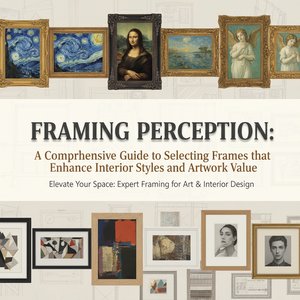
Marcos de Elegancia: Una Guía Integral para Seleccionar Marcos que Realcen Estilos Interiores y el Valor Artístico
Guía completa para elegir el marco perfecto y realzar tus obras de arte. Expertos en restauración, materiales premium y asesoramiento personalizado. ¡Descubre cómo proteger y valorar tu colección!

Enmarcado Profesional: Guía Experta para Realzar y Proteger tus Obras de Arte
Guía experta para elegir el enmarcado perfecto y proteger tus obras de arte. Descubre materiales, estilos y servicios profesionales con .

El Marco como Argumento: Guía Experta para Elegir el Enmarcado Perfecto para tu Obra de Arte
Aprende a elegir el enmarcado perfecto para realzar tu colección con criterios expertos. ¡Descubre cómo transformar tus obras hoy mismo!

Más Allá del Ornamento: El Impacto Psicológico del Enmarcado en la Percepción Estética y el Valor Artístico
Descubra cómo el enmarcado influye en la percepción y valor de su arte. Expertos en conservación, historia del arte y personalización. ¡Encuentre el marco perfecto!

Más Allá del Lienzo: El Marco como Catalizador de Valor e Impacto Estético en la Reproducción Artística de Lujo
Descubra cómo el marco adecuado eleva su reproducción artística de lujo. Expertos en conservación, restauración y framing personalizado. Invierta en valor estético y proteja su colección con OriginalUniqueArt.


