 Vista previa
 Compartir
 Compartir
 Ver detalles

 Descargar
 Ver similares
 Radiografía
 Presentación de diapositivas
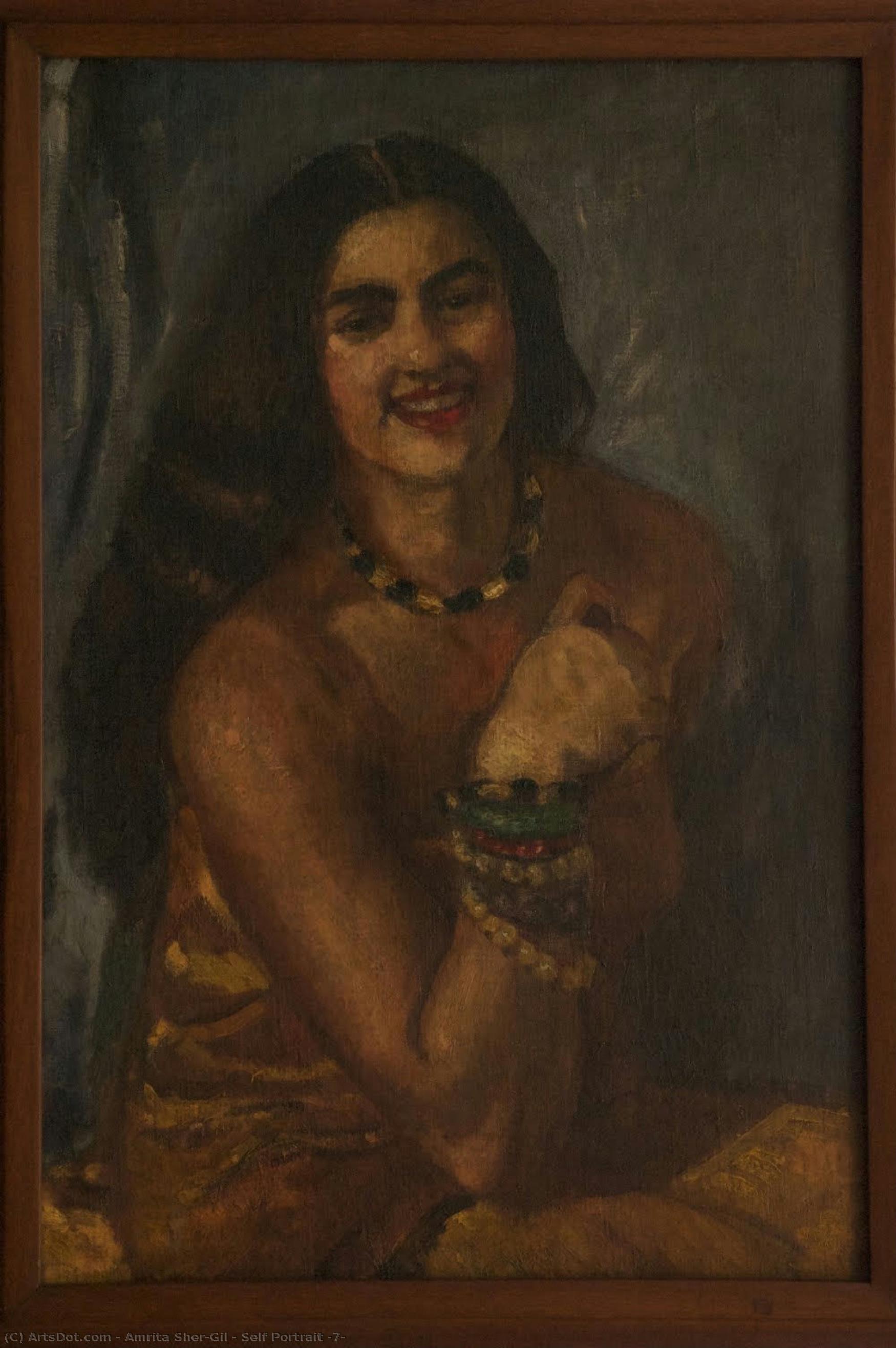
Self Portrait (7)
 Oil On Canvas
- WallArt
- Post Impressionism
 1932
1932 474.0 x 702.0 cm
 Galería Nacional de Arte Moderno
 Leer más
Giclée / Impresión de arte
Impresiones giclée o en lienzo de calidad de museo con producción rápida y opciones de acabado flexibles. ( Encargar reproducción pintada a mano Comprar descarga)




P118B $10

P118H $10

P118W $10

P438Z $10

P508JH $12

P508YH $12

P805H $10

P805Z $10

P919BZ $10

P919G $10

P919XJ $10

P959ZH $10

P968JZ $12

W106C $8

W218G $10

W218JH $8

W218Y $10

W307PJ $10

W316G $10

W316PJ $8

W316Y $10

W398PJ $8

W4111J $10

W500HY $15

W500JH $15

W692G $12

W849H $8

W940BG $15

W953PJ $8




Elija entre nuestros tamaños predefinidos que respetan las proporciones originales de la obra.

Puede introducir sus propias dimensiones para adaptarse a un marco o espacio específico. Si el tamaño seleccionado no coincide con las proporciones de la imagen original, recortaremos la obra de arte o extenderemos la imagen con un borde con efecto espejo o de color sólido. Se enviará una maqueta digital para su aprobación antes de que comience la producción.
Tenga en cuenta que la vista previa en pantalla no refleja el recorte o la extensión real. Solo la maqueta mostrará con precisión la composición final.
Aunque existen tamaños personalizados, recomendamos seleccionar una dimensión de la lista predefinida para preservar las proporciones originales.
Envío a todo el mundo () en 2 semanas en lugar de las 4/5 semanas estándar. (17 agosto)

Envío exprés gratuito a todo el mundo

Lienzo de lino de alta calidad

Seguro de envío completo

Garantía de reembolso de aranceles aduaneros

Garantía de fidelidad cromática exacta

Política de devolución de 60 días (solo por defectos)

Garantía de devolución del 100% del dinero

Oferta por volumen
 La opción de vidrio solo está disponible en tamaños inferiores a 110 cm.

Self Portrait (7)
Giclée / Impresión de arte
Tamaño de la reproducción
-


Precio total
$ 80
Descripción de la pieza
The Luminous Gaze of Amrita Sher-Gil
To stand before a self-portrait by Amrita Sher-Gil is to encounter not merely an image on canvas, but a confluence of worlds—a vibrant dialogue between the structured elegance of European modernism and the deep, soulful resonance of Indian tradition. This piece, dating from 1932, captures the artist at a pivotal moment in her life, when her itinerant spirit was beginning to settle, drawing her back toward the rich soil of India after formative years spent absorbing the artistic currents of Paris. The subject gazes out with an arresting intensity; it is a portrait that feels both intimately personal and universally resonant.
Technique and Expressive Brushwork
Sher-Gil’s mastery in this work is evident in her handling of paint. The technique employed suggests the rich materiality of oil paints on canvas, characterized by visible, confident brushstrokes. These strokes do not merely describe form; they imbue it with life and palpable energy. Observe how the artist has layered color to build up the luminosity of the skin tones—warm, glowing hues that seem to capture the soft diffusion of light itself. In contrast, the background dissolves into indistinct washes of cooler blues, a deliberate choice that pushes all focus onto the figure. This masterful use of shallow depth of field ensures that every curve of her dark, cascading hair and the subtle play of shadow across her neck demands the viewer's undivided attention.
Symbolism of Self-Possession
The subject matter itself—a self-portrait—is inherently complex. It is a study in self-possession, yet it hints at the vibrant emotional spectrum that defined Sher-Gil’s artistic journey. The gentle tilt of her head and the teasing quality of her smile suggest a playful confidence, while the overall composure speaks to deep contemplation. Symbolically, the gesture of her hands, held delicately near her lap, introduces an element of quiet modesty or perhaps an offering—a presentation of self that is both vulnerable and utterly assured. She embodies the tension between the outward allure and the inner depth.
Historical Echoes and Emotional Impact
Amrita Sher-Gil’s life was a bridge; she carried the influences of Gauguin's post-impressionism from Paris while nurturing an aesthetic rooted in her Indian heritage. This painting is a beautiful artifact of that bridging process. For the collector or admirer, owning a reproduction allows one to connect with this moment where two worlds met within one singular artistic vision. The emotional impact is immediate: it draws you into a private conversation with a brilliant mind navigating identity. It speaks to the enduring power of art to capture not just what we look like, but who we feel ourselves to be.
A Statement for Any Space
Whether adorning a gallery wall or lending an air of sophisticated cultural depth to a grand drawing-room, this piece offers unparalleled visual richness. Its blend of expressive technique and classical portraiture ensures it functions as both a historical document and a vibrant focal point. It is art that whispers stories of migration, genius, and the enduring spirit of artistic reinvention.
Biografía del artista
Amrita Sher-Gil: Pionera del Arte Moderno Indio
- Nacimiento: 30 de enero de 1913, Budapest, Slovakia
- Fallecimiento: 5 de diciembre de 1941, Lahore, India Británica
Amrita Sher-Gil fue una pintora húngaro-india ampliamente reconocida como una de las artistas vanguardistas femeninas más significativas del siglo XX y una figura clave en el arte moderno indio. Su obra se celebra por su singular mezcla de técnicas occidentales con temas indios, representando la vida cotidiana y las realidades sociales con una sensibilidad notable.
Vida Temprana e Influencias
- Heredad Multicultural: Nació del matrimonio entre Umrao Singh Sher-Gil Majithia, un aristócrata y erudito Jat Sikh, y Marie Antoinette Gottesmann, una cantante de ópera judía húngara. Esta diversa procedencia moldeó profundamente su perspectiva artística.
- Inclinación Artística Temprana: Demostró un talento precoz para la pintura, recibiendo lecciones formales a los ocho años. Su infancia en Budapest la expuso al arte y la cultura europeos.
- Influencia de Ervin Baktay: Su tío, el indólogo Ervin Baktay, reconoció su potencial artístico y le brindó orientación, criticando su trabajo y fomentando una sólida base en dibujo.
- Formación Europea: Estudió en la Académie de la Grande Chaumière bajo Pierre Vaillent y Lucien Simon en París, asistiendo posteriormente a la École des Beaux-Arts (1930–34). Se vio influenciada por artistas como Paul Cézanne y Paul Gauguin.
Desarrollo Artístico y Estilo
- Influencia Occidental Temprana: Sus primeras pinturas reflejaban una fuerte influencia del modernismo europeo, particularmente los círculos bohemios de París en la década de 1930.
- Cambio a Temas Indios: Un momento crucial llegó con su regreso a India en 1934. Inspirada por las escuelas de pintura mogol y pahari, así como por las pinturas rupestres de Ajanta, comenzó a explorar temas y estéticas indias.
- Estilo Único: Sher-Gil desarrolló un estilo distintivo caracterizado por colores vibrantes, formas simplificadas y figuras expresivas. A menudo representaba escenas cotidianas de la vida rural, retratos de mujeres y autorretratos con una profundidad psicológica notable.
- Obras Destacadas: Pinturas clave incluyen "Young Girls" (1932), que obtuvo reconocimiento internacional, así como "Autorretrato (7)" y "Sueño", mostrando su visión artística en evolución.
Logros Mayores y Reconocimiento
- Acogida Internacional: Su pintura "Young Girls" ganó una medalla de oro y la elección como asociada del Grand Salon en París en 1933, convirtiéndola en la miembro más joven y la única asiática en recibir este reconocimiento.
- Pionera del Arte Moderno Indio: Sher-Gil es considerada una pionera del arte moderno indio, uniendo técnicas artísticas occidentales con tradiciones indígenas.
- Obra de Alto Valor: Sus pinturas se encuentran entre las más caras de las pintoras indias hoy en día, lo que refleja su importancia histórica y mérito artístico.
Significado Histórico y Legado
- Comentario Social: El arte de Sher-Gil a menudo criticaba sutilmente las desigualdades sociales y exploraba temas de identidad, género y clase en la India colonial.
- Influencia en Artistas Posteriores: Su estilo innovador y su exploración de temas indios allanaron el camino para futuras generaciones de artistas indios.
- Redescubrimiento y Reconocimiento: A pesar del reconocimiento limitado durante su vida, la obra de Sher-Gil ha sido cada vez más celebrada desde su muerte, consolidando su lugar como una figura importante en la historia del arte del siglo XX.
- Vida Personal & Cartas: Sus cartas personales revelan relaciones complejas, incluyendo asuntos amorosos del mismo sexo, ofreciendo mayor información sobre la vida y la perspectiva de la artista.

Amrita Sher-Gil
1913 - 1941 , Eslovaquia
Datos clave
- Artistas Que Influyeron:
- Paul Cézanne
- Paul Gauguin
- Lucien Simon
- Fecha De Fallecimiento: 5 de diciembre de 1941
- Fecha De Nacimiento: 30 de enero de 1913
- Influencia En Artistas: Generaciones de artistas indios
- Lugar De Nacimiento: Budapest, Eslovaquia
- Movimiento Artístico: Arte moderno indio, Vanguardia
- Nacionalidad: Húngaro-India
- Nombre Completo: Amrita Sher-Gil
- Obras Notables:
- Jóvenes chicas (1932)
- Autorretrato (7)
- Sueño
Artículos relacionados

The Enduring Legacy of Oil on Canvas: Technique, History & Aesthetic Impact
Explore the rich history & techniques of oil painting – from Renaissance masters to Impressionism. Discover pigments, layering methods, and why this timeless medium endures. Expert insights for artists & art enthusiasts.

El Óleo sobre Lienzo: Historia, Técnica y la Persistencia de un Medio Artístico Atemporal
Descubre la historia y técnica del óleo sobre lienzo. Explora reproducciones fieles hechas a mano, personalización artística y consejos de expertos con OriginalUniqueArt. ¡Colecciona arte con confianza!
Reflecting the Self: A History of Portraiture & Psychological Insight
Explore the fascinating history of self-portraiture from Renaissance masters like Dürer & Rembrandt to modern interpretations. Discover the psychological insights and artistic techniques behind these iconic works. Expert analysis for art enthusiasts.

The Enduring Power of Painting: A Historical & Contemporary Exploration of Form and Emotion
Explore the rich history & enduring techniques of oil painting with OriginalUniqueArt. Discover masterpieces, learn about art collecting, and find authentic handmade reproductions crafted by skilled artists.

Raja Ravi Varma: Bridging Tradition & Modernity in 19th-Century Indian Art
Explore the life & art of Raja Ravi Varma, a pioneer who fused European techniques with Indian iconography. Discover his iconic paintings, lasting legacy, and influence on modern Indian art at OriginalUniqueArt.