Academicism · 1890
Amazon (Pallas) (Albert Lang, 1890)
Albert Lang (1847–1933) creó Amazon (Pallas). Data de 1890. Pertenece al movimiento Academicism. Está realizado en Oil. Se conserva en Colecciones de Pintura del Estado Bávaro, en Múnich, Alemania. Sus dimensiones son 63.5 × 44 cm.
- 1890
- Oil
- 63.5 × 44 cm
- Colecciones de Pintura del Estado Bávaro, Múnich

 Ver en contexto

 Óleo pintado a mano
 Enviar
 Compartir
 Ficha técnica


 Descargar
 Similares
 Radiografía
 Presentación de diapositivas
 Preguntas y respuestas

 Estadísticas
Amazon (Pallas), en breve
- Título
- Amazon (Pallas)
- Artista
- Albert Lang (1847–1933)
- Lugar de nacimiento del artista
- Karlsruhe, Alemania
- Fecha
- 1890
- Técnica
- Oil
- Dimensiones
- 63.5 × 44 cm
- Dónde verlo
- Colecciones de Pintura del Estado Bávaro, Múnich, Alemania
- Movimiento
- Academicism
- Época
- 19th Century
- Tema
- woman, nude, shield, drapery, human figure
¿Qué representa Amazon (Pallas)?
Identification of the Artwork and Artist
The painting Amazon (Pallas) emerges from the shadows of history, a work that captures a singular, quiet moment of mythological presence. Created about 1890, this oil painting carries the unmistakable hand of the German artist Albert Lang. It exists as a window into a world where the boundaries between the human form and the divine begin to blur, held within the stillness of the canvas.
Albert Lang brings a unique perspective to this piece, shaped by a life that moved between the structured geometry of architecture and the fluid, light-filled landscapes of Italy. Having studied in Karlsruhe and Berlin before finding his true calling amidst the warmth of Florence, Lang approaches the figure in Amazon (Pallas) with a sensitivity born of both precision and passion. His transition from the rigid lines of design to the soft, organic rhythms of painting is felt in every stroke of this work.
This specific creation belongs to the Bavarian State Painting Collections. It remains a significant part of the artist's legacy, reflecting a period when his style moved toward the luminous and the atmospheric. Through this work, the viewer encounters the essence of Lang's vision, a vision that sought to find truth in the immediate and the real, even when depicting the subjects of myth and allegory.
Visual Composition and Subject Matter
A full-length nude female figure commands the vertical space, positioned centrally within the frame. She stands in a graceful contrapposto pose, her weight shifted to create a natural, flowing rhythm through her body. Her torso turns slightly toward her right, yet her gaze drifts back over her left shoulder, meeting the viewer with a serene and steady presence. This subtle twist of the neck and hips creates a sense of quiet movement, as if she has just paused in a moment of contemplation.
The woman’s right hand rests firmly upon her hip, emphasizing the curve of her waist and the strength of her stance. Her left hand reaches down to hold a large, oval-shaped shield, an object that rests heavily upon the ground at her side. The weight of the shield and the stillness of her posture suggest a mythological or allegorical presence, a figure caught between action and repose. The dark, indistinct background, marked by heavy vertical brushstrokes, pushes her form forward, making her organic curves the undeniable focus of the scene.
Technical Details and Artistic Style
The lighting performs a dramatic dance across the figure, employing chiaroscuro to pull the contours of the torso, breasts, abdomen, and thighs out from the shadows. This interplay of light and dark defines the organic curves of the body, creating a sense of weight and presence. The perspective remains at eye-level, inviting an intimate encounter that feels immediate and direct. Every line feels soft and painterly, eschewing sharp edges in favor of a fluid, rhythmic grace that emphasizes the human form.
Texture remains a vital presence throughout the composition. In the background and along the lower portion of the figure, the brushwork is clearly visible, lending a tactile quality to the surface. Heavy, vertical brushstrokes build the backdrop, suggesting the presence of a rocky alcove or perhaps heavy drapery that recedes into the darkness. This deliberate application of paint creates a sense of atmosphere, where the air itself seems to have a specific, palpable weight. The overall mood remains classical and serene, capturing a moment of quietude through a masterful command of light and shadow.
Physical Dimensions and Collection
The canvas reaches a height of 63.5 cm (25 in) and spans a width of 44 cm (17.3 in). These proportions frame the figure within a vertical space, focusing the eye on the central subject. The physical presence of the work remains contained within these specific measurements, offering an intimate scale to the viewer.
This painting resides within the Bavarian State Painting Collections. It finds its home in Munich, Germany, where it remains part of the institutional holdings. The work exists as a permanent piece of the collection housed in this German city.
¿En qué museo se encuentra Amazon (Pallas)?
Colecciones de Pintura del Estado Bávaro
Múnich, Alemania
Un Legado de las Colecciones de Pintura del Estado Bávaro Las Colecciones de Pintura del Estado Bávaro, situadas en Múnich, Alemania, iniciaron su historia institucional en 1799 bajo la denominación de Centralgemäldegaleriedirektion. Este cimiento estableció un marco para la preservación del arte europeo que continúa definiendo el paisaje cultural de la ciudad. Los orígenes de la colección se remontan al siglo XVI, con tesoros significativos que datan del periodo de Guillermo IV (1508-1550).
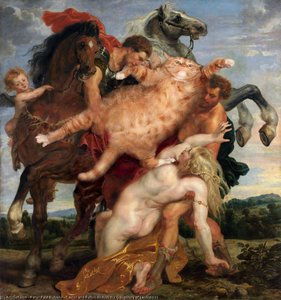


Imágenes en alta resolución de Amazon (Pallas)

Albert Lang, Amazon (Pallas) (1890), Colecciones de Pintura del Estado Bávaro. Dominio público
Colores ajustados al original por un experto digital, el archivo finamente retocado, fiel a la pincelada del artista.
Obtén el archivo en alta resoluciónPreguntas sobre Amazon (Pallas) respondidas
¿Dónde puedo ver la obra original "Amazon (Pallas)" de Albert Lang?
Puede ver la obra original "Amazon (Pallas)" en el Colecciones de Pintura del Estado Bávaro, Múnich, Alemania.
¿En qué año se creó "Amazon (Pallas)" de Albert Lang?
"Amazon (Pallas)" de Albert Lang fue creado en 1890.
¿En qué técnica está ejecutada "Amazon (Pallas)" de Albert Lang?
La técnica de "Amazon (Pallas)" de Albert Lang es Oil. Las reproducciones pretenden recrear la apariencia de esta técnica.
¿Cuáles son las dimensiones de la obra original "Amazon (Pallas)" de Albert Lang?
La obra original "Amazon (Pallas)" de Albert Lang mide 63.5 x 44.0cm.
¿Qué representa "Amazon (Pallas)"?
Los temas presentes en "Amazon (Pallas)" de Albert Lang incluyen woman, nude, shield, drapery, human figure, los cuales resumen la temática de la obra.
¿Es "Amazon (Pallas)" de Albert Lang de dominio público?
En cuanto a los derechos de autor, "Amazon (Pallas)" es en el dominio público: sus derechos de autor han expirado.
¿Quién es el artista detrás de "Amazon (Pallas)"?
El artista detrás de "Amazon (Pallas)" es Albert Lang. La obra está catalogada bajo el nombre de Albert Lang.
¿A qué estilo pertenece "Amazon (Pallas)"?
"Amazon (Pallas)" de Albert Lang pertenece al movimiento Academicism. Este movimiento aporta el contexto estilístico de la obra.
¿A qué etapa de la trayectoria de Albert Lang pertenece "Amazon (Pallas)"?
"Amazon (Pallas)" pertenece al Mature Period de la trayectoria de Albert Lang. Esta clasificación vincula la obra con el desarrollo del artista.
Sobre el artista, Albert Lang

1847–1933, Alemania
Albert Lang
El Arquitecto de la Luz y la Sombra El camino de Albert Lang no comenzó con el pincel, sino con las líneas precisas y estructuradas de la arquitectura. Nacido en 1847, buscó inicialmente comprender el mundo a través de la geometría rígida de los edificios, estudiando en su ciudad natal antes de trasladarse a la Bauakademie de Berlín. Fue allí, bajo la tutela de Heinrich Strack, donde se sentaron las bases de su visión futura. Sin embargo, un cambio en su salud lo condujo hacia la calidez de Italia en 1869, una transición que alteraría su destino para siempre.
Otras obras de Albert Lang
 Retrato de una niña1891
 Autorretrato1875
 Retrato de un niño1884
 Director de música Robert Pfitzner1894

Ensayos sobre Amazon (Pallas)
 Las 25 obras maestras de Amedeo Modigliani: Un viaje al alma del arteExplora las 25 obras maestras de Amedeo Modigliani. Descubre su estilo y elegancia en OriginalUniqueArt.com. ¡Explora la colección completa…
 25 Vibrant Masterpieces by Ágatha Ruiz de la Prada: A Kaleidoscope of JoyImmerse yourself in the vibrant world of Ágatha Ruiz de la Prada. Explore 25 iconic artworks defined by bold colors and joyful pop art ener…
 Luz y Sombra: Cómo la Iluminación Transforma el Relieve del Arte AbstractoDescubre cómo la luz y el impasto esculpen el relieve en el arte abstracto. Explora la maestría técnica de los grandes maestros aquí.