Vista previa
 Compartir
 Compartir
 Ver detalles
 Guía
Guía

 Descargar
 Ver artículos similares
 Radiografía
 Presentación de diapositivas
 Estadísticas
(82)


 Leer más
Reproducción al óleo hecha a mano
Óleo sobre lienzo pintado a mano en el tamaño y marco de su elección, realizado por encargo por nuestros artistas. ( Cambiar a formato impreso Ver versión en imagen digital)




P118B €10

P118H €10

P118W €10

P438Z €10

P508JH €12

P508YH €12

P805H €10

P805Z €10

P919BZ €10

P919G €10

P919XJ €10

P959ZH €10

P968JZ €12

W106C €8

W218G €10

W218JH €8

W218Y €10

W307PJ €10

W316G €10

W316PJ €8

W316Y €10

W398PJ €8

W4111J €10

W500HY €15

W500JH €15

W692G €12

W849H €8

W940BG €15

W953PJ €8




Elija entre nuestros tamaños predefinidos que respetan las proporciones originales de la obra.

Puede ingresar sus propias dimensiones para adaptarse a un marco o espacio específico. Si el tamaño seleccionado no coincide con las proporciones de la imagen original, recortaremos la obra o extenderemos la pintura con elementos adicionales pintados a mano. Se le enviará una maqueta digital para su aprobación antes de comenzar la producción.
Tenga en cuenta que la vista previa en pantalla no refleja el recorte o la extensión reales. Solo la maqueta mostrará con precisión la composición final.
Si bien existen tamaños personalizados, recomendamos seleccionar una dimensión de la lista predefinida para preservar las proporciones originales.
Tras realizar el pedido, el equipo de OriginalUniqueArt.com enviará un correo electrónico al cliente para solicitar instrucciones y proporcionarle una vista previa del boceto.
Envío a todo el mundo () en 3-4 semanas en lugar de las 5 semanas estándar. (13 octubre). Sin comprometer la calidad.

Envío exprés gratuito a todo el mundo

Lienzo de lino de alta calidad

Seguro de envío completo

Garantía de reembolso de impuestos aduaneros

Garantía de fidelidad cromática exacta

Política de devolución de 100 días (solo por defectos)

Garantía de devolución del 100% del dinero

Oferta por volumen
 La opción de vidrio solo está disponible en tamaños inferiores a 110 cm.

(82)
Técnica de reproducción
Tamaño de la reproducción
-


Precio total
€ 260
Alphonse Mucha’s *The Seasons*: A Symphony of Art Nouveau
Alphonse Mucha's *The Seasons*, created between 1896 and 1900, isn’t merely a decorative series of posters; it is a crystallized moment in the burgeoning aesthetic revolution known as Art Nouveau. Commissioned by the Parisian printer F. Champenois, these vibrant panels represent far more than just depictions of spring, summer, autumn, and winter. They embody Mucha's singular vision – a world infused with organic beauty, flowing lines, and an idealized femininity that would profoundly influence artistic trends across Europe and beyond. The sheer scale of the work—each season rendered in meticulously detailed color lithographs—demands attention, inviting viewers into a realm where nature and art coalesce seamlessly.
A Style Defined: The Essence of Art Nouveau
Mucha’s style is immediately recognizable as the cornerstone of what became known as ‘the Mucha style,’ or indeed, Art Nouveau. Rejecting the rigid academic traditions of the time, he embraced a fluid aesthetic inspired by Japanese woodblock prints and the natural world. Notice the sinuous curves of the figures' hair, the delicate rendering of floral motifs – poppies in Summer’s hair, chrysanthemums adorning Autumn’s wreath – and the overall sense of movement. The use of rich, saturated colors—deep reds, vibrant greens, and shimmering golds—further enhances this impression of luxuriousness and ethereal beauty. The influence of Gustave Moreau is evident in the fantastical elements, yet Mucha elevates these influences into a distinctly personal and powerfully romantic vision.
Symbolism Woven Within the Imagery
Each season isn’t simply a representation of a time of year; it's imbued with symbolic meaning. Spring, depicted as a young woman in white, embodies innocence and renewal – her lyre representing harmony and artistic expression. Summer, with her fiery red hair and bathing pose, evokes sensuality and abundance. Autumn, adorned with grapes, symbolizes fertility and the harvest, while Winter, cloaked in pale greens, represents contemplation and resilience. The careful selection of flora—poppies, chrysanthemums, vines, snowdrops – adds layers of meaning, connecting each figure to the natural world and reinforcing the overarching theme of cyclical beauty. The figures themselves are not just beautiful; they represent archetypes of feminine grace and power.
A Legacy of Decorative Art
*The Seasons* quickly became a sensation in Paris, establishing Mucha’s reputation as one of the foremost artists of his generation. Its influence extended far beyond the realm of decorative art, impacting fashion, jewelry design, and even architecture. The series demonstrated the commercial potential of high-quality artistic production, paving the way for the rise of Art Nouveau as a dominant aesthetic force. Today, these panels remain iconic examples of this movement, offering a captivating glimpse into a world where beauty was elevated to an art form—a testament to Mucha’s genius and his enduring contribution to the history of decorative art.
Preguntas y respuestas
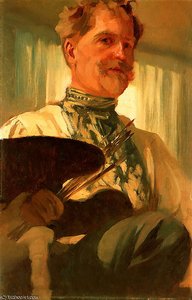
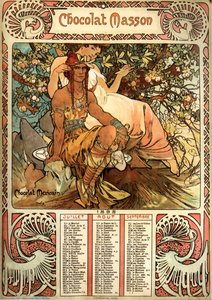
¿Qué colores predominan en "(82)" de Alphonse Maria Mucha?
"(82)" se define por una paleta de Neutrals liderada por Clay (#a56226).
¿Qué espacio combina con los colores de "(82)" de Alphonse Maria Mucha?
Con su paleta de Neutrals, "(82)" de Alphonse Maria Mucha es ideal para una Living Room. Sus colores son parte de la razón de esta sugerencia.
¿Dónde puedo comprar una reproducción pintada a mano de "(82)" de Alphonse Maria Mucha?
Las copias pintadas a mano de "(82)" de Alphonse Maria Mucha se venden en este sitio web: una reproducción al óleo pintada a mano sobre lienzo de lino, las cuales pueden solicitarse desde esta página.
¿A qué artista se le atribuye "(82)"?
"(82)" fue creada por Alphonse Maria Mucha. La información en esta página describe la obra original de Alphonse Maria Mucha.
¿Para qué se recomienda una reproducción de "(82)" de Alphonse Maria Mucha?
Se recomienda una reproducción de "(82)" de Alphonse Maria Mucha para Statement. Esta sugerencia se deriva del tema, el ambiente y los colores de la obra.
¿Qué lugar ocupa "(82)" dentro de la obra de Alphonse Maria Mucha?
"(82)" pertenece a la obra Art Nouveau de Alphonse Maria Mucha, cuyos temas recurrentes incluyen symbolic beauty, decorative art, czech national identity, folklore, art nouveau aesthetic trends, female idealization, romanticism, mucha’s signature style series.
¿Cuál es la luminosidad percibida de "(82)" de Alphonse Maria Mucha?
La luminosidad percibida de "(82)" de Alphonse Maria Mucha es brilliant. Puede armonizarse con la luz del espacio destinado.
¿Dónde y para qué uso se recomienda "(82)"?
Se recomienda "(82)" de Alphonse Maria Mucha para Statement, idealmente en un/a Living Room. El uso y el espacio juntos orientan dónde encaja una reproducción.
Biografía del artista
Primeros Años y Educación
- Nacido: 15 de julio de 1860, en Ivanačice, Moravia (ahora parte de la República Checa)
- Mostró talento artístico desde una edad temprana.
- Estudió en la Academia de Bellas Artes de Praga pero se desilusionó con los enfoques tradicionales.
- Se mudó a París en 1887 para perseguir su propio estilo.
Estilo Artístico y Obras Notables
- Conocido por un estilo Art Nouveau distintivo caracterizado por líneas fluidas, formas orgánicas y una sensación de movimiento.
- Influenciado por artistas como Pierre-Auguste Renoir y Gustave Moreau.
- Obras Notables:
- La Insurrección Eslava - Muestra la combinación de motivos checos tradicionales con elementos Art Nouveau modernos.
- Salon des Cent
- Pinturas inspiradas en obras como Las Hijas de Tespio de Gustave Moreau, y La Ribambelle des Gobelins de Piero Dorazio.
- Ilustraciones basadas en Jóvenes Granjeros Rompiendo Lino de Sir Hubert von Herkomer.
- Frecuentemente presentó mujeres idealizadas con túnicas fluidas rodeadas de flores exuberantes.
Hitos Profesionales y Comisiones Importantes
- Colaboración con Sarah Bernhardt: Creó carteles y diseños para la actriz Sarah Bernhardt, comenzando con el cartel de Gismonda (1894), lo que lanzó su carrera.
- Exposición Universal en París (1900): Su estilo Art Nouveau ganó reconocimiento internacional en esta exposición. Decoró el Pabellón de Bosnia y Herzegovina y colaboró en el Pabellón Austriaco.
- Patronazgo de Charles Richard Crane: Recibió apoyo de Charles Richard Crane, lo que le permitió crear la monumental serie El Épico Eslavo (1912-30).
- Checoslovaquia Independiente: Diseñó sellos postales, billetes y documentos gubernamentales para la recién independiente Checoslovaquia.
Influencias y Legado
- Influenciado por las tradiciones artísticas checas y los movimientos de arte europeos modernos.
- Su estilo único allanó el camino para futuras generaciones de artistas en Art Nouveau y Secesión.
- Inspiró a otros artistas como Eva Prokopcová.
- El legado se extiende más allá de su obra de arte hasta influir en el diseño y la estética.
Vida Posterior y Muerte
- Se casó con Maruska (Marie/Maria) Chytilová en 1906.
- Visitó los Estados Unidos desde 1906 hasta 1910, donde nació su hija Jaroslava.
- Murió el 14 de julio de 1939 en Praga, Checoslovaquia.

Alphonse Maria Mucha
1860 - 1939 , República Checa
Datos clave
- Artistas Influenciados: ['Eva Prokopcová']
- Artistas Que Influyeron:
- Pierre-Auguste Renoir
- Gustave Moreau
- Fecha De Fallecimiento: 1939
- Fecha De Nacimiento: 15 de julio de 1860
- Lugar De Nacimiento: Brno, República Checa
- Movimiento Artístico: Art Nouveau
- Nacionalidad: Checo
- Nombre Completo: Alphonse Maria Mucha
- Obras Notables:
- La sublevación eslava
- Salón de los Cien
- Las hijas de Tespio
- La Ribambelle de Gobelins
Artículos relacionados

The Elegance of Art Nouveau: Discovering Beauty in Nature’s Sinuous Curves and the Belle Époque Spirit
Immerse yourself in the romantic allure of Art Nouveau. Explore the sinuous curves and floral elegance of the Belle Époque through our exquisite, hand-painted reproductions. Discover a timeless connection to nature’s beauty with our museum-quality collection.
The Elegance of Art Nouveau: Embracing Nature's Fluid Beauty and the Belle Époque Spirit
Discover the enchanting world of Art Nouveau. Explore the organic beauty, flowing lines, and Belle Époque elegance that defined an era of unparalleled craftsmanship and natural inspiration.
Alphonse Mucha: A Comprehensive Exploration of Art Nouveau's Master of Decorative Symbolism
Explore the life & art of Alphonse Mucha, master of Art Nouveau! Discover his iconic posters, stunning illustrations, and the monumental Slav Epic. A comprehensive guide for collectors & enthusiasts.
Timeless Elegance: A Curated Guide to the Flowing Beauty of Art Nouveau Masterpieces
Discover the enchanting world of Art Nouveau. Explore the flowing lines of Alphonse Mucha and learn how to integrate these timeless, organic masterpieces into your collection with expert guidance on fine art appreciation and preservation.
Art Nouveau: 10 Obras Maestras que Definieron un Movimiento Revolucionario |
Descubre las 10 obras maestras del Art Nouveau que revolucionaron el arte. Explora la belleza de Mucha, Klimt y más. Reproducciones de museo en para un hogar con estilo. ¡Inspírate ahora!