

 Vista previa
 Compartir
 Compartir
 Ver detalles
 Guía
Guía

 Descargar
 Ver artículos similares
 Radiografía
 Presentación de diapositivas
 Estadísticas
General interrogating a mobile guard, supporting an injured lieutenant


 Leer más
Giclée / Impresión de arte
Impresiones giclée o en lienzo de calidad de museo con producción rápida y opciones de acabado flexibles. ( Encargar reproducción pintada a mano Ver versión en imagen digital)




P118B €10

P118H €10

P118W €10

P438Z €10

P508JH €12

P508YH €12

P805H €10

P805Z €10

P919BZ €10

P919G €10

P919XJ €10

P959ZH €10

P968JZ €12

W106C €8

W218G €10

W218JH €8

W218Y €10

W307PJ €10

W316G €10

W316PJ €8

W316Y €10

W398PJ €8

W4111J €10

W500HY €15

W500JH €15

W692G €12

W849H €8

W940BG €15

W953PJ €8




Elija entre nuestros tamaños predefinidos que respetan las proporciones originales de la obra.

Introduzca el ancho y el alto que necesite para adaptarse a su marco o pared. Una impresión solo puede recortarse, nunca hacerse más grande que la imagen original, por lo que un tamaño con una forma distinta perderá parte de la obra. Le enviaremos una maqueta digital para su aprobación antes de realizar cualquier impresión. La imagen que se muestra en esta página no refleja el recorte real; solo la maqueta lo hace.
Envío a todo el mundo () en 2 semanas en lugar de las 4/5 semanas estándar. (24 octubre)

Envío exprés gratuito a todo el mundo

Lienzo de lino de alta calidad

Seguro de envío completo

Garantía de reembolso de impuestos aduaneros

Garantía de fidelidad cromática exacta

Política de devolución de 100 días (solo por defectos)

Garantía de devolución del 100% del dinero

Oferta por volumen
 La opción de vidrio solo está disponible en tamaños inferiores a 110 cm.

General interrogating a mobile guard, supporting an injured lieutenant
Giclée / Impresión de arte
Tamaño de la reproducción
-


Precio total
€ 70
A Frozen Moment of Command: Alphonse de Neuville’s “General Interrogating a Mobile Guard Supporting an Injured Lieutenant”
Alphonse de Neuville's "General Interrogating a Mobile Guard Supporting an Injured Lieutenant," painted in 1879, is more than just a depiction of a military scene; it’s a meticulously crafted tableau of tension, duty, and the lingering weight of conflict. The painting transports us to a bleak, snow-swept landscape – likely inspired by the aftermath of the Franco-Prussian War – where a seasoned general, radiating authority, engages in a serious conversation with a young lieutenant bearing the visible wounds of battle. The scene isn’t one of triumphant victory, but rather a quiet assessment amidst the ruins of war, a moment suspended between interrogation and judgment.
De Neuville's artistic lineage is deeply rooted in the Romantic tradition, particularly influenced by Eugène Delacroix’s dramatic use of color and composition. This influence manifests powerfully here through the carefully orchestrated arrangement of figures against the stark backdrop. The triangular structure, anchored by the central interaction between the general and the lieutenant, draws the viewer’s eye directly to this pivotal exchange. The horses, rendered with a remarkable sense of realism – their coats gleaming faintly beneath the overcast sky – contribute significantly to the painting's dynamic energy, suggesting movement and urgency even within the stillness of the scene.
A Palette of Winter: Color, Light, and Atmosphere
The color palette is deliberately restrained, dominated by a muted range of grays, whites, and browns that perfectly capture the harshness and desolation of the winter landscape. Subtle hints of warmer tones – in the uniforms of the officers and the horse coats – provide a delicate contrast, preventing the scene from becoming entirely bleak. De Neuville masterfully employs atmospheric perspective; distant figures are rendered with increasing softness and detail loss, creating an illusion of depth that anchors the viewer within this frozen world. The diffused lighting, characteristic of overcast days, casts a soft, even illumination across the canvas, eliminating strong shadows and contributing to the painting’s somber mood.
The Language of Line and Texture
De Neuville's technique is firmly rooted in academic painting, evident in his skillful rendering of form and detail. Visible brushstrokes – particularly prominent in the depiction of the snow-covered ground and the textures of clothing – add a tactile quality to the work, inviting the viewer to almost feel the cold wind and rough fabric. Lines are used strategically to define shapes and create a sense of realism, while also subtly conveying the tension within the scene. The musculature of the horses is particularly well-defined, adding to their powerful presence. The artist’s attention to detail extends to the subtle nuances of facial expressions – the general's stern gaze, the lieutenant’s wounded composure – revealing a profound understanding of human psychology.
Symbolism and Emotional Resonance
Beyond its realistic depiction of military life, “General Interrogating a Mobile Guard Supporting an Injured Lieutenant” is rich in symbolic meaning. The injured lieutenant represents sacrifice and loss—a tangible reminder of the brutal cost of war. The general’s questioning posture suggests responsibility, authority, and perhaps even regret. The scene evokes feelings of uncertainty, duty, and the lingering trauma of conflict. It's a poignant meditation on leadership, accountability, and the enduring consequences of violence. The painting doesn’t offer easy answers or heroic narratives; instead, it presents a complex and emotionally resonant portrait of a moment caught between action and reflection.
A Legacy in Oil: Materials and Historical Context
Created using traditional oil paints on canvas, this artwork stands as a testament to de Neuville's mastery of his medium. The choice of oil paint allowed for layering and blending, contributing to the painting’s rich textures and nuanced color palette. Painted during the late 19th century, it reflects the artistic and political climate of France following the Franco-Prussian War – a period marked by nationalistic fervor and a desire to commemorate military achievements. De Neuville's work served as both a historical record and a powerful expression of patriotic sentiment. The painting’s acquisition by the Musée de l’Armée in Paris underscores its significance within French art history.
Preguntas y respuestas
¿Dónde puedo encontrar obras de arte similares a "General interrogating a mobile guard, supporting an injured lieutenant" de Alphonse de Neuville?
Las obras similares a "General interrogating a mobile guard, supporting an injured lieutenant" de Alphonse de Neuville se encuentran reunidas en la página de Similares de la obra.
¿Qué nivel de saturación cromática tiene "General interrogating a mobile guard, supporting an injured lieutenant" de Alphonse de Neuville?
La paleta de "General interrogating a mobile guard, supporting an injured lieutenant" tiene una saturación Muted.
¿Es "General interrogating a mobile guard, supporting an injured lieutenant" de Alphonse de Neuville una pintura, un dibujo o un grabado?
"General interrogating a mobile guard, supporting an injured lieutenant" de Alphonse de Neuville está clasificada como WallArt. La categoría describe el tipo de obra de arte que es el original.
Biografía del artista
un viaje a través del tiempo: la vida y obra de alphonse de neuville
Alphonse-Marie-Adolphe Deneuville (Saint-Omer, 31 de mayo de 1835 – París, 18 de mayo de 1885) fue un dibujante, ilustrador y pintor academicista francés. Es reconocido por sus representaciones dramáticas y patrióticas de conflictos bélicos como la guerra franco-prusiana, la guerra de Crimea y la guerra anglo-zulú. Su legado perdura a través de reproducciones que permiten apreciar su arte en diversos hogares.
formación e influencias artísticas
La formación artística de Neuville comenzó bajo la tutela de figuras clave del panorama artístico francés. Su mentor, Eugène Delacroix, un destacado pintor romántico, influyó profundamente en su estilo, dotándolo de una marcada inclinación hacia lo dramático y emotivo. Además, el trabajo de François-Édouard Picot también dejó una huella significativa en su desarrollo artístico.
temas recurrentes y obras destacadas
- Temática principal: La obra de Neuville se centra principalmente en la representación de conflictos bélicos, incluyendo la guerra franco-prusiana (1870-71), la guerra de Crimea y la guerra anglo-zulú. También realizó retratos de soldados que capturan la realidad histórica de su tiempo.
- Obras maestras:
- La carga de la brigada ligera (1860): Una conmovedora representación de la guerra de Crimea, considerada una de sus obras más emblemáticas.
- La defensa de Palma Major (1875): Ilustra la guerra anglo-zulú y demuestra su dominio en la composición dramática.
- Los últimos cartuchos (1873): Una obra clave que retrata una acción de los soldados de la División Azul durante la batalla de Sedán, galardonada con la Legión de Honor.
- Colecciones importantes: Sus obras se encuentran en prestigiosas instituciones como el Museo del Hermitage en San Petersburgo y el Museo Metropolitano de Arte en Nueva York.
evolución artística y contribuciones
Neuville no solo destacó como pintor, sino también como ilustrador. Contribuyó significativamente a la revista Le Tour du Monde, del periodista Édouard Charton, y a las ediciones de Veinte mil leguas de viaje submarino de Julio Verne publicadas por Hetzel. Su habilidad para capturar escenas bélicas con realismo y dramatismo lo convirtió en un referente de la pintura militar del siglo XIX.
legado e importancia histórica
El legado de Alphonse de Neuville trasciende sus obras originales, siendo ampliamente buscadas reproducciones de sus pinturas. Su capacidad para transmitir el heroísmo y el sufrimiento de los soldados durante conflictos históricos lo ha convertido en un artista relevante para comprender la historia militar del siglo XIX. Su obra sigue inspirando a artistas y cautivando a amantes del arte en todo el mundo.
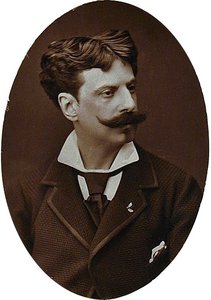
Alphonse de Neuville
1835 - 1885 , Francia
Datos clave
- Artistas Que Influyeron En Este Artista:
- Eugène Delacroix
- François-Edouard Picot
- Fecha De Fallecimiento: 18 de mayo de 1885
- Fecha De Nacimiento: 31 de mayo de 1835
- Lugar De Nacimiento (Ciudad Y País): Saint-Omer, Francia
- Movimiento Artístico O Estilo: Académico
- Nacionalidad: Francés
- Nombre Completo: Alphonse-Marie-Adolphe de Neuville
- Obras Notables:
- La carga de la brigada ligera
- La defensa de Palma Mayor
Artículos relacionados
Beyond the Fabric: Decoding Identity, Authority, and Symbolism in the Art of Military Uniforms
Explore the profound symbolism of military uniforms in art history. From Victorian portraits to realistic lithographs, discover how artists capture power, identity, and historical legacy through the intricate details of martial regalia and command.

Goya: Las 25 Obras Maestras del Genio Español | Reproducciones de Arte en OriginalUniqueArt
Descubre las 25 obras maestras de Goya, el genio español. Explora retratos icónicos, 'Los Caprichos' y 'Las Pinturas Negras'. Reproducciones de arte en lienzo de alta calidad para decorar tu hogar con estilo. ¡Encuentra tu obra favorita en OriginalUniqueArt.com!

Willem de Kooning: Abstraction, Gesture & the Evolution of Post-War American Painting
Explore the evolution of Willem de Kooning's iconic Abstract Expressionist paintings. Discover his signature style, key themes & investment potential with expert insights for discerning art collectors.

Acerca de nosotros
Descubre nuestra historia! Llevamos el arte de clase mundial a tu vida gracias a una selección experta, creaciones personalizadas y vistas previas gratuitas. Aprobado por particulares y empresas desde el año 2000.

William Owen: A Poetic Vision of War & Landscape in British Modernism
Explore the poignant war poetry of Wilfred Owen, a key figure in British Modernism. Discover his innovative style, themes of loss & camaraderie, and lasting impact on 20th-century literature. Analysis & historical context included.
