

 Vista previa
 Compartir
 Compartir
 Ver detalles
 Guía
Guía

 Descargar
 Ver artículos similares
 Radiografía
 Presentación de diapositivas
 Estadísticas
Flora Macdonald
 Oil On Canvas
- WallArt
- Rococo Portraiture
 1749
1749 74.0 x 61.0 cm
 El Museo Ashmolean de Arte y Arqueología
 Leer más
Giclée / Impresión de arte
Impresiones giclée o en lienzo de calidad de museo con producción rápida y opciones de acabado flexibles. ( Encargar reproducción pintada a mano Ver versión en imagen digital)




P118B €10

P118H €10

P118W €10

P438Z €10

P508JH €12

P508YH €12

P805H €10

P805Z €10

P919BZ €10

P919G €10

P919XJ €10

P959ZH €10

P968JZ €12

W106C €8

W218G €10

W218JH €8

W218Y €10

W307PJ €10

W316G €10

W316PJ €8

W316Y €10

W398PJ €8

W4111J €10

W500HY €15

W500JH €15

W692G €12

W849H €8

W940BG €15

W953PJ €8




Elija entre nuestros tamaños predefinidos que respetan las proporciones originales de la obra.

Introduzca el ancho y el alto que necesite para adaptarse a su marco o pared. Una impresión solo puede recortarse, nunca hacerse más grande que la imagen original, por lo que un tamaño con una forma distinta perderá parte de la obra. Le enviaremos una maqueta digital para su aprobación antes de realizar cualquier impresión. La imagen que se muestra en esta página no refleja el recorte real; solo la maqueta lo hace.
Envío a todo el mundo () en 2 semanas en lugar de las 4/5 semanas estándar. (20 octubre)

Envío exprés gratuito a todo el mundo

Lienzo de lino de alta calidad

Seguro de envío completo

Garantía de reembolso de impuestos aduaneros

Garantía de fidelidad cromática exacta

Política de devolución de 100 días (solo por defectos)

Garantía de devolución del 100% del dinero

Oferta por volumen
 La opción de vidrio solo está disponible en tamaños inferiores a 110 cm.

Flora Macdonald
Giclée / Impresión de arte
Tamaño de la reproducción
-


Precio total
€ 70
Flora Macdonald: A Portrait of Courage and Resilience
Allan Ramsay’s “Flora Macdonald,” painted in 1749, is more than just a likeness; it's a potent distillation of Scottish history, embodying the spirit of rebellion and the quiet heroism of an ordinary woman thrust into extraordinary circumstances. Housed within the Ashmolean Museum’s collection in Oxford, this oil on canvas portrait captures a pivotal moment – the clandestine assistance offered to Charles Edward Stuart after the devastating Battle of Culloden, a scene that has resonated through generations.
Ramsay, a master of capturing both aristocratic elegance and subtle emotion, skillfully portrays Flora as a young woman of striking composure. Her fair skin and dark hair are rendered with meticulous detail, styled in an updo indicative of the late 18th century’s fashion trends. The neutral expression on her face—a slight parting of her lips suggesting either a recent utterance or a thoughtful pause—allows the viewer to project their own interpretations onto her demeanor. The carefully chosen attire – a blue dress with a high collar and puffy sleeves, complemented by a vibrant red plaid shawl draped over her shoulder – speaks volumes about her social standing and adds a touch of warmth to the otherwise formal composition.
A Dramatic Narrative in Paint
The painting’s power lies not just in its technical brilliance but also in the narrative it conveys. The red plaid, instantly recognizable as associated with Clan MacDonald, immediately anchors Flora within her Highland heritage and subtly hints at the turbulent events surrounding her. Crucially, she holds a small bouquet of white and pink blooms – flowers often symbolizing purity, remembrance, and even sacrifice – suggesting both her role in protecting the Prince and the poignant cost of his ambition. The placement of her hand resting on what appears to be a chair or bench subtly conveys a sense of weary strength, hinting at the burdens she carried.
The dark background, punctuated by subtle hints of foliage, serves to isolate Flora as the central figure, amplifying her importance within the scene. Ramsay’s use of light is particularly noteworthy; it's soft and diffused, casting gentle shadows that add depth and dimension to the portrait, creating a sense of intimacy and drawing the viewer into Flora’s world.
Historical Context: A Heroine Forged in Rebellion
Flora Macdonald’s story is inextricably linked to the Jacobite rising of 1745. Following Culloden, she risked her life to help Charles Edward Stuart, the exiled heir to the throne, evade capture by government forces. Her bravery and resourcefulness – transporting the Prince disguised as a maidservant across the Highlands – became legendary, cementing her place in Scottish folklore. The painting captures this pivotal moment of defiance against overwhelming odds, transforming a simple Highland woman into a symbol of resistance.
It’s important to note that the portrait's attribution has been debated over time; initially believed to be Flora Macdonald, it is now widely considered to be a generic representation of a lady. However, its enduring popularity and association with the iconic story of her bravery ensure its continued significance within the art historical canon.
Symbolism and Emotional Resonance
Beyond the factual details of the Jacobite uprising, “Flora Macdonald” resonates deeply due to its exploration of themes such as courage, loyalty, and sacrifice. Flora’s quiet dignity and resolute expression speak volumes about her inner strength and unwavering commitment to a cause greater than herself. The painting invites contemplation on the complexities of historical events and the often-unrecognized heroism found in ordinary individuals. It's a powerful reminder that even in times of great upheaval, acts of kindness and bravery can leave an indelible mark on history – and on our collective imagination.
Preguntas y respuestas
¿Qué saturación e intensidad muestra "Flora Macdonald" de Allen Ramsay?
Los colores de "Flora Macdonald" de Allen Ramsay muestran una saturación Muted con una intensidad Monochromatic.
¿Cómo se describe la paleta de "Flora Macdonald" de Allen Ramsay?
"Flora Macdonald" de Allen Ramsay utiliza una paleta de colores Earthy. La paleta resume el carácter cromático general de la obra.
¿Puedo ver "Flora Macdonald" como una presentación de diapositivas a pantalla completa?
Puede ver "Flora Macdonald" de Allen Ramsay en formato de diapositivas en la página de Presentación de diapositivas de la obra.
Biografía del artista
Allan Ramsay: Una Vida de Elegancia y Arte
Primeros Años y Formación
Nacido en Edimburgo, Escocia el 13 de octubre de 1713, Allan Ramsay emergió como un destacado pintor retratista escocés cuya obra capturaba la elegancia y la refinada del arte de su época. Su viaje artístico comenzó a los veinte años cuando viajó a Londres para estudiar bajo la tutela del pintor sueco Hans Hysing, seguido de instrucción en la Academia de St. Martin's Lane. Esta formación inicial le proporcionó una base sólida en técnica y composición.
Influencias Italianas y Desarrollo Artístico
El desarrollo artístico de Ramsay tomó un giro significativo con sus viajes a Roma y Nápoles, donde pasó tres años (1736-1738) trabajando bajo la tutela de Francesco Solimena y Imperiali (Francesco Fernandi). Estos maestros italianos influyeron profundamente en su estilo, fomentando una mayor comprensión de los principios clásicos y mejorando sus habilidades para capturar la semejanza y el carácter. Absorbió la estética rococó predominante mientras también desarrolló una apreciación por los ideales neoclásicos.
Una Carrera Floreciente y Obras Notables
Al regresar a Gran Bretaña en 1738, Ramsay rápidamente estableció una exitosa carrera como retratista. Su capacidad para representar a sus sujetos con precisión y gracia pronto le valió una distinguida clientela. Algunas de sus obras más notables incluyen:
- La Reina Carlota (1744-1818) con sus dos hijos mayores (Colección Real, Londres): Una representación regia que muestra la presencia maternal de la Reina.
- Mary Degg, Lady Robert Manners (Galería Nacional de Escocia, Edimburgo): Un retrato elegante que demuestra la habilidad de Ramsay para capturar la belleza aristocrática.
- Retrato de cabeza de Duncan Forbes of Culloden: Esta obra temprana llamó la atención del Duque de Argyll y más tarde se incluyó en las notas bancarias del Banco Nacional de Escocia.
Nombramiento Real y Apogeo
Un momento crucial en la carrera de Ramsay llegó en 1761 con su nombramiento como Principal Pintor Ordinario de George III. Esta prestigiosa posición consolidó su estatus entre los élites artísticas y aseguró un flujo constante de encargos de la familia real y la alta sociedad. Se convirtió en *el* retratista de la era georgiana.
Vida Tardía y Legado
La vida tardía de Ramsay vio una transición hacia los intereses literarios, reflejando sus amplios intereses intelectuales. Sin embargo, tragedias personales – una dislocación accidental de su brazo derecho y el fallecimiento de su segunda esposa en 1782 – impactaron su salud y productividad. Murió en 1784.
A pesar de estos desafíos, Ramsay dejó un legado perdurable como uno de los pintores retratistas más celebrados de Escocia. Como Samuel Johnson señaló, “Me encanta Ramsay. No encontrarás a ningún hombre cuya conversación sea tan instructiva, llena de información y elegancia como la de Ramsay”. Sus obras continúan siendo admiradas por su habilidad técnica, estética refinada e insights sobre la sociedad del siglo XVIII.
Significado Histórico
La contribución de Allan Ramsay se extiende más allá de su talento artístico. Jugó un papel crucial en la configuración de la cultura visual de Escocia durante un período de importantes cambios sociales y políticos. Sus retratos proporcionan valiosos conocimientos sobre las vidas, la moda y los valores de la nobleza y la gentry escoceses. Sus obras se pueden encontrar en lugares como el ayuntamiento de Ayr y la Galería Nacional de Retratos de Escocia.
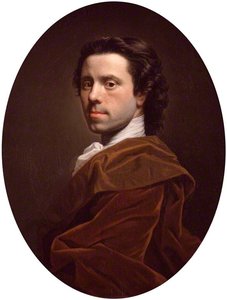
Allen Ramsay
1713 - 1784 , United Kingdom
Datos clave
- Artistic Movement Or Style: Rococó y Neoclásico
- Artists Or Movements Influenced By This Artist: ['Samuel Johnson']
- Artists Who Influenced This Artist:
- Hans Hysing
- Francesco Solimena
- Date Of Birth: 1713-10-13
- Full Name: Allan Ramsay
- Nationality: Escocés
- Notable Artworks:
- La Reina Carlota con sus dos hijos mayores
- Mary Degg, Lady Robert Manners
- Retrato de cabeza de Duncan Forbes
- Place Of Birth: Edimburgo, Reino Unido
Artículos relacionados
George Paul Chalmers: Rediscovering the Angus Rembrandt & Scottish Colourist Roots
Explore the captivating world of George Paul Chalmers (1833-1878), a pivotal Scottish painter. Discover his landscapes, portraits & connection to the Aesthetic Movement and Colourists. Learn about this 'Angus Rembrandt's' legacy with OriginalUniqueArt.
Sir John Watson Gordon: A Study in Scottish Landscape Painting & Tonal Impressionism
Explore the captivating portraits of Sir John Watson Gordon, a leading Scottish master. Discover his evolution from neoclassical style to atmospheric Tonalism and influence on 19th-century British art. Learn about his iconic sitters & legacy.

James Giles: Capturing Scottish Life Through the Lens of British Realism
Explore the life & work of James Giles (1801-1870), a master of Scottish landscape painting and favored artist of Queen Victoria. Discover his atmospheric realism & royal commissions.
Alexander Nasmyth: Picturing Scotland's Romantic Landscape – Innovation & Identity
Explore the life & art of Alexander Nasmyth, a pivotal figure in Scottish Romantic landscape painting. Discover his iconic works, including portraits of Robert Burns, and learn about his lasting influence on national identity. Fine art reproductions available.

Allen Ramsay: Portraiture, Patronage & Shaping Georgian Identity
Explore the life & work of Allen Ramsay, pivotal portraitist to George III. Discover his Rococo style, influence on Georgian society, and lasting legacy in British art history. Learn about his key works & patronage.


