Vista previa
 Compartir
 Compartir
 Ver detalles
 Guía
Guía

 Descargar
 Ver artículos similares
 Radiografía
 Presentación de diapositivas
 Estadísticas
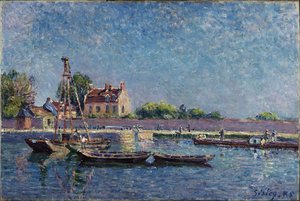
The Moret Bridge
 Oil On Canvas
- WallArt
- Impressionism
 1892
1892- 19th Century
 33.0 x 41.0 cm
 Leer más
Reproducción al óleo hecha a mano
Óleo sobre lienzo pintado a mano en el tamaño y marco de su elección, realizado por encargo por nuestros artistas. ( Cambiar a formato impreso Ver versión en imagen digital)




P118B €10

P118H €10

P118W €10

P438Z €10

P508JH €12

P508YH €12

P805H €10

P805Z €10

P919BZ €10

P919G €10

P919XJ €10

P959ZH €10

P968JZ €12

W106C €8

W218G €10

W218JH €8

W218Y €10

W307PJ €10

W316G €10

W316PJ €8

W316Y €10

W398PJ €8

W4111J €10

W500HY €15

W500JH €15

W692G €12

W849H €8

W940BG €15

W953PJ €8




Elija entre nuestros tamaños predefinidos que respetan las proporciones originales de la obra.

Escriba el ancho y el alto que necesite para adaptarse a su marco o a su pared. Al ser una obra pintada a mano, para un tamaño con una forma distinta, el artista puede pintar un poco más alrededor de la imagen o recortar un poco; usted elige. Le enviaremos una maqueta digital para su aprobación antes de comenzar la pintura. La imagen que se muestra en esta página no refleja el resultado real; solo la maqueta lo hace.
Tras realizar el pedido, el equipo de OriginalUniqueArt.com enviará un correo electrónico al cliente para solicitar instrucciones y proporcionarle una vista previa del boceto.
Envío a todo el mundo () en 3-4 semanas en lugar de las 5 semanas estándar. (23 octubre). Sin comprometer la calidad.

Envío exprés gratuito a todo el mundo

Lienzo de lino de alta calidad

Seguro de envío completo

Garantía de reembolso de impuestos aduaneros

Garantía de fidelidad cromática exacta

Política de devolución de 100 días (solo por defectos)

Garantía de devolución del 100% del dinero

Oferta por volumen
 La opción de vidrio solo está disponible en tamaños inferiores a 110 cm.

The Moret Bridge
Técnica de reproducción
Tamaño de la reproducción
-


Precio total
€ 264
A Moment Frozen in Light: Alfred Sisley's The Moret Bridge
- Subject Matter
- Style and Technique
- Historical Context & Impressionism
- Symbolic Resonance & Emotional Impact
Decoding Impressionist Technique
At the heart of The Moret Bridge lies Sisley's dedication to Impressionist technique. Notice the deliberate application of loose, visible brushstrokes; this isn’t an attempt at photographic realism but rather an exploration of how light and color interact. The artist expertly captures the play of sunlight on the water, creating shimmering reflections that dance across the surface. Similarly, he subtly renders the textures of the buildings – the rough stone, the weathered wood – through layered paint application, giving a tangible sense of materiality. This technique, characteristic of Impressionism, isn't simply about what is seen; it’s about *how* it is perceived – the immediate sensory experience of light and color. The flattened perspective, a hallmark of the movement, further enhances this immersive quality, drawing the viewer into the scene as if they were standing on the riverbank themselves.A Window into 19th-Century France
Painted in 1892, The Moret Bridge offers a poignant glimpse into late 19th-century French life. Sisley’s focus on landscapes and everyday scenes – bridges, rivers, small towns – reflects a broader trend within the Impressionist movement: a desire to move away from grand historical or mythological subjects and instead capture the beauty of ordinary moments. The painting speaks to a time when artists were increasingly interested in exploring the effects of light and atmosphere, rejecting traditional academic approaches to representation. Sisley’s work aligns with his contemporaries, Monet, Renoir, and Pissarro, all of whom sought to revolutionize art by prioritizing subjective perception over objective reality.Beyond the Surface: Symbolism and Emotional Resonance
The Moret Bridge transcends a simple landscape painting; it evokes a powerful sense of nostalgia, tranquility, and perhaps even a wistful contemplation of rural life. The bridge itself – a symbol of connection and transition – subtly reinforces this feeling. The scene’s stillness and the soft light contribute to an atmosphere of peace and serenity, inviting the viewer to escape the bustle of modern life and immerse themselves in a moment of quiet beauty. Sisley's ability to transform a seemingly mundane setting into a captivating work of art speaks to his profound understanding of human emotion and his remarkable artistic skill. Considered alongside related works like *The Loing Flowing under the Moret Bridge* and *The Moret Bridge and Mills under Snow*, The Moret Bridge solidifies Sisley’s place as a pivotal figure in the Impressionist movement, demonstrating his enduring ability to capture the essence of light, color, and the beauty of the natural world.Preguntas y respuestas
¿Qué lugar ocupa "The Moret Bridge" entre los temas recurrentes de Alfred Sisley?
"The Moret Bridge" representa french landscape, river scene”, “small town”, “bridge artwork”, “impressionist light”, “rural france”, “peaceful art”, mientras que los temas recurrentes de Alfred Sisley son barbizon school", realist landscape, french impressionism, tranquil scenes, everyday beauty, "river, landscape studies. Al comparar ambos, se observa cómo la obra se relaciona con los temas habituales del artista.
¿Qué temas aparecen en "The Moret Bridge" de Alfred Sisley?
Los temas de "The Moret Bridge" son french landscape, river scene”, “small town”, “bridge artwork”, “impressionist light”, “rural france”, “peaceful art”.
¿Qué proporciones tiene "The Moret Bridge" de Alfred Sisley y cuáles son sus dimensiones?
"The Moret Bridge" de Alfred Sisley es una composición en Landscape que mide 33 x 41 cm en su formato original.
Biografía del artista
Alfred Sisley: Un Viaje a Través de la Luz y el Paisaje Impresionista
Primeros Años y Formación
- Nacido en París el 30 de octubre de 1839, Alfred Sisley era hijo de William Sisley, comerciante de seda, y Felicia Sell, una aficionada a la música.
- En 1857, a los 18 años, se trasladó a Londres para seguir una carrera en el mundo empresarial, pero pronto abandonó este camino.
- Regresó a París en 1861 y comenzó su formación artística en 1862 bajo la tutela del artista suizo Marc-Charles-Gabriel Gleyre en la École des Beaux-Arts.
- Fue allí donde entabló amistad con otros artistas como Frédéric Bazille, Claude Monet y Pierre-Auguste Renoir, formando relaciones cruciales que moldearían su trayectoria artística.
Desarrollo Artístico y Estilo
- Sisley se dedicó a la pintura de paisajes en plein air – al aire libre, observando directamente la naturaleza.
- Sus primeras obras fueron inicialmente rechazadas por el jurado del Salón, pero perseveró, impulsado por su pasión por capturar momentos fugaces de luz y atmósfera.
- Se centró consistentemente en la pintura de paisajes a lo largo de su carrera, a diferencia de algunos impresionistas que exploraron otros géneros.
- El estilo de Sisley se caracteriza por la tranquilidad, paletas de colores delicadas – a menudo tonos pálidos de verde, rosa, púrpura, azul polvoriento y crema – y una sutil representación de los efectos de la luz.
Temas Clave y Obras Destacadas
- Los paisajes fluviales fueron un tema recurrente en la obra de Sisley. Creó una serie de pinturas del río Támesis durante un viaje a Inglaterra en 1874, produciendo casi veinte obras cerca de Molesey.
- Representó con frecuencia escenas alrededor de Moret-sur-Loing, donde vivió durante muchos años, capturando sus canales, puentes y la campiña circundante.
- Obras notables incluyen “Molino de agua cerca de Moret”, “Bargas en el Canal de Loing, Primavera”, “Campos alrededor del Bosque” y “El pueblo de Sablons”.
- Su poder de expresión e intensidad cromática aumentaron con el tiempo, dando lugar a paisajes cada vez más sofisticados.
Influencias y Legado
- Sisley fue influenciado por la formación académica de Gleyre y por la camaradería que encontró con Monet, Renoir y Bazille.
- Compartió una visión artística similar con otros impresionistas, centrándose en capturar las cualidades efímeras de la luz y la atmósfera.
- Aunque menos exitoso comercialmente durante su vida que algunos de sus contemporáneos, la obra de Sisley es ahora muy apreciada por su belleza, sensibilidad y dedicación a representar la naturaleza.
- Influyó en generaciones posteriores de pintores paisajistas con su enfoque sutil del color y la luz.
Vida Posterior y Significado Histórico
- Sisley solicitó la ciudadanía francesa en 1897, pero se le negó, una fuente de decepción personal.
- Falleció el 29 de enero de 1899 a los 59 años en Moret-sur-Loing.
- Si bien sus obras de estudiante se han perdido, sus paisajes maduros continúan siendo celebrados como ejemplos primorosos de la pintura paisajística impresionista.
- El compromiso inquebrantable de Sisley con capturar la belleza de la naturaleza y su técnica refinada consolidan su lugar como una figura significativa en la historia del arte.

Alfred Sisley
1839 - 1899 , Francia
Datos clave
- Artistas Que Influyeron:
- Marc-Charles-Gabriel Gleyre
- Claude Monet
- Pierre-Auguste Renoir
- Estilo Artístico: Impresionismo
- Fecha De Muerte: 29 de enero de 1899
- Fecha De Nacimiento: 30 de octubre de 1839
- Influencia En Artistas: Pintores paisajistas posteriores
- Lugar De Nacimiento: París, Francia
- Nacionalidad: Británico-francés
- Nombre Completo: Alfred Sisley
- Obras Notables:
- Molino cerca de Moret
- Barges en el Loing
- Campos alrededor del bosque
- El pueblo de Sablons
Artículos relacionados

Alfred Munnings: Las 25 Obras Maestras del Pintor de Caballos | OriginalUniqueArt
Descubre las 25 obras maestras de Alfred Munnings, el pintor británico de caballos por excelencia. Explora su impresionismo inglés, escenas campestres y técnica única. Encuentra reproducciones de arte de alta calidad en OriginalUniqueArt.com.

Alfred Sisley: Capturing the Ephemeral Essence of Impressionist Landscape
Explore the life & art of Alfred Sisley, a master of Impressionist landscape painting. Discover his dedication to 'en plein air' techniques and serene depictions of nature. Learn about his legacy & find high-quality reproductions at OriginalUniqueArt.

John Constable: Las 25 Obras Maestras del Paisaje Inglés | OriginalUniqueArt
Descubre las 25 obras maestras de John Constable, el pintor romántico inglés que capturó la belleza del paisaje. Explora su técnica, historia y significado en OriginalUniqueArt.com. Reproducciones de arte de alta calidad para tu hogar.

Los 10 Maestros del Paisaje Impresionista: Obras que Cambiaron la Historia del Arte
Descubre los 10 lienzos impresionistas que revolucionaron el arte. Monet, Renoir y más… Explora la historia, técnica y belleza de cada obra maestra. Encuentra reproducciones de alta calidad para tu hogar en OriginalUniqueArt.com.

Los 10 Maestros del Paisaje Impresionista: Obras que Cambiaron la Historia del Arte
Descubre los 10 lienzos impresionistas que revolucionaron el arte. Explora la historia de Monet, Van Gogh y Renoir, sus técnicas y colores vibrantes. Encuentra reproducciones de alta calidad para decorar tu hogar en OriginalUniqueArt.com