Vista previa
 Compartir
 Compartir
 Ver detalles
 Guía
Guía

 Descargar
 Ver artículos similares
 Radiografía
 Presentación de diapositivas
 Estadísticas
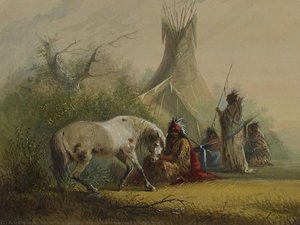
Picketing the Horses--At Evening
 Realism
 1837
1837 30.0 x 19.0 cm
 Amon Carter Museo de Arte Estadounidense
 Leer más
Giclée / Impresión de arte
Impresiones giclée o en lienzo de calidad de museo con producción rápida y opciones de acabado flexibles. ( Encargar reproducción pintada a mano Ver versión en imagen digital)




P118B $10

P118H $10

P118W $10

P438Z $10

P508JH $12

P508YH $12

P805H $10

P805Z $10

P919BZ $10

P919G $10

P919XJ $10

P959ZH $10

P968JZ $12

W106C $8

W218G $10

W218JH $8

W218Y $10

W307PJ $10

W316G $10

W316PJ $8

W316Y $10

W398PJ $8

W4111J $10

W500HY $15

W500JH $15

W692G $12

W849H $8

W940BG $15

W953PJ $8




Elija entre nuestros tamaños predefinidos que respetan las proporciones originales de la obra.

Puede introducir sus propias dimensiones para adaptarse a un marco o espacio específico. Si el tamaño seleccionado no coincide con las proporciones de la imagen original, recortaremos la obra de arte o extenderemos la imagen con un borde con efecto espejo o de color sólido. Se enviará una maqueta digital para su aprobación antes de que comience la producción.
Tenga en cuenta que la vista previa en pantalla no refleja el recorte o la extensión real. Solo la maqueta mostrará con precisión la composición final.
Aunque existen tamaños personalizados, recomendamos seleccionar una dimensión de la lista predefinida para preservar las proporciones originales.
Envío a todo el mundo () en 2 semanas en lugar de las 4/5 semanas estándar. (25 septiembre)

Envío exprés gratuito a todo el mundo

Lienzo de lino de alta calidad

Seguro de envío completo

Garantía de reembolso de impuestos aduaneros

Garantía de fidelidad cromática exacta

Política de devolución de 100 días (solo por defectos)

Garantía de devolución del 100% del dinero

Oferta por volumen
 La opción de vidrio solo está disponible en tamaños inferiores a 110 cm.

Picketing the Horses--At Evening
Giclée / Impresión de arte
Tamaño de la reproducción
-


Precio total
$ 80
A Glimpse into Frontier Life: Alfred Jacob Miller’s “Picketing the Horses—At Evening”
- Subject and Narrative: This captivating pen and ink drawing with watercolor washes by Alfred Jacob Miller transports us to the American West of 1837. The scene depicts a moment of respite – horsemen *picketing* their horses for the evening, likely after a day of travel or training. The composition is bustling with activity; figures are engaged in tending to livestock and preparing camp, creating a vivid snapshot of frontier life. It’s not merely an image of animals resting, but a portrayal of the symbiotic relationship between man and horse, essential to survival and exploration during this period.
- Style and Technique: Miller masterfully blends meticulous draftsmanship with atmospheric watercolor washes. The artwork showcases his skill in detailed line work – each horse, rider, and tree is rendered with precision. This classical drawing technique, reminiscent of earlier masters, provides a strong structural foundation. However, it’s the delicate application of watercolor that breathes life into the scene, creating depth, volume, and a sense of diffused light suggesting either an overcast day or the fading glow of sunset. The overall effect is one of realism tempered by romanticism – a hallmark of Miller's style.
Historical Context & The Artist’s Vision
- Miller and the American West: Alfred Jacob Miller (1810-1874) is celebrated for his depictions of the fur trade era and Native American life. Though born in Baltimore, he traveled extensively, documenting the landscapes and people of the Western United States. This work predates his more famous paintings of mountain men and tribes, but it demonstrates the foundational skills and observational abilities that would define his career. “Picketing the Horses—At Evening” offers a glimpse into the world *before* significant westward expansion and conflict, presenting a scene of relative tranquility.
- A Moment in Time: Created in 1837, this artwork reflects an era of exploration and increasing interaction between settlers and indigenous populations. While not explicitly focused on Native American figures, the work embodies the spirit of adventure and the challenges of life on the frontier that characterized this period. The scene’s focus on equestrian skill also hints at the importance of horses in both practical transportation and military preparedness.
Symbolism & Emotional Resonance
- Subtle Symbolism: Beyond its literal depiction, “Picketing the Horses—At Evening” evokes themes of resilience, adaptability, and the enduring bond between humans and animals. The act of *picketing* – securing horses for rest – symbolizes a temporary pause in a journey, a moment of vulnerability before continuing onward. The careful attention to detail in portraying both the horses and their handlers suggests respect for these essential companions.
- Atmospheric Impact: The artwork’s subdued color palette and diffused lighting create a sense of quiet contemplation. It's not a dramatic or action-packed scene, but rather an intimate portrayal of everyday life on the frontier. This understated quality lends the work a timeless appeal, inviting viewers to immerse themselves in the atmosphere and imagine the sounds and smells of this bygone era.
For Collectors & Interior Design
- A Versatile Piece: Measuring 30 x 19 cm, “Picketing the Horses—At Evening” is a wonderfully sized work suitable for a variety of spaces. Its muted tones and detailed composition make it an excellent addition to both traditional and contemporary interiors.
- Styling Suggestions: Consider pairing this artwork with natural materials like wood and leather to enhance its rustic charm. It would complement a study, library, or living room with equestrian-themed décor. A high-quality reproduction would also be stunning in a hallway or smaller space.
Biografía del artista
Alfred Jacob Miller: Pionero del Arte Occidental Americano
- Nacido: 2 de enero de 1810, Baltimore, Estados Unidos de América
- Fallecido: 1874
Primeros Años y Formación Artística
El viaje de Alfred Jacob Miller comenzó en Baltimore, Maryland, donde nació en una familia de nueve hijos. Su padre, un comerciante y posadero, le brindó una educación estable. Si bien asistió a la Academia John D. Craig, Miller no recibió instrucción artística formal. Sin embargo, se cree que recibió las primeras lecciones del renombrado artista Thomas Sully, sentando las bases para sus futuras aspiraciones artísticas. Un momento crucial llegó en 1832 cuando Miller viajó a París para estudiar arte. Fue admitido como oyente en clases de dibujo de figura viva en la École des Beaux-Arts, sumergiéndose en las tradiciones artísticas europeas y perfeccionando sus habilidades a través de la observación y la práctica diligentes.La Expedición al Oeste y el Avance Artístico
La carrera de Miller dio un giro dramático cuando conoció a Sir William Drummond Stewart, un aristócrata escocés con una pasión por el oeste americano. En 1837, Stewart encargó a Miller que lo acompañara en una expedición de caza a las Montañas Rocosas, documentando los paisajes y culturas encontradas en el camino. Este viaje demostró ser transformador para el desarrollo artístico de Miller. Meticulosamente dibujó escenas de nativos americanos, tramperos, vida silvestre y la vida fronteriza, capturando la esencia del oeste americano con un detalle y sensibilidad notables. Al regresar a Nueva Orleans, Miller transformó estos bocetos en una serie de pinturas que establecerían su reputación como una figura significativa en el arte estadounidense.Estilo y Obras Notables
El estilo artístico de Miller se caracteriza por su mezcla única de realismo y romanticismo. Representaba meticulosamente los detalles de la vida fronteriza, como la ropa, el equipo y los paisajes, al tiempo que infundía sus obras con un sentido de drama y aventura. Algunas de sus pinturas más celebradas incluyen:- El Lago Su Pecho Solitario se Expande Hacia el Cielo
- Escena del Campamento (Sioux)
- Gran Cuenco (Un Jefe Crow)
- Argali - Borrego Cimarrón de Montaña
- Indios Serpiente Cazando Alce
- Shoshone Indio y Su Caballo Mascota
Legado y Significado Histórico
El legado de Alfred Jacob Miller como pionero del arte occidental americano está firmemente establecido. Fue uno de los primeros artistas en capturar el espíritu y la esencia del oeste americano con tanta autenticidad y habilidad artística. Sus pinturas continúan inspirando a artistas y entusiastas del arte por igual, brindando una ventana a una época pasada. El trabajo de Miller ha sido exhibido en galerías y museos de todo Estados Unidos, lo que consolida su lugar como un contribuyente significativo al desarrollo del arte estadounidense. Sus detalladas representaciones de los nativos americanos ofrecen valiosa documentación histórica, mientras que sus retratos romanticizados capturan el atractivo y la aventura de la frontera.
Alfred Jacob Miller
1810 - 1874 , Estados Unidos de América
Datos clave
- Artistas Que Influyeron: ['Thomas Sully']
- Fecha De Fallecimiento: 1874
- Fecha De Nacimiento: 2 de enero de 1810
- Lugar De Nacimiento: Baltimore, EE. UU.
- Movimiento Artístico: Realismo y Romanticismo
- Nacionalidad: Estadounidense
- Nombre Completo: Alfred Jacob Miller
- Obras Notables:
- El lago su seno expande al cielo
- Escena de campamento (Sioux)
- Gran cuenco (Jefe Crow)
- Argali - Borrego cimarrón
- Indios serpiente cazando alce
- Indio Shoshone y su caballo
Artículos relacionados

Ephemeral Expressions: Exploring the Nuances of Ink on Paper Through History & Contemporary Art
Explore the captivating world of ink wash painting – from its ancient origins to contemporary masters. Discover techniques, symbolism & conservation insights with OriginalUniqueArt.com.
The Alchemy of Ink: Mastering the Timeless Beauty and Art History of Paper and Brush
Embark on a sophisticated exploration of ink wash painting and Sumi-e. Uncover the profound historical lineages, Zen philosophies, and technical mastery behind this timeless medium in our authoritative guide for fine art enthusiasts.

Alfred Jacob Miller: Chronicling the American West Through Artistic Observation & Narrative
Explore the captivating art of Alfred Jacob Miller, chronicler of the American West. Discover his iconic paintings, techniques & lasting legacy – a valuable addition to any serious collection. Learn more at OriginalUniqueArt.

Alfred Munnings: Las 25 Obras Maestras del Pintor de Caballos | OriginalUniqueArt
Descubre las 25 obras maestras de Alfred Munnings, el pintor británico de caballos por excelencia. Explora su impresionismo inglés, escenas campestres y técnica única. Encuentra reproducciones de arte de alta calidad en OriginalUniqueArt.com.

Mastering Ink on Paper: The Timeless Art of Precision, Flow, and Calligraphic Heritage
Explore the profound mastery of ink on paper. From Japanese haiku traditions to Ming Dynasty calligraphy, discover the delicate balance of precision and flow that defines this timeless art form through an expert historical lens.