

 Vista previa
 Compartir
 Compartir
 Ver detalles
 Guía
Guía

 Descargar
 Ver artículos similares
 Radiografía
 Presentación de diapositivas
 Estadísticas
Still Life with Pears


 Leer más
Giclée / Impresión de arte
Impresiones giclée o en lienzo de calidad de museo con producción rápida y opciones de acabado flexibles. ( Encargar reproducción pintada a mano Ver versión en imagen digital)




P118B $10

P118H $10

P118W $10

P438Z $10

P508JH $12

P508YH $12

P805H $10

P805Z $10

P919BZ $10

P919G $10

P919XJ $10

P959ZH $10

P968JZ $12

W106C $8

W218G $10

W218JH $8

W218Y $10

W307PJ $10

W316G $10

W316PJ $8

W316Y $10

W398PJ $8

W4111J $10

W500HY $15

W500JH $15

W692G $12

W849H $8

W940BG $15

W953PJ $8




Elija entre nuestros tamaños predefinidos que respetan las proporciones originales de la obra.

Puede introducir sus propias dimensiones para adaptarse a un marco o espacio específico. Si el tamaño seleccionado no coincide con las proporciones de la imagen original, recortaremos la obra de arte o extenderemos la imagen con un borde con efecto espejo o de color sólido. Se enviará una maqueta digital para su aprobación antes de que comience la producción.
Tenga en cuenta que la vista previa en pantalla no refleja el recorte o la extensión real. Solo la maqueta mostrará con precisión la composición final.
Aunque existen tamaños personalizados, recomendamos seleccionar una dimensión de la lista predefinida para preservar las proporciones originales.
Envío a todo el mundo () en 2 semanas en lugar de las 4/5 semanas estándar. (26 septiembre)

Envío exprés gratuito a todo el mundo

Lienzo de lino de alta calidad

Seguro de envío completo

Garantía de reembolso de impuestos aduaneros

Garantía de fidelidad cromática exacta

Política de devolución de 100 días (solo por defectos)

Garantía de devolución del 100% del dinero

Oferta por volumen
 La opción de vidrio solo está disponible en tamaños inferiores a 110 cm.

Still Life with Pears
Giclée / Impresión de arte
Tamaño de la reproducción
-


Precio total
$ 80
Alfred Henry Maurer: A Pioneer of American Modernist Abstraction
Alfred Henry Maurer (1868 – 1932) stands as an enigmatic figure in the annals of American art history, largely unrecognized during his lifetime but now celebrated for his groundbreaking contribution to Cubism and Fauvism. Born in New York City amidst a familial discord regarding artistic pursuits—his father vehemently opposed modern artistic expression—Maurer’s formative years instilled within him a profound fascination with experimentation and innovation that would define his entire career. Despite abandoning formal schooling at sixteen to join his father's lithographic firm, this practical experience served only to amplify his yearning for creative fulfillment.- Early Artistic Exploration: Maurer’s self-portrait from his Parisian period embodies youthful optimism and burgeoning artistic confidence—a testament to his unwavering determination to pursue his passions despite familial opposition.
- Parisian Influences: Spending four formative years in Paris between 1897 and 1901 proved instrumental in shaping Maurer’s artistic vision. He immersed himself in the vibrant Parisian art scene, engaging with fellow American and French artists and absorbing new ideas that would propel him toward stylistic breakthroughs.
“Still Life with Pears” – An Emblematic Cubist Composition
Maurer's masterpiece, “Still Life with Pears,” completed around 1930-31, exemplifies the core tenets of Cubism and Fauvism—two movements that revolutionized artistic expression at the turn of the century. The painting depicts a simple yet meticulously rendered arrangement of objects: a cup positioned on the left side of the canvas, a bowl centrally located, alongside bananas scattered across the upper right corner and lower left area. Apples punctuate both the top left and bottom right corners, while oranges occupy the right edge of the composition. This seemingly unassuming subject matter is transformed into an arresting visual experience through Maurer’s masterful use of color and geometric abstraction.- Color Palette: Maurer employed a bold palette characterized by intense hues—primarily yellows and reds—that departed dramatically from Impressionistic conventions. These colors weren't merely decorative; they served as conduits for emotional expression, conveying a sense of dynamism and immediacy.
- Geometric Fragmentation: The painting’s defining feature is its geometric fragmentation—a technique borrowed directly from Cubist principles. Maurer dissected the objects depicted into interlocking planes, presenting multiple perspectives simultaneously to challenge traditional notions of representation.
The Carnegie International Prize – Recognition of Innovation
“Still Life with Pears” achieved unparalleled acclaim at the 1901 Carnegie International Exhibition in Pittsburgh—winning first prize and establishing Maurer as a pivotal voice within American Modernist art. This prestigious honor underscored the significance of his stylistic innovations and cemented his legacy as one of the pioneers who ushered in a new era of artistic experimentation. The painting’s impact extended beyond its immediate recognition, influencing subsequent generations of artists and shaping the trajectory of abstract art movements throughout the 20th century. Maurer's unwavering commitment to exploring uncharted artistic territories—his willingness to defy convention and embrace radical stylistic approaches—continues to inspire admiration and scholarly inquiry today.Symbolism Beyond Representation
While ostensibly depicting commonplace objects, “Still Life with Pears” transcends mere visual realism. Maurer’s deliberate use of color and geometric abstraction serves as a vehicle for conveying deeper symbolic meanings—themes that resonate with viewers on an emotional level. The vibrant yellows and reds evoke feelings of warmth, energy, and passion, mirroring the artist's own fervent belief in the transformative power of art. Furthermore, the fractured planes of the composition symbolize the fragmentation of perception itself—a concept central to Cubist thought and reflecting Maurer’s desire to challenge viewers’ assumptions about how they interpret visual information. Conclusion: Alfred Henry Maurer’s “Still Life with Pears” remains a cornerstone of American Modernist art, embodying not only stylistic innovation but also intellectual rigor and emotional depth—a testament to the enduring power of artistic vision.Biografía del artista
Alfred Henry Maurer
Alfred Henry Maurer (April 21, 1868 – August 4, 1932) fue un pintor estadounidense moderno. Exhibió sus obras en círculos vanguardistas en Nueva York y internacionalmente a principios del siglo XX. Muy respetado hoy en día, su trabajo recibió poco reconocimiento crítico o comercial durante su vida, y murió, suicidio, a la edad de sesenta y cuatro años.Primeros Años y Formación
- Nacido: 21 de abril de 1868, Nueva York, Estados Unidos.
- La vida temprana de Maurer estuvo marcada por la tensión familiar con respecto al arte. Su padre desaprobaba la expresión artística moderna, lo que paradójicamente alimentó la pasión de Alfred.
- A los dieciséis años, dejó la escuela para trabajar en el estudio litográfico de su padre, adquiriendo experiencia práctica pero anhelando más búsquedas creativas.
- Autorretrato de su período parisino temprano refleja un optimismo juvenil y una creciente confianza artística.
Influencias Parisinas y Rompimiento Artístico
- En 1897, Maurer emprendió un viaje crucial a París, donde pasó cuatro años inmerso en el vibrante panorama artístico.
- Se unió a una comunidad de artistas estadounidenses y franceses, absorbiendo nuevas ideas y experimentando con diferentes estilos.
- An Arrangement, completado alrededor de 1901, resultó ser un punto de inflexión. Obtuvo el primer premio en la prestigiosa Exposición Internacional Carnegie, estableciendo a Maurer como un talento emergente.
Estilos Cambiantes y Desafíos
- Después de su temprano éxito, la dirección artística de Maurer evolucionó significativamente. Influenciado por figuras como Gertrude y Leo Stein, comenzó a explorar las estética cubista y fauvista.
- Esta transformación estilística resultó controvertida. Si bien abrazaba lo vanguardista, Maurer enfrentó una disminución del reconocimiento internacional y la viabilidad comercial.
- Luchó con la desaprobación paterna a lo largo de su vida, lo que añadió presiones para navegar por un mundo artístico cambiante.
Logros Clave y Reconocimiento
- Maurer participó en exposiciones emblemáticas que definieron el movimiento modernista estadounidense:
- 1913 Exposición del Armory Show: Un momento decisivo que mostraba arte nuevo y radical a una audiencia estadounidense.
- “La Exhibición del Foro de Pintores Americanos Modernos” (1916): Solidificando aún más su lugar en el panorama modernista.
- 1919: Fue elegido Director de la Sociedad de Artistas Independientes, demostrando su compromiso con la libertad artística e innovación.
Vida Tardía y Legado
- A pesar de sus contribuciones, Maurer enfrentó dificultades financieras y desafíos críticos continuos.
- Tristemente, se suicidó el 4 de agosto de 1932, a la edad de sesenta y cuatro años – un final trágico para una vida turbulenta.
- Sin embargo, el legado de Maurer ha perdurado. Su obra se exhibe en numerosas exposiciones y colecciones, incluidas las del Museo de Arte de Nueva Orleans.
- Sus pinturas sirven como ejemplos importantes del modernismo estadounidense temprano, conectando los movimientos vanguardistas europeos con una sensibilidad exclusivamente americana.

alfred henry maurer
1868 - 1932 , Estados Unidos de América
Datos clave
- Artistic Movement Or Style: Modernismo
- Artists Or Movements Influenced By This Artist:
- Arthur Dove
- Marsden Hartley
- Artists Who Influenced This Artist:
- John Quincy Adams Ward
- William Merritt Chase
- Date Of Birth: April 21, 1868
- Full Name: Alfred Henry Maurer
- Nationality: American
- Notable Artworks: ['An Arrangement']
- Place Of Birth: Nueva York City, Estados Unidos de América
Artículos relacionados
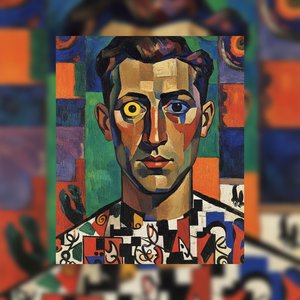
Alfred Henry Maurer: Reassessing the Pioneer of American Modernist Abstraction
Explore the groundbreaking work of Alfred Henry Maurer, a pivotal figure in American Modernism. Discover his Fauvist & Cubist paintings and understand his lasting influence on abstract art. Expert analysis for collectors.
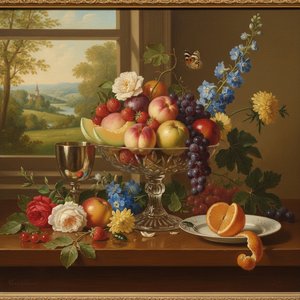
Severin Roesen: Evoking National Identity Through American Still Life Painting
Explore the captivating world of Severin Roesen, a major American still life painter influenced by Dutch masters. Discover his lush compositions and the symbolism within his art – a window into 19th-century America.

Alfred Munnings: Las 25 Obras Maestras del Pintor de Caballos | OriginalUniqueArt
Descubre las 25 obras maestras de Alfred Munnings, el pintor británico de caballos por excelencia. Explora su impresionismo inglés, escenas campestres y técnica única. Encuentra reproducciones de arte de alta calidad en OriginalUniqueArt.com.

Alfred Jacob Miller: Chronicling the American West Through Artistic Observation & Narrative
Explore the captivating art of Alfred Jacob Miller, chronicler of the American West. Discover his iconic paintings, techniques & lasting legacy – a valuable addition to any serious collection. Learn more at OriginalUniqueArt.

Henri Matisse: Las 25 Obras Maestras que Definieron un Genio del Color | OriginalUniqueArt
Descubre las 25 obras maestras de Henri Matisse, el rey del color y padre del fauvismo. Explora su arte moderno, lienzos vibrantes y la historia detrás de cada pintura icónica. Encuentra reproducciones de alta calidad en OriginalUniqueArt.com.
