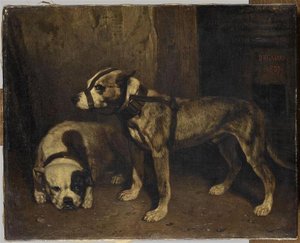
Vista previa
 Compartir
 Compartir
 Ver detalles
 Guía
Guía

 Descargar
 Ver artículos similares
 Radiografía
 Presentación de diapositivas
 Estadísticas
Autorretrato
 Óleo sobre lienzo
- Arte de pared
- Romanticismo
 1830
1830- Siglo XIX
 33.0 x 25.0 cm
 Museo del Hermitage
 Leer más
Giclée / Impresión de arte
Impresiones giclée o en lienzo de calidad de museo con producción rápida y opciones de acabado flexibles. ( Encargar reproducción pintada a mano Ver versión en imagen digital)




P118B €10

P118H €10

P118W €10

P438Z €10

P508JH €12

P508YH €12

P805H €10

P805Z €10

P919BZ €10

P919G €10

P919XJ €10

P959ZH €10

P968JZ €12

W106C €8

W218G €10

W218JH €8

W218Y €10

W307PJ €10

W316G €10

W316PJ €8

W316Y €10

W398PJ €8

W4111J €10

W500HY €15

W500JH €15

W692G €12

W849H €8

W940BG €15

W953PJ €8




Elija entre nuestros tamaños predefinidos que respetan las proporciones originales de la obra.

Introduzca el ancho y el alto que necesite para adaptarse a su marco o pared. Una impresión solo puede recortarse, nunca hacerse más grande que la imagen original, por lo que un tamaño con una forma distinta perderá parte de la obra. Le enviaremos una maqueta digital para su aprobación antes de realizar cualquier impresión. La imagen que se muestra en esta página no refleja el recorte real; solo la maqueta lo hace.
Envío a todo el mundo () en 2 semanas en lugar de las 4/5 semanas estándar. (25 octubre)

Envío exprés gratuito a todo el mundo

Lienzo de lino de alta calidad

Seguro de envío completo

Garantía de reembolso de impuestos aduaneros

Garantía de fidelidad cromática exacta

Política de devolución de 100 días (solo por defectos)

Garantía de devolución del 100% del dinero

Oferta por volumen
 La opción de vidrio solo está disponible en tamaños inferiores a 110 cm.

Autorretrato
Giclée / Impresión de arte
Tamaño de la reproducción
-


Precio total
€ 70
Una ventana a la visión romántica: El alma de Decamps
En el gran tapiz de la pintura francesa del siglo XIX, pocos hilos son tan vibrantes y audaces como los tejidos por Alexandre Gabriel Decamps. Su Autorretrato, ejecutado alrededor de 1830, funciona como algo más que un simple parecido; es una invitación íntima al psiquismo de un hombre que buscó trascender las rígidas fronteras de la tradición académica. En una época en la que el mundo del arte se encontraba a menudo atrapado entre la fría racionalidad del Neoclasicismo y la pasión floreciente del Romanticismo, Decamps forjó una identidad singular. Esta obra lo captura no como un icono distante, sino como un practicante dedicado, posicionado ante un caballete que oscurece parcialmente su forma, sugiriendo que el propio artista es inseparable del acto de la creación.
La pintura respira con una mezcla magistral de realismo y pincelada expresiva. Decamps emplea un esquema de iluminación tenue que baña la escena en una atmósfera contemplativa, casi sombría, permitiendo que sutiles variaciones tonales emerjan de las sombras. Esta técnica otorga una profunda cualidad textural al lienzo, haciendo que el aire mismo del estudio se sienta cargado de pensamiento y propósito. Para el coleccionista exigente o el diseñador de interiores, esta pieza ofrece una profundidad sofisticada; su paleta apagada y sus ricas texturas proporcionan un punto focal que exige atención sin abrumar un espacio curado, aportando un aire de seriedad intelectual a cualquier galería o salón refinado.
Simbolismo y el aliento de la naturaleza
Más allá de la figura central del artista, Decamps teje una delicada capa de simbolismo que eleva el retrato de un estudio de un hombre a una meditación sobre la inspiración. La presencia de dos aves —una posada delicadamente sobre el marco del caballete y otra anidada cerca de la esquina inferior— está lejos de ser accidental. En el lenguaje del Romanticismo, estos motivos aviares sirven como potentes metáforas de la aspiración artística y el poder transformador de la naturaleza. Representan los momentos fugaces de inspiración divina que descienden sobre el creador, recordando al espectador que el verdadero arte es un diálogo entre el espíritu humano y el mundo natural.
Esta conexión con el mundo orgánico fue una característica distintiva de la obra más amplia de Decamps, particularmente a medida que avanzaba hacia sus célebres temas orientalistas. Incluso en este temprano autorretrato, se pueden percibir las semillas de su fascinación por los paisajes exóticos y la belleza cruda y sin adornos de la vida. La composición está cuidadosamente equilibrada para guiar la mirada desde la intensidad concentrada de la mirada del artista hacia estos pequeños detalles vivos, creando un movimiento rítmico que refleja el flujo y reflujo del propio proceso creativo.
Un legado de individualismo y emoción
Contemplar este autorretrato es presenciar el amanecer de una nueva era en el arte francés, una definida por la subjetividad, la emoción y la celebración del individuo. La capacidad de Decamps para capturar la profundidad psicológica lo marca como un pionero que miró más allá de las figuras idealizadas de sus predecesores para encontrar la verdad en lo fugaz y lo personal. El impacto emocional de la obra reside en esta misma vulnerabilidad; hay un sentido palpable de dedicación y una pasión silenciosa y ardiente por el oficio que resuena con cualquiera que haya buscado alguna vez dar vida a una visión.
Para aquellos que buscan adornar su entorno con una pieza que encarne la importancia histórica y una gracia estética atemporal, esta reproducción de la obra maestra de Decamps ofrece una oportunidad sin igual. Es una obra que no se limita a decorar una pared, sino que enriquece una estancia con el espíritu del Romanticismo, ofreciendo una ventana a un período de profunda revolución artística y un tributo al poder perdurable de la imaginación humana.
Preguntas y respuestas
¿Dónde se recomienda exhibir el formato Formato vertical de "Autorretrato"?
Con su formato Formato vertical, se sugiere una reproducción de "Autorretrato" para un Salón principal.
¿Qué alias o nombres alternativos tiene Alexandre Gabriel Decamps?
Alexandre Gabriel Decamps aparece bajo los nombres alternativos Alexandre-Gabriel Joseph Daget Decamps.
¿Cuál es el tono emocional de "Autorretrato" de Alexandre Gabriel Decamps?
"Autorretrato" de Alexandre Gabriel Decamps transmite un tono emocional Reflexivo.
Biografía del artista
Alexandre Gabriel Decamps (1803-1860): A Pioneer of Orientalist Visions
Alexandre Gabriel Decamps, a name resonating with the vibrant hues of exotic landscapes and the dramatic flair of Romanticism, emerged as a pivotal figure in 19th-century French painting. Born in Paris on March 3, 1803, his artistic journey was one of bold innovation, challenging academic conventions and forging a path toward what would become known as Orientalism. While contemporaries like Delacroix and Ingres also held prominent positions within the French art world, Decamps distinguished himself through an intensely personal style—a blend of meticulous observation, dramatic composition, and a captivating narrative quality that drew viewers into worlds both familiar and utterly foreign. His early recognition as a talented artist foreshadowed a career marked by critical acclaim, culminating in the grand or council medal at the Paris Exhibition of 1855, a testament to his exceptional skill and unique vision. Beyond the canvas, Decamps was a man deeply connected to nature, finding solace and inspiration in the countryside surrounding Paris, where he indulged his passion for animals and field sports—a fondness that would subtly permeate much of his artistic output.Early Life and Artistic Formation
Decamps’s formative years were steeped in Parisian intellectual life, fostering an appreciation for classical ideals alongside a burgeoning fascination with the natural world. His father, Jean-Baptiste Decamps, was a professor of mathematics at École Polytechnique, instilling in Alexandre a disciplined mind and a love for scientific inquiry—a duality that would inform his artistic approach. Despite familial expectations favoring a career in academia, Decamps’s innate talent for painting compelled him to pursue his passion independently, honing his skills through self-study and experimentation. His early works demonstrated an aptitude for capturing atmospheric effects and conveying emotion with remarkable sensitivity, hinting at the stylistic breakthroughs to come.The Influence of Orientalism: Travels and Inspiration
A transformative experience occurred during Decamps’s travels to Egypt in 1831-1832. Unlike many artists of his time who relied on secondhand accounts or idealized depictions, Decamps undertook a meticulous expedition, documenting the landscapes, people, and customs of the Nile Valley with unwavering dedication. This immersive encounter profoundly impacted his artistic sensibilities, fueling his desire to portray Oriental life with unprecedented realism—a departure from prevailing academic conventions that prioritized decorative elegance over psychological depth. The resulting paintings captured not merely what he saw but also the very essence of Egyptian culture, imbued with a palpable sense of atmosphere and emotional resonance.Notable Works: Biblical Narratives and Historical Dramas
Decamps’s artistic output spanned diverse genres, ranging from biblical scenes to historical dramas—each infused with his distinctive stylistic hallmarks. “Joseph Sold by His Brethren,” for example, stands as a masterful illustration of the Old Testament narrative, skillfully grounding it in authentic Egyptian settings while conveying profound psychological insight. Similarly, “The Defeat of the Cimbri” exemplifies Decamps’s ability to handle large-scale compositions with dynamic energy and dramatic flair—capturing the chaos and brutality of battle with unflinching honesty. His meticulous attention to detail and expressive brushwork cemented his reputation as a leading figure in the Barbizon school, influencing generations of painters who sought to emulate his artistic vision.A Legacy of Bold Vision and Artistic Innovation
Alexandre Gabriel Decamps’s contribution to French art history is undeniable—he established Orientalism as a viable aesthetic direction, challenging academic dogma and paving the way for new artistic explorations. His unwavering commitment to realism, combined with his masterful command of composition and color, secured his place among the most influential artists of his era. Recognized by contemporaries like Maxime du Camp as “Christopher Columbus of the Orient,” Decamps’s legacy continues to inspire admiration for his pioneering spirit and enduring artistic achievements. His paintings—particularly “Incendie d'un village italien” and “A Bedouin and a Camel Resting in a Desert”—remain treasured masterpieces, embodying the Romantic ideal of capturing both beauty and truth with uncompromising conviction. They are currently housed in prestigious institutions such as the Musée du Louvre in Paris, ensuring that Decamps’s vision persists across time. Platforms like OriginalUniqueArt.com play an important role in preserving and disseminating his art, offering high-quality reproductions that allow admirers to experience the splendor of his artistic legacy firsthand.
Alexandre Gabriel Decamps
1803 - 1860 , Francia
Datos clave
- Artistic Movement Or Style: Orientalismo
- Artists Or Movements Influenced By This Artist: ['Barbizon School']
- Artists Who Influenced This Artist:
- Delacroix
- Ingres
- Date Of Birth: París, Francia (1803)
- Date Of Death: Fontainebleau, Francia (1860)
- Full Name: Alexandre Gabriel Decamps
- Nationality: Francés
- Notable Artworks:
- José vendido por sus hermanos
- La Defeat de los cimbrios
- El Siglo XIX
- Place Of Birth: París
Artículos relacionados

El Legado Duradero del Óleo sobre Lienzo: Técnica, Historia y Práctica Contemporánea
Descubre la historia y técnica del óleo sobre lienzo. Explora reproducciones fieles hechas a mano, personalización artística y consejos de expertos con .
Las 10 Obras Maestras al Óleo que Revolucionaron la Historia del Arte |
Descubre las 10 obras maestras al óleo que transformaron la historia del arte. Explora Van Gogh, Monet, Da Vinci y más. Reproducciones de alta calidad para decorar tu hogar con elegancia. ¡Encuentra tu obra favorita en !
The Soul of Impressionism: Why Oil on Canvas Captures Eternal Light and Timeless Emotion
Discover the enchanting alchemy of Impressionism. Explore how the mastery of oil on canvas, through glazing and impasto, captures eternal light and emotion. Perfect for lovers of Monet and Van Gogh seeking the profound depth of hand-painted fine art.

El Óleo sobre Lienzo: Historia, Técnica y la Persistencia de un Medio Artístico Atemporal
Descubre la historia y técnica del óleo sobre lienzo. Explora reproducciones fieles hechas a mano, personalización artística y consejos de expertos con OriginalUniqueArt. ¡Colecciona arte con confianza!

The Enduring Legacy of Oil on Canvas: Technique, History & Aesthetic Impact
Explore the rich history & techniques of oil painting – from Renaissance masters to Impressionism. Discover pigments, layering methods, and why this timeless medium endures. Expert insights for artists & art enthusiasts.