

 Vista previa
 Compartir
 Compartir
 Ver detalles
 Guía
Guía

 Descargar
 Ver artículos similares
 Radiografía
 Presentación de diapositivas
 Estadísticas
Orestes


 Leer más
Reproducción al óleo hecha a mano
Óleo sobre lienzo pintado a mano en el tamaño y marco de su elección, realizado por encargo por nuestros artistas. ( Cambiar a formato impreso Ver versión en imagen digital)




P118B €10

P118H €10

P118W €10

P438Z €10

P508JH €12

P508YH €12

P805H €10

P805Z €10

P919BZ €10

P919G €10

P919XJ €10

P959ZH €10

P968JZ €12

W106C €8

W218G €10

W218JH €8

W218Y €10

W307PJ €10

W316G €10

W316PJ €8

W316Y €10

W398PJ €8

W4111J €10

W500HY €15

W500JH €15

W692G €12

W849H €8

W940BG €15

W953PJ €8




Elija entre nuestros tamaños predefinidos que respetan las proporciones originales de la obra.

Escriba el ancho y el alto que necesite para adaptarse a su marco o a su pared. Al ser una obra pintada a mano, para un tamaño con una forma distinta, el artista puede pintar un poco más alrededor de la imagen o recortar un poco; usted elige. Le enviaremos una maqueta digital para su aprobación antes de comenzar la pintura. La imagen que se muestra en esta página no refleja el resultado real; solo la maqueta lo hace.
Tras realizar el pedido, el equipo de OriginalUniqueArt.com enviará un correo electrónico al cliente para solicitar instrucciones y proporcionarle una vista previa del boceto.
Envío a todo el mundo () en 3-4 semanas en lugar de las 5 semanas estándar. (21 octubre). Sin comprometer la calidad.

Envío exprés gratuito a todo el mundo

Lienzo de lino de alta calidad

Seguro de envío completo

Garantía de reembolso de impuestos aduaneros

Garantía de fidelidad cromática exacta

Política de devolución de 100 días (solo por defectos)

Garantía de devolución del 100% del dinero

Oferta por volumen
 La opción de vidrio solo está disponible en tamaños inferiores a 110 cm.

Orestes
Técnica de reproducción
Tamaño de la reproducción
-


Precio total
€ 262
A Portrait of Psychological Turmoil
In the hallowed halls of the Musée des Beaux-Arts in Béziers, there exists a canvas that breathes with the heavy, restless energy of a soul in conflict. Alexandre Cabanel’s Orestes, completed in 1846, is far more than a mere recitation of Greek mythology; it is a profound exploration of human vulnerability and the weight of destiny. The painting captures the mythological hero at a moment of intense internal struggle, his form partially draped in fabric that clings to him like the very shadows of his fate. As he reclines, his gaze and gesture directed toward an unseen presence off-camera, the viewer is pulled into a silent dialogue of tension and anticipation. This is not just a scene from antiquity, but a window into the universal experience of facing one's own shadows.
The composition is a masterclass in the Beaux Arts aesthetic, where classical perfection meets the raw, emotive power of Romanticism. Cabanel, a student of the rigorous François-Édouard Picot, utilizes the disciplined anatomical precision of the academic tradition to ground his subject in reality. Yet, he transcends mere representation through his masterful use of chiaroscuro. The dramatic interplay between light and dark serves to sculpt the central figure, illuminating the muscular grace of his torso and the delicate crown of leaves upon his head, while simultaneously swallowing the surrounding figures into a murky, contemplative gloom. This technique creates a palpable sense of volume and texture, making the skin appear soft yet resilient, and the atmosphere thick with an almost suffocating sense of unease.
The Intersection of Myth and Emotion
To understand Orestes, one must look to the cultural currents of mid-19th century France. During this era, the Romantic movement was beginning to challenge the rigid, often sterile formalism of Neoclassicism, favoring instead the sublime, the imaginative, and the deeply psychological. Cabanel captures this transition perfectly. While the subject matter—the tragic hero Orestes—is rooted in the classical canon, the execution is steeped in the emotional fervor of his time. The painting reflects a fascination with the complexities of morality and the inescapable nature of fate, themes that resonated deeply with an audience navigating their own era of profound social and political shifts.
Every element within the frame contributes to this narrative of tension. The presence of secondary figures in the background, partially obscured by shadow, suggests a world watching, judging, or perhaps waiting for the hero's next move. The inclusion of classical artifacts, such as the ancient vases and the bowl positioned near the edge of the scene, provides a sense of historical weight and ritualistic importance. For the collector or the interior designer, this piece offers more than just visual beauty; it offers a focal point of intellectual and emotional depth. A high-quality reproduction of Orestes brings into a contemporary space a sense of timeless drama and a sophisticated appreciation for the mastery of French Academic Realism, making it an ideal centerpiece for those who seek art that speaks to the complexities of the human condition.
Preguntas y respuestas
¿Qué nivel de saturación cromática tiene "Orestes" de Alexandre Cabanel?
"Orestes" de Alexandre Cabanel está registrado con una saturación de Muted.
¿Qué edad tenía Alexandre Cabanel cuando se creó "Orestes"?
Alexandre Cabanel tenía 23 años cuando creó "Orestes" en 1846. La edad se calcula a partir del año de nacimiento del artista, 1823.
¿Para qué uso se sugiere "Orestes" de Alexandre Cabanel?
El uso sugerido para "Orestes" de Alexandre Cabanel es Statement. También puede servir para otros fines.
Biografía del artista
Primeros años y formación
Alexandre Cabanel, un renombrado pintor francés, nació el 28 de septiembre de 1823 en Montpellier, Hérault. A los diecisiete años, ingresó en la École des Beaux-Arts de París, donde estudió bajo la tutela de François-Édouard Picot.Estilo artístico y obras notables
El estilo artístico de Cabanel se caracterizó por su adhesión al estilo académico, centrándose en temas históricos, clásicos y religiosos. También fue un hábil retratista. Algunas de sus obras más destacadas incluyen:- Ophelia (1883), una obra maestra que muestra su habilidad para capturar la esencia de una escena.
- El nacimiento de Venus (1863), un claro ejemplo de la pintura académica del siglo XIX, que fue comprada por el emperador Napoleón III.
- Retrato de la condesa E. A. Vorontsova Dashkova, que demuestra su capacidad para capturar la esencia de sus sujetos.
Influencias y desarrollo artístico
Cabanel recibió influencias significativas de artistas como François-Édouard Picot y Jacques-Louis David, quienes establecieron las bases de su formación en el estilo neoclásico. Su paso por la Villa Medici en Roma le permitió estudiar directamente las antigüedades romanas y las obras maestras del Renacimiento, enriqueciendo su comprensión de la técnica pictórica y la composición artística. Su amistad con Alfred Bruyas fue crucial para su desarrollo artístico, ya que Bruyas se convirtió en un importante mecenas y coleccionista de sus obras. A lo largo de su carrera, Cabanel evolucionó desde temas religiosos y mitológicos hacia retratos y escenas más románticas, manteniendo siempre una fuerte conexión con la tradición académica francesa.Reconocimientos y legado
El trabajo de Cabanel fue ampliamente reconocido, y recibió varios premios, incluyendo:- La beca Prix de Rome en 1845
- La medalla de honor en los Salones de 1865, 1867 y 1878
Obras adicionales y contexto histórico
Además de las obras mencionadas, Cabanel pintó numerosos cuadros menos conocidos como Armonía, Fedra, La condesa de Keller, entre otros. Su obra se desarrolló en un período de transición en el arte francés, donde la tradición académica coexistía con el surgimiento del Naturalismo y el Impresionismo. Aunque Cabanel se mantuvo fiel a los principios académicos, su trabajo reflejó una sensibilidad romántica que lo distinguió de sus contemporáneos. Su estilo fue criticado por algunos naturalistas como Émile Zola, pero continuó siendo muy apreciado por coleccionistas e instituciones, incluyendo a los emperadores Napoleón III y Eugenia de Montijo.
Alexandre Cabanel
1823 - 1889 , Francia
Datos clave
- Artistas Que Influyeron:
- François-Édouard Picot
- Jacques-Louis David
- Fecha De Fallecimiento: 23 de enero de 1889
- Fecha De Nacimiento: 28 de septiembre de 1823
- Lugar De Nacimiento: Montpellier, Francia
- Movimiento Artístico: Arte académico
- Nacionalidad: Francés
- Nombre Completo: Alexandre Cabanel
- Obras Notables:
- Ofelia (1883)
- El nacimiento de Venus (1863)
Artículos relacionados

Mastering Perfection: A Definitive Guide to the Elegance and Precision of Academic Classicism
Discover the profound beauty of Academic Classicism. Explore the principles of order, anatomical precision, and the enduring legacy of Neoclassical masters through this expert guide to timeless elegance and technical perfection in fine art.

The Enduring Allure of the Nude: A Historical & Artistic Exploration of the Human Form
Explore the captivating history of nude art! Discover iconic paintings & artists from classical to modern eras. Uncover symbolism, techniques & find museum-quality reproductions at OriginalUniqueArt.

Mastering Perfection: A Definitive Guide to the Elegance and Precision of Academic Classicism
Explore the rigorous beauty of Academic Classicism. Discover the principles of order, precision, and historical reverence that define this timeless art movement through an expert guide to its enduring legacy and technical mastery.
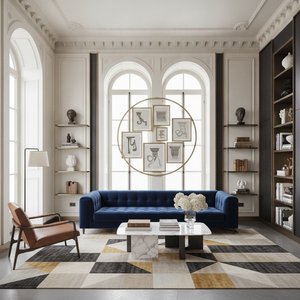
Beyond the Basics: The Power of Academic Classicism Reimagined for Modern Interiors
Discover the enduring power of Academic Classicism reimagined. Explore how technical mastery, light, and form from historical masterpieces can elevate modern interiors through premium, hand-painted oil reproductions and expert art consultation.
The Timeless Elegance of Academic Classicism: A Journey Through Order, Precision, and the Pursuit of Perfection
Explore the profound beauty of Academic Classicism. Discover how masters used order, precision, and classical ideals to achieve timeless perfection in art history, from Neoclassical portraits to the pursuit of ideal beauty.


