- Inicio

- Impresión en lienzo
- Alexandre Benois
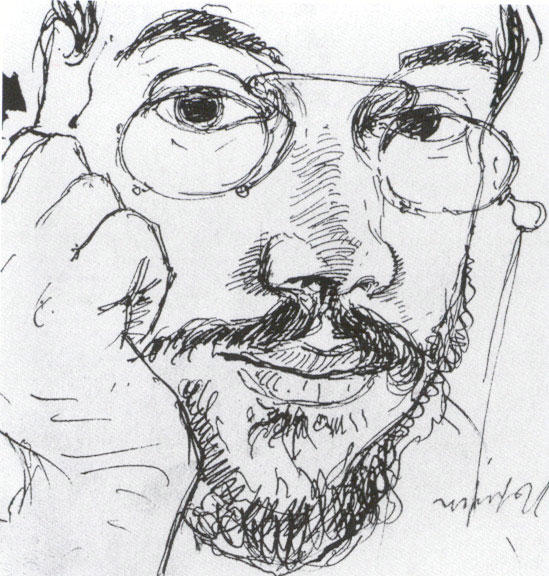
- Self-portrait
 Preview
 Encargar reproducción Comprar imagen en alta resolución
 Enviar
 Compartir
 Detalles
 Añadir a favoritos

 Descargar
 Similares
 Radiografía
 Presentación de diapositivas
Self-portrait


 Ver más
Giclée / Impresión de arte
Impresión giclée o en lienzo de calidad de museo con producción rápida y opciones de acabado flexibles.




































Elija entre nuestros tamaños predefinidos que respetan las proporciones originales de la obra.

Puede introducir sus propias dimensiones para adaptarse a un marco o espacio específico. Si el tamaño seleccionado no coincide con las proporciones de la imagen original, recortaremos la obra de arte o extenderemos la imagen con un borde con efecto espejo o de color sólido. Se enviará una maqueta digital para su aprobación antes de que comience la producción.
Tenga en cuenta que la vista previa en pantalla no refleja el recorte o la extensión real. Solo la maqueta mostrará con precisión la composición final.
Aunque existen tamaños personalizados, recomendamos seleccionar una dimensión de la lista predefinida para preservar las proporciones originales.
Entrega mundial () en 2 semanas en lugar de las 4/5 semanas estándar. (23 julio)

Envío exprés gratuito a todo el mundo

Lienzo de lino de alta calidad

Seguro de envío total

Garantía de reembolso de impuestos aduaneros

Garantía de fidelidad de color

Política de devolución de 60 días (solo por defectos)

Garantía de devolución del 100% del dinero

Descuento por pedido múltiple
 La opción de vidrio solo está disponible en tamaños inferiores a 110 cm.

Self-portrait
Giclée / Impresión de arte
Tamaño de la reproducción
-


Precio total final
-
Biografía del artista
Early Life and Artistic Roots
Alexandre Nikolayevich Benois, born on May 4th, 1870, in the vibrant cultural heart of St. Petersburg, Russia, was immersed from his earliest days in an environment steeped in artistic legacy. His family—the Benoises—represented a significant force within the Russian intelligentsia, a lineage deeply intertwined with architecture, painting, and intellectual discourse. His mother, Camilla (formerly Kavos), carried the influence of her aristocratic background, while his father, Nicholas Benois, was a respected architect known for his elegant designs. Alexandre’s brothers, Albert and Leon, continued this artistic tradition, further enriching the family's creative tapestry. His sister, Maria, married Nikolai Tcherepnin, a prominent composer and conductor—a connection that would later prove invaluable to Benois’s career. Unlike many of his siblings who embraced formal artistic training, Alexandre initially pursued a path in law at Saint Petersburg Imperial University, seemingly destined for a life outside the realm of art. However, fate intervened with a pivotal encounter: while visiting Versailles in 1897, he caught the eye of Sergei Diaghilev and Léon Bakst, two figures who were rapidly reshaping the landscape of Russian art and theatre. This chance meeting ignited a passion that would forever alter the course of his life, leading him away from legal studies and into the world of stage design and artistic innovation.The Founding of Mir Iskusstva and the Ballets Russes
The meeting between Benois, Diaghilev, and Bakst marked the genesis of *Mir iskusstva* (World of Art), a magazine and artistic movement that would become a cornerstone of early 20th-century Russian culture. Rejecting the prevailing academic traditions and the conservative aesthetic of the Peredvizhniki Society, *Mir iskusstva* championed individualism, innovation, and a synthesis of Western European influences with traditional Russian folk art. Benois’s role within this movement was crucial; he served as editor alongside Diaghilev, shaping its intellectual direction and fostering a spirit of experimentation. The magazine quickly gained notoriety for its bold critiques and its promotion of avant-garde artists, attracting a diverse group of creatives—painters, sculptors, architects, writers, and designers—all united by a desire to break free from established norms. This movement represented a radical shift away from the rigid structures of the past, embracing a new era of artistic freedom and exploration.Design Style and Notable Works
Benois’s aesthetic was characterized by a distinctive blend of Neo-Classicism, Art Nouveau elegance, and a deep appreciation for Russian history and folklore. His designs were known for their meticulous detail, refined lines, and evocative use of color and texture. He frequently drew inspiration from historical sources—particularly the late Baroque and Rococo periods—incorporating elements of aristocratic grandeur and courtly ritual into his stage settings. However, he never adhered rigidly to traditional styles; instead, he skillfully manipulated classical motifs to create a sense of both familiarity and novelty. This approach resulted in works that were simultaneously rooted in tradition and strikingly modern. Among his most celebrated works are the elaborate sets and costumes for *Les Sylphides*, which evoked a dreamlike atmosphere of ethereal beauty, and the vibrant, theatrical designs for *Petrushka*, a fantastical ballet celebrating Russian folk traditions. His illustrations for Pushkin’s poem *The Bronze Horseman* (1903) demonstrated his ability to capture both historical accuracy and poetic emotion—a skill that would later be reflected in his work with children's books. The “Alphabet in Pictures,” published in 1904, was a remarkable achievement—a beautifully illustrated primer that combined educational content with artistic sophistication. The illustrations from this volume were even featured during the opening ceremony of the 2014 Winter Olympics in Sochi, underscoring Benois’s enduring legacy as a visionary artist and cultural icon. His work on *The Bronze Horseman* is particularly noteworthy for its masterful blend of historical detail and symbolic representation.Later Years and Legacy
Following the Russian Revolution of 1917, Benois found himself in Paris, where he continued to work as a set designer. He was appointed curator of the gallery of Old Masters in the Hermitage Museum at Leningrad (now St. Petersburg) from 1918 to 1926, securing his brother’s Leonardo da Vinci painting *Madonna* for the museum—a testament to his scholarly pursuits and dedication to preserving Russian cultural heritage. He published his memoirs in two volumes in 1955, offering a fascinating glimpse into his life and artistic journey. Benois's son, Nicola Alexandrovich Benois (Nikolai Benois), followed in his father’s footsteps, becoming a renowned opera designer. His nephew, Nikolai Albertovich Benois, married the celebrated soprano Maria Nikolaevna Kuznetsova. Alexandre Benois died on February 9th, 1960, leaving behind an extraordinary body of work that continues to inspire artists and captivate audiences worldwide. He remains a pivotal figure in the history of ballet design, a champion of artistic innovation, and a testament to the power of collaboration and vision. His influence can still be seen in contemporary stagecraft and visual arts, demonstrating the lasting impact of his creative genius.
Alexandre Benois
1870 - 1960 , Rusia
Datos clave
- Artistic Movement Or Style: Mir Iskusstva, Neo-Clasicismo
- Artists Or Movements Influenced By This Artist: ['Ballets Russes']
- Artists Who Influenced This Artist:
- Serge Diaghilev
- Léon Bakst
- Date Of Birth: 4 de mayo de 1870
- Date Of Death: 9 de febrero de 1960
- Full Name: Alexandre Nikolayevich Benois
- Nationality: Ruso
- Notable Artworks:
- Petrushka
- Les Sylphides
- Giselle
- Place Of Birth: San Petersburgo, Rusia

