

 Vista previa
 Compartir
 Compartir
 Ver detalles
 Guía
Guía

 Descargar
 Ver artículos similares
 Radiografía
 Presentación de diapositivas
 Estadísticas
The Temptation of St Benedict
 Oil On Canvas
- WallArt
- Late Mannerism
 1587
1587 41.0 x 59.0 cm
 Fitzwilliam College
 Leer más
Reproducción al óleo hecha a mano
Óleo sobre lienzo pintado a mano en el tamaño y marco de su elección, realizado por encargo por nuestros artistas. ( Cambiar a formato impreso Ver versión en imagen digital)




P118B $10

P118H $10

P118W $10

P438Z $10

P508JH $12

P508YH $12

P805H $10

P805Z $10

P919BZ $10

P919G $10

P919XJ $10

P959ZH $10

P968JZ $12

W106C $8

W218G $10

W218JH $8

W218Y $10

W307PJ $10

W316G $10

W316PJ $8

W316Y $10

W398PJ $8

W4111J $10

W500HY $15

W500JH $15

W692G $12

W849H $8

W940BG $15

W953PJ $8




Elija entre nuestros tamaños predefinidos que respetan las proporciones originales de la obra.

Puede ingresar sus propias dimensiones para adaptarse a un marco o espacio específico. Si el tamaño seleccionado no coincide con las proporciones de la imagen original, recortaremos la obra o extenderemos la pintura con elementos adicionales pintados a mano. Se le enviará una maqueta digital para su aprobación antes de comenzar la producción.
Tenga en cuenta que la vista previa en pantalla no refleja el recorte o la extensión reales. Solo la maqueta mostrará con precisión la composición final.
Si bien existen tamaños personalizados, recomendamos seleccionar una dimensión de la lista predefinida para preservar las proporciones originales.
Tras realizar el pedido, el equipo de OriginalUniqueArt.com enviará un correo electrónico al cliente para solicitar instrucciones y proporcionarle una vista previa del boceto.
Envío a todo el mundo () en 3-4 semanas en lugar de las 5 semanas estándar. (25 septiembre). Sin comprometer la calidad.

Envío exprés gratuito a todo el mundo

Lienzo de lino de alta calidad

Seguro de envío completo

Garantía de reembolso de impuestos aduaneros

Garantía de fidelidad cromática exacta

Política de devolución de 100 días (solo por defectos)

Garantía de devolución del 100% del dinero

Oferta por volumen
 La opción de vidrio solo está disponible en tamaños inferiores a 110 cm.

The Temptation of St Benedict
Técnica de reproducción
Tamaño de la reproducción
-


Precio total
$ 300
The Temptation of St Benedict: A Florentine Masterpiece
Alessandro Allori’s “The Temptation of St. Benedict,” painted in 1587, is more than just a religious depiction; it's a profound exploration of human vulnerability and the enduring struggle between faith and desire. Housed within the Fitzwilliam Museum in Cambridge, this oil-on-canvas work offers a rare glimpse into the late Mannerist style flourishing in Florence during the mid-16th century – a period characterized by its dramatic contrasts, elongated figures, and an almost sculptural quality that sought to capture both physical form and psychological intensity. The painting immediately draws the viewer in with its muted palette of earthy browns, deep blues, and ochres, creating a sense of somber contemplation against the backdrop of a rugged, windswept landscape reminiscent of the Tuscan hills.
At the heart of the composition lies St. Benedict himself, depicted not as an idealized saint but as a profoundly human figure – prone on the ground before a stark cross. His posture conveys exhaustion and surrender, his face etched with a mixture of anguish and resignation. The scene is populated by several figures: a man standing to the left, seemingly offering temptation; another positioned centrally, perhaps representing worldly distractions; and two individuals on the right, adding layers of complexity to the narrative. A solitary bird circles overhead, a potent symbol of both freedom and potential danger – mirroring the choices presented to St. Benedict.
A Window into Allori’s Mannerist Style
Alessandro Allori was a pivotal figure in the Florentine art scene, deeply influenced by his apprenticeship with Agnolo Bronzino, whose meticulous technique and cool aesthetic shaped much of Allori's own style. However, unlike Bronzino’s polished elegance, Allori’s work often retains a raw emotionality, a sense of urgency that speaks to the turbulent times in which he lived. “The Temptation of St. Benedict” exemplifies this characteristic – it’s not simply a representation of a biblical event but an intimate portrayal of a man wrestling with his inner demons. The elongated figures, characteristic of Mannerism, contribute to the painting's dramatic effect, emphasizing the psychological tension and creating a sense of spatial ambiguity.
Allori’s mastery of technique is evident in the meticulous detail he applies to every element of the composition – from the texture of the rocks beneath St. Benedict’s body to the folds of his garments. The use of *sfumato*, a subtle blurring of lines and edges, creates an atmospheric depth that further enhances the painting's emotional impact. Notably, Allori’s anatomical studies, honed through observation and dissection, are seamlessly integrated into the depiction of the figures, lending them a remarkable sense of realism despite their stylized forms.
Symbolism and Spiritual Depth
Beyond its narrative content, “The Temptation of St. Benedict” is rich in symbolic meaning. The cross represents sacrifice and redemption, while the landscape evokes the challenges and temptations faced by those seeking spiritual enlightenment. The presence of the figures suggests the various obstacles that can impede one’s path to faith – worldly desires, temptation, and self-doubt. The bird circling above St. Benedict is a particularly evocative symbol, representing both the allure of freedom and the potential for deception. It serves as a reminder that even in moments of vulnerability, the choice between good and evil remains firmly within our grasp.
A Timeless Reflection on Human Experience
“The Temptation of St. Benedict” transcends its religious subject matter to offer a timeless reflection on the human condition. It’s a painting that speaks to the universal struggle against temptation, the fragility of faith, and the enduring power of self-reflection. Its dramatic composition, evocative symbolism, and masterful technique combine to create an experience that is both emotionally resonant and intellectually stimulating. Reproductions of this powerful work offer a chance to bring its profound message into any space, serving as a constant reminder of the ongoing journey towards spiritual growth and inner peace.
Biografía del artista
Alessandro Allori: Pintor Manierista Florentino
- Nacido: Florencia, Italia (31 de mayo de 1535)
- Fallecido: 22 de septiembre de 1607
Vida Temprana y Formación
Alessandro Allori nació en Florencia en 1535. Tras la muerte de su padre en 1540, fue criado y formado por Agnolo Bronzino, un renombrado pintor manierista y un amigo cercano de la familia. Esta tutoría moldeó profundamente el estilo artístico de Allori. La influencia de Bronzino es evidente en la preferencia de Allori por formas antinaturales, similares al mármol, y un enfoque en estatuas frías dentro de sus composiciones.
Estilo Artístico e Influencias
El trabajo de Allori a menudo se caracteriza como derivativo, con críticos que notan que parecía inspirarse principalmente en el arte preexistente. Su estilo se marca por la representación pulida de figuras que poseen una calidad antinatural, casi similar al mármol, lo que le da a sus pinturas una apariencia bidimensional y estatuaria. Esta estética se puede observar en sus colaboraciones con Giovanni Maria Butteri y su principal alumno, Giovanni Bizzelli. Otros alumnos notables incluyeron Cristoforo del Altissimo, Cesare Dandini, Aurelio Lomi, John Mosnier, Alessandro Pieroni, Giovanni Battista Vanni y Monanni.
- Características Clave: Formas similares al mármol antinaturales, estatuaria fría, figuras pulidas, calidad bidimensional.
- Influencias: Agnolo Bronzino, movimiento manierista.
Obras Principales y Legado
Las contribuciones artísticas de Alessandro Allori se pueden encontrar en varios museos de todo el mundo, incluido el Gemäldegalerie en Berlín. Un evento notable ocurrió en 2006 cuando una pintura de Allori, posiblemente un retrato de Eleonora (Dianora) di Toledo de' Medici, fue devuelta al Gemäldegalerie por el corresponsal extranjero de la BBC, Sir Charles Wheeler, quien la había recibido en Alemania en 1952.
- Obras Notables: "Alegoría de la Vida Humana", "Historias de San Jerónimo" (fresco), varios retratos.
- Legado: Su hijo, Cristofano Allori, también se convirtió en pintor, continuando la tradición artística familiar.
Significado Histórico
Alessandro Allori ocupa un lugar significativo en la historia del arte florentino como una figura clave dentro de la escuela manierista tardía. Si bien su estilo ha sido criticado por su naturaleza derivativa, jugó un papel importante en la transmisión y el desarrollo de la estética manierista. Su influencia se puede ver en las obras de sus alumnos, y sus pinturas continúan siendo estudiadas y admiradas por los entusiastas del arte en la actualidad. También estuvo involucrado en proyectos decorativos significativos para importantes mecenas como la familia Medici, lo que demuestra su importancia dentro de los círculos artísticos de Florencia.

Alessandro Allori
1535 - 1607 , Italia
Datos clave
- Artistas Influenciados:
- Cristofano Allori
- Alessandro Pieroni
- Artistas Que Influyeron:
- Agnolo Bronzino
- Miguel Ángel
- Fecha De Fallecimiento: 22 de septiembre de 1607
- Fecha De Nacimiento: 31 de mayo de 1535
- Lugar De Nacimiento: Florencia, Italia
- Movimiento Artístico: Manierismo tardío
- Nacionalidad: Italiana
- Nombre Completo: Alessandro Allori
- Obras Notables:
- Alegoría de la vida humana
- Historias de San Jerónimo
Artículos relacionados

El Crepúsculo del Clasicismo Renacentista: Un Estudio del Estilo y la Afectación en el Manierismo
Descubre el Manierismo: un análisis profundo de este fascinante estilo artístico del Renacimiento tardío. Explora sus características, artistas clave y legado con OriginalUniqueArt.
Beyond Perfection: The Dramatic Elegance and Intellectual Tension of Renaissance Mannerism
Explore the captivating world of Renaissance Mannerism. Discover how artists moved beyond High Renaissance harmony into a realm of elegant distortion, psychological tension, and dramatic beauty that bridged the gap to the Baroque era.

Northern Mannerism: The Dramatic Evolution of European Art through Elegant Distortion and Tension
Explore the dramatic evolution of Northern Mannerism. Discover how 16th-century artists moved from Renaissance harmony to elegant distortion, tension, and complex symbolism in European art history.
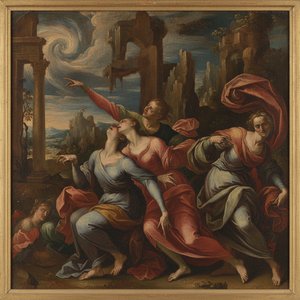
Drama & Distortion: A Journey Through the Captivating World of Baroque Mannerism
Explore the dramatic tension of Mannerism and the opulent grandeur of Baroque art. Discover how masters used light, shadow, and distortion to redefine European history through a captivating journey of emotional intensity and spiritual fervor.

El Greco: Las 25 Obras Maestras que Definen un Genio del Arte y la Fe
Descubre las 25 obras maestras de El Greco, el genio del Renacimiento español. Explora su arte religioso, manierismo y la historia detrás de cuadros icónicos como 'El Entierro del Conde de Orgaz'. Encuentra reproducciones de alta calidad en OriginalUniqueArt.com.


