
 Vista previa
 Compartir
 Compartir
 Ver detalles

 Descargar
 Ver similares
 Radiografía
 Presentación de diapositivas
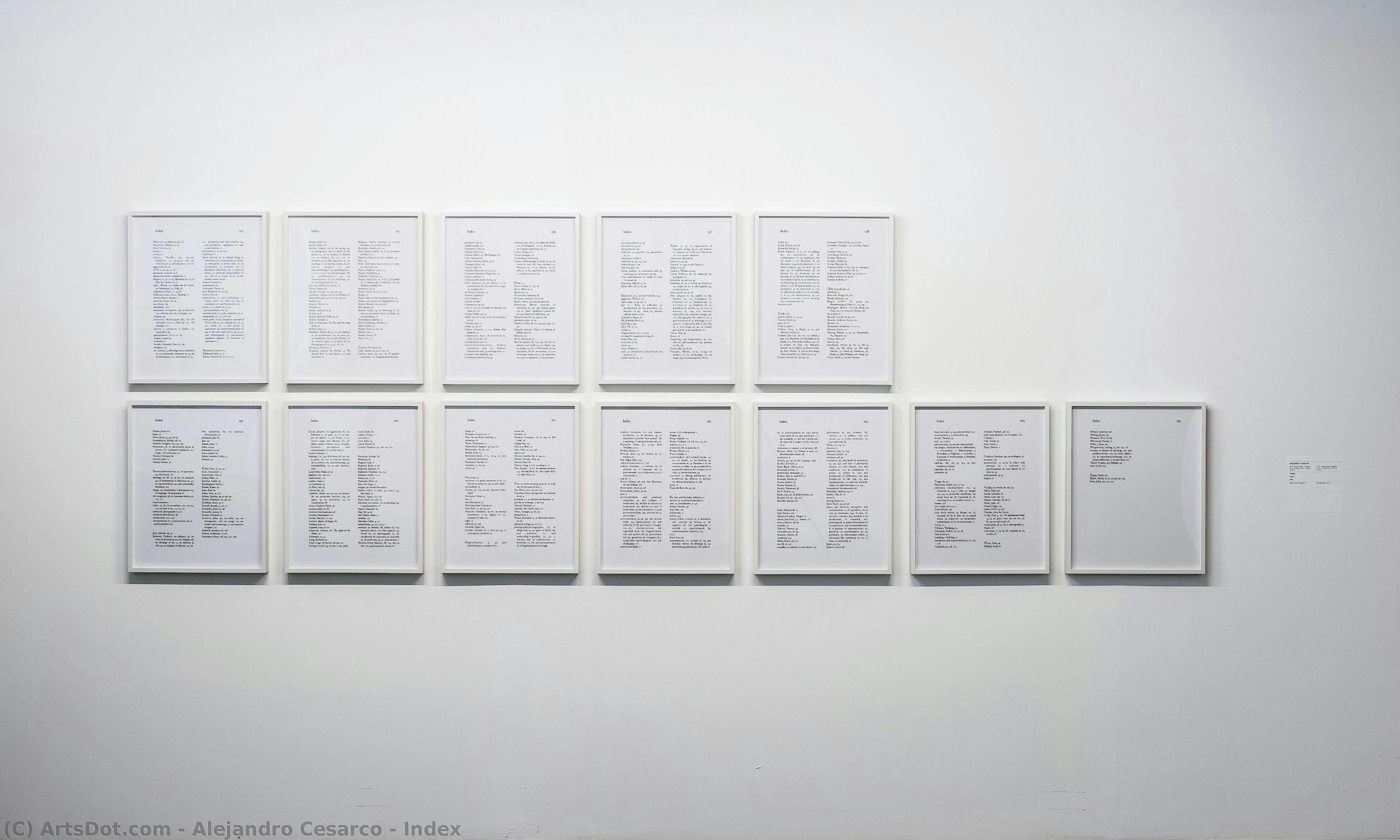
Index
 2000
2000 50.0 x 40.0 cm
 Leer más
Adquiera una imagen digital de alta resolución y optimizada, muy superior a la vista previa en línea.
Cada archivo es preparado meticulosamente por nuestros especialistas internos mediante el uso de herramientas avanzadas y un experto retoque manual. Nos aseguramos de que cada imagen posea una claridad excepcional, una precisión cromática impecable y un detalle minucioso.
El archivo final se entrega por correo electrónico en un plazo de 72 horas, optimizado para su uso inmediato en entornos profesionales, editoriales y de impresión. Esta es la misma calidad en la que confían los estudios de diseño, las editoriales y las galerías de primer nivel.
Imagen Digital
Descarga un archivo de alta resolución para exhibición personal, impresión y proyectos creativos. ( Pedir impresión Encargar reproducción pintada a mano)
Incluido en cada compra de imágenes digitales
Entrega digital experta, garantizada.
Al elegir OriginalUniqueArt.com, no solo está adquiriendo una imagen; está recibiendo una obra de arte digital mejorada profesionalmente, elaborada con precisión y respaldada por una garantía de satisfacción. Esto es todo lo que incluye su pedido, automáticamente:

Entrega rápida por email
Recibirá su archivo de imagen digital en alta resolución por correo electrónico en un plazo de 72 horas tras realizar su pedido, listo para su uso inmediato.

Archivo digital optimizado por IA
Su obra de arte se optimiza profesionalmente mediante herramientas avanzadas de IA y edición manual, garantizando el máximo detalle, claridad y precisión cromática.

Reenvío gratuito de por vida
¿Has borrado o perdido tu archivo por error? No te preocupes: te lo volveremos a enviar en cualquier momento, sin coste adicional.

Sin gastos de importación, siempre
Disfrute de su obra de arte al instante sin aduanas, aranceles ni gastos de envío; las descargas digitales siempre están libres de impuestos.

Garantía de precisión de color
Garantizamos que su imagen digital refleje los colores originales con la mayor fidelidad posible, mediante el uso de herramientas profesionales y gestión del color.

Garantía de satisfacción de 60 días
Si no está satisfecho con su imagen digital, la revisaremos o le reembolsaremos el 100% en un plazo de 60 días, sin preguntas.

100% Garantía de devolución de dinero
¿No está satisfecho? Obtenga un reembolso completo dentro de los 60 días posteriores a la recepción de su archivo digital, sin necesidad de explicaciones.

Descuentos por volumen
Compra 3 imágenes, ahorra 10% - Compra 5, ahorra 15% - Compra 10+, ahorra 20%. Ideal para proyectos creativos, galerías y agencias.
Biografía del artista
Alejandro Cesarco: Architect of Language
Born in Montevideo, Uruguay, in 1975, Alejandro Cesarco’s artistic journey is a profound exploration of the elusive nature of language and memory. His work isn't simply about depicting images; it’s an intricate construction designed to unravel the very mechanisms by which we perceive and understand reality. From his early beginnings, Cesarco has been driven by a fascination with the gaps between words, the silences that shape meaning, and the subjective experience of narrative.
Cesarco's artistic development is deeply rooted in the intellectual currents of Uruguay – a nation grappling with its own complex history of dictatorship, exile, and social upheaval. This context profoundly informs his work, which often engages with themes of political repression, personal trauma, and the difficulty of representing subjective truth. Early influences include the works of Jorge Luis Borges, whose labyrinthine narratives and explorations of identity resonate strongly within Cesarco’s practice. The fragmented nature of Borges' stories—a deliberate disruption of linear time and perspective—mirrors a key element in Cesarco’s own approach to art.
Conceptual Narratives: Text as Medium
What distinguishes Cesarco’s work is his masterful manipulation of text. He doesn’t merely incorporate words into images; he treats language itself as the primary subject matter. His pieces frequently present seemingly random phrases, excerpts from literature, or fragments of conversations arranged in unconventional ways – often layered over photographic imagery or projected onto architectural spaces. These arrangements aren't intended to convey a straightforward message but rather to create a sense of disorientation and invite viewers to actively participate in constructing their own interpretations.
- His installations, such as “The Book of the Dead” (2013), are particularly compelling examples. These large-scale works feature meticulously arranged stacks of books, each containing handwritten notes and fragments of text, creating a dense, almost overwhelming visual field that suggests the vastness of human memory and experience.
- Cesarco’s use of photography is equally significant. He often employs staged photographs—sometimes unsettlingly surreal—that serve as anchors for his textual interventions, adding layers of ambiguity and prompting viewers to question the relationship between image and language.
Global Exhibitions and Critical Acclaim
Since establishing himself in New York City, Cesarco has rapidly gained international recognition. His work has been featured in numerous solo and group exhibitions at prestigious institutions around the world, including the Museum of Modern Art (MoMA) in New York, the Centre Pompidou in Paris, and the Tate Modern in London. These exhibitions have consistently garnered critical acclaim for their intellectual rigor, conceptual depth, and innovative use of materials.
- In 2013, he was awarded the Prix du Chevalier Blanc at the Palais de Tokyo in Paris, a prestigious prize recognizing artists who demonstrate exceptional creativity and originality.
- His work has been featured in major art publications such as Artforum, The New York Times, and Frieze Magazine, solidifying his position as one of the most important contemporary artists working with language and text.
The Architecture of Memory
Ultimately, Alejandro Cesarco’s work is an exploration of how we construct our own realities through the act of remembering. He suggests that memory isn't a fixed archive but rather a fluid, subjective process shaped by language, narrative, and personal experience. His art challenges us to confront the limitations of representation and embrace the inherent ambiguity of human perception. By meticulously arranging words and images, Cesarco creates immersive environments that invite viewers to contemplate the complex relationship between thought, language, and the elusive nature of truth – a testament to his profound understanding of the human condition.
His current work continues to push boundaries, exploring themes of surveillance, digital identity, and the increasingly blurred lines between reality and simulation. Cesarco’s legacy is already secure as a vital voice in contemporary art, one who has redefined the possibilities of visual language and invited us to reconsider the very foundations of our understanding.

alejandro cesarco
1975 - , Uruguay
Datos clave
- Artistic Movement Or Style: Conceptual Art
- Date Of Birth: 1975
- Full Name: Alejandro Cesarco
- Nationality: Uruguayan
- Place Of Birth: Montevideo, Uruguay

