

 Vista previa
 Compartir
 Compartir
 Ver detalles
 Guía
Guía

 Descargar
 Ver artículos similares
 Radiografía
 Presentación de diapositivas
 Estadísticas
Self-Portrait
 Acrílico sobre lienzo
- Arte de pared
- Renaissance Realism
 1521
1521 127.0 x 117.0 cm
 Kunsthalle
 Leer más
Giclée / Impresión de arte
Impresiones giclée o en lienzo de calidad de museo con producción rápida y opciones de acabado flexibles. ( Encargar reproducción pintada a mano Ver versión en imagen digital)




P118B €10

P118H €10

P118W €10

P438Z €10

P508JH €12

P508YH €12

P805H €10

P805Z €10

P919BZ €10

P919G €10

P919XJ €10

P959ZH €10

P968JZ €12

W106C €8

W218G €10

W218JH €8

W218Y €10

W307PJ €10

W316G €10

W316PJ €8

W316Y €10

W398PJ €8

W4111J €10

W500HY €15

W500JH €15

W692G €12

W849H €8

W940BG €15

W953PJ €8




Elija entre nuestros tamaños predefinidos que respetan las proporciones originales de la obra.

Introduzca el ancho y el alto que necesite para adaptarse a su marco o pared. Una impresión solo puede recortarse, nunca hacerse más grande que la imagen original, por lo que un tamaño con una forma distinta perderá parte de la obra. Le enviaremos una maqueta digital para su aprobación antes de realizar cualquier impresión. La imagen que se muestra en esta página no refleja el recorte real; solo la maqueta lo hace.
Envío a todo el mundo () en 2 semanas en lugar de las 4/5 semanas estándar. (24 octubre)

Envío exprés gratuito a todo el mundo

Lienzo de lino de alta calidad

Seguro de envío completo

Garantía de reembolso de impuestos aduaneros

Garantía de fidelidad cromática exacta

Política de devolución de 100 días (solo por defectos)

Garantía de devolución del 100% del dinero

Oferta por volumen
 La opción de vidrio solo está disponible en tamaños inferiores a 110 cm.

Self-Portrait
Giclée / Impresión de arte
Tamaño de la reproducción
-


Precio total
€ 70
A Window into Renaissance Genius: Albrecht Dürer’s Self-Portrait
Albrecht Dürer, a name etched in the annals of art history, stands as arguably the most influential artist of the German Renaissance. Born in Nuremberg in 1471, his life was a testament to unwavering dedication and artistic innovation—a journey that culminated in the creation of one of the most enduring images of introspection and mastery: *Self-Portrait at 22*. Currently residing within the Kunsthalle Bremen’s collection, this drawing transcends mere representation; it embodies the very spirit of humanist inquiry and artistic ambition characteristic of its era.- Subject Matter & Composition: The portrait depicts Dürer in a strikingly candid pose—naked except for a gold ring adorning his finger—a deliberate choice that speaks volumes about Renaissance ideals concerning human dignity and anatomical accuracy. He holds what scholars believe to be an apple or fruit, subtly referencing biblical symbolism and highlighting the artist’s awareness of cultural narratives.
- Style & Technique: Dürer's approach aligns perfectly with the prevailing stylistic trends of his time—a fervent embrace of classical principles combined with meticulous observation of nature. The drawing is executed with unparalleled precision using graphite and chalk, demonstrating a mastery of shading techniques that create an illusion of three-dimensionality. Notice the subtle gradations of tone capturing the contours of Dürer’s face, hair, and torso.
- Historical Context: Created in 1548, *Self-Portrait at 22* reflects the intellectual fervor of the Reformation and the burgeoning humanist movement. Artists like Dürer sought to elevate human experience through art—to portray individuals with psychological depth and anatomical realism—a radical departure from medieval conventions.
- Symbolism & Significance: The inclusion of the apple is particularly noteworthy, referencing Adam and Eve’s expulsion from Paradise – a poignant reminder of mortality and the pursuit of spiritual enlightenment. Furthermore, Dürer's gaze directly confronts the viewer, establishing an intimate connection between artist and audience—a hallmark of Renaissance portraiture intended to convey both physical beauty and inner character.
- Legacy & Reproduction: Today’s reproductions capture the essence of Dürer’s genius, allowing admirers worldwide to experience the profound impact of this seminal artwork. OriginalUniqueArt offers exceptional quality prints that faithfully recreate the drawing's nuanced textures and tonal range—bringing a piece of Renaissance history into your home or studio.
Exploring Dürer’s Innovative Drawing Method
Dürer’s technique wasn’t merely skillful; it was revolutionary for its time. He meticulously studied human anatomy, dissecting cadavers to gain a deeper understanding of musculature and bone structure—a practice considered unorthodox by many contemporaries. This anatomical knowledge informed his drawing process, resulting in depictions that are remarkably accurate and expressive. The artist employed hatching and cross-hatching techniques with astonishing subtlety, creating textures that mimic the appearance of skin and muscle tissue. Consider how these lines convey not only form but also light and shadow—elements crucial to achieving a convincing illusion of reality.A Reflection of Renaissance Humanism
The Kunsthalle Bremen’s careful preservation ensures that future generations can appreciate *Self-Portrait at 22* alongside the masterpieces of Raphael, Leonardo da Vinci, and Michelangelo. This artwork embodies the humanist spirit—a belief in human potential and a fascination with the natural world—values that underpinned the Renaissance's artistic achievements. Dürer’s self-portrait serves as an enduring reminder of the transformative power of art to illuminate both the physical form and the inner soul.Preguntas y respuestas
¿Dónde puedo comprar una imagen digital de "Self-Portrait" de Albrecht Dürer?
Puede adquirir una imagen digital de "Self-Portrait" de Albrecht Dürer en su página de Imagen Digital: descarga de una imagen digital en alta resolución.
¿Permaneció "Self-Portrait" en el país de origen de su artista?
No; la obra se encuentra en el extranjero. El país de nacimiento de Albrecht Dürer es Italy, y el museo que alberga el original de "Self-Portrait" se encuentra en Alemania.
¿Para qué estancia se recomienda "Self-Portrait" de Albrecht Dürer, teniendo en cuenta sus colores?
Con su paleta de Monocromático, "Self-Portrait" de Albrecht Dürer es ideal para una Salón principal. Sus colores son parte de la razón de esta sugerencia.
Biografía del artista
Albrecht Dürer: Vida y Legado
Primeros Años y Formación
Albrecht Dürer, una figura imponente del Renacimiento alemán, nació el 21 de mayo de 1471 en Núremberg, Alemania. Su padre, Albrecht Dürer el Viejo, era un exitoso joyero, y fue dentro de este ambiente artístico donde la inclinación de joven Albrecht hacia el arte comenzó a florecer. A los trece años, comenzó su aprendizaje con Michael Wolgemut, un destacado artista en Núremberg, adquiriendo habilidades fundamentales en pintura, dibujo y técnicas de grabado. Un autorretrato creado en 1484, que se exhibe en la Albertina de Viena, proporciona evidencia notable de su talento precoz.
Ascenso a la Prominencia y Desarrollo Artístico
Para sus veinte años, Dürer se había establecido como un maestro grabador, logrando reconocimiento en toda Europa. Emprendió viajes a Italia, donde conoció las obras de maestros del Renacimiento como Rafael, Giovanni Bellini y Leonardo da Vinci. Estas interacciones influyeron profundamente en su estilo artístico, llevándolo a integrar motivos y técnicas clásicas en su estética europea del norte.
Obras Clave y Estilo Artístico
El *oeuvre* de Dürer abarca una amplia gama de medios, incluyendo pinturas, grabados, grabados en madera y escritos teóricos. Algunas de sus obras más celebradas incluyen:
- La Serie del Apocalipsis (1498): Una colección de catorce grabados que ilustran el Libro Revelación, mostrando la habilidad de Dürer en este medio a pesar de sus elementos estilísticos góticos.
- Melancolía I (1514): Tal vez su grabado más enigmático, Melancolía I continúa siendo objeto de un intenso análisis y interpretación por parte de los estudiosos.
- San Jerónimo en su Estudio (1514): Un magistral grabado que demuestra el excepcional dominio de Dürer de la perspectiva, el detalle y la representación simbólica.
El estilo de Dürer se caracteriza por el realismo meticuloso, el dibujo preciso y una profunda comprensión de la anatomía y la perspectiva. También fue pionero en el uso del color aguafuerte como medio independiente.
Contribuciones Teóricas
Más allá de su práctica artística, Dürer hizo contribuciones significativas a la teoría del arte. Escribió varios tratados sobre geometría, proporción y anatomía humana, incluyendo Cuatro Libros de Proporción Humana (1528). Estos escritos demuestran su creencia en las bases matemáticas del arte y su compromiso con establecer un enfoque científico para la creación artística.
Legado e Importancia Histórica
El impacto de Albrecht Dürer en el mundo del arte es innegable. Puenteó la brecha entre las tradiciones europeas del norte y los ideales del Renacimiento italiano, introduciendo motivos clásicos en el arte del norte mientras mantenía su carácter distintivo. Sus tratados teóricos ayudaron a elevar el estatus de los artistas y establecieron un nuevo marco intelectual para la práctica artística. Sigue siendo una figura fundamental en la historia del arte, inspirando a generaciones de artistas con sus habilidades técnicas, espíritu innovador y visión profunda.
Influencias
- Michael Wolgemut
- Leonardo da Vinci
- Rafael
- Giovanni Bellini
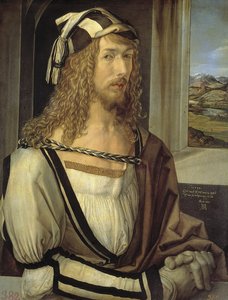
Albrecht Dürer
1471 - 1528 , Italy
Datos clave
- Artistas Que Influyeron:
- Michael Wolgemut
- Rafael
- Giovanni Bellini
- Leonardo da Vinci
- Fecha De Muerte: 1528
- Fecha De Nacimiento: 21 de mayo de 1471
- Lugar De Nacimiento: Núremberg, Italia
- Movimiento Artístico: Renacimiento alemán
- Nacionalidad: Alemán
- Nombre Completo: Albrecht Dürer
- Obras Notables:
- Serie del Apocalipsis
- Melancolía I
- San Jerónimo en su Estudio
Artículos relacionados
The Nuances of Graphite: Exploring Emotional Depth & Technical Mastery in Pencil Drawing
Explore the captivating world of graphite drawing! Discover its rich history, master essential techniques like chiaroscuro, and learn how artists evoke emotion through this timeless medium. Expert insights for art enthusiasts.
Albrecht Dürer: Las 25 Obras Maestras del Renacimiento Alemán | OriginalUniqueArt
Descubre las 25 obras maestras de Albrecht Dürer, el genio del Renacimiento alemán. Explora grabados icónicos como 'Melancolía I' y aprende sobre su técnica innovadora. Encuentra reproducciones de arte de alta calidad para decorar tu hogar en OriginalUniqueArt.com.

Albrecht Dürer: A Renaissance Master's Legacy of Innovation and Self-Portraiture
Explore the life & art of Albrecht Dürer, a pivotal German Renaissance master. Discover his groundbreaking printmaking techniques, iconic self-portraits, and lasting influence on Western art history. A deep dive into innovation & symbolism.
The Power of Graphite: Mastering Depth, Texture, and Detail in the Art of Pencil Drawing
Explore the profound artistry of graphite drawing. Discover professional techniques for mastering depth, texture, and detail through a lens of art history, from classical sketches to modern masterpieces. Elevate your understanding of the pencil medium with our expert guide.
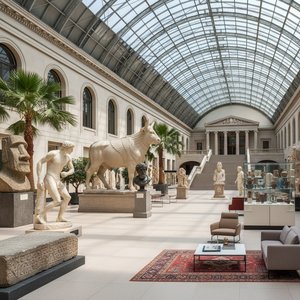
Los 25 Tesoros del Museo Británico: Arte, Historia y Decoración Excepcional
Descubre los 25 tesoros del Museo Británico: desde la Piedra Rosetta hasta obras de Rembrandt y Van Gogh. Explora su historia, técnica y significado. Reproducciones de arte exclusivas en OriginalUniqueArt.com para decorar tu hogar con elegancia.


