

 Vista previa
 Compartir
 Compartir
 Ver detalles
 Guía
Guía

 Descargar
 Ver artículos similares
 Radiografía
 Presentación de diapositivas
 Estadísticas
Retablo Paumgartner
 Óleo sobre tabla
- Northern Renaissance
 1503
1503 155.0 x 126.0 cm
 Pinacoteca Antigua de Múnich
 Leer más
Giclée / Impresión de arte
Impresiones giclée o en lienzo de calidad de museo con producción rápida y opciones de acabado flexibles. ( Encargar reproducción pintada a mano Ver versión en imagen digital)




P118B €10

P118H €10

P118W €10

P438Z €10

P508JH €12

P508YH €12

P805H €10

P805Z €10

P919BZ €10

P919G €10

P919XJ €10

P959ZH €10

P968JZ €12

W106C €8

W218G €10

W218JH €8

W218Y €10

W307PJ €10

W316G €10

W316PJ €8

W316Y €10

W398PJ €8

W4111J €10

W500HY €15

W500JH €15

W692G €12

W849H €8

W940BG €15

W953PJ €8




Elija entre nuestros tamaños predefinidos que respetan las proporciones originales de la obra.

Introduzca el ancho y el alto que necesite para adaptarse a su marco o pared. Una impresión solo puede recortarse, nunca hacerse más grande que la imagen original, por lo que un tamaño con una forma distinta perderá parte de la obra. Le enviaremos una maqueta digital para su aprobación antes de realizar cualquier impresión. La imagen que se muestra en esta página no refleja el recorte real; solo la maqueta lo hace.
Envío a todo el mundo () en 2 semanas en lugar de las 4/5 semanas estándar. (25 octubre)

Envío exprés gratuito a todo el mundo

Lienzo de lino de alta calidad

Seguro de envío completo

Garantía de reembolso de impuestos aduaneros

Garantía de fidelidad cromática exacta

Política de devolución de 100 días (solo por defectos)

Garantía de devolución del 100% del dinero

Oferta por volumen
 La opción de vidrio solo está disponible en tamaños inferiores a 110 cm.

Retablo Paumgartner
Giclée / Impresión de arte
Tamaño de la reproducción
-


Precio total
€ 70
Paumgartner Altar: A Renaissance Vision of Faith
The Paumgartner Altarpiece, created around 1500 by Albrecht Dürer in Nuremberg, stands as an exceptional testament to the artistic fervor and spiritual contemplation characteristic of the German Renaissance. Commissioned by Stephan and Lukas Paumgartner for St Catherine’s Church, this monumental triptych transcends mere decoration; it embodies a profound exploration of Christian iconography and humanist ideals—a reflection of its patrons' aspirations for piety and prestige.- Subject Matter: The central panel depicts the Nativity scene with meticulous detail, portraying Mary cradling Jesus amidst an architectural ruin evocative of Jerusalem’s Old City walls. Surrounding this focal point are depictions of Saint George slaying the dragon—a symbol of Christian virtue battling evil—and Saint Eustace, mounted on horseback and wielding a lance, representing courage and divine protection.
- Style & Technique: Dürer's masterful use of oil paint combined with meticulous etching creates an astonishingly vibrant palette and textural richness. The artist’s innovative approach to portraying facial expressions – notably the donor portraits of Stephan and Lukas Paumgartner – marks a pivotal moment in Renaissance portraiture, demonstrating a groundbreaking fusion of artistic skill and humanist observation.
- Historical Context: Produced during Stephan Paumgartner's pilgrimage to Jerusalem, the altarpiece reflects the burgeoning interest in biblical scholarship and the desire to express faith through visual grandeur. It aligns with broader trends in Northern Renaissance art—characterized by a revival of classical ideals alongside devout religious devotion—establishing itself as an emblem of Nuremberg’s cultural identity.
- Symbolism: The architectural ruin symbolizes the fallen glory of Jerusalem, highlighting the divine triumph over earthly darkness. Saint George and Eustace embody chivalric virtues – courage, piety, and defense of Christendom – serving as aspirational figures for their patrons and viewers alike. The inclusion of the Paumgartner family’s coats of arms underscores the importance of familial lineage and civic pride within Renaissance society.
- Emotional Impact: Viewing the Paumgartner Altarpiece inspires contemplation on themes of faith, courage, and divine grace. Dürer's masterful composition draws the eye towards the luminous Nativity scene, conveying a sense of serenity and spiritual reverence—a legacy that continues to resonate with audiences today.
Detailed Examination: Composition & Color Palette
Dürer’s compositional brilliance is immediately apparent in the arrangement of figures within each wing panel. The central Nativity scene utilizes a pyramidal structure, directing the viewer's gaze towards Mary and Jesus—the core of Christian belief. Furthermore, Dürer skillfully employs atmospheric perspective to create depth and realism, enhancing the visual impact of the ruined Jerusalem backdrop. The color palette is equally striking: rich reds dominate Saint George’s wing panel, symbolizing passion and martyrdom, while blues convey serenity and divine majesty in Saint Eustace's depiction. These hues are carefully balanced to evoke a profound emotional response—a testament to Dürer’s artistic prowess.Legacy & Reproduction
The Paumgartner Altarpiece remains an enduring masterpiece of Northern Renaissance art, influencing generations of artists and inspiring admiration for its technical innovation and expressive power. Today, high-quality reproductions offer a captivating opportunity to experience Dürer’s vision firsthand—allowing enthusiasts to appreciate the grandeur and subtlety of this iconic artwork within their own homes. Explore stunning prints and canvases at OriginalUniqueArt.com – where you can bring Renaissance beauty into your space!Preguntas y respuestas
¿Qué estado de ánimo y emoción se entrelazan en "Retablo Paumgartner"?
"Retablo Paumgartner" de Albrecht Dürer transmite una sensación Serenidad dentro de un ambiente general Elegante.
¿Qué espacio se sugiere para "Retablo Paumgartner" de Albrecht Dürer?
El espacio recomendado para "Retablo Paumgartner" de Albrecht Dürer es un Salón principal. Por supuesto, esta sugerencia puede adaptarse a su interiorismo.
¿Qué museo alberga la obra original "Retablo Paumgartner"?
Puede ver la obra original "Retablo Paumgartner" en el Pinacoteca Antigua de Múnich, Múnich, Alemania.
Biografía del artista
Albrecht Dürer: Vida y Legado
Primeros Años y Formación
Albrecht Dürer, una figura imponente del Renacimiento alemán, nació el 21 de mayo de 1471 en Núremberg, Alemania. Su padre, Albrecht Dürer el Viejo, era un exitoso joyero, y fue dentro de este ambiente artístico donde la inclinación de joven Albrecht hacia el arte comenzó a florecer. A los trece años, comenzó su aprendizaje con Michael Wolgemut, un destacado artista en Núremberg, adquiriendo habilidades fundamentales en pintura, dibujo y técnicas de grabado. Un autorretrato creado en 1484, que se exhibe en la Albertina de Viena, proporciona evidencia notable de su talento precoz.
Ascenso a la Prominencia y Desarrollo Artístico
Para sus veinte años, Dürer se había establecido como un maestro grabador, logrando reconocimiento en toda Europa. Emprendió viajes a Italia, donde conoció las obras de maestros del Renacimiento como Rafael, Giovanni Bellini y Leonardo da Vinci. Estas interacciones influyeron profundamente en su estilo artístico, llevándolo a integrar motivos y técnicas clásicas en su estética europea del norte.
Obras Clave y Estilo Artístico
El *oeuvre* de Dürer abarca una amplia gama de medios, incluyendo pinturas, grabados, grabados en madera y escritos teóricos. Algunas de sus obras más celebradas incluyen:
- La Serie del Apocalipsis (1498): Una colección de catorce grabados que ilustran el Libro Revelación, mostrando la habilidad de Dürer en este medio a pesar de sus elementos estilísticos góticos.
- Melancolía I (1514): Tal vez su grabado más enigmático, Melancolía I continúa siendo objeto de un intenso análisis y interpretación por parte de los estudiosos.
- San Jerónimo en su Estudio (1514): Un magistral grabado que demuestra el excepcional dominio de Dürer de la perspectiva, el detalle y la representación simbólica.
El estilo de Dürer se caracteriza por el realismo meticuloso, el dibujo preciso y una profunda comprensión de la anatomía y la perspectiva. También fue pionero en el uso del color aguafuerte como medio independiente.
Contribuciones Teóricas
Más allá de su práctica artística, Dürer hizo contribuciones significativas a la teoría del arte. Escribió varios tratados sobre geometría, proporción y anatomía humana, incluyendo Cuatro Libros de Proporción Humana (1528). Estos escritos demuestran su creencia en las bases matemáticas del arte y su compromiso con establecer un enfoque científico para la creación artística.
Legado e Importancia Histórica
El impacto de Albrecht Dürer en el mundo del arte es innegable. Puenteó la brecha entre las tradiciones europeas del norte y los ideales del Renacimiento italiano, introduciendo motivos clásicos en el arte del norte mientras mantenía su carácter distintivo. Sus tratados teóricos ayudaron a elevar el estatus de los artistas y establecieron un nuevo marco intelectual para la práctica artística. Sigue siendo una figura fundamental en la historia del arte, inspirando a generaciones de artistas con sus habilidades técnicas, espíritu innovador y visión profunda.
Influencias
- Michael Wolgemut
- Leonardo da Vinci
- Rafael
- Giovanni Bellini
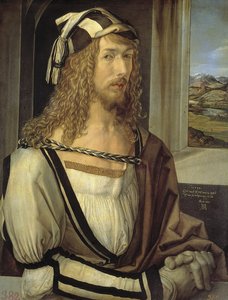
Albrecht Dürer
1471 - 1528 , Italy
Datos clave
- Artistas Que Influyeron:
- Michael Wolgemut
- Rafael
- Giovanni Bellini
- Leonardo da Vinci
- Fecha De Muerte: 1528
- Fecha De Nacimiento: 21 de mayo de 1471
- Lugar De Nacimiento: Núremberg, Italia
- Movimiento Artístico: Renacimiento alemán
- Nacionalidad: Alemán
- Nombre Completo: Albrecht Dürer
- Obras Notables:
- Serie del Apocalipsis
- Melancolía I
- San Jerónimo en su Estudio
Artículos relacionados
Los 25 Tesoros del Museo Británico: Arte, Historia y Decoración Excepcional
Descubre los 25 tesoros del Museo Británico: desde la Piedra Rosetta hasta obras de Rembrandt y Van Gogh. Explora su historia, técnica y significado. Reproducciones de arte exclusivas en OriginalUniqueArt.com para decorar tu hogar con elegancia.
Albrecht Dürer: Las 25 Obras Maestras del Renacimiento Alemán | OriginalUniqueArt
Descubre las 25 obras maestras de Albrecht Dürer, el genio del Renacimiento alemán. Explora grabados icónicos como 'Melancolía I' y aprende sobre su técnica innovadora. Encuentra reproducciones de arte de alta calidad para decorar tu hogar en OriginalUniqueArt.com.
The Northern Awakening: Artistic Innovation & Cultural Transformation in the German Renaissance
Explore the artistic innovation of the German Renaissance! Discover Dürer, the Danube School & Reformation art. Learn about techniques, materials & lasting influence. Find museum-quality reproductions at OriginalUniqueArt.

Giclée Prints: Archival Quality & Aesthetic Nuances for the Discerning Collector
Explore the world of giclée prints with OriginalUniqueArt. Learn about archival quality, aesthetic nuances & investment potential. Expert guidance for discerning art collectors seeking museum-quality reproductions and lasting value.

The Enduring Legacy of Fine Art Prints: Technique, History & Aesthetic Impact
Explore the rich history & techniques of fine art prints. Discover investment potential, assess authenticity, and learn how to preserve your collection with expert guidance. Trusted insights for discerning collectors.


