

 Ver en contexto
 Enviar
 Compartir
 Detalles

 Descargar
 Similares
 Radiografía
 Presentación de diapositivas
Flores Silvestres -

 Ver más
Giclée / Impresión de arte
Impresiones giclée o en lienzo de calidad de museo con producción rápida y opciones de acabado flexibles. ( Comprar pintura hecha a mano Comprar imagen)




P118B $10

P118H $10

P118W $10

P438Z $10

P508JH $12

P508YH $12

P805H $10

P805Z $10

P919BZ $10

P919G $10

P919XJ $10

P959ZH $10

P968JZ $12

W106C $8

W218G $10

W218JH $8

W218Y $10

W307PJ $10

W316G $10

W316PJ $8

W316Y $10

W398PJ $8

W4111J $10

W500HY $15

W500JH $15

W692G $12

W849H $8

W940BG $15

W953PJ $8




Elija entre nuestros tamaños predefinidos que respetan las proporciones originales de la obra.

Puede introducir sus propias dimensiones para adaptarse a un marco o espacio específico. Si el tamaño seleccionado no coincide con las proporciones de la imagen original, recortaremos la obra de arte o extenderemos la imagen con un borde con efecto espejo o de color sólido. Se enviará una maqueta digital para su aprobación antes de que comience la producción.
Tenga en cuenta que la vista previa en pantalla no refleja el recorte o la extensión real. Solo la maqueta mostrará con precisión la composición final.
Aunque existen tamaños personalizados, recomendamos seleccionar una dimensión de la lista predefinida para preservar las proporciones originales.
Envío a todo el mundo () en 2 semanas en lugar de las 4/5 semanas estándar. (30 agosto)

Envío exprés gratuito a todo el mundo

Lienzo de lino de alta calidad

Seguro de envío total

Garantía de reembolso de impuestos aduaneros

Garantía de fidelidad cromática exacta

Política de devolución de 60 días (solo por defectos)

Garantía de devolución del 100% del dinero

Descuento por cantidad
 La opción de vidrio solo está disponible en tamaños inferiores a 110 cm.

Flores Silvestres -
Giclée / Impresión de arte
Dimensiones de la reproducción
-


Precio total final
$ 80
A Symphony of Color and Detail: Exploring Albrecht Dürer’s ‘Wild Flowers’
The painting “Wild Flowers,” attributed to Albrecht Dürer, stands as a testament to the meticulous observation and artistic prowess characteristic of the German Renaissance. Executed sometime between 1506 and 1517—a period marked by profound intellectual and artistic ferment—this still life transcends mere representation; it embodies a deeply considered meditation on beauty and nature’s ephemeral splendor. The artwork's enduring appeal lies not only in its exquisite visual qualities but also in its ability to convey a complex tapestry of ideas rooted in humanist philosophy and symbolic tradition.Subject Matter and Composition
Dürer’s focus is unwavering: a profusion of wildflowers arranged with deliberate care upon a muted beige surface. The artist eschews grand narratives or allegorical figures, opting instead for the quiet dignity of botanical study. Each flower—roses, lilies, poppies, daisies—is rendered with painstaking accuracy, capturing subtle variations in petal texture and coloration. The arrangement itself is asymmetrical yet balanced, guiding the viewer’s eye across the canvas and emphasizing the vibrancy of individual blooms against the understated backdrop. This compositional choice reflects Dürer's fascination with geometric principles and his desire to achieve visual harmony—elements that would become hallmarks of his artistic style.Technique: Oil Paintsmanship and Artistic Innovation
Dürer’s mastery is evident in his masterful application of oil paint, a medium relatively new at the time but rapidly gaining acceptance amongst artists seeking greater luminosity and realism. Unlike tempera paints, which dry quickly and produce matte surfaces, oil pigments retain their sheen for extended periods, allowing Dürer to build up layers of color with remarkable subtlety. He employs glazing techniques—applying thin washes of translucent pigment over underlying layers—to achieve a luminous effect that captures the iridescent qualities of flower petals. Furthermore, Dürer’s meticulous attention to detail extends beyond color; he painstakingly renders stems and leaves with textured brushstrokes, conveying their organic materiality. This technique represents a significant advancement from earlier artistic conventions and underscores Dürer's commitment to pushing the boundaries of artistic innovation.Historical Context and Symbolism
“Wild Flowers” emerged during a time when humanist thought—championed by thinkers like Erasmus and Pico della Mirandola—was reshaping European intellectual life. Artists were increasingly drawn to depictions of nature as a source of moral inspiration, reflecting the belief that observing God’s creation could illuminate human understanding. The flowers themselves carry symbolic weight: roses representing love and beauty, lilies symbolizing purity and resurrection, poppies signifying remembrance and mortality. These emblems resonate with Christian iconography prevalent during Dürer's era, reminding viewers of the cyclical nature of life and death—themes central to Renaissance spirituality.Emotional Impact and Legacy
Ultimately, “Wild Flowers” succeeds in evoking a profound sense of tranquility and admiration for the natural world. The painting’s muted palette contrasts sharply with the exuberant colors of its subject matter, creating a visual tension that draws attention to the delicate beauty of each blossom. More than just a botanical illustration, it is an embodiment of humanist ideals—a celebration of observation, contemplation, and artistic excellence. Dürer's meticulous rendering captures not only the physical appearance of wildflowers but also their essence—their fleeting vibrancy and enduring significance—leaving behind a legacy that continues to inspire artists and collectors alike.Biografía del artista
Albrecht Dürer: Vida y Legado
Primeros Años y Formación
Albrecht Dürer, una figura imponente del Renacimiento alemán, nació el 21 de mayo de 1471 en Núremberg, Alemania. Su padre, Albrecht Dürer el Viejo, era un exitoso joyero, y fue dentro de este ambiente artístico donde la inclinación de joven Albrecht hacia el arte comenzó a florecer. A los trece años, comenzó su aprendizaje con Michael Wolgemut, un destacado artista en Núremberg, adquiriendo habilidades fundamentales en pintura, dibujo y técnicas de grabado. Un autorretrato creado en 1484, que se exhibe en la Albertina de Viena, proporciona evidencia notable de su talento precoz.
Ascenso a la Prominencia y Desarrollo Artístico
Para sus veinte años, Dürer se había establecido como un maestro grabador, logrando reconocimiento en toda Europa. Emprendió viajes a Italia, donde conoció las obras de maestros del Renacimiento como Rafael, Giovanni Bellini y Leonardo da Vinci. Estas interacciones influyeron profundamente en su estilo artístico, llevándolo a integrar motivos y técnicas clásicas en su estética europea del norte.
Obras Clave y Estilo Artístico
El *oeuvre* de Dürer abarca una amplia gama de medios, incluyendo pinturas, grabados, grabados en madera y escritos teóricos. Algunas de sus obras más celebradas incluyen:
- La Serie del Apocalipsis (1498): Una colección de catorce grabados que ilustran el Libro Revelación, mostrando la habilidad de Dürer en este medio a pesar de sus elementos estilísticos góticos.
- Melancolía I (1514): Tal vez su grabado más enigmático, Melancolía I continúa siendo objeto de un intenso análisis y interpretación por parte de los estudiosos.
- San Jerónimo en su Estudio (1514): Un magistral grabado que demuestra el excepcional dominio de Dürer de la perspectiva, el detalle y la representación simbólica.
El estilo de Dürer se caracteriza por el realismo meticuloso, el dibujo preciso y una profunda comprensión de la anatomía y la perspectiva. También fue pionero en el uso del color aguafuerte como medio independiente.
Contribuciones Teóricas
Más allá de su práctica artística, Dürer hizo contribuciones significativas a la teoría del arte. Escribió varios tratados sobre geometría, proporción y anatomía humana, incluyendo Cuatro Libros de Proporción Humana (1528). Estos escritos demuestran su creencia en las bases matemáticas del arte y su compromiso con establecer un enfoque científico para la creación artística.
Legado e Importancia Histórica
El impacto de Albrecht Dürer en el mundo del arte es innegable. Puenteó la brecha entre las tradiciones europeas del norte y los ideales del Renacimiento italiano, introduciendo motivos clásicos en el arte del norte mientras mantenía su carácter distintivo. Sus tratados teóricos ayudaron a elevar el estatus de los artistas y establecieron un nuevo marco intelectual para la práctica artística. Sigue siendo una figura fundamental en la historia del arte, inspirando a generaciones de artistas con sus habilidades técnicas, espíritu innovador y visión profunda.
Influencias
- Michael Wolgemut
- Leonardo da Vinci
- Rafael
- Giovanni Bellini
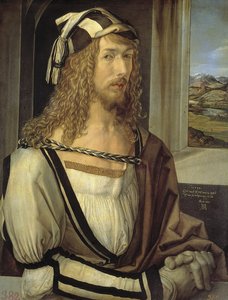
Albrecht Dürer
1471 - 1528 , Italy
Datos clave
- Artistas Que Influyeron:
- Michael Wolgemut
- Rafael
- Giovanni Bellini
- Leonardo da Vinci
- Fecha De Muerte: 1528
- Fecha De Nacimiento: 21 de mayo de 1471
- Lugar De Nacimiento: Núremberg, Italia
- Movimiento Artístico: Renacimiento alemán
- Nacionalidad: Alemán
- Nombre Completo: Albrecht Dürer
- Obras Notables:
- Serie del Apocalipsis
- Melancolía I
- San Jerónimo en su Estudio
Artículos relacionados
Albrecht Dürer: Las 25 Obras Maestras del Renacimiento Alemán | OriginalUniqueArt
Descubre las 25 obras maestras de Albrecht Dürer, el genio del Renacimiento alemán. Explora grabados icónicos como 'Melancolía I' y aprende sobre su técnica innovadora. Encuentra reproducciones de arte de alta calidad para decorar tu hogar en OriginalUniqueArt.com.
Los 25 Tesoros del Museo Británico: Arte, Historia y Decoración Excepcional
Descubre los 25 tesoros del Museo Británico: desde la Piedra Rosetta hasta obras de Rembrandt y Van Gogh. Explora su historia, técnica y significado. Reproducciones de arte exclusivas en OriginalUniqueArt.com para decorar tu hogar con elegancia.
Los 10 Cuadros Más Famosos en Tonos Rosa Pastel: Arte y Decoración
Descubre los 10 cuadros más icónicos en tonos rosa pastel. Explora la historia de Monet, Renoir y otros maestros del impresionismo y el arte moderno. Encuentra reproducciones de alta calidad para decorar tu hogar con .

Albrecht Dürer: A Renaissance Master's Legacy of Innovation and Self-Portraiture
Explore the life & art of Albrecht Dürer, a pivotal German Renaissance master. Discover his groundbreaking printmaking techniques, iconic self-portraits, and lasting influence on Western art history. A deep dive into innovation & symbolism.

Blossoms of Time: A Historical & Aesthetic Exploration of Floral Painting Across Cultures
Explore the rich history of floral painting! Discover symbolism, techniques & masterpieces from Van Huysum to O'Keeffe. Expert insights for art lovers & collectors at OriginalUniqueArt.



