

 Vista previa
 Compartir
 Compartir
 Ver detalles
 Guía
Guía

 Descargar
 Ver artículos similares
 Radiografía
 Presentación de diapositivas
 Estadísticas
Dancing Dryads
 Oil
Oil- WallArt
- Tonalism
 1879
1879- 19th Century
 23.0 x 18.0 cm
 Leer más
Reproducción al óleo hecha a mano
Óleo sobre lienzo pintado a mano en el tamaño y marco de su elección, realizado por encargo por nuestros artistas. ( Cambiar a formato impreso Ver versión en imagen digital)




P118B $10

P118H $10

P118W $10

P438Z $10

P508JH $12

P508YH $12

P805H $10

P805Z $10

P919BZ $10

P919G $10

P919XJ $10

P959ZH $10

P968JZ $12

W106C $8

W218G $10

W218JH $8

W218Y $10

W307PJ $10

W316G $10

W316PJ $8

W316Y $10

W398PJ $8

W4111J $10

W500HY $15

W500JH $15

W692G $12

W849H $8

W940BG $15

W953PJ $8




Elija entre nuestros tamaños predefinidos que respetan las proporciones originales de la obra.

Puede ingresar sus propias dimensiones para adaptarse a un marco o espacio específico. Si el tamaño seleccionado no coincide con las proporciones de la imagen original, recortaremos la obra o extenderemos la pintura con elementos adicionales pintados a mano. Se le enviará una maqueta digital para su aprobación antes de comenzar la producción.
Tenga en cuenta que la vista previa en pantalla no refleja el recorte o la extensión reales. Solo la maqueta mostrará con precisión la composición final.
Si bien existen tamaños personalizados, recomendamos seleccionar una dimensión de la lista predefinida para preservar las proporciones originales.
Tras realizar el pedido, el equipo de OriginalUniqueArt.com enviará un correo electrónico al cliente para solicitar instrucciones y proporcionarle una vista previa del boceto.
Envío a todo el mundo () en 3-4 semanas en lugar de las 5 semanas estándar. (27 septiembre). Sin comprometer la calidad.

Envío exprés gratuito a todo el mundo

Lienzo de lino de alta calidad

Seguro de envío completo

Garantía de reembolso de impuestos aduaneros

Garantía de fidelidad cromática exacta

Política de devolución de 100 días (solo por defectos)

Garantía de devolución del 100% del dinero

Oferta por volumen
 La opción de vidrio solo está disponible en tamaños inferiores a 110 cm.

Dancing Dryads
Técnica de reproducción
Tamaño de la reproducción
-


Precio total
$ 300
A Vision of Ethereal Grace
In the quiet, evocative realm of Albert Pinkham Ryder’s 1879 masterpiece, Dancing Dryads, the boundaries between the physical world and the dreamscape begin to dissolve. This intimate work captures a moment of pure, uninhibited joy as two figures emerge from the shadows of a primordial forest. The composition centers on the rhythmic movement of these nymphs, or dryads, whose bodies are caught in a delicate balance of motion and stillness. As they raise their arms toward the canopy, there is a palpable sense of liberation, an invitation to witness a ritual that feels both ancient and timeless. For the discerning collector, this piece offers more than mere decoration; it provides a window into a world where nature and spirit are inextricably entwined.
The technique employed by Ryder is nothing short of spellbinding, characterized by a heavy, almost sculptural application of paint that lends the scene a profound sense of depth. Unlike the bright, clear light of the Impressionists, Ryder utilizes a more somber, Tonalist palette, where shadows hold as much importance as the light itself. The trees surrounding the dancers are not merely background elements but are rendered with a textured, brooding presence that anchors the ethereal figures to the earth. This interplay of light and shadow—the chiaroscuro effect—creates a sense of mystery, making the viewer feel as though they have stumbled upon a secret, nocturnal celebration hidden deep within the American wilderness.
Symbolism and the Spirit of Tonalism
Beyond its visual beauty, Dancing Dryads serves as a profound exploration of Symbolist themes. In the late 19th century, artists began to move away from literal representations of reality toward more subjective, emotional truths. Ryder, a visionary precursor to modern abstraction, uses the dryads to symbolize the untamed vitality of the natural world. The dance is not merely a physical act but a metaphor for the cyclical rhythms of life, growth, and rebirth. The subtle presence of leaves and the textured bark of the trees suggest a living, breathing environment that responds to the dancers' energy, creating an atmosphere of enchantment that resonates deeply with those who find solace in the mysteries of nature.
For interior designers and art enthusiasts looking to curate a space of contemplation and elegance, this reproduction offers an unparalleled emotional impact. The painting’s ability to evoke a sense of nostalgia and quiet wonder makes it a perfect centerpiece for a study, a library, or a sophisticated living area. It possesses a unique gravity, drawing the eye inward and encouraging long periods of reflection. To possess such a work is to hold a fragment of American art history—a piece that bridges the gap between the rugged landscapes of New Bedford and the profound, dreamlike depths of the human imagination.
Biografía del artista
Primeros años y formación
Albert Pinkham Ryder, pintor estadounidense, nació el 19 de marzo de 1847 en New Bedford, Massachusetts. Sus primeros años son algo misteriosos, con poca información sobre su infancia. Sin embargo, se documenta que comenzó a pintar paisajes mientras aún vivía en New Bedford. En 1867 o 1868, la familia Ryder se mudó a Nueva York, donde el hermano de Albert administraba el Hotel Albert, un punto de referencia del Greenwich Village.Desarrollo artístico e influencias
La primera formación artística de Ryder fue con el pintor William Edgar Marshall en Nueva York. De 1870 a 1873 y nuevamente de 1874 a 1875, estudió en la National Academy of Design, donde expuso su primera pintura en 1873 y conoció al artista Julian Alden Weir, quien se convirtió en su amigo de toda la vida. En 1877, Ryder realizó el primer de sus cuatro viajes a Europa, estudiando la escuela Barbizon francesa y la escuela La Haya holandesa, lo que impactó significativamente su obra.Estilo artístico y obras notables
El estilo característico de Ryder se caracteriza por formas amplias, a veces indefinidas, o figuras estilizadas situadas en una tierra o paisaje marino onírico. Sus escenas a menudo están iluminadas por luz solar tenue o luz de luna brillante proyectada a través de nubes extrañas. Obras notables incluyen Misty Moonlight (Crystal Bridges Museum of American Art, Bentonville, Estados Unidos), que se deriva de recuerdos de su infancia en la costa de New Bedford, Massachusetts.Vida posterior y legado
Después de 1900, la creatividad de Ryder disminuyó drásticamente. Pasó el resto de su vida re-elaborando pinturas existentes y murió el 28 de marzo de 1917. Se celebró una exposición conmemorativa de su obra en el Metropolitan Museum of Art de Nueva York en 1918. A pesar del paso del tiempo, la reputación artística de Ryder se ha mantenido en gran medida intacta debido a su estilo único y vanguardista.- Ver las obras de Albert Pinkham Ryder en OriginalUniqueArt
- Comprar reproducciones de arte de museos de pinturas famosas
- Explore la Asociación Histórica de Cape Ann (Estados Unidos) y su colección de arte en OriginalUniqueArt

Albert Pinkham Ryder
1847 - 1917 , Estados Unidos de América
Datos clave
- Artistas Que Influyeron:
- Barbizon School
- Hague School
- Fecha De Fallecimiento: 28 de marzo de 1917
- Fecha De Nacimiento: 19 de marzo de 1847
- Influenciado A Artistas: ['Jackson Pollock']
- Lugar De Nacimiento: New Bedford, EE. UU.
- Movimiento Artístico: Tonalismo y Simbolismo
- Nacionalidad: Estadounidense
- Nombre Completo: Albert Pinkham Ryder
- Obras Notables: ['Misty Moonlight']
Artículos relacionados

The Enduring Muse: Women as Subject & Symbol in Art History
Explore the rich history of women in art – from iconic muses to groundbreaking artists. Discover feminist movements, global perspectives & reclaim female narratives with OriginalUniqueArt.
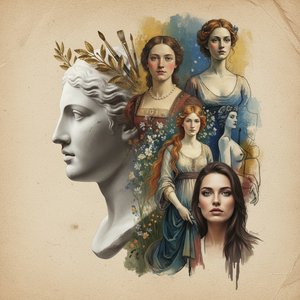
The Enduring Muse: Women as Subject & Symbol in Art History
Explore the rich history of women in art – from archetypal representations to contemporary voices challenging norms. Discover iconic artists & movements, and learn about reclaiming female narratives through painting and beyond.

The Enduring Allure of the Nude: A Historical & Artistic Exploration of the Human Form
Explore the captivating history of nude art! Discover iconic paintings & artists from classical to modern eras. Uncover symbolism, techniques & find museum-quality reproductions at OriginalUniqueArt.

The Eloquent Form: A Historical & Aesthetic Exploration of the Nude in Art
Explore the captivating history of the nude in art! From ancient Greece to modern masters, discover its evolving symbolism, techniques & enduring beauty. Expert insights for collectors and enthusiasts.
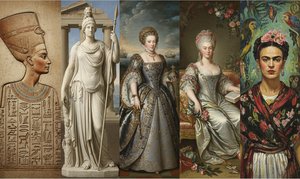
Portrayals of Power & Perception: A Historical Survey of Women in Art
Explore the rich history of women in art – from iconic muses to groundbreaking artists. Discover feminist movements & reclaim female narratives with OriginalUniqueArt. Expert insights for discerning collectors.


