

 Vista previa
 Compartir
 Compartir
 Ver detalles
 Guía
Guía

 Descargar
 Ver artículos similares
 Radiografía
 Presentación de diapositivas
 Estadísticas
Idyll


 Leer más
Reproducción al óleo hecha a mano
Óleo sobre lienzo pintado a mano en el tamaño y marco de su elección, realizado por encargo por nuestros artistas. ( Cambiar a formato impreso Ver versión en imagen digital)




P118B €10

P118H €10

P118W €10

P438Z €10

P508JH €12

P508YH €12

P805H €10

P805Z €10

P919BZ €10

P919G €10

P919XJ €10

P959ZH €10

P968JZ €12

W106C €8

W218G €10

W218JH €8

W218Y €10

W307PJ €10

W316G €10

W316PJ €8

W316Y €10

W398PJ €8

W4111J €10

W500HY €15

W500JH €15

W692G €12

W849H €8

W940BG €15

W953PJ €8




Elija entre nuestros tamaños predefinidos que respetan las proporciones originales de la obra.

Escriba el ancho y el alto que necesite para adaptarse a su marco o a su pared. Al ser una obra pintada a mano, para un tamaño con una forma distinta, el artista puede pintar un poco más alrededor de la imagen o recortar un poco; usted elige. Le enviaremos una maqueta digital para su aprobación antes de comenzar la pintura. La imagen que se muestra en esta página no refleja el resultado real; solo la maqueta lo hace.
Tras realizar el pedido, el equipo de OriginalUniqueArt.com enviará un correo electrónico al cliente para solicitar instrucciones y proporcionarle una vista previa del boceto.
Envío a todo el mundo () en 3-4 semanas en lugar de las 5 semanas estándar. (22 octubre). Sin comprometer la calidad.

Envío exprés gratuito a todo el mundo

Lienzo de lino de alta calidad

Seguro de envío completo

Garantía de reembolso de impuestos aduaneros

Garantía de fidelidad cromática exacta

Política de devolución de 100 días (solo por defectos)

Garantía de devolución del 100% del dinero

Oferta por volumen
 La opción de vidrio solo está disponible en tamaños inferiores a 110 cm.

Idyll
Técnica de reproducción
Tamaño de la reproducción
-


Precio total
€ 285
A Moment of Delicate Reverie: Exploring Albert Joseph Moore’s “Idyll”
Albert Joseph Moore's "Idyll," painted in 1893, isn't merely a depiction of a garden scene; it’s an immersion into a realm of hushed romance and ethereal beauty. The painting immediately draws the viewer in with its soft, diffused light, bathing the stone bench upon which a man and woman are seated in a tranquil, almost dreamlike setting. Moore masterfully employs Pre-Raphaelite techniques – meticulous detail, rich color palettes, and an emphasis on emotional resonance – to create an atmosphere of profound intimacy and serene contemplation. The composition itself is carefully orchestrated; the figures, centrally positioned, invite us into their private world, while the lush, verdant background subtly suggests a paradise of natural beauty.
The painting’s style leans heavily towards Neo-Classicism, yet it transcends simple imitation. Moore's meticulous attention to detail is evident in every brushstroke, from the delicate folds of the drapery to the subtle variations in skin tone. He skillfully utilizes layering and glazing techniques – building up color gradually through translucent washes – to achieve a remarkable sense of luminosity and depth. The lines are predominantly soft and flowing, contributing significantly to the overall feeling of grace and elegance, mirroring the gentle emotions conveyed within the scene.
The Artist’s Vision: Albert Joseph Moore and the Aesthetic Movement
Albert Joseph Moore (1841-1893) was a pivotal figure in late 19th-century British art. Born into a family of artists – his father, William Moore, was a renowned portrait painter – he inherited a deep appreciation for beauty and form. He became associated with the Aesthetic Movement, a group that championed artistic expression as an end in itself, prioritizing emotional impact over strict realism. Moore’s work often explored themes of sensuality, mythology, and classical antiquity, frequently depicting female figures in states of heightened awareness or contemplation. His fascination with the human body, particularly its capacity for emotion and experience, is powerfully evident in “Idyll.”
Further research reveals that Moore's artistic trajectory was deeply influenced by Ruskin’s theories on beauty and art. He spent considerable time studying classical sculpture, particularly the Elgin marbles at the British Museum, which profoundly shaped his understanding of ideal proportions and harmonious composition. His work during this period is characterized by a deliberate revival of classical forms and motifs, blended with a distinctly modern sensibility.
Symbolism and Emotional Resonance
Beyond its aesthetic qualities, “Idyll” is rich in symbolic meaning. The garden itself represents paradise – an idealized world of beauty, tranquility, and romance. The couple’s posture and gaze suggest a deep connection, a shared understanding that transcends words. The muted color palette—predominantly greens, blues, and creams—contributes to the painting's dreamlike quality, evoking feelings of nostalgia, longing, and quiet contentment. The slightly flattened perspective, typical of Pre-Raphaelite art, prioritizes emotional impact over strict realism, drawing the viewer into the intimate world of the subjects.
The choice of a stone bench as their meeting place adds to the painting’s symbolism. Stone represents permanence and stability, suggesting that this moment of connection is enduring and timeless. The overall effect is one of profound serenity and romantic tenderness – a visual poem celebrating the beauty of human intimacy within the embrace of nature.
A Timeless Masterpiece: Reproduction Possibilities
Reproductions of “Idyll” offer a wonderful opportunity to bring this exquisite artwork into your home or office. OriginalUniqueArt.com specializes in high-quality, hand-painted reproductions that faithfully capture the original’s delicate details and luminous colors. Whether you choose a large-scale canvas print or a framed giclée, you'll possess a stunning testament to Albert Joseph Moore’s artistic genius – a timeless reminder of beauty, romance, and the enduring power of human connection.
Preguntas y respuestas
¿A qué artista se le atribuye "Idyll"?
"Idyll" fue creada por Albert Joseph Moore. La información en esta página describe la obra original de Albert Joseph Moore.
¿Cuántas personas ven "Idyll"?
La página Estadísticas de "Idyll" de Albert Joseph Moore presenta las estadísticas de visitas públicas: visitas mensuales de esta obra, una comparación con las obras más vistas del artista y el origen de sus visitantes.
¿Es "Idyll" más bien clara o más bien oscura en su conjunto?
"Idyll" tiene un brillo general de bright y su luminancia es Gentle Luminance.
Biografía del artista
Primeros años y educación
Albert Joseph Moore, un renombrado pintor inglés, nació el 4 de septiembre de 1841 en York, Reino Unido. Era el decimotercer hijo y catorceavo hijo de William Moore, un conocido retratista, y su segunda esposa, Sarah Collingham. Varios de sus numerosos hermanos fueron educados como artistas, incluido Henry Moore, R.A., un notable pintor marino. Albert Moore recibió educación en la Escuela de Archbishop Holgate y en la Escuela St. Peter's en York, donde también recibió instrucción en dibujo y pintura de su padre.Carrera artística
Los primeros trabajos de Moore muestran la influencia de Ruskin, y ya en 1857 había expuesto en la Royal Academy, mostrando un goldfinch y un woodcock. Su estilo artístico evolucionó con el tiempo, surgiendo un marcado carácter neoclásico en la década de 1860. Este período vio a Moore diseñando baldosas, papel tapiz y vidrieras para Morris, Marshall, Faulkner and Co., así como trabajando como pintor mural eclesiástico y doméstico.Obras notables y estilo
Las pinturas de Moore suelen presentar figuras femeninas individuales con proporciones formalizadas, drapeados neoclásicos y accesorios florales, estableciendo una importante corriente del movimiento estético. Algunas de sus obras más destacadas incluyen:- The Marble Seat (1865), una larga serie de imágenes puramente decorativas
- Elijah's Sacrifice (1863), que muestra la influencia de Ford Madox Brown y Edward Armitage
- The Loves of the Seasons and the Winds, uno de sus trabajos más elaborados y meticulosos, pintado para el Sr. McCulloch
Museos y colecciones
La obra de Moore se puede encontrar en varios museos, incluyendo:- York Museums Trust (York, Reino Unido), con pinturas como Kingcups
- La Royal Academy (Londres, Reino Unido), donde Moore expuso frecuentemente
Legado y vida posterior
Moore confiaba únicamente en su propio juicio tanto en asuntos sociales como artísticos, lo que a veces resultó un obstáculo para su admisión en las filas de la Royal Academy. A pesar de sufrir una enfermedad dolorosa e incurable, Moore continuó trabajando hasta su muerte el 25 de septiembre de 1893. Su legado perdura como uno de los principales exponentes del movimiento estético inglés, influyendo en generaciones posteriores de artistas con su enfoque en la belleza formal y la armonía visual.- Vea más obras de Albert Joseph Moore en https://OriginalUniqueArt.com/@/albertjosephmoore
- Explore la colección de York Museums Trust en https://OriginalUniqueArt.com/@@/as844t-albert-joseph-moore-kingcups
- Descubra más sobre el movimiento estético y sus artistas destacados en https://en.wikipedia.org/wiki/aesthetic_movement
- Biografía de Albert Joseph Moore en Wikipedia: https://en.wikipedia.org/wiki/albert_joseph_moore
- Explore la colección de York Museums Trust en https://OriginalUniqueArt.com/@@/as844t-albert-joseph-moore-kingcups

Albert Joseph Moore
1841 - 1893 , Reino Unido
Datos clave
- Artistas Que Influyeron:
- Ruskin
- Ford Madox Brown
- Edward Armitage
- Fecha De Muerte: 25 de septiembre de 1893
- Fecha De Nacimiento: 4 de septiembre de 1841
- Lugar De Nacimiento: York, Reino Unido
- Movimiento Artístico: Esteticismo
- Nacionalidad: Británico
- Nombre Completo: Albert Joseph Moore
- Obras Notables:
- The Marble Seat (1865)
- Elijah's Sacrifice (1863)
- Los amores de las estaciones
Artículos relacionados
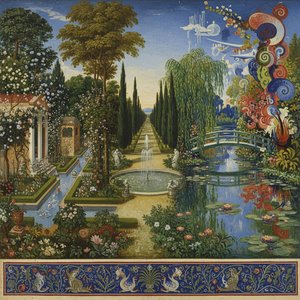
Cultivating Paradise: A Historical & Artistic Exploration of Gardens in Painting
Explore the rich history of gardens in painting! Discover masterpieces from Renaissance to Impressionism & beyond. Learn about symbolism, artists like Monet & Klimt, and find your perfect artwork at OriginalUniqueArt.

Paisajes Románticos: 10 Obras Maestras que Definieron un Movimiento Artístico
Descubre los 10 paisajes románticos más influyentes de artistas como Caspar David Friedrich y Turner. Explora la belleza, el simbolismo y las técnicas del movimiento romántico. Reproducciones de arte exclusivas en OriginalUniqueArt.com.

Dante Gabriel Rossetti: Las 25 Obras Maestras del Prerrafaelismo | OriginalUniqueArt
Descubre las 25 obras maestras de Dante Gabriel Rossetti, el máximo exponente del Prerrafaelismo. Explora su simbolismo, retratos victorianos y la belleza femenina en lienzos inolvidables. Reproducciones de arte exclusivas en OriginalUniqueArt.com.

Pre-Raphaelite Romanticism: A Guide to Vivid Detail and Medieval Beauty in Victorian Art
Explore the vivid detail and medieval beauty of Pre-Raphaelite Romanticism. Discover the history of masters like Rossetti and Millais through our expert guide to Victorian art, perfect for collectors and professionals seeking authentic, museum-quality reproductions.
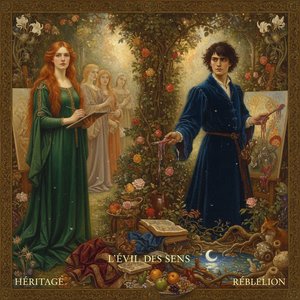
The Pre-Raphaelite Brotherhood: Reclaiming Beauty, Nature, and Truth in Victorian Art History
Explore the revolutionary Pre-Raphaelite Brotherhood. Discover how these visionary artists rejected academic tradition to reclaim beauty, nature, and truth through luminous detail and literary depth in Victorian art history.