

 Vista previa
 Compartir
 Compartir
 Ver detalles

 Descargar
 Ver similares
 Radiografía
 Presentación de diapositivas
René Vallery-Radot


 Leer más
Giclée / Impresión de arte
Impresiones giclée o en lienzo de calidad de museo con producción rápida y opciones de acabado flexibles. ( Encargar reproducción pintada a mano Comprar descarga)




P118B $10

P118H $10

P118W $10

P438Z $10

P508JH $12

P508YH $12

P805H $10

P805Z $10

P919BZ $10

P919G $10

P919XJ $10

P959ZH $10

P968JZ $12

W106C $8

W218G $10

W218JH $8

W218Y $10

W307PJ $10

W316G $10

W316PJ $8

W316Y $10

W398PJ $8

W4111J $10

W500HY $15

W500JH $15

W692G $12

W849H $8

W940BG $15

W953PJ $8




Elija entre nuestros tamaños predefinidos que respetan las proporciones originales de la obra.

Puede introducir sus propias dimensiones para adaptarse a un marco o espacio específico. Si el tamaño seleccionado no coincide con las proporciones de la imagen original, recortaremos la obra de arte o extenderemos la imagen con un borde con efecto espejo o de color sólido. Se enviará una maqueta digital para su aprobación antes de que comience la producción.
Tenga en cuenta que la vista previa en pantalla no refleja el recorte o la extensión real. Solo la maqueta mostrará con precisión la composición final.
Aunque existen tamaños personalizados, recomendamos seleccionar una dimensión de la lista predefinida para preservar las proporciones originales.
Envío a todo el mundo () en 2 semanas en lugar de las 4/5 semanas estándar. (16 agosto)

Envío exprés gratuito a todo el mundo

Lienzo de lino de alta calidad

Seguro de envío completo

Garantía de reembolso de aranceles aduaneros

Garantía de fidelidad cromática exacta

Política de devolución de 60 días (solo por defectos)

Garantía de devolución del 100% del dinero

Oferta por volumen
 La opción de vidrio solo está disponible en tamaños inferiores a 110 cm.

René Vallery-Radot
Giclée / Impresión de arte
Tamaño de la reproducción
-


Precio total
$ 80
Descripción de la pieza
The Canvas as a Window: Albert Edelfelt’s Portrait of René Vallery-Radot
Albert Edelfelt's 1888 painting, “Portrait of René Vallery-Radot,” isn’t merely a likeness; it’s a carefully constructed tableau that speaks volumes about the man himself and the era in which he lived. Within the confines of a modestly sized canvas—measuring just over 45 by 31 centimeters—Edelfelt has captured not simply a face, but an entire life subtly interwoven with intellectual curiosity and familial devotion. The painting immediately draws the eye to René Vallery-Radot himself, seated at his desk, bathed in the soft glow of diffused light. His posture is relaxed yet attentive, suggesting a man deeply absorbed in thought – perhaps reviewing research notes or contemplating the implications of his scientific work alongside his role as husband and father.
Edelfelt’s masterful technique reveals a deliberate balance between realism and impressionistic sensitivity. He employs a meticulous attention to detail, evident in the rendering of René's features—the thoughtful furrow of his brow, the subtle lines around his eyes, and the precise brushstrokes defining his mustache. Yet, he avoids a photographic likeness, instead opting for a looser, more atmospheric approach to color and light. The background is deliberately muted, allowing the focus to remain firmly on the subject, while still hinting at the domestic setting—a testament to Edelfelt’s ability to capture not just what is seen but also the essence of a scene.
A Life in Science and Family: Contextualizing the Portrait
To fully appreciate “Portrait of René Vallery-Radot,” it's crucial to understand the context surrounding his life. René Vallery-Radot was a prominent figure in the scientific community, renowned for his work alongside Louis Pasteur in establishing pasteurization—a process that revolutionized food preservation and public health. He wasn’t simply an assistant; he played a vital role in developing and refining this groundbreaking technique. Simultaneously, he was a devoted husband to Marie-Louise Pasteur (Louis Pasteur's daughter) and a loving father to three children. Edelfelt skillfully portrays these dual roles—the scientist and the family man—without resorting to simplistic stereotypes.
The painting’s composition subtly reinforces this duality. The desk, laden with books, immediately establishes René’s intellectual pursuits. However, the inclusion of a small child's toy – a simple wooden horse – nestled amongst the scholarly volumes hints at his familial responsibilities and the joys of family life. This juxtaposition speaks to the harmonious balance he sought between his scientific endeavors and his personal relationships.
Symbolism and Emotional Resonance
Beyond its straightforward depiction, “Portrait of René Vallery-Radot” is rich in symbolic detail. The books on the desk represent knowledge, learning, and intellectual legacy—a direct reflection of René’s contributions to science. The muted colors and soft lighting evoke a sense of quiet contemplation and domestic tranquility. There's an underlying feeling of warmth and stability, suggesting a man grounded in his family and deeply committed to his work. The careful arrangement of the objects on the desk – from the inkwell to the writing implements—creates a visual rhythm that draws the eye inward, inviting the viewer to share in René’s focused attention.
Furthermore, the painting can be interpreted as a celebration of the Victorian ideal of domesticity. While acknowledging the scientific advancements of the era, Edelfelt subtly emphasizes the importance of family and intellectual pursuits within a stable home environment. It's a portrait that speaks to the values of hard work, dedication, and familial love—qualities highly esteemed in 19th-century society.
A Timeless Masterpiece: Reproductions and Artistic Legacy
Albert Edelfelt’s “Portrait of René Vallery-Radot” remains a captivating work of art, offering a glimpse into the life of a remarkable scientist and devoted family man. Reproductions of this painting are available in various sizes and formats, allowing art enthusiasts to bring this evocative image into their homes or offices. Whether displayed as a statement piece in a study or a thoughtful addition to a living room, this portrait continues to resonate with its quiet dignity, intellectual depth, and subtle emotional power—a testament to Edelfelt’s enduring artistic legacy.
Biografía del artista
Primeros años y educación
Albert Gustaf Aristides Edelfelt, un renombrado pintor finlandés, nació el 21 de julio de 1854 en Porvoo, Finlandia. Sus padres, Carl Albert Edelfelt y Alexandra Edelfelt (de soltera Brandt), eran suecos-finlandeses. La vida temprana de Edelfelt se caracterizó por una pasión innata por el arte, lo que le llevó a cursar estudios formales en la escuela de dibujo de la Sociedad Finlandesa de Arte en 1869.Trayectoria artística
El viaje artístico de Edelfelt lo llevó a varias instituciones destacadas:- Academia de Bellas Artes de Amberes (1873-74), donde perfeccionó sus habilidades en pintura histórica.
- École Nationale des Beaux-Arts en París (1874-78), bajo la tutela de Jean-Léon Gérôme, refinando aún más su oficio.
- Una breve estancia en San Petersburgo (1881-82) lo expuso a diversas influencias artísticas.
Desarrollo y logros notables
El gran avance de Edelfelt llegó con una medalla de oro en la Exposición Universal de París de 1889. Sus obras notables incluyen:- Retrato de Louis Pasteur, que le valió la Legión de Honor en 1886.
- Joven mujer en su boudoir, mostrando su dominio para capturar la esencia de la feminidad.
- Bajo los abedules, una representación conmovedora de paisajes finlandeses.
Influencias y significado histórico
Como uno de los primeros artistas finlandeses en alcanzar fama internacional, Edelfelt contribuyó significativamente al movimiento artístico realista en Finlandia. Su influencia se extendió a pintores finlandeses más jóvenes, como Akseli Gallen-Kallela y Gunnar Berndtson, a quienes ayudó en sus avances en París. Edelfelt adoptó el realismo francés pero lo iluminó con el brillo de la luz nórdica. Se considera el pintor más grande de Finlandia durante la segunda mitad del siglo XIX y la primera mitad del XX, y uno de los contribuyentes más destacados a la Edad de Oro del Arte Finlandés.Legado y reconocimiento
Las obras de Edelfelt se exhiben en varios museos, incluido el Ateneumin Taidemuseo en Helsinki. Su legado fue conmemorado con una moneda conmemorativa de 100 euros dedicada a Albert Edelfelt en 2004, celebrando su 150 aniversario natal.- Explore las obras de Albert Edelfelt en OriginalUniqueArt
- Descubra la colección del Ateneumin Taidemuseo en OriginalUniqueArt

Albert Edelfelt
1854 - 1905 , Finlandia
Datos clave
- Artistas Influenciados:
- Akseli Gallen-Kallela
- Gunnar Berndtson
- Artistas Que Influyeron:
- Jean-Léon Gérôme
- Adolf von Becker
- Fecha De Muerte: 18 de agosto de 1905
- Fecha De Nacimiento: 21 de julio de 1854
- Lugar De Nacimiento: Porvoo, Finlandia
- Movimiento Artístico: Realismo
- Nacionalidad: Finlandés
- Nombre Completo: Albert Gustaf Aristides Edelfelt
- Obras Notables:
- Retrato de Louis Pasteur
- Joven mujer en su boudoir
- Bajo los abedules
Artículos relacionados
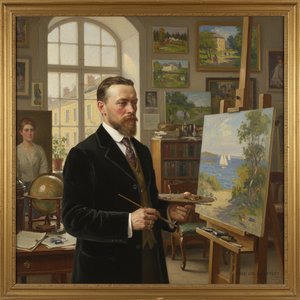
Albert Edelfelt: A Pioneer of Finnish Realism & International Impressionist Circles
Explore the life & work of Albert Edelfelt, a pioneering Finnish Realist painter who bridged Impressionism & national identity. Discover his masterpieces and lasting influence on art history.
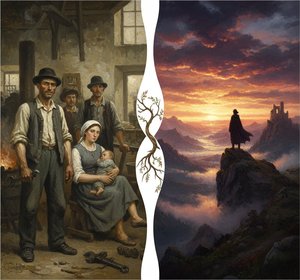
Romantic Realism's Finest: 10 Masterpieces for Your Home | OriginalUniqueArt
Explore 10 defining masterpieces of Romantic Realism! Discover Courbet, Millet & Daumier's powerful paintings—capturing emotion and social realities. Find museum-quality reproductions for your home at OriginalUniqueArt.com.

Ecos de la Sociedad: El Legado Duradero del Realismo Social en el Arte
Descubre el fascinante mundo del Realismo Social. Explora sus orígenes, artistas clave y su impacto duradero en la historia del arte. ¡Encuentra reproducciones de alta calidad en OriginalUniqueArt!
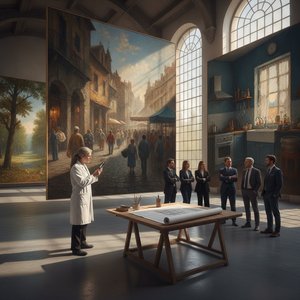
Realism in Art: A Professional Guide to Authentic Detail and Lifelike Masterpieces for Large-Scale Interior Projects
Master the use of Realism in professional interiors. This expert guide explores 19th-century masterpieces, offering procurement managers and designers technical insights into selecting authentic, hand-painted oil reproductions for high-end hotel and corporate projects.
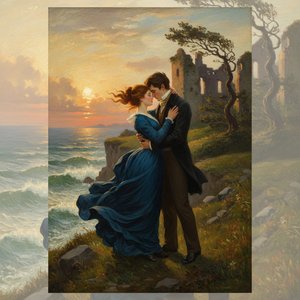
The Evocative Embrace of Reality: Exploring Romantic Realism in 19th-Century Painting
Explore the captivating world of Romantic Realism! Discover key artists like Courbet & Millet, masterpieces, and the social context behind this influential art movement. Expert insights for collectors at OriginalUniqueArt.



