

 Vista previa
 Compartir
 Compartir
 Ver detalles
 Guía
Guía

 Descargar
 Ver artículos similares
 Radiografía
 Presentación de diapositivas
 Estadísticas
At Sea

 Leer más
Giclée / Impresión de arte
Impresiones giclée o en lienzo de calidad de museo con producción rápida y opciones de acabado flexibles. ( Encargar reproducción pintada a mano Ver versión en imagen digital)




P118B €10

P118H €10

P118W €10

P438Z €10

P508JH €12

P508YH €12

P805H €10

P805Z €10

P919BZ €10

P919G €10

P919XJ €10

P959ZH €10

P968JZ €12

W106C €8

W218G €10

W218JH €8

W218Y €10

W307PJ €10

W316G €10

W316PJ €8

W316Y €10

W398PJ €8

W4111J €10

W500HY €15

W500JH €15

W692G €12

W849H €8

W940BG €15

W953PJ €8




Elija entre nuestros tamaños predefinidos que respetan las proporciones originales de la obra.

Introduzca el ancho y el alto que necesite para adaptarse a su marco o pared. Una impresión solo puede recortarse, nunca hacerse más grande que la imagen original, por lo que un tamaño con una forma distinta perderá parte de la obra. Le enviaremos una maqueta digital para su aprobación antes de realizar cualquier impresión. La imagen que se muestra en esta página no refleja el recorte real; solo la maqueta lo hace.
Envío a todo el mundo () en 2 semanas en lugar de las 4/5 semanas estándar. (20 octubre)

Envío exprés gratuito a todo el mundo

Lienzo de lino de alta calidad

Seguro de envío completo

Garantía de reembolso de impuestos aduaneros

Garantía de fidelidad cromática exacta

Política de devolución de 100 días (solo por defectos)

Garantía de devolución del 100% del dinero

Oferta por volumen
 La opción de vidrio solo está disponible en tamaños inferiores a 110 cm.

At Sea
Giclée / Impresión de arte
Tamaño de la reproducción
-


Precio total
€ 70
A Portrait of Resilience Amidst Turbulent Waters
The painting “At Sea,” executed by Albert Edelfelt in 1890, stands as a testament to finnish artistic prowess during the late Romantic era and offers a profound meditation on human spirit confronting formidable natural forces. More than just a depiction of two figures aboard a vessel battling an overcast ocean, it’s a carefully constructed narrative imbued with symbolic resonance and masterful technique—elements that continue to captivate audiences today.Subject Matter and Context
Edelfelt's subject matter is deceptively simple: a pair of men navigating a turbulent sea under a brooding sky. However, this seemingly straightforward scene unfolds within the broader context of finnish national identity during the Belle Époque. Following Finland’s independence from russia in 1899, Edelfelt sought to portray finlandese resilience and fortitude—qualities deemed crucial for securing the nation's future amidst geopolitical uncertainties. The sea itself serves as a metaphor for life’s challenges, demanding courage and perseverance.Style and Technique: Romantic Realism
Edelfelt skillfully blends Romantic idealism with meticulous realism. While acknowledging the grandeur of nature – specifically the dramatic waves and overcast sky – he avoids sentimental glorification. Instead, he presents an unflinching portrayal of human experience within this environment. The painting’s execution is characterized by loose brushstrokes—particularly evident in the depiction of the ocean surface—that convey movement and energy. These strokes are juxtaposed with more precise detailing on the figures' clothing and faces, demonstrating Edelfelt’s command of tonal gradation and capturing subtle nuances of expression. Oil paint on canvas provides a rich texture that enhances the visual impact.Color Palette and Composition
The color palette is dominated by cool blues and greys—reflecting the prevailing atmospheric conditions and mirroring the somber mood of the scene. Subtle hints of warmer hues—primarily in the highlights on the waves and skin tones—introduce a touch of luminosity, preventing the painting from becoming entirely bleak. The composition centers around the two men in the boat, positioned slightly off-center to create visual balance. A diagonal mast cuts across the frame, directing the viewer’s gaze towards the horizon and amplifying the sense of dynamism.Symbolism and Emotional Impact
Beyond its aesthetic qualities, “At Sea” resonates with symbolic depth. The turbulent sea embodies adversity and challenges—forces that must be confronted head-on to achieve success. Yet, the figures' expressions convey determination and quiet strength—suggesting an inner resilience that transcends external circumstances. Edelfelt’s masterful rendering of human emotion elevates the painting beyond mere visual representation, inviting contemplation on themes of courage, companionship, and perseverance. It remains a powerful reminder that even amidst turbulent times, humanity possesses the capacity to endure and prevail.Concluding Thoughts
“At Sea” exemplifies Edelfelt's Romantic Realism—a stylistic approach that prioritizes both artistic beauty and psychological insight. Its enduring appeal lies in its ability to capture not only the visual splendor of nature but also the profound emotional complexities inherent in human experience. A reproduction of this artwork would undoubtedly serve as a striking centerpiece for any interior design scheme, conveying an atmosphere of contemplation and celebrating the spirit of fortitude—qualities that continue to inspire admiration across generations.Preguntas y respuestas
¿Qué paleta y qué sentimiento combinan "At Sea"?
La paleta Neutrals de "At Sea" de Albert Edelfelt armoniza con su tono emocional Melancholic. El color es una de las formas en que una obra transmite sentimiento.
¿De qué trata "At Sea" y qué atmósfera transmite?
"At Sea" de Albert Edelfelt representa maritime life, boat scene, landscape, human interaction, resilience, tranquility, texture, atmospheric perspective, con un ambiente Romantic. El tema y la atmósfera describen juntos la obra.
¿Cuál es la luminancia de "At Sea" de Albert Edelfelt?
"At Sea" de Albert Edelfelt tiene una luminancia de Bright Balance. La luminancia describe cuánta luz parecen reflejar los colores.
Biografía del artista
Primeros años y educación
Albert Gustaf Aristides Edelfelt, un renombrado pintor finlandés, nació el 21 de julio de 1854 en Porvoo, Finlandia. Sus padres, Carl Albert Edelfelt y Alexandra Edelfelt (de soltera Brandt), eran suecos-finlandeses. La vida temprana de Edelfelt se caracterizó por una pasión innata por el arte, lo que le llevó a cursar estudios formales en la escuela de dibujo de la Sociedad Finlandesa de Arte en 1869.Trayectoria artística
El viaje artístico de Edelfelt lo llevó a varias instituciones destacadas:- Academia de Bellas Artes de Amberes (1873-74), donde perfeccionó sus habilidades en pintura histórica.
- École Nationale des Beaux-Arts en París (1874-78), bajo la tutela de Jean-Léon Gérôme, refinando aún más su oficio.
- Una breve estancia en San Petersburgo (1881-82) lo expuso a diversas influencias artísticas.
Desarrollo y logros notables
El gran avance de Edelfelt llegó con una medalla de oro en la Exposición Universal de París de 1889. Sus obras notables incluyen:- Retrato de Louis Pasteur, que le valió la Legión de Honor en 1886.
- Joven mujer en su boudoir, mostrando su dominio para capturar la esencia de la feminidad.
- Bajo los abedules, una representación conmovedora de paisajes finlandeses.
Influencias y significado histórico
Como uno de los primeros artistas finlandeses en alcanzar fama internacional, Edelfelt contribuyó significativamente al movimiento artístico realista en Finlandia. Su influencia se extendió a pintores finlandeses más jóvenes, como Akseli Gallen-Kallela y Gunnar Berndtson, a quienes ayudó en sus avances en París. Edelfelt adoptó el realismo francés pero lo iluminó con el brillo de la luz nórdica. Se considera el pintor más grande de Finlandia durante la segunda mitad del siglo XIX y la primera mitad del XX, y uno de los contribuyentes más destacados a la Edad de Oro del Arte Finlandés.Legado y reconocimiento
Las obras de Edelfelt se exhiben en varios museos, incluido el Ateneumin Taidemuseo en Helsinki. Su legado fue conmemorado con una moneda conmemorativa de 100 euros dedicada a Albert Edelfelt en 2004, celebrando su 150 aniversario natal.- Explore las obras de Albert Edelfelt en OriginalUniqueArt
- Descubra la colección del Ateneumin Taidemuseo en OriginalUniqueArt

Albert Edelfelt
1854 - 1905 , Finlandia
Datos clave
- Artistas Influenciados:
- Akseli Gallen-Kallela
- Gunnar Berndtson
- Artistas Que Influyeron:
- Jean-Léon Gérôme
- Adolf von Becker
- Fecha De Muerte: 18 de agosto de 1905
- Fecha De Nacimiento: 21 de julio de 1854
- Lugar De Nacimiento: Porvoo, Finlandia
- Movimiento Artístico: Realismo
- Nacionalidad: Finlandés
- Nombre Completo: Albert Gustaf Aristides Edelfelt
- Obras Notables:
- Retrato de Louis Pasteur
- Joven mujer en su boudoir
- Bajo los abedules
Artículos relacionados

The Enduring Legacy of Oil on Canvas: Technique, History & Aesthetic Impact
Explore the rich history & techniques of oil painting – from Renaissance masters to Impressionism. Discover pigments, layering methods, and why this timeless medium endures. Expert insights for artists & art enthusiasts.
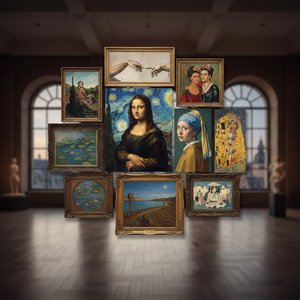
Las 10 Obras Maestras al Óleo que Revolucionaron la Historia del Arte |
Descubre las 10 obras maestras al óleo que transformaron la historia del arte. Explora Van Gogh, Monet, Da Vinci y más. Reproducciones de alta calidad para decorar tu hogar con elegancia. ¡Encuentra tu obra favorita en !

The Soul of Impressionism: Why Oil on Canvas Captures Eternal Light and Timeless Emotion
Discover the enchanting alchemy of Impressionism. Explore how the mastery of oil on canvas, through glazing and impasto, captures eternal light and emotion. Perfect for lovers of Monet and Van Gogh seeking the profound depth of hand-painted fine art.

El Óleo sobre Lienzo: Historia, Técnica y la Persistencia de un Medio Artístico Atemporal
Descubre la historia y técnica del óleo sobre lienzo. Explora reproducciones fieles hechas a mano, personalización artística y consejos de expertos con OriginalUniqueArt. ¡Colecciona arte con confianza!

El Legado Duradero del Óleo sobre Lienzo: Técnica, Historia y Práctica Contemporánea
Descubre la historia y técnica del óleo sobre lienzo. Explora reproducciones fieles hechas a mano, personalización artística y consejos de expertos con .


