Ver en contexto
 Enviar
 Compartir
 Detalles
 Guía
Guía

 Descargar
 Similares
 Radiografía
 Presentación de diapositivas
 Q&A
Q&A Estadísticas
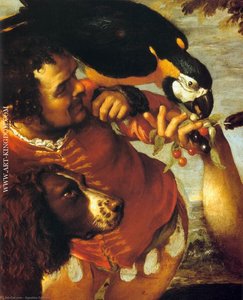
Hairy Harry, Mad Peter and Tiny Amon

- 101.0 x 133.0 cm


 Ver más
Giclée / Impresión de arte
Impresiones giclée o en lienzo de calidad de museo con producción rápida y opciones de acabado flexibles. ( Comprar pintura hecha a mano Cambiar a imagen digital)




P118B €10

P118H €10

P118W €10

P438Z €10

P508JH €12

P508YH €12

P805H €10

P805Z €10

P919BZ €10

P919G €10

P919XJ €10

P959ZH €10

P968JZ €12

W106C €8

W218G €10

W218JH €8

W218Y €10

W307PJ €10

W316G €10

W316PJ €8

W316Y €10

W398PJ €8

W4111J €10

W500HY €15

W500JH €15

W692G €12

W849H €8

W940BG €15

W953PJ €8




Elija entre nuestros tamaños predefinidos que respetan las proporciones originales de la obra.

Introduzca el ancho y el alto que necesite para adaptarse a su marco o pared. Una impresión solo puede recortarse, nunca hacerse más grande que la imagen original, por lo que un tamaño con una forma distinta perderá parte de la obra. Le enviaremos una maqueta digital para su aprobación antes de realizar cualquier impresión. La imagen que se muestra en esta página no refleja el recorte real; solo la maqueta lo hace.
Envío a todo el mundo () en 2 semanas en lugar de las 4/5 semanas estándar. (31 octubre)

Envío exprés gratuito a todo el mundo

Lienzo de lino de alta calidad

Seguro de envío total

Garantía de reembolso de aranceles aduaneros

Garantía de fidelidad cromática exacta

Política de devolución de 100 días (solo por defectos)

Garantía de devolución del 100% del dinero

Descuento por cantidad
 La opción de vidrio solo está disponible en tamaños inferiores a 110 cm.

Hairy Harry, Mad Peter and Tiny Amon
Giclée / Impresión de arte
Dimensiones de la reproducción
-


Precio total final
€ 71
A Symphony of Pastoral Virtue: Exploring Agostino Carracci’s “Hairy Harry, Mad Peter and Tiny Amon”
The painting "Hairy Harry, Mad Peter and Tiny Amon," attributed to Agostino Carracci (1598), transcends mere visual representation; it embodies the spirit of Bolognese Baroque—a movement striving for harmonious balance between classical ideals and emotive expression. Executed during a period marked by intellectual ferment and artistic experimentation, this monumental canvas offers a captivating glimpse into the aesthetic sensibilities of its time and speaks powerfully to themes of human interaction with nature and moral contemplation.Subject Matter and Composition
At first glance, the artwork depicts an idyllic tableau featuring three men—likely representing figures of authority or intellect—surrounded by a profusion of animals: birds, dogs, and monkeys. A young boy diligently feeds a bird, symbolizing innocence and care for the natural world. The central figure, adorned with a beard and draped in opulent robes, commands attention amidst his canine companions, embodying strength and perhaps regal dignity. Completing the ensemble is a gentleman observing the scene with thoughtful consideration—a testament to humanist values prioritizing reason and observation. Carracci’s masterful composition utilizes dynamic lines—curves and diagonals—to guide the viewer's gaze across the canvas, creating a sense of movement and inviting contemplation. The flattened perspective characteristic of Baroque art prioritizes emotional impact over strict spatial accuracy, immersing the spectator in this carefully crafted narrative space.Style and Technique: Embracing Naturalism Amidst Classical Influence
Carracci’s stylistic approach distinguishes itself from the Mannerist preoccupation with stylized forms and exaggerated poses. Instead, he champions naturalism—a deliberate effort to depict subjects realistically, capturing subtle nuances of light and texture. This commitment is evident in the meticulous brushwork employed throughout the painting, characterized by layering and glazing techniques that build up luminous surfaces. The artist skillfully utilizes sfumato—a smoky haze—to soften contours and create a hazy atmosphere, enhancing depth and contributing to an overall sense of ethereal beauty. The warm color palette dominated by browns, reds, and golds reinforces the painting’s grandeur and evokes feelings of warmth and richness.Historical Context: The Academy and Bolognese Artistic Renaissance
“Hairy Harry, Mad Peter and Tiny Amon” emerged from the crucible of the Academy degli Incamminati—established by Carracci himself alongside Annibale and Ludovico—a pioneering institution dedicated to reviving classical artistic traditions. This academy served as a beacon for aspiring artists, fostering a collective pursuit of excellence and shaping the stylistic landscape of Bolognese Baroque. The painting reflects the broader humanist ethos prevalent during the Renaissance, emphasizing human dignity and celebrating the beauty of the natural world – ideals that resonated deeply with Carracci’s contemporaries.Symbolism: Virtue, Wisdom, and Harmony
Beyond its visual splendor, “Hairy Harry, Mad Peter and Tiny Amon” is laden with symbolic significance. The animals represent not only the bounty of nature but also serve as metaphors for human virtues—gentleness, prudence, and contemplation. The figures themselves embody intellectual prowess and moral integrity, reflecting the academy’s core mission to cultivate enlightened minds. Ultimately, Carracci's masterpiece invites viewers to consider the harmonious relationship between humanity and its environment – a timeless message conveyed with breathtaking artistry.Preguntas y respuestas
¿Qué nivel de luminosidad transmite "Hairy Harry, Mad Peter and Tiny Amon" de Agostino Carracci?
En términos generales, "Hairy Harry, Mad Peter and Tiny Amon" presenta una luminosidad de deep_shadow. La luminosidad percibida describe qué tan clara u oscura parece la obra.
¿Qué atmósfera aporta "Hairy Harry, Mad Peter and Tiny Amon" de Agostino Carracci a un espacio interior?
La atmósfera Dramatic de "Hairy Harry, Mad Peter and Tiny Amon" de Agostino Carracci armoniza perfectamente con su espacio recomendado: un Living Room.
¿Se puede ver "Hairy Harry, Mad Peter and Tiny Amon" de Agostino Carracci en una presentación de diapositivas?
Puede ver el diaporama de "Hairy Harry, Mad Peter and Tiny Amon" en la página Galería de imágenes de la obra.
Biografía del artista
El arquitecto del naturalismo: La vida y el legado de Agostino Carracci
Agostino Carracci se erige como una figura fundamental en el floreciente movimiento barroco de Bolonia, Italia. A menudo eclipsado por la fama de su hermano Annibale, la visión artística de Agostino —caracterizada por un rechazo deliberado al formalismo manierista y un abrazo a los ideales clásicos— lo consagró como un innovador crucial que impactó profundamente la trayectoria estilística de la pintura boloñesa. No fue simplemente un artesano, sino un pedagogo visionario que moldeó a las futuras generaciones de artistas a través de la Accademía degli Incamminati, junto a Annibale y Ludovico Carracci. Esta academia se convirtió en el crisol de una nueva era del arte, alejándose de la artificialidad del Renacimiento tardío para buscar una conexión más profunda con la realidad. Nacido en Bolonia en 1557, hijo de Giovanni Battista Carracci y Lucrezia Panciatichi, el viaje artístico de Agostino comenzó bajo la tutela de Domenico Tiberiadi. Esta formación temprana le inculcó una comprensión fundacional del disegno —el concepto humanista del dibujo—, esencial para dominar las proporciones clásicas y la perspectiva. Mientras sus contemporáneos solían inclinarse hacia las formas estilizadas y las poses exageradas del Manierismo, Agostino buscó inspiración en la fuerza perdurable de la antigüedad. Miró hacia la escultura y la arquitectura romanas como los modelos definitivos para alcanzar la excelencia artística, creyendo que la verdadera belleza residía en el equilibrio entre la forma idealizada y la verdad natural.El dominio de la línea y la luz
Antes de alcanzar el renombre por sus monumentales frescos y retratos, la carrera de Carracci encontró su base en el intrincado medio del grabado. Este periodo fue transformador, ya que utilizó la herramienta del impresor para reproducir obras maestras de titanes como Federico Barocci, Tintoretto, Veronese y Correggio. Para Agostino, el grabado era mucho más que un método de reproducción; era un ejercicio intelectual vital para difundir el conocimiento artístico por toda Europa. Sus estampas demostraron una aguda sensibilidad a las variaciones tonales y al chiaroscuro —el dramático juego de luces y sombras— que más tarde se convertiría en el sello distintivo del estilo barroco. A través de estas líneas meticulosas, tradujo las texturas fluidas de la pintura al lenguaje permanente de la tinta, elevando el estatus del grabado dentro de las bellas artes. Su destreza técnica se captura quizás de manera más íntima en sus obras preparatorias, donde la frontera entre el estudio y la obra maestra se disuelve. En trabajos como su Estudio de una cabeza de spaniel, se puede ser testigo del compromiso del artista con el naturalismo. Creado alrededor de 1598, este dibujo evita todo artificio, presentando al sujeto con un realismo notable: desde los ojos atentos hasta el pelaje texturizado y rizado de las orejas. Tales estudios sirvieron como los pilares esenciales para sus composiciones más grandes, demostrando que su devoción por los detalles minuciosos del mundo natural era el cimiento sobre el cual se construyeron sus visiones más grandiosas y clásicas.Una huella imborrable en la era barroca
La importancia histórica de Agostino Carracci reside en su papel como puente entre dos eras. Al desafiar la complejidad intelectualizada del Manierismo con un enfoque renovado en la claridad y la observación natural, ayudó a dar a luz a la Escuela Boloñesa. Su capacidad para combinar la elegancia clásica del Renacimiento con la profundidad emocional y la iluminación dramática del Barroco proporcionó un modelo para generaciones de pintores. Ya sea a través de la belleza etérea que se encuentra en su obra Las tres Gracias o la intimidad familiar capturada en los retratos de sí mismo y sus hermanos, el trabajo de Agostino permanece como un testimonio de un periodo de profunda transición. Aunque su vida fue trágicamente breve, terminando en 1602, su influencia perduró mucho más allá de sus años. A través de la Accademia degli Incamminati, ayudó a establecer una tradición pedagógica que priorizaba la observación directa y el estudio clásico, asegurando que los principios del naturalismo se convirtieran en una piedra angular del arte occidental. Su legado no se encuentra meramente en lienzos individuales, sino en la forma misma en que percibimos la luz, la sombra y la forma humana: un legado de precisión, pasión y una inquebrantable búsqueda de la verdad en el arte.
Agostino Carracci
1557 - 1602 , Italia
Datos clave
- Artistic Movement Or Style: Barroco
- Artists Or Movements Influenced By This Artist: ['Matisse']
- Artists Who Influenced This Artist:
- Federico Barocci
- Tintoretto
- Correggio
- Date Of Birth: 1557
- Date Of Death: 1602
- Full Name: Agostino Carracci
- Nationality: Italiano
- Notable Artworks:
- Giulio Cesare
- La familia divina
- Place Of Birth: Bologna, Italia
Artículos relacionados
Annibale Carracci: Bridging Renaissance Ideals & Baroque Innovation
Explore the life & art of Annibale Carracci, a pivotal figure bridging Renaissance ideals with Baroque innovation. Discover his masterpieces and lasting influence on Italian painting.

Barroco Sublime: 10 Obras Maestras que Definieron una Época |
Descubre las 10 obras maestras del Barroco que marcaron una época. Caravaggio, Bernini y Velázquez cobran vida en . Reproducciones de arte de calidad museo para decorar tu hogar con elegancia. ¡Explora la colección online!
Chiaroscuro and Soul: A Definitive Guide to the Drama and Emotion of Italian Baroque Masterpieces
Embark on a sophisticated journey through Italian Baroque art. Discover the dramatic interplay of light and emotion in Caravaggio’s masterpieces and explore how to bring this timeless grandeur into your collection with expert art insights.

Drama Barroca: Llevando la Grandeza y la Emoción a los Interiores Contemporáneos
Descubre cómo el drama y la grandeza del arte barroco pueden transformar tus interiores. Guía experta, inspiración y reproducciones de alta calidad en .

Italian Baroque Unlocked: High-Drama Art That Hits Hard
Dive into the high-drama world of Italian Baroque art. Discover how chiaroscuro, intense emotion, and theatrical lighting redefined aesthetics. Explore the visceral power of the Counter-Reformation through a modern lens with expert insights from OriginalUniqueArt.com.