Vista previa
 Compartir
 Compartir
 Ver detalles
 Guía
Guía

 Descargar
 Ver artículos similares
 Radiografía
 Presentación de diapositivas
 Estadísticas
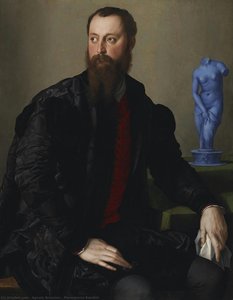
St. Bartholomew


 Leer más
Giclée / Impresión de arte
Impresiones giclée o en lienzo de calidad de museo con producción rápida y opciones de acabado flexibles. ( Encargar reproducción pintada a mano Ver versión en imagen digital)




P118B €10

P118H €10

P118W €10

P438Z €10

P508JH €12

P508YH €12

P805H €10

P805Z €10

P919BZ €10

P919G €10

P919XJ €10

P959ZH €10

P968JZ €12

W106C €8

W218G €10

W218JH €8

W218Y €10

W307PJ €10

W316G €10

W316PJ €8

W316Y €10

W398PJ €8

W4111J €10

W500HY €15

W500JH €15

W692G €12

W849H €8

W940BG €15

W953PJ €8




Elija entre nuestros tamaños predefinidos que respetan las proporciones originales de la obra.

Introduzca el ancho y el alto que necesite para adaptarse a su marco o pared. Una impresión solo puede recortarse, nunca hacerse más grande que la imagen original, por lo que un tamaño con una forma distinta perderá parte de la obra. Le enviaremos una maqueta digital para su aprobación antes de realizar cualquier impresión. La imagen que se muestra en esta página no refleja el recorte real; solo la maqueta lo hace.
Envío a todo el mundo () en 2 semanas en lugar de las 4/5 semanas estándar. (25 octubre)

Envío exprés gratuito a todo el mundo

Lienzo de lino de alta calidad

Seguro de envío completo

Garantía de reembolso de impuestos aduaneros

Garantía de fidelidad cromática exacta

Política de devolución de 100 días (solo por defectos)

Garantía de devolución del 100% del dinero

Oferta por volumen
 La opción de vidrio solo está disponible en tamaños inferiores a 110 cm.

St. Bartholomew
Giclée / Impresión de arte
Tamaño de la reproducción
-


Precio total
€ 70
A Study in Suffering: Bronzino’s St. Bartholomew
Agnolo Bronzino's "St. Bartholomew," a haunting oil on wood painting dating from the 16th century, offers a profoundly unsettling glimpse into religious martyrdom and the meticulous observation of human anatomy that defined the artist’s legacy. Sold to the Accademia di San Luca in 1821 after decades of misattribution, this work – alongside its counterpart depicting St. Andrew – represents a pivotal moment in art historical understanding. Initially linked to the hands of Alessandro Allori or his master, Bronzino himself is now recognized as the true author, thanks to meticulous conservation efforts undertaken between 1985 and 1987 that revealed the painting’s exquisite detail and technical mastery.
- Subject Matter: The scene depicts St. Bartholomew, a disciple of Christ, enduring his brutal flaying alive – a common motif in early Christian art representing faith and sacrifice.
- Technical Brilliance: Bronzino’s skill is immediately apparent in the shockingly realistic depiction of Bartholomew's musculature. This anatomical precision owes a significant debt to Andreas Vesalius’s groundbreaking “De Humani Corporis Fabrica,” published in 1543, demonstrating Bronzino’s commitment to scientific accuracy within his artistic practice.
- Composition & Figures: The composition is deliberately stark and dramatic, focusing entirely on the suffering of the saint. Secondary figures – a man on the left and another near the upper right corner, along with a third at the bottom right – add layers of complexity, perhaps representing witnesses or participants in this agonizing event.
The Mannerist Aesthetic: Coolness and Detail
Bronzino was a key figure within the Mannerist movement, a style that emerged as a reaction against the High Renaissance’s emphasis on balance and harmony. Unlike the idealized forms of Leonardo or Raphael, Bronzino favored a more restrained, intellectual approach to beauty. His work is characterized by a cool composure, precise detail, and an almost unsettling stillness – qualities perfectly embodied in “St. Bartholomew.” This deliberate lack of emotional exuberance was a hallmark of Mannerism, prioritizing observation and technical skill over passionate expression.
Born in Florence in 1503, Bronzino’s early training under Raffaellino del Garbo and Jacopo da Pontormo laid the groundwork for his distinctive style. While influenced by Pontormo's innovative approach, Bronzino ultimately developed a voice defined by refined detail and a detached observation of the human form – a characteristic that would solidify his reputation as “the Florentine Master of Reserved Elegance.”
Symbolism and Historical Context
The flaying of St. Bartholomew carries profound symbolic weight within Christian iconography. It represents unwavering faith in the face of unimaginable suffering, mirroring Christ’s own sacrifice. The scene's stark realism reflects a shift in artistic sensibilities during the Renaissance, where artists increasingly sought to represent the world with scientific accuracy and emotional depth. Bronzino’s meticulous rendering of Bartholomew’s agony speaks to this desire for both visual truth and spiritual contemplation.
The painting’s eventual attribution to Bronzino after centuries of uncertainty underscores the importance of careful historical research and conservation in art appreciation. The 1985-1987 cleaning revealed the full extent of Bronzino's genius, solidifying his place as one of the most significant artists of the Florentine Renaissance.
A Timeless Masterpiece – Perfect for Display
"St. Bartholomew" is more than just a historical artwork; it’s a powerful meditation on faith, suffering, and the human condition. Its dramatic composition, technical brilliance, and profound symbolism make it a compelling subject for art lovers and collectors alike. A hand-painted reproduction of this iconic piece offers an unparalleled opportunity to bring this masterpiece into your home or office – a testament to Bronzino’s enduring legacy and a captivating addition to any discerning collection.
Preguntas y respuestas
¿Cuáles son los derechos de reproducción de "St. Bartholomew" en Accademia di San Luca?
La obra original "St. Bartholomew" se encuentra en Accademia di San Luca y la pieza es en el dominio público: sus derechos de autor han expirado.
¿Se puede reproducir libremente la imagen de "St. Bartholomew" de Agnolo Bronzino?
La información sobre los derechos de autor de "St. Bartholomew" de Agnolo Bronzino: la obra es en el dominio público: sus derechos de autor han expirado. Esto determina si las reproducciones de la imagen pueden realizarse libremente.
¿Qué atmósfera transmite "St. Bartholomew"?
"St. Bartholomew" tiene una atmósfera Elegant.
Biografía del artista
Primeros años y formación
Agnolo di Cosimo, conocido como Bronzino, nació en Florencia, Italia, el 17 de noviembre de 1503. Era hijo de un carnicero y comenzó su formación artística con Raffaellino del Garbo, seguido por un aprendizaje con Pontormo, un destacado pintor manierista.Estilo artístico e influencias
El estilo de Bronzino se caracteriza por figuras elegantes, calmadas y reservadas, a menudo carentes de la agitación y emoción que se encuentran en las obras de su maestro, Pontormo. Sus retratos, particularmente los de la élite florentina, son reconocidos por su minuciosa atención al detalle y han influido en el retrato cortesano europeo durante siglos.Obras destacadas
- Venus, Cupido, Falsedad y Tiempo (c. 1544-45), ahora en la Galería Nacional de Londres
- Retratos de Cosimo I de' Medici y su esposa Eleonora di Toledo, que muestran la maestría de Bronzino en el retrato manierista
- Retratos idealizados de los poetas Dante (c. 1530, ahora en Washington, D.C.) y Petrarca
Legado y vida posterior
Bronzino se convirtió en el pintor oficial de la corte del duque de Toscana y permaneció en esta posición durante la mayor parte de su carrera. Fue miembro fundador de la Accademia delle Arti del Disegno en Florencia en 1563. Bronzino falleció el 23 de noviembre de 1572, en Florencia.- Vea más obras de Agnolo Bronzino en https://OriginalUniqueArt.com/@/agnolo_bronzino
- Explore el movimiento artístico barroco florentino y su influencia en el arte occidental en https://OriginalUniqueArt.com/@@/a@d3cpvx
- Descubra más sobre el movimiento artístico del Renacimiento italiano y su impacto en el arte occidental en /es/art/show/art-d3cpud-es/
Influencia y Evolución Artística
Bronzino, influenciado inicialmente por Pontormo y el manierismo temprano, desarrolló un estilo distintivo caracterizado por la frialdad emocional y una elegancia formal. Su obra evolucionó hacia una mayor claridad y precisión en los detalles, aunque mantuvo su enfoque en la representación idealizada de sus sujetos. Su habilidad para capturar la esencia del poder y la sofisticación cortesana lo convirtió en el retratista preferido de la familia Medici y otras figuras prominentes de la época. Su influencia se extendió por toda Europa, marcando una etapa importante en la historia del retrato cortesano.
Agnolo Bronzino
1503 - 1572 , Italia
Datos clave
- Artistas Que Influyeron:
- Pontormo
- Raffaellino del Garbo
- Estilo Artístico: Manierismo
- Fecha De Fallecimiento: 23 de noviembre de 1572
- Fecha De Nacimiento: 17 de noviembre de 1503
- Influencia En Artistas: Escuela florentina, retrato cortesano
- Lugar De Nacimiento: Florencia, Italia
- Nacionalidad: Italiana
- Nombre Completo: Agnolo Bronzino
- Obras Notables:
- Venus, Cupido y el Tiempo
- Retratos de Cosimo I
- Retrato de Dante
- Retrato de Petrarca
Artículos relacionados

The Enduring Legacy of Oil on Canvas: Technique, History & Aesthetic Impact
Explore the rich history & techniques of oil painting – from Renaissance masters to Impressionism. Discover pigments, layering methods, and why this timeless medium endures. Expert insights for artists & art enthusiasts.

Oil on Board: A Historical Survey of Technique, Aesthetic Qualities & Enduring Appeal
Explore the rich history of oil on board painting! Discover techniques, aesthetic qualities & enduring appeal from early masters to modern practice. Expert insights for collectors and art enthusiasts.

El Óleo sobre Lienzo: Historia, Técnica y la Persistencia de un Medio Artístico Atemporal
Descubre la historia y técnica del óleo sobre lienzo. Explora reproducciones fieles hechas a mano, personalización artística y consejos de expertos con OriginalUniqueArt. ¡Colecciona arte con confianza!

The Enduring Power of Painting: A Historical & Contemporary Exploration of Form and Emotion
Explore the rich history & enduring techniques of oil painting with OriginalUniqueArt. Discover masterpieces, learn about art collecting, and find authentic handmade reproductions crafted by skilled artists.

The Timeless Charm of Oil on Board: Reimagining Texture and Light through the Impressionist Lens
Discover the profound intimacy of oil on panel. Explore how Impressionist masters used rigid supports to capture light, texture, and impasto depth through exquisite, handmade oil reproductions for discerning collectors.