
 Ver en contexto
 Enviar
 Compartir
 Detalles
 Guía
Guía

 Descargar
 Similares
 Radiografía
 Presentación de diapositivas
 Preguntas y respuestas
 Estadísticas
A laughing peasant

- 11.0 x 15.0 cm


 Ver más
Giclée / Impresión de arte
Impresiones giclée o en lienzo de calidad de museo con producción rápida y opciones de acabado flexibles. ( Comprar pintura hecha a mano Cambiar a imagen digital)




P118B €10

P118H €10

P118W €10

P438Z €10

P508JH €12

P508YH €12

P805H €10

P805Z €10

P919BZ €10

P919G €10

P919XJ €10

P959ZH €10

P968JZ €12

W106C €8

W218G €10

W218JH €8

W218Y €10

W307PJ €10

W316G €10

W316PJ €8

W316Y €10

W398PJ €8

W4111J €10

W500HY €15

W500JH €15

W692G €12

W849H €8

W940BG €15

W953PJ €8




Elija entre nuestros tamaños predefinidos que respetan las proporciones originales de la obra.

Introduzca el ancho y el alto que necesite para adaptarse a su marco o pared. Una impresión solo puede recortarse, nunca hacerse más grande que la imagen original, por lo que un tamaño con una forma distinta perderá parte de la obra. Le enviaremos una maqueta digital para su aprobación antes de realizar cualquier impresión. La imagen que se muestra en esta página no refleja el recorte real; solo la maqueta lo hace.
Envío a todo el mundo () en 2 semanas en lugar de las 4/5 semanas estándar. (3 noviembre)

Envío exprés gratuito a todo el mundo

Lienzo de lino de alta calidad

Seguro de envío total

Garantía de reembolso de aranceles aduaneros

Garantía de fidelidad cromática exacta

Política de devolución de 100 días (solo por defectos)

Garantía de devolución del 100% del dinero

Descuento por cantidad
 La opción de vidrio solo está disponible en tamaños inferiores a 110 cm.

A laughing peasant
Giclée / Impresión de arte
Dimensiones de la reproducción
-


Precio total final
€ 72
The Captivating Gaze of Peasant Joy
To encounter this portrait, "A laughing peasant," is to be instantly drawn into a moment suspended in time—a burst of uninhibited human delight captured on canvas. The central figure commands attention with his radiant expression; the laugh seems not merely painted, but breathed onto the surface, inviting the viewer into the warmth of his merriment. His beard and mustache frame a face alight with genuine amusement, suggesting a shared secret or a joke just whispered out of earshot. Flanking him, the other figures participate in this tableau of everyday life, their presence grounding the central joy while hinting at the rich tapestry of community interaction that defined Dutch genre painting.
Mastery in Genre and Detail
The hand that rendered this piece belongs to Adriaen van Ostade, an artist whose genius lay in elevating the mundane into the magnificent. Van Ostade possessed an almost obsessive attention to detail, a hallmark of the Dutch Golden Age masters. While the subject matter—a gathering of common folk—might seem simple, the execution is anything but. Observe the texture suggested in the clothing, the subtle play of light across the skin, and the careful placement of every object, such as the chair anchoring the scene. His technique allows us to feel the weight of the hat on his head and the slight crinkle around his laughing eyes. It is a testament to his ability to imbue humble subjects with profound dignity.
A Window into Dutch Daily Life
Historically, this work situates itself within the vibrant tradition of genre painting. In Dutch Golden Age art, the everyday life of the merchant class and peasantry was not merely documented; it was celebrated. These scenes served as mirrors reflecting the burgeoning middle-class identity, where domesticity, leisure, and community were paramount themes. Van Ostade specialized in capturing these intimate moments, allowing us a privileged glimpse into the social fabric of Haarlem life centuries ago. The painting whispers tales of simple pleasures—a shared jest, a moment of respite from labor.
Emotional Resonance for the Modern Collector
For the contemporary collector or designer, this reproduction offers more than just decoration; it offers an emotional anchor. The sheer vitality radiating from the laughing peasant is infectious. It speaks to the enduring human need for connection and joy. When considering this piece for a gallery wall or a richly decorated interior, one is not simply acquiring art, but rather curating an atmosphere of warmth and conviviality. It serves as a perpetual reminder to pause, smile, and appreciate the simple, beautiful moments that make up a life well-lived.
Preguntas y respuestas
¿Cómo se integra "A laughing peasant" en los temas y el estilo de Adriaen van Ostade?
"A laughing peasant" comparte con otras obras de Adriaen van Ostade su estilo Baroque y sus temas recurrentes: hals influence on portraiture, everyday life genre depiction, peasant social commentary art, dutch golden age realism.
¿Quién es el artista detrás de "A laughing peasant"?
"A laughing peasant" fue creada por Adriaen van Ostade. La información en esta página describe la obra original de Adriaen van Ostade.
¿Permite los derechos de autor de "A laughing peasant" de Adriaen van Ostade realizar reproducciones?
La obra original "A laughing peasant" se encuentra en La Colección Kremer y es en el dominio público: sus derechos de autor han expirado.
Biografía del artista
Adriaen van Ostade: Una Vida en la Pintura de Género Holandesa
Primeros Años y Formación
- Nacimiento: 1610 en Haarlem, Países Bajos.
- Van Ostade provino de una familia de artistas; su padre, Jan van Ostade, era tejedor de tapices. Este entorno artístico probablemente fomentó su temprano interés por las artes visuales.
- Formación Inicial: Él y su hermano, Isaack Jansz van Ostade, fueron inicialmente alumnos de Frans Hals, un celebrado pintor del Siglo de Oro holandés conocido por sus retratos animados y escenas de género.
- Sin embargo, su tiempo con Hals fue relativamente breve. Pronto se alejaron del estilo de Hals, desarrollando sus propios enfoques distintivos para la pintura.
Desarrollo Artístico y Estilo
- Primeras Obras (década de 1630): Las primeras pinturas de Van Ostade a menudo imitaban la pincelada suelta de Hals, pero gradualmente refinó su técnica.
- Comenzó a centrarse en las escenas de género: representaciones de la vida cotidiana, particularmente aquellas que involucraban a campesinos e individuos de clase trabajadora.
- Estilo Distintivo: Su estilo se caracteriza por un detalle meticuloso, un uso sutil de la luz y la sombra (claroscuro) y un énfasis en retratos realistas de sus sujetos.
- Capturó con maestría las texturas de la ropa, los objetos y los entornos, creando una sensación de autenticidad en su obra.
- Temática: Los temas comunes incluían escenas de tabernas, ferias de pueblos, interiores campesinos y representaciones de la vida rural.
Obras Maestras y Logros
- Dando las Gracias (c. 1660): Esta pintura, que se encuentra en el Museo de Arte Cleveland, es considerada una de sus obras maestras. Ejemplifica su capacidad para dotar incluso a los sujetos más humildes de dignidad y belleza poética.
- Un Campesino Riendo (1634): Una obra pequeña pero cautivadora en la Colección Kremer, Ámsterdam, que muestra su habilidad para capturar rostros y gestos expresivos.
- Escenas de Taberna: Van Ostade produjo numerosas escenas de tabernas, ofreciendo vistazos a la vida social de los holandeses del siglo XVII. Estas pinturas a menudo representan reuniones animadas con bebida, tabaco y música.
- Pinturas de Paisaje: Aunque es conocido principalmente por sus obras de género, también creó paisajes, que a menudo presentaban entornos rústicos y figuras dedicadas a actividades cotidianas.
Influencias y Legado
- La Influencia de Frans Hals: Su formación inicial bajo Frans Hals proporcionó una base en las técnicas de la pintura holandesa y en la temática de género.
- Comparación con David Teniers el Joven: Los historiadores del arte a menudo comparan la obra de Van Ostade con la de David Teniers el Joven, otro destacado pintor de género. Sin embargo, sus pinturas reflejan diferentes características regionales: Van Ostade se centró en Holanda, mientras que Teniers representó Brabante.
- Impacto en Artistas Posteriores: El énfasis de Van Ostade en el naturalismo y la vida cotidiana allanó el camino para movimientos artísticos posteriores como el Impresionismo y el Realismo. Su atención a la luz y la sombra también influyó en la pintura barroca.
- Importancia Histórica: Se le considera una figura clave en la pintura del Siglo de Oro holandés, proporcionando valiosas perspectivas sobre las vidas y costumbres de la sociedad holandesa del siglo XVII.
Vida Tardía y Fallecimiento
- Membresía en el Gremio: Van Ostade se convirtió en miembro del Gremio de San Lucas de Haarlem en 1634, lo que significó su reconocimiento como artista profesional.
- Éxito Continuo: Disfrutó de un éxito constante a lo largo de su carrera, recibiendo encargos de mecenas adinerados y estableciéndose como un pintor respetado.
- Muerte: Adriaen van Ostade murió en Haarlem en 1685. Sus obras continúan siendo admiradas por su realismo, encanto e importancia histórica.

Adriaen van Ostade
1610 - 1685 , Países Bajos
Datos clave
- Artistic Movement Or Style: [Barroco](https://www.britannica.com/art/Baroque-art-and-architecture)
- Artists Or Movements Influenced By This Artist:
- Impresionismo
- Realismo
- Artists Who Influenced This Artist: ['Frans Hals']
- Date Of Birth: 1610
- Full Name: Adriaen Jansz Hendricx van Ostade
- Nationality: Holandés
- Notable Artworks:
- Dando Gracias
- Un Campesino Risueño
- Escenas de Taberna
- Place Of Birth: Haarlem, Países Bajos
Artículos relacionados
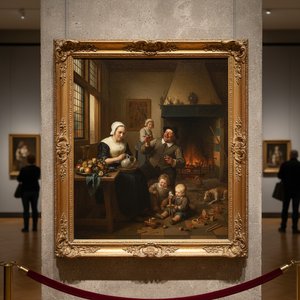
Pintura de Género Holandesa: Un Reflejo Íntimo de la Vida Cotidiana y los Valores Sociales del Siglo de Oro
Descubra la riqueza de la pintura de género holandesa del Siglo de Oro. Explore las obras maestras de Vermeer y Brueghel, su simbolismo y el reflejo de la vida cotidiana en esta época dorada. ¡Conozca más!

Luz y Sombra: Las 25 Mejores Obras Maestras de Rembrandt van Rijn
Explora las 25 obras maestras de Rembrandt y su claroscuro. Encuentra reproducciones de museo en OriginalUniqueArt.com.
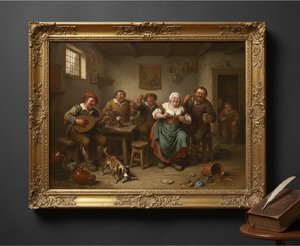
Adriaen van Ostade: A Master of Dutch Genre Painting & Social Commentary
Explore the life & work of Adriaen van Ostade, a leading Dutch Golden Age painter. Discover his realistic genre scenes, social commentary, and lasting influence on art history. Learn more at OriginalUniqueArt.

Reflejos de una Época Dorada: La Pintura Barroca Holandesa y la Innovación Cultural
Descubra la riqueza y el detalle de la pintura barroca holandesa del Siglo de Oro. Explore las obras maestras de Rembrandt, Vermeer y otros artistas clave. Análisis experto e historia cultural.

Los 10 Maestros del Barroco Holandés: Obras que Definen una Época | OriginalUniqueArt
Descubre los 10 imprescindibles del Barroco holandés: Rembrandt, Vermeer y más. Explora la historia, técnica y belleza de estas obras maestras. Reproducciones de arte en OriginalUniqueArt.com para decorar tu hogar con elegancia.


