
 Vista previa
 Compartir
 Compartir
 Ver detalles

 Descargar
 Ver similares
 Radiografía
 Presentación de diapositivas
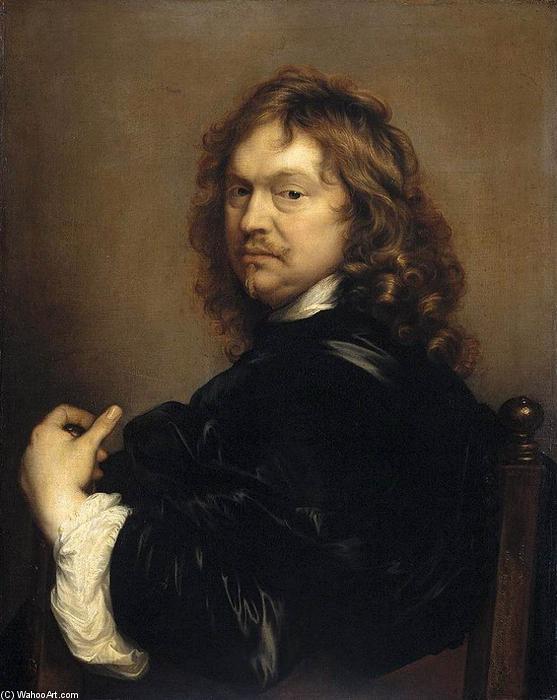
Self-Portrait


 Leer más
Giclée / Impresión de arte
Impresiones giclée o en lienzo de calidad de museo con producción rápida y opciones de acabado flexibles. ( Cambiar a pintura hecha a mano Cambiar a imagen)




P118B $10

P118H $10

P118W $10

P438Z $10

P508JH $12

P508YH $12

P805H $10

P805Z $10

P919BZ $10

P919G $10

P919XJ $10

P959ZH $10

P968JZ $12

W106C $8

W218G $10

W218JH $8

W218Y $10

W307PJ $10

W316G $10

W316PJ $8

W316Y $10

W398PJ $8

W4111J $10

W500HY $15

W500JH $15

W692G $12

W849H $8

W940BG $15

W953PJ $8




Elija entre nuestros tamaños predefinidos que respetan las proporciones originales de la obra.

Puede introducir sus propias dimensiones para adaptarse a un marco o espacio específico. Si el tamaño seleccionado no coincide con las proporciones de la imagen original, recortaremos la obra de arte o extenderemos la imagen con un borde con efecto espejo o de color sólido. Se enviará una maqueta digital para su aprobación antes de que comience la producción.
Tenga en cuenta que la vista previa en pantalla no refleja el recorte o la extensión real. Solo la maqueta mostrará con precisión la composición final.
Aunque existen tamaños personalizados, recomendamos seleccionar una dimensión de la lista predefinida para preservar las proporciones originales.
Envío a todo el mundo () en 2 semanas en lugar de las 4/5 semanas estándar. (11 agosto)

Envío exprés gratuito a todo el mundo

Lienzo de lino de alta calidad

Seguro de envío completo

Garantía de reembolso de aranceles aduaneros

Garantía de fidelidad cromática exacta

Política de devolución de 60 días (solo por defectos)

Garantía de devolución del 100% del dinero

Oferta por volumen
 La opción de vidrio solo está disponible en tamaños inferiores a 110 cm.

Self-Portrait
Giclée / Impresión de arte
Tamaño de la reproducción
-


Precio total
$ 80
Descripción de la pieza
A Window into the Seventeenth Century: Adriaen Hanneman’s Self-Portrait
Adriaen Hanneman's 1656 self-portrait offers a remarkably intimate glimpse into the world of a Dutch Golden Age artist, revealing not just his likeness but also the social and intellectual currents of his time. This painting transcends a simple depiction of an individual; it’s a carefully constructed statement about identity, status, and the burgeoning artistic conventions of the era. The work immediately draws the eye with its restrained elegance – a deliberate choice that speaks volumes about Hanneman's considered approach to portraiture.
- The Figure: Seated in a comfortable chair, likely of considerable quality given the detail, the subject presents himself as a man of means and standing. His posture is upright, suggesting confidence and self-awareness. The dark coat, adorned with a crisp white collar – a hallmark of 17th-century Dutch attire – immediately establishes his social position.
- The Face: Hanneman’s face is the focal point, rendered with meticulous realism. The subtle lines etched around his eyes and mouth hint at experience and perhaps contemplation. His mustache and beard are carefully executed, adding to the authenticity of the portrait and reflecting prevailing male beauty standards. Crucially, his expression isn't overtly cheerful or dramatic; it’s a quiet seriousness, suggesting an intellectual bent – a man accustomed to thought and observation.
- Background & Composition: The stark simplicity of the background—a plain wall—is a masterstroke. It serves to isolate the subject entirely, amplifying his importance within the frame and directing all attention towards his personality and bearing. This technique was common in portraiture during this period, prioritizing the individual over elaborate settings.
A Masterclass in Dutch Portrait Technique
Hanneman’s skill lies not just in capturing likeness but also in employing a sophisticated understanding of light, shadow, and texture. The painting is executed with a realistic style, demonstrating a deep knowledge of anatomy and the effects of light on form. Notice how he uses subtle gradations of tone to create a sense of volume and depth – particularly evident in the rendering of the clothing and the folds of his hair. This masterful use of chiaroscuro (the contrast between light and dark) lends the portrait a three-dimensional quality, making it feel remarkably lifelike.
- Brushwork: The brushstrokes are generally smooth and controlled, reflecting Hanneman’s training under Jan Antonisz. van Ravesteyn the Younger. Van Ravesteyn instilled in him a precise, sculptural approach to rendering form – a legacy that is clearly visible in the carefully modeled features of the face and the detailed fabric of the coat.
- Color Palette: The muted tones—primarily blacks, whites, and browns—are typical of Dutch portraiture during this period. These restrained colors allowed Hanneman to focus on capturing subtle nuances of expression and texture rather than relying on vibrant hues.
Historical Context & Artistic Influences
Created in 1656, this self-portrait is firmly rooted within the Dutch Golden Age – a period of unprecedented artistic flourishing fueled by wealth, trade, and intellectual curiosity. Hanneman’s work reflects the influence of his contemporary, Anthony van Dyck, whose elegant and dynamic portraits were immensely popular throughout Europe. Hanneman's early years in England further shaped his style, exposing him to new trends and broadening his artistic horizons. His time with Constantijn Huygens, a prominent poet and composer, also suggests an engagement with the intellectual life of the court.
Interestingly, Hanneman’s background as a Catholic in a predominantly Protestant Netherlands subtly informed his career trajectory, potentially influencing his subject matter and patronage networks.Symbolism & Emotional Resonance
Beyond its technical brilliance, the self-portrait carries a subtle symbolic weight. The serious expression on Hanneman's face suggests an introspective nature – perhaps reflecting his role as an artist grappling with questions of identity and representation. The formality of his attire speaks to his social standing, while the quiet dignity of his pose conveys a sense of self-assuredness. Ultimately, this painting is not merely a likeness; it’s a carefully constructed portrait of a man, a time, and an artistic sensibility – inviting us to contemplate the complexities of human experience within the context of 17th-century Dutch society.
Biografía del artista
Vida Temprana y Educación
- Adriaen Hanneman nació en La Haya, Países Bajos, alrededor de 1603 o 1604 en una adinerada familia católica patricia.
- Comenzó su formación artística en 1619 como aprendiz de Jan Antonisz. van Ravesteyn el Joven, un destacado artista retratista de La Haya.
- Van Ravesteyn inculcó a Hanneman una base en el retrato y un estilo nítido y escultórico que caracterizaría gran parte de su obra temprana.
Carrera en Inglaterra e Influencias
- En 1626, Hanneman se mudó a Inglaterra, donde permaneció durante aproximadamente dieciséis años.
- Durante este período, fue significativamente influenciado por la obra de Anthony van Dyck, quien llegó a Londres en 1632 como pintor de corte de Carlos I.
- Hanneman incluso pudo haber trabajado dentro del estudio de Van Dyck, absorbiendo su estilo elegante, paleta vibrante y pincelada dinámica.
- También conoció e influyó por otros artistas destacados como Cornelis Janssens van Ceulen y Daniel Mytens.
- Hanneman disfrutó del patrocinio de Constantijn Huygens, quien lo presentó a la corte inglesa y facilitó su avance profesional.
Regreso a La Haya y Desarrollo Artístico
- Alrededor de 1638, Hanneman regresó a La Haya y se casó con Maria van Ravesteyn, la hija de su antiguo maestro.
- Se convirtió en diácono del Gremio de San Lucas en 1645 y más tarde desempeñó un papel en la Confrerie Pictura, una sociedad de artistas que ayudó a dirigir.
- Hanneman continuó pintando retratos, principalmente emulando el estilo de Van Dyck, atendiendo a la nobleza holandesa y a los miembros de la corte inglesa exiliada que buscaron refugio en La Haya tras la Guerra Civil Inglesa.
- Sus temas incluyeron figuras prominentes como Constantijn Huygens, Carlos II (como Príncipe de Gales) y Guillermo III, Príncipe de Orange.
Últimos Años, Legado y Obras Principales
- Hanneman enfrentó dificultades financieras en sus últimos años, particularmente durante el “Rampjaar” (Año del Desastre) de 1672, un período de guerra y dificultades económicas para la República Holandesa.
- Murió en La Haya en 1671, dejando sus dibujos y grabados a su alumno Simon du Parcq.
- La herencia de Hanneman fue sorprendentemente modesta a pesar de su éxito anterior, lo que refleja el difícil clima económico de la época.
- Sus obras notables incluyen retratos de Enrique, Duque de Gloucester (National Gallery of Art, Washington D.C.), Guillermo III cuando era joven (Rijksmuseum, Amsterdam) y un retrato póstumo de María I Estuardo (Mauritshuis, Países Bajos).
- Es recordado por sus elegantes retratos cortesanos que capturaron hábilmente la apariencia y el estatus de sus aristocráticos modelos.
- Hanneman’s influencia se extendió a otros pintores, incluido Govert Flinck, lo que demuestra su impacto en el retrato holandés durante la Edad de Oro.

Adriaen Hanneman
1603 - 1671 , Países Bajos
Datos clave
- Artistas Influenciados: ['Govert Flinck']
- Artistas Que Influyeron:
- Anthony van Dyck
- Cornelis Janssens
- Daniel Mytens
- Fecha De Fallecimiento: 1671
- Fecha De Nacimiento: c. 1603
- Lugar De Nacimiento: La Haya, Países Bajos
- Movimiento Artístico: Retrato Edad Dorada
- Nacionalidad: Holandés
- Nombre Completo: Adriaen Hanneman
- Obras Notables:
- Duque Enrique de Gloucester
- Guillermo III niño
- María I Estuardo
- Cristiaan Huygens
Artículos relacionados

Los 10 Maestros del Siglo de Oro Holandés: Arte, Historia y Decoración Exclusiva
Descubre los 10 imprescindibles del Siglo de Oro Holandés: Rembrandt, Vermeer y más. Explora la historia, técnica y belleza de estos lienzos clásicos. Encuentra reproducciones de arte exclusivas para decorar tu hogar en .

Reflejos de una Época Dorada: La Pintura Barroca Holandesa y la Innovación Cultural
Descubra la riqueza y el detalle de la pintura barroca holandesa del Siglo de Oro. Explore las obras maestras de Rembrandt, Vermeer y otros artistas clave. Análisis experto e historia cultural.

Ferdinand Bol (1616-1680): A Dutch Master of Portraiture & Dramatic Light
Explore the captivating world of Ferdinand Bol (1616-1680), a master Dutch portraitist deeply influenced by Rembrandt. Discover his life, style, and enduring legacy with OriginalUniqueArt.

Rembrandt van Rijn: A Life Illuminated – Innovation, Emotion, and the Dutch Golden Age
Explore the life & art of Rembrandt van Rijn, a Dutch Golden Age master. Discover his innovative techniques, iconic paintings like 'The Night Watch', and enduring legacy. Expert insights for collectors & enthusiasts.
Gerard van Honthorst: Illuminating the Dutch Golden Age with Caravaggism & Courtly Grace
Explore the captivating world of Gerard van Honthorst, a Dutch Golden Age master renowned for his dramatic chiaroscuro & courtly portraits. Discover his life, art, and lasting influence on Baroque painting.

