

 Ver en contexto
 Enviar
 Compartir
 Detalles
 Guía
Guía

 Descargar
 Similares
 Radiografía
 Presentación de diapositivas
 Estadísticas
The Smokers
 Oil On Panel
- Flemish Baroque
 1638
1638 41.0 x 37.0 cm
 English Heritage
 Ver más
Giclée / Impresión de arte
Impresiones giclée o en lienzo de calidad de museo con producción rápida y opciones de acabado flexibles. ( Comprar pintura hecha a mano Cambiar a imagen digital)




P118B €10

P118H €10

P118W €10

P438Z €10

P508JH €12

P508YH €12

P805H €10

P805Z €10

P919BZ €10

P919G €10

P919XJ €10

P959ZH €10

P968JZ €12

W106C €8

W218G €10

W218JH €8

W218Y €10

W307PJ €10

W316G €10

W316PJ €8

W316Y €10

W398PJ €8

W4111J €10

W500HY €15

W500JH €15

W692G €12

W849H €8

W940BG €15

W953PJ €8




Elija entre nuestros tamaños predefinidos que respetan las proporciones originales de la obra.

Introduzca el ancho y el alto que necesite para adaptarse a su marco o pared. Una impresión solo puede recortarse, nunca hacerse más grande que la imagen original, por lo que un tamaño con una forma distinta perderá parte de la obra. Le enviaremos una maqueta digital para su aprobación antes de realizar cualquier impresión. La imagen que se muestra en esta página no refleja el recorte real; solo la maqueta lo hace.
Envío a todo el mundo () en 2 semanas en lugar de las 4/5 semanas estándar. (27 octubre)

Envío exprés gratuito a todo el mundo

Lienzo de lino de alta calidad

Seguro de envío total

Garantía de reembolso de aranceles aduaneros

Garantía de fidelidad cromática exacta

Política de devolución de 100 días (solo por defectos)

Garantía de devolución del 100% del dinero

Descuento por cantidad
 La opción de vidrio solo está disponible en tamaños inferiores a 110 cm.

The Smokers
Giclée / Impresión de arte
Dimensiones de la reproducción
-


Precio total final
€ 70
A Snapshot of Dutch Life: Adriaen Brouwer’s “The Smokers”
Adriaen Brouwer's "The Smokers," painted around 1636, isn’t merely a depiction of men enjoying a pipe; it’s a vibrant window into the social fabric and everyday realities of 17th-century Flanders. This remarkable oil on wood panel, now residing within the hallowed halls of the Metropolitan Museum of Art in New York, captures a moment of convivial chaos—a scene brimming with life, humor, and subtle commentary on the era’s values. Brouwer, a master of genre painting, eschewed the idealized portraits favored by many of his contemporaries, instead choosing to portray the lives of ordinary people – peasants, soldiers, tavern patrons – in all their earthy glory.
A Composition Steeped in Realism and Drama
The scene unfolds within a dimly lit interior, likely a tavern or communal gathering space. Five figures dominate the composition: a central man, presumably Brouwer himself, leans forward, puffing on his pipe with an expression of surprised delight; to his right, another man lies sprawled on the floor, equally absorbed in his smoking pastime. A third man is seated at a table, engaged in a game of cards, while a fourth man enters through a doorway, adding a dynamic element to the tableau. A woman stands by a window, observing the scene with a detached air—a subtle reminder of the domestic sphere and perhaps a hint of social commentary on the roles of men and women at the time. Brouwer’s masterful use of light and shadow creates a palpable sense of depth and atmosphere, drawing the viewer into this intimate slice of life.
Technique and Style: A Masterclass in Observation
Brouwer's technique is characterized by its remarkable realism and attention to detail. He wasn’t interested in romanticizing or idealizing his subjects; instead, he meticulously observed their postures, expressions, and clothing, rendering them with astonishing accuracy. The brushstrokes are loose and expressive, conveying a sense of movement and spontaneity. Notice the subtle variations in skin tones, the wrinkles around the eyes, and the way the smoke curls from the pipes—these details contribute to the painting’s overall sense of authenticity. Brouwer's style is often described as “tronies”—studies of facial expressions that capture fleeting emotions and psychological states. “The Smokers” exemplifies this approach, offering a glimpse into the inner lives of its subjects.
Symbolism and Social Commentary
Beyond its immediate visual appeal, "The Smokers" is rich in symbolic meaning. Smoking itself was a relatively new practice in 17th-century Europe, initially associated with the upper classes and considered somewhat decadent. Brouwer’s depiction of men casually enjoying pipes challenges this perception, suggesting that even the common folk embraced this pastime. The scene also subtly critiques social hierarchies—the seated man playing cards, the lying figure on the floor—reflecting a world where status was often determined by wealth and leisure. The woman observing from the window represents the watchful eye of society, reminding us that these moments of revelry were always subject to scrutiny.
An Enduring Legacy: A Window into the Past
"The Smokers" remains a powerful testament to Adriaen Brouwer’s artistic genius and his ability to capture the essence of human experience. It's more than just a painting; it’s a social document, a psychological study, and a celebration of everyday life—a timeless masterpiece that continues to fascinate and inspire viewers centuries after its creation. Reproductions of this iconic work offer a remarkable opportunity to bring this vibrant scene into your home, inviting you to contemplate the complexities of human nature and the enduring appeal of simple pleasures.
Preguntas y respuestas
¿Qué lugar ocupa "The Smokers" entre los temas recurrentes de Adriaen Brouwer?
"The Smokers" representa smoking, tavern, peasants, leisure, observation, dutch life, genre scene, mientras que los temas recurrentes de Adriaen Brouwer son flemish genre traditions, social commentary, 17th-century dutch life, customs, peasant realism, everyday scenes, brouwer’s comedic style, observation. Al comparar ambos, se observa cómo la obra se relaciona con los temas habituales del artista.
¿Es "The Smokers" de Adriaen Brouwer de dominio público?
En cuanto a los derechos de autor, "The Smokers" es en el dominio público: sus derechos de autor han expirado.
¿Quién creó "The Smokers" y en qué año?
Adriaen Brouwer creó "The Smokers" en 1638.
Biografía del artista
Primeros Años y Trasfondo
- Nacimiento: Oudenaarde, Bélgica (1605/1635)
- Fallecimiento: 1638
- Su padre era diseñador de tapices.
- Adriaen Brouwer enfrentó dificultades desde temprana edad; la muerte de su padre a los 15 años lo obligó a dejar su hogar.
Desarrollo Artístico y Pintura de Género
- Brouwer se hizo conocido por sus vívidas representaciones de la vida cotidiana, particularmente escenas con campesinos, soldados y gente común.
- Fue un innovador clave en la pintura de género – arte que retrata escenas de la vida ordinaria.
- Sus pinturas a menudo representaban beber, fumar, jugar cartas y otras actividades de las clases bajas.
- Obras notables incluyen "Pobres bebiendo en una taberna", "Pequeños agricultores jugando a las cartas", "El Fumador", "La Schlachtfest", "La Riña", "Paisaje iluminado por la luna", "Campesino borracho en una taberna", "Campesinos jugando a las cartas en una taberna" y "Bebedores en el patio".
Influencias y Estilo Artístico
- Primitivos Flamencos: El trabajo de Brouwer estuvo influenciado por el realismo detallado de los pintores primitivos flamencos.
- Arte Barroco: Sus pinturas a menudo incorporaban una iluminación dramática e intensas emociones, características del arte barroco.
- Su estilo mezclaba realismo con un sentido del humor y observación animada.
Legado e Influencia
- El trabajo de Brouwer influyó significativamente en generaciones posteriores de pintores flamencos y holandeses.
- Ayudó a establecer la pintura de género como una fuerza importante en el arte del siglo XVII.
- David Teniers el Joven fue uno de los artistas que se inspiraron en el enfoque innovador de Brouwer para representar la vida cotidiana.
Significado Histórico
- Las pinturas de Brouwer ofrecen valiosas perspectivas sobre las costumbres sociales y las rutinas diarias de Flandes y la República Holandesa en el siglo XVII.
- Su enfoque en personas comunes elevó la pintura de género, contribuyendo a su creciente popularidad e importancia dentro del mundo del arte.
- Sus obras se conservan en museos como el Koninklijk Museum voor Schone Kunsten en Amberes, Bélgica.

Adriaen Brouwer
1635 - 1638 , Bélgica
Datos clave
- Artistas Influenciados: ['David Teniers el Joven']
- Artistas Que Influyeron: ['Primitivos flamencos']
- Fecha De Fallecimiento: 1638
- Fecha De Nacimiento: 1605 (aproximada)
- Lugar De Nacimiento: Oudenarde, Bélgica
- Movimiento Artístico: Barroco, género
- Nacionalidad: Flamenco
- Nombre Completo: Adriaen Brouwer
- Obras Notables:
- Pobres bebiendo en taberna
- Pequeños campesinos jugando cartas
- El fumador
- La Schlachtfest
- La pelea
- Paisaje iluminado por la luna
- Campesino borracho en taberna
- Campesinos jugando a las cartas
- Bebedores en el patio
Artículos relacionados
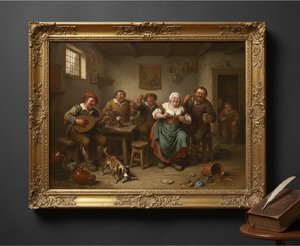
Adriaen van Ostade: A Master of Dutch Genre Painting & Social Commentary
Explore the life & work of Adriaen van Ostade, a leading Dutch Golden Age painter. Discover his realistic genre scenes, social commentary, and lasting influence on art history. Learn more at OriginalUniqueArt.
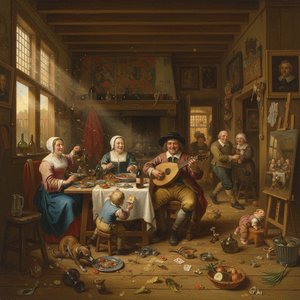
Jan Steen: A Master of Dutch Genre Painting & the Golden Age
Explore the life & art of Jan Steen, a leading Dutch Golden Age painter renowned for his humorous genre scenes & insightful social commentary. Discover his techniques, legacy, and collecting tips.
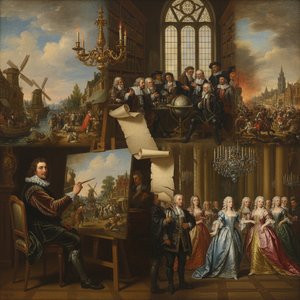
Illuminating a Century of Change: Artistic Expression & Societal Shifts in 17th-Century Europe
Explore the artistic brilliance of the 17th-century Dutch Golden Age & Baroque period. Discover Rembrandt, genre painting, and chiaroscuro techniques. Expert insights for art lovers & collectors.

Adriaen Brouwer: Capturing Dutch Life & Social Commentary Through Genre Painting
Explore the captivating world of Adriaen Brouwer, a master of Dutch Golden Age genre painting. Discover his vivid depictions of peasant life, social commentary, and lasting influence on art history. Learn more at OriginalUniqueArt.
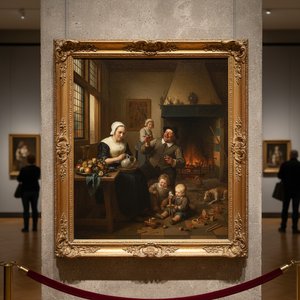
Pintura de Género Holandesa: Un Reflejo Íntimo de la Vida Cotidiana y los Valores Sociales del Siglo de Oro
Descubra la riqueza de la pintura de género holandesa del Siglo de Oro. Explore las obras maestras de Vermeer y Brueghel, su simbolismo y el reflejo de la vida cotidiana en esta época dorada. ¡Conozca más!


