
 Ver en contexto
 Enviar
 Compartir
 Detalles
 Guía
Guía

 Descargar
 Similares
 Radiografía
 Presentación de diapositivas
 Q&A
Q&A Estadísticas
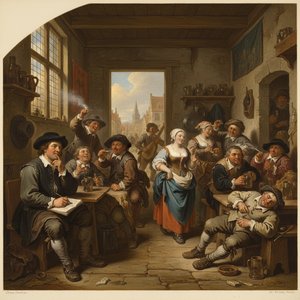
The master of drinking

- 39.0 x 52.0 cm


 Ver más
Giclée / Impresión de arte
Impresiones giclée o en lienzo de calidad de museo con producción rápida y opciones de acabado flexibles. ( Comprar pintura hecha a mano Cambiar a imagen digital)




P118B €10

P118H €10

P118W €10

P438Z €10

P508JH €12

P508YH €12

P805H €10

P805Z €10

P919BZ €10

P919G €10

P919XJ €10

P959ZH €10

P968JZ €12

W106C €8

W218G €10

W218JH €8

W218Y €10

W307PJ €10

W316G €10

W316PJ €8

W316Y €10

W398PJ €8

W4111J €10

W500HY €15

W500JH €15

W692G €12

W849H €8

W940BG €15

W953PJ €8




Elija entre nuestros tamaños predefinidos que respetan las proporciones originales de la obra.

Introduzca el ancho y el alto que necesite para adaptarse a su marco o pared. Una impresión solo puede recortarse, nunca hacerse más grande que la imagen original, por lo que un tamaño con una forma distinta perderá parte de la obra. Le enviaremos una maqueta digital para su aprobación antes de realizar cualquier impresión. La imagen que se muestra en esta página no refleja el recorte real; solo la maqueta lo hace.
Envío a todo el mundo () en 2 semanas en lugar de las 4/5 semanas estándar. (1 noviembre)

Envío exprés gratuito a todo el mundo

Lienzo de lino de alta calidad

Seguro de envío total

Garantía de reembolso de aranceles aduaneros

Garantía de fidelidad cromática exacta

Política de devolución de 100 días (solo por defectos)

Garantía de devolución del 100% del dinero

Descuento por cantidad
 La opción de vidrio solo está disponible en tamaños inferiores a 110 cm.

The master of drinking
Giclée / Impresión de arte
Dimensiones de la reproducción
-


Precio total final
€ 71
A Glimpse into the Heart of Flemish Revelry
In the intimate, dimly lit corners of a 17th-century tavern, Adriaen Brouwer captures a moment of raw, uninhibited human connection in his masterpiece, The Master of Drinking. This evocative oil on panel painting serves as a window into the boisterous soul of the Flemish Baroque era, transporting the viewer directly into a scene of communal joy and spirited conviviality. The composition centers around a rustic dining table, where a group of at least nine individuals are gathered in various states of engagement. Some figures lean forward in animated conversation, while others sit back, perhaps momentarily lost in the heady atmosphere of the gathering. Through his masterful command of the genre, Brouwer does not merely depict a meal; he captures the very essence of camaraderie, where the clinking of bottles and the low hum of voices create a palpable sense of life.
The technical brilliance of this work lies in Brouwer’s sophisticated use of chiaroscuro. By manipulating light and shadow, the artist breathes three-dimensional depth into the room, allowing the flickering candlelight or dim ambient glow to sculpt the faces and gestures of his subjects. This dramatic lighting is a hallmark of the Baroque style, used here to heighten the emotional intensity of the scene. The shadows are not merely dark spaces but are rich with mystery, pushing the brightly lit figures toward the foreground and drawing the observer into the circle of friends. Every brushstroke contributes to a sense of texture—from the rough grain of the wooden table to the glint of light on glass bottles—making the atmosphere feel heavy with the scent of ale and the warmth of shared laughter.
The Art of the Everyday: Symbolism and Legacy
Beyond its surface-level depiction of a social gathering, The Master of Drinking resonates with the profound themes of 17th-century genre painting. Brouwer was a pioneer in elevating the "low" subjects of peasant life and tavern scenes to the level of high art. In this piece, the simple presence of bottles and shared food acts as a symbol of the fleeting nature of earthly pleasures—a common motif in Baroque thought. Yet, there is no sense of mourning here; instead, there is an unapologetic celebration of the present moment. The painting invites collectors and enthusiasts to contemplate the beauty found in the mundane, suggesting that true artistry lies in the ability to find the extraordinary within the ordinary rhythms of human existence.
For the discerning interior designer or art collector, a high-quality reproduction of this work offers more than just decoration; it provides a focal point of historical depth and emotional warmth. The earthy tones and dramatic composition make it an ideal centerpiece for spaces that value character and storytelling, such as a private library, a sophisticated study, or a dining room designed for hosting. Owning a piece inspired by Brouwer’s legacy means bringing a fragment of the Dutch and Flemish Golden Age into the modern home—a timeless reminder of the enduring power of human connection and the vibrant, messy, and beautiful reality of life.
Preguntas y respuestas
¿Es "The master of drinking" de Adriaen Brouwer una obra de tonos claros u oscuros?
Los valores registrados para "The master of drinking" de Adriaen Brouwer son: deep_shadow de brillo y Dark de luminancia.
¿Es "The master of drinking" de Adriaen Brouwer de dominio público?
En cuanto a los derechos de autor, "The master of drinking" es en el dominio público: sus derechos de autor han expirado.
¿Qué técnica se utilizó para "The master of drinking" de Adriaen Brouwer?
Adriaen Brouwer utilizó la técnica de Oil On Panel para "The master of drinking". La técnica define la naturaleza material de la obra original.
Biografía del artista
Primeros Años y Trasfondo
- Nacimiento: Oudenaarde, Bélgica (1605/1635)
- Fallecimiento: 1638
- Su padre era diseñador de tapices.
- Adriaen Brouwer enfrentó dificultades desde temprana edad; la muerte de su padre a los 15 años lo obligó a dejar su hogar.
Desarrollo Artístico y Pintura de Género
- Brouwer se hizo conocido por sus vívidas representaciones de la vida cotidiana, particularmente escenas con campesinos, soldados y gente común.
- Fue un innovador clave en la pintura de género – arte que retrata escenas de la vida ordinaria.
- Sus pinturas a menudo representaban beber, fumar, jugar cartas y otras actividades de las clases bajas.
- Obras notables incluyen "Pobres bebiendo en una taberna", "Pequeños agricultores jugando a las cartas", "El Fumador", "La Schlachtfest", "La Riña", "Paisaje iluminado por la luna", "Campesino borracho en una taberna", "Campesinos jugando a las cartas en una taberna" y "Bebedores en el patio".
Influencias y Estilo Artístico
- Primitivos Flamencos: El trabajo de Brouwer estuvo influenciado por el realismo detallado de los pintores primitivos flamencos.
- Arte Barroco: Sus pinturas a menudo incorporaban una iluminación dramática e intensas emociones, características del arte barroco.
- Su estilo mezclaba realismo con un sentido del humor y observación animada.
Legado e Influencia
- El trabajo de Brouwer influyó significativamente en generaciones posteriores de pintores flamencos y holandeses.
- Ayudó a establecer la pintura de género como una fuerza importante en el arte del siglo XVII.
- David Teniers el Joven fue uno de los artistas que se inspiraron en el enfoque innovador de Brouwer para representar la vida cotidiana.
Significado Histórico
- Las pinturas de Brouwer ofrecen valiosas perspectivas sobre las costumbres sociales y las rutinas diarias de Flandes y la República Holandesa en el siglo XVII.
- Su enfoque en personas comunes elevó la pintura de género, contribuyendo a su creciente popularidad e importancia dentro del mundo del arte.
- Sus obras se conservan en museos como el Koninklijk Museum voor Schone Kunsten en Amberes, Bélgica.

Adriaen Brouwer
1635 - 1638 , Bélgica
Datos clave
- Artistas Influenciados: ['David Teniers el Joven']
- Artistas Que Influyeron: ['Primitivos flamencos']
- Fecha De Fallecimiento: 1638
- Fecha De Nacimiento: 1605 (aproximada)
- Lugar De Nacimiento: Oudenarde, Bélgica
- Movimiento Artístico: Barroco, género
- Nacionalidad: Flamenco
- Nombre Completo: Adriaen Brouwer
- Obras Notables:
- Pobres bebiendo en taberna
- Pequeños campesinos jugando cartas
- El fumador
- La Schlachtfest
- La pelea
- Paisaje iluminado por la luna
- Campesino borracho en taberna
- Campesinos jugando a las cartas
- Bebedores en el patio
Artículos relacionados
David Teniers the Younger: Genre Painting & Social Commentary in Baroque Flanders
Explore the captivating world of David Teniers the Younger, a leading Flemish Baroque painter. Discover his genre scenes, social commentary, and lasting influence on 17th-century art. Learn about his life, techniques & legacy.

Flemish Baroque: The Ultimate Masterclass in Dramatic Light, Opulent Detail, and Visual Impact
Discover the breathtaking drama of Flemish Baroque art. Explore the mastery of Rubens and Van Dyck through an expert lens, focusing on chiaroscuro, opulent detail, and the emotional intensity that defines this legendary era of visual impact.

Mastering Drama and Light: A Definitive Guide to the Flemish Baroque Art Movement
Explore the dramatic brilliance of the Flemish Baroque movement. Discover how masters like Peter Paul Rubens utilized chiaroscuro and dynamic composition to redefine art history through light, shadow, and unparalleled emotion.

The Visceral Stage: Exploring Dramatic Narratives & Emotional Intensity in Baroque Art
Explore the dramatic world of Baroque art! Discover iconic masters like Caravaggio & Rembrandt, their techniques, and the movement's lasting impact. Expert insights for collectors & enthusiasts at OriginalUniqueArt.

The Dramatic Flourish: Exploring the Baroque Movement's Enduring Legacy in Art History
Explore the dramatic world of Baroque art! Discover iconic artists like Caravaggio & Rubens, defining techniques, and its lasting impact on art history. Expert insights for collectors & enthusiasts at OriginalUniqueArt.


