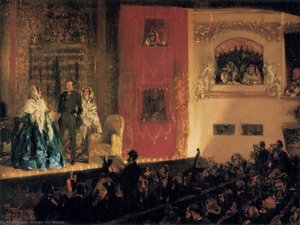
Vista previa
 Compartir
 Compartir
 Ver detalles
 Guía
Guía

 Descargar
 Ver artículos similares
 Radiografía
 Presentación de diapositivas
 Estadísticas
German Atelierwand
 Oil On Canvas
- WallArt
- Realism
 1872
1872 111.0 x 79.0 cm
 Hamburger Kunsthalle
 Leer más
Reproducción al óleo hecha a mano
Óleo sobre lienzo pintado a mano en el tamaño y marco de su elección, realizado por encargo por nuestros artistas. ( Cambiar a formato impreso Ver versión en imagen digital)




P118B $10

P118H $10

P118W $10

P438Z $10

P508JH $12

P508YH $12

P805H $10

P805Z $10

P919BZ $10

P919G $10

P919XJ $10

P959ZH $10

P968JZ $12

W106C $8

W218G $10

W218JH $8

W218Y $10

W307PJ $10

W316G $10

W316PJ $8

W316Y $10

W398PJ $8

W4111J $10

W500HY $15

W500JH $15

W692G $12

W849H $8

W940BG $15

W953PJ $8




Elija entre nuestros tamaños predefinidos que respetan las proporciones originales de la obra.

Puede ingresar sus propias dimensiones para adaptarse a un marco o espacio específico. Si el tamaño seleccionado no coincide con las proporciones de la imagen original, recortaremos la obra o extenderemos la pintura con elementos adicionales pintados a mano. Se le enviará una maqueta digital para su aprobación antes de comenzar la producción.
Tenga en cuenta que la vista previa en pantalla no refleja el recorte o la extensión reales. Solo la maqueta mostrará con precisión la composición final.
Si bien existen tamaños personalizados, recomendamos seleccionar una dimensión de la lista predefinida para preservar las proporciones originales.
Tras realizar el pedido, el equipo de OriginalUniqueArt.com enviará un correo electrónico al cliente para solicitar instrucciones y proporcionarle una vista previa del boceto.
Envío a todo el mundo () en 3-4 semanas en lugar de las 5 semanas estándar. (25 septiembre). Sin comprometer la calidad.

Envío exprés gratuito a todo el mundo

Lienzo de lino de alta calidad

Seguro de envío completo

Garantía de reembolso de impuestos aduaneros

Garantía de fidelidad cromática exacta

Política de devolución de 100 días (solo por defectos)

Garantía de devolución del 100% del dinero

Oferta por volumen
 La opción de vidrio solo está disponible en tamaños inferiores a 110 cm.

German Atelierwand
Técnica de reproducción
Tamaño de la reproducción
-


Precio total
$ 575
A Chaotic Symphony of Faces: Unpacking Adolph von Menzel’s “German Atelierwand”
Adolph von Menzel's "German Atelierwand" (1872) isn’t merely a painting; it’s an immersive experience, a visual plunge into the depths of human consciousness. Immediately arresting, the work confronts the viewer with a densely packed tableau – a swirling vortex of hundreds of faces emerging from a suffocatingly dark background. It's a scene that simultaneously evokes claustrophobia and overwhelming presence, hinting at both judgment and profound melancholy. Menzel, a master of realism and a keen observer of his time, doesn’t offer easy answers or comforting narratives; instead, he presents us with a raw, unsettling exploration of mortality, power, and the burden of history.
The painting's genesis lies within Menzel’s own studio – specifically, a wall in his workshop. This intimate setting lends an air of vulnerability to the scene, suggesting that these faces aren’t merely representations but fragments of the artist’s own psyche and perhaps reflections on the artistic process itself. The sheer number of portraits, ranging from recognizable historical figures to distorted, almost grotesque visages, creates a sense of collective memory, a chaotic archive of human experience.
Expressionist Roots in a Realist Framework
While firmly rooted in the tenets of German Realism – Menzel’s meticulous attention to detail and his commitment to portraying life as he saw it – “German Atelierwand” exhibits characteristics that foreshadow Expressionism. The fractured lines, the jarring juxtapositions of light and shadow, and the overwhelming emotional intensity all point towards a desire to convey inner turmoil rather than simply depict external reality. Menzel’s use of impasto—thickly applied paint—further amplifies this effect, creating a tactile surface that vibrates with energy and contributes significantly to the painting's unsettling atmosphere.
The technique itself is masterful. Menzel employs a layered approach, building up the composition through countless glazes and brushstrokes. This creates a remarkable sense of depth and movement, as if the faces are constantly shifting and merging within the darkness. The color palette—dominated by deep reds, browns, and ochres—reinforces this feeling of gloom and foreboding, punctuated only by the stark highlights that illuminate certain features, drawing our attention to their anguish or perhaps their silent judgment.
Symbolism and Historical Weight
Beyond its immediate visual impact, “German Atelierwand” is rich in symbolic potential. The dark background can be interpreted as representing the unknown, the void of death, or perhaps the collective unconscious. The faces themselves are not simply individuals; they embody a multitude of historical figures, memories, and anxieties. Some scholars have suggested that Menzel was alluding to the concept of “damned souls” – a common theme in medieval art—while others see echoes of the Nuremberg Trials and the weight of past injustices. The inclusion of plaster casts, particularly the headless torso, adds another layer of complexity, hinting at themes of mortality, fragmentation, and the ephemeral nature of beauty.
The painting’s creation coincided with a period of significant social and political upheaval in Germany, marked by rising nationalism and anxieties about the future. Menzel's work reflects these concerns, offering a powerful meditation on the human condition amidst times of uncertainty. It is a testament to his ability to capture not just the outward appearance of reality but also the underlying currents of emotion and thought that shape our experience.
A Timeless Masterpiece: Reproduction Possibilities
“German Atelierwand” remains a profoundly moving and intellectually stimulating work of art. OriginalUniqueArt offers meticulously crafted, hand-painted reproductions that faithfully capture Menzel’s original vision—the dramatic lighting, the intricate detail, and the overwhelming emotional intensity. These reproductions provide an exceptional opportunity to bring this iconic masterpiece into your home or office, allowing you to contemplate its enduring power and symbolism for years to come.
Biografía del artista
Una vida dedicada a la excelencia artística (1815-1905)
Adolph Friedrich Erdmann von Menzel, un artista realista alemán, dejó una huella imborrable en el mundo del arte con sus dibujos, grabados y pinturas. Nacido en Breslau, Silesia (actualmente Wrocław, Polonia), el 8 de diciembre de 1815, la vida de Menzel fue un testimonio de su dedicación a capturar la esencia de la realidad a través de su arte.Primeros años y formación
El padre de Menzel, un litógrafo, inicialmente pretendía que su hijo se convirtiera en profesor. Sin embargo, la pasión por el arte de Adolph prevaleció, llevándolo a estudiar brevemente en la Academia de Arte de Berlín en 1833. Posteriormente, se convirtió en autodidacta, perfeccionando sus habilidades a través de una práctica incansable.Logros artísticos y evolución
- El taller de forja (1872-1875), una obra maestra que muestra la aguda observación y el dominio técnico de Menzel. Esta pintura monumental retrata el proceso industrial con un realismo asombroso, capturando la energía y el movimiento de los trabajadores y las máquinas.
- El mercado de Verona, un testimonio de su capacidad para capturar la atmósfera de la vida cotidiana. Menzel se destacaba en representar escenas urbanas con gran detalle y vitalidad.
- Predicación en la iglesia parroquial de Innsbruck (1857), un ejemplo impresionante de su maestría, que se encuentra en la colección del museo Hugo Fischer (Bühl, Alemania). Esta obra demuestra su habilidad para representar figuras humanas y escenas religiosas con gran realismo y expresividad.
- Menzel también es conocido por sus pinturas históricas, como Fritz Coburgo en la batalla de Kerschenfeld, que reflejan su interés por la historia prusiana y su habilidad para representar eventos históricos con dramatismo y precisión.
Influencias y legado
La reputación póstuma de Menzel se basó en gran medida en sus trabajos gráficos y pinturas informales. Su influencia se extendió más allá de Alemania; Edgar Degas admiraba y copiaba su obra, llamándolo "el maestro vivo más grande". La asociación de Menzel con el arte francés e inglés es evidente en sus pinturas de género, como la ventana francesa y el jardín del palacio del príncipe Alberto. Su capacidad para capturar la luz y la atmósfera, así como su atención al detalle, lo convirtieron en un artista influyente. Menzel fue un cronista visual de su época, documentando la vida cotidiana, los avances industriales y los eventos históricos con una precisión y un realismo sin precedentes. Su legado perdura como uno de los artistas más importantes del siglo XIX alemán, reconocido por su habilidad técnica, su aguda observación y su capacidad para capturar la esencia de la realidad.Museos que exhiben obras de Menzel
Experimente la brillantez del arte de Adolph von Menzel explorando sus obras en OriginalUniqueArt.com.
Adolph von Menzel
1815 - 1905 , Polonia
Datos clave
- Artistas Que Influyeron: ['Edgar Degas']
- Estilo Artístico: Realismo alemán
- Fecha De Fallecimiento: 1905
- Fecha De Nacimiento: 8 de diciembre de 1815
- Influencia Artística: ['Franz Ritter von Stuck']
- Lugar De Nacimiento: Wrocław, Polonia
- Nacionalidad: Alemán
- Nombre Completo: Adolph Friedrich Erdmann von Menzel
- Obras Notables:
- Molino de hierro (1872-1875)
- El mercado de Verona
- Kanzelpredigt en Innsbruck (1857)
Artículos relacionados
Fritz von Uhde: Bridging Realism & Symbolism in Late 19th-Century German Painting
Explore the captivating world of Fritz von Uhde, a pivotal German painter bridging Realism & Symbolism. Discover his plein-air techniques, religious themes, and influence on modern art. Learn about this fascinating artist at OriginalUniqueArt.

10 Obras Maestras del Realismo Romántico que Debes Conocer
Explora la emoción y el detalle del Realismo Romántico. Un viaje por 10 obras maestras que capturan la esencia humana con técnica y alma. Encuentra inspiración y reproducciones de calidad museo para tu hogar en OriginalUniqueArt.com. ¡Descubre toda la colección online!

Adolph von Menzel: Realism, Prussian Society & the Painterly Chronicle of a Changing Era
Explore the life & work of Adolph von Menzel, a leading German Realist painter. Discover his detailed depictions of Prussian society, innovative techniques, and lasting influence on art history. Hand-painted reproductions available at OriginalUniqueArt.

Anton von Werner: Imperial Painter, Historical Witness & Shifting German Identity
Explore the life & work of Anton von Werner, Imperial Germany's leading painter. Discover his dramatic depictions of war, unification, and court life – a fascinating insight into 19th-century German history & art.

The Evocative Embrace of Reality: Exploring Romantic Realism in 19th-Century Painting
Explore the captivating world of Romantic Realism! Discover key artists like Courbet & Millet, masterpieces, and the social context behind this influential art movement. Expert insights for collectors at OriginalUniqueArt.