Ver en contexto
 Enviar
 Compartir
 Detalles
 Guía
Guía

 Descargar
 Similares
 Radiografía
 Presentación de diapositivas
 Estadísticas
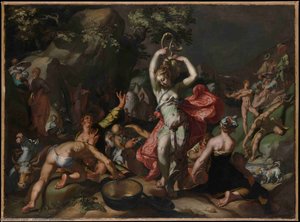
The Bagpiper


 Ver más
Giclée / Impresión de arte
Impresiones giclée o en lienzo de calidad de museo con producción rápida y opciones de acabado flexibles. ( Comprar pintura hecha a mano Cambiar a imagen digital)




P118B €10

P118H €10

P118W €10

P438Z €10

P508JH €12

P508YH €12

P805H €10

P805Z €10

P919BZ €10

P919G €10

P919XJ €10

P959ZH €10

P968JZ €12

W106C €8

W218G €10

W218JH €8

W218Y €10

W307PJ €10

W316G €10

W316PJ €8

W316Y €10

W398PJ €8

W4111J €10

W500HY €15

W500JH €15

W692G €12

W849H €8

W940BG €15

W953PJ €8




Elija entre nuestros tamaños predefinidos que respetan las proporciones originales de la obra.

Introduzca el ancho y el alto que necesite para adaptarse a su marco o pared. Una impresión solo puede recortarse, nunca hacerse más grande que la imagen original, por lo que un tamaño con una forma distinta perderá parte de la obra. Le enviaremos una maqueta digital para su aprobación antes de realizar cualquier impresión. La imagen que se muestra en esta página no refleja el recorte real; solo la maqueta lo hace.
Envío a todo el mundo () en 2 semanas en lugar de las 4/5 semanas estándar. (27 octubre)

Envío exprés gratuito a todo el mundo

Lienzo de lino de alta calidad

Seguro de envío total

Garantía de reembolso de aranceles aduaneros

Garantía de fidelidad cromática exacta

Política de devolución de 100 días (solo por defectos)

Garantía de devolución del 100% del dinero

Descuento por cantidad
 La opción de vidrio solo está disponible en tamaños inferiores a 110 cm.

The Bagpiper
Giclée / Impresión de arte
Dimensiones de la reproducción
-


Precio total final
€ 70
Abraham Bloemaert’s “The Bagpiper”: A Window into 18th-Century Dutch Life
Abraham Bloemaert's "The Bagpiper," painted around 1620, is more than just a portrait; it’s a meticulously crafted snapshot of a bygone era. This arresting image captures an older man, likely a traveling musician or itinerant entertainer, immersed in his craft – playing both a small flute and a larger horn-like instrument. The painting immediately draws the viewer into its world with a dramatic interplay of light and shadow, characteristic of the Baroque style that Bloemaert so masterfully employed. The dark, indistinct background serves to heighten the subject’s presence, creating a sense of depth and intimacy as if we are witnessing a private moment.
Bloemaert's skill lies not only in his ability to render realistic textures – from the intricate folds of the man’s waistcoat to the feathered adornments on his tricorn hat – but also in his masterful use of chiaroscuro. The strong directional light, originating seemingly from an unseen source above and slightly to the left, sculpts the subject's face, emphasizing wrinkles and lines that speak volumes about age and experience. This dramatic lighting isn’t merely decorative; it imbues the scene with a palpable sense of melancholy, hinting at a life lived on the road, perhaps filled with both joy and hardship.
A Masterpiece of Baroque Detail
Examining the painting closely reveals Bloemaert's dedication to detail. The artist’s meticulous attention to the fabrics—the rich velvets, sturdy wools, and delicate lace—demonstrates a deep understanding of material properties. The rendering of the musical instruments themselves is particularly noteworthy; each curve and surface reflects light in a way that suggests both their functional purpose and their inherent beauty. Notice, too, the subtle variations in color within the fabrics – hints of crimson, gold, and brown – adding layers of visual interest and contributing to the overall sense of realism.
Bloemaert’s technique is firmly rooted in the Baroque tradition, yet he possesses a unique sensibility that distinguishes his work. He skillfully balances realistic representation with an expressive quality, conveying not just what the subject *looks* like but also how they *feel*. The pyramidal composition—with the man's face forming the apex—provides stability and directs the viewer’s eye towards the central figure, reinforcing his importance within the scene.
Symbolism and Context
“The Bagpiper” offers a glimpse into 18th-century Dutch society. The subject’s attire – the tricorn hat, waistcoat, and breeches – are typical of the period, reflecting a blend of formality and practicality. The musical instruments themselves hold symbolic significance; they represent his profession and livelihood, suggesting a life dedicated to entertainment and travel. Considering Bloemaert's own career trajectory—his time in Paris absorbing influences from various artistic movements—it’s clear that this painting is the culmination of years of study and experimentation.
Furthermore, the painting can be interpreted as a meditation on themes of aging, experience, and the transient nature of life. The man's weathered appearance and melancholic expression invite contemplation about the passage of time and the stories etched onto his face. The setting—a dark, undefined space—suggests a solitary existence, perhaps one marked by both loneliness and resilience.
Bringing “The Bagpiper” to Your Space
Reproductions of Bloemaert’s "The Bagpiper" offer a remarkable opportunity to bring this captivating work of art into your home or office. OriginalUniqueArt's hand-painted reproductions capture the essence of the original, faithfully recreating its dramatic lighting, rich textures, and evocative atmosphere. Whether you are an art collector, an interior designer seeking to add a touch of historical elegance, or simply someone who appreciates beautiful artwork, this piece is sure to be a conversation starter and a source of enduring inspiration.
The painting’s timeless appeal lies in its ability to transport us back to a different time and place—a world filled with music, travel, and the quiet dignity of an individual pursuing his craft. It's a reminder that even in the face of adversity, beauty and artistry can flourish.
Preguntas y respuestas
¿Dónde puedo comprar una lámina de "The Bagpiper" de Abraham Bloemaert?
Puede solicitar una impresión de "The Bagpiper" de Abraham Bloemaert directamente en su página de Impresión de arte de bellas artes: una impresión de bellas artes sobre lienzo de algodón o papel de lienzo de archivo.
¿Cuáles son los derechos de reproducción de "The Bagpiper" en Residenzgalerie?
La obra original "The Bagpiper" se encuentra en Residenzgalerie y es en el dominio público: sus derechos de autor han expirado.
¿Qué elementos de la obra de Abraham Bloemaert se encuentran en "The Bagpiper"?
"The Bagpiper" comparte con otras obras de Abraham Bloemaert su estilo Baroque y sus temas recurrentes: caravaggio's dramatic light, dutch golden age realism, utrecht caravaggisti style, 18th-century social portrait, melancholy, introspective mood, religious undertones (abraham), bloemaert's historical subjects.
Biografía del artista
A Life Immersed in Art: The World of Abraham Bloemaert
Abraham Bloemaert, born in Gorinchem in 1564 and passing away in Utrecht in 1651, stands as a pivotal figure bridging the Mannerist and Baroque periods in Dutch painting. His long and prolific career unfolded against a backdrop of religious and political upheaval, yet he consistently produced works imbued with both dramatic intensity and subtle beauty. Bloemaert’s journey began under the tutelage of his father, Cornelis Bloemaert I, an architect who instilled in him a foundational understanding of form and composition. This early training was further refined through studies with Gerrit Splinter and Joos de Beer in Utrecht, laying the groundwork for his artistic explorations. A crucial period followed – three years spent in Paris from 1581 to 1583. There, he absorbed influences from Jehan Bassot and Maistre Herry, while also encountering the works of Hieronymus Francken, a fellow Dutch artist who broadened his stylistic horizons. This Parisian sojourn proved formative, exposing him to the refined elegance of the French School and setting the stage for his later innovations.From Mannerism to Baroque: A Shifting Aesthetic
Initially, Bloemaert’s style aligned with the prevailing Haarlem Mannerism – characterized by elongated figures, elegant poses, and often complex allegorical narratives. Artists like Hendrick Ter Brugghen and Jacob Saam practiced similar techniques during this time. However, he was not content to remain solely within this framework. As the 17th century dawned, Bloemaert began to embrace the emerging Baroque aesthetic, a shift marked by increased dynamism, emotional intensity, and a heightened sense of realism. This transition wasn’t abrupt; rather, it represented a gradual evolution, blending elements of both styles into a uniquely personal artistic language. He skillfully incorporated dramatic lighting effects, rich color palettes, and expressive gestures to convey powerful narratives and evoke profound emotions in his viewers. His paintings began to resonate with a new energy, reflecting the changing cultural landscape of the Dutch Republic. The Utrecht Caravaggisti – artists like Gerrit van Honthorst and Bartholomeus Breenbergh – were particularly influenced by Bloemaert’s embrace of Baroque principles.A Master of Diverse Subjects and Techniques
Bloemaert's artistic output was remarkably diverse. He excelled in history painting, bringing biblical stories and classical myths to life with compelling detail and emotional depth. Notable examples include “The Expulsion of Hagar and Ishmael” and “Venus and Adonis,” which demonstrate his masterful command of composition and color. Beyond painting, Bloemaert was a highly skilled printmaker, proficient in both etching and engraving. These prints served to disseminate his artistic vision more widely, contributing significantly to his reputation and influence. His technical mastery extended to still lifes and animal paintings as well, demonstrating an exceptional versatility that set him apart from many of his contemporaries. He meticulously studied the works of artists like Peter Paul Rubens and Caravaggio, adapting their techniques to suit his own distinctive style.A Prolific Teacher and Lasting Legacy
Abraham Bloemaert was not only a gifted artist but also an influential teacher. He established a thriving workshop in Utrecht, attracting numerous students who would go on to become prominent artists themselves. Remarkably, his four sons – Hendrick, Frederick, Cornelis, and Adriaan – all followed in his footsteps, achieving considerable success as painters and engravers. His influence extended beyond his immediate family, mentoring a generation of Dutch artists, including Jan Aerntsz de Hel and Nicolaes van Bercheyck. Bloemaert’s teachings helped to shape their distinctive style, solidifying his position as a central figure in the development of Dutch Baroque painting. His legacy continues to resonate today, with his works admired for their technical brilliance, emotional power, and historical significance—a testament to a life dedicated to artistic exploration and innovation.
Abraham Bloemaert
1564 - 1651 , Países Bajos
Datos clave
- Artistic Movement Or Style: Barroco, Maneirismo
- Artists Or Movements Influenced By This Artist: ['Utrecht Caravaggisti']
- Artists Who Influenced This Artist: ['Hieronymus Francken']
- Date Of Birth: 1564
- Date Of Death: 1651
- Full Name: Abraham Bloemaert
- Nationality: Holandés
- Notable Artworks:
- Expulsión de Hagar y Ismael
- Venus y Adonis
- Paisaje con campesinos
- Place Of Birth: Gorinchem, Países Bajos
Artículos relacionados

Reflejos de una Época Dorada: La Pintura Barroca Holandesa y la Innovación Cultural
Descubra la riqueza y el detalle de la pintura barroca holandesa del Siglo de Oro. Explore las obras maestras de Rembrandt, Vermeer y otros artistas clave. Análisis experto e historia cultural.

Chiaroscuro and Character: A Definitive Guide to Light and Shadow in the Dutch Baroque Era
Explore the dramatic mastery of the Dutch Baroque era. Discover how masters like Rembrandt used chiaroscuro to transform everyday life into timeless art. An expert guide for collectors and enthusiasts seeking to understand the profound interplay of light and shadow.

Los 10 Maestros del Barroco Holandés: Obras que Definen una Época | OriginalUniqueArt
Descubre los 10 imprescindibles del Barroco holandés: Rembrandt, Vermeer y más. Explora la historia, técnica y belleza de estas obras maestras. Reproducciones de arte en OriginalUniqueArt.com para decorar tu hogar con elegancia.

Los 10 Maestros del Siglo de Oro Holandés: Arte, Historia y Decoración Exclusiva
Descubre los 10 imprescindibles del Siglo de Oro Holandés: Rembrandt, Vermeer y más. Explora la historia, técnica y belleza de estos lienzos clásicos. Encuentra reproducciones de arte exclusivas para decorar tu hogar en .

Golden Light & Dutch Skies: The Timeless Magic of Dutch Golden Age Landscapes
Discover the breathtaking beauty of Dutch Golden Age landscapes. Explore the mastery of light, chiaroscuro, and 17th-century realism through an expert art history lens, celebrating the enduring legacy of the Dutch Masters for discerning collectors and art lovers.