Ver en contexto
 Enviar
 Compartir
 Detalles
 Guía
Guía

 Descargar
 Similares
 Radiografía
 Presentación de diapositivas
 Estadísticas
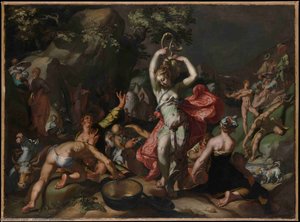
Moisés golpea la roca
 Acrílico
- Arte de pared
- Manierismo del Renacimiento tardío
 1596
1596 80.0 x 108.0 cm
 Museo Metropolitano de Arte
 Ver más
Giclée / Impresión de arte
Impresiones giclée o en lienzo de calidad de museo con producción rápida y opciones de acabado flexibles. ( Comprar pintura hecha a mano Cambiar a imagen digital)




P118B €10

P118H €10

P118W €10

P438Z €10

P508JH €12

P508YH €12

P805H €10

P805Z €10

P919BZ €10

P919G €10

P919XJ €10

P959ZH €10

P968JZ €12

W106C €8

W218G €10

W218JH €8

W218Y €10

W307PJ €10

W316G €10

W316PJ €8

W316Y €10

W398PJ €8

W4111J €10

W500HY €15

W500JH €15

W692G €12

W849H €8

W940BG €15

W953PJ €8




Elija entre nuestros tamaños predefinidos que respetan las proporciones originales de la obra.

Introduzca el ancho y el alto que necesite para adaptarse a su marco o pared. Una impresión solo puede recortarse, nunca hacerse más grande que la imagen original, por lo que un tamaño con una forma distinta perderá parte de la obra. Le enviaremos una maqueta digital para su aprobación antes de realizar cualquier impresión. La imagen que se muestra en esta página no refleja el recorte real; solo la maqueta lo hace.
Envío a todo el mundo () en 2 semanas en lugar de las 4/5 semanas estándar. (26 octubre)

Envío exprés gratuito a todo el mundo

Lienzo de lino de alta calidad

Seguro de envío total

Garantía de reembolso de aranceles aduaneros

Garantía de fidelidad cromática exacta

Política de devolución de 100 días (solo por defectos)

Garantía de devolución del 100% del dinero

Descuento por cantidad
 La opción de vidrio solo está disponible en tamaños inferiores a 110 cm.

Moisés golpea la roca
Giclée / Impresión de arte
Dimensiones de la reproducción
-


Precio total final
€ 70
Un encuentro dramático con el poder divino: Moisés golpea la roca de Abraham Bloemaert
La obra "Moisés golpea la roca" de Abraham Bloemaert se erige como un testimonio del fervor del periodo Barroco en el arte neerlandés, capturando una narrativa bíblica crucial con un dinamismo asombroso y un detalle meticuloso. Pintado en 1596, este lienzo monumental trasciende la mera representación; encarna una intensidad emocional que evoca temas de fe, liderazgo e intervención divina, elementos profundamente resonantes en su época y que continúan cautivando a los espectadores actuales. La obra reside de manera prominente en la colección del Metropolitan Museum of Art, un testimonio de su perdurable mérito artístico.- Temática: La pintura retrata a Moisés ordenando a Dios que divida el Mar Rojo, un evento relatado en Éxodo 17:1–6, piedra angular de las escrituras judías y cristianas que simboliza la liberación de la opresión y la providencia divina.
- Estilo e influencias: El estilo de Bloemaert se ancla firmemente en el Manierismo, un movimiento estilístico caracterizado por figuras alargadas, poses estilizadas y contrastes dramáticos de luz y sombra. Sin embargo, incorpora con maestría elementos barrocos —particularmente el uso teatral del espacio y el gesto—, reflejando la sensibilidad artística prevalente en Utrecht durante su era. Cabe destacar que Bloemaert se inspiró en el arte italiano contemporáneo, específicamente en las obras de Michelangelo Buonarroti y Raphael Sanzio, cuyo dominio de la anatomía y la composición impactó profundamente a los pintores neerlandeses.
Brillantez técnica: Composición y paleta cromática
La destreza técnica de Bloemaert es evidente en cada pincelada. El artista representó meticulosamente la musculatura con un nivel de realismo sin precedentes —un sello distintivo del Manierismo—, enfatizando la estatura heroica de Moisés mientras levanta su brazo para golpear la roca, convocando el agua para los israelitas. La composición piramidal dirige la mirada del espectador hacia arriba, hacia Moisés, reforzando la importancia de la figura central y transmitiendo una sensación de movimiento ascendente y aspiración. Además, Bloemaert empleó una rica paleta de colores dominada por tonos tierra —ocres, marrones y rojos—, creando una atmósfera de solemnidad grandiosa y resaltando el dramático juego entre la luz y la oscuridad. Las sutiles gradaciones de color contribuyen al impacto emocional de la pintura, reflejando el fervor de la devoción religiosa.Simbolismo y profundidad narrativa
Más allá de su esplendor visual, “Moisés golpea la roca” está cargada de un profundo significado simbólico. Moisés representa el liderazgo, la fe y la obediencia, cualidades veneradas en la teología cristiana como esenciales para alcanzar la salvación. La roca simboliza el poder y la provisión de Dios, una manifestación tangible de la intervención divina en medio de la adversidad. Las figuras circundantes —incluyendo a la mujer que porta una vasija de agua— sirven para amplificar el drama de la narrativa y subrayar la importancia del esfuerzo comunitario para superar los obstáculos. La representación de Bloemaert captura no solo un evento, sino también su dimensión psicológica, transmitiendo la tensión palpable entre la convicción inquebrantable de Moisés y la voluntad de Dios de demostrar su benevolencia.Legado y trascendencia artística
"Moisés golpea la roca" de Abraham Bloemaert permanece como una obra seminal del arte barroco, un pilar del estilo caravaggista de Utrecht. Ejemplifica la ambición artística de su tiempo, fusionando el formalismo manierista con la teatralidad barroca para producir una imagen que continúa inspirando asombro y contemplación. Su influencia puede rastrearse a lo largo de la historia de la pintura neerlandesa, moldeando a las generaciones posteriores de artistas que buscaron emular la técnica magistral y la visión expresiva de Bloemaert. Hoy en día, las reproducciones de esta obra icónica ofrecen una ventana al espíritu artístico del Renacimiento: una celebración de la fe, el heroísmo y la belleza sublime del poder divino.Preguntas y respuestas
¿Cuáles son las dimensiones reales de "Moisés golpea la roca" de Abraham Bloemaert?
"Moisés golpea la roca" mide 80 x 108 cm en su formato original. Las dimensiones originales son una referencia útil al elegir el tamaño de una reproducción.
¿Es "Moisés golpea la roca" representativo de la temática habitual de Abraham Bloemaert?
Los temas recurrentes de Abraham Bloemaert incluyen narrativa bíblica dramática, estética manierista italiana, fervor y poder religioso, estilo distintivo de bloemaert, tradición barroca holandesa; "Moisés golpea la roca" se centra en moisés, roca, desierto, escena bíblica, arte religioso, pintura holandesa, abraham bloemaert.
¿Puedo ver "Moisés golpea la roca" de Abraham Bloemaert bajo diferentes luces?
La página Radiografía de "Moisés golpea la roca" de Abraham Bloemaert es un visor interactivo que permite explorar once capas ópticas de la obra, incluyendo una vista de estilo radiografía.
Biografía del artista
A Life Immersed in Art: The World of Abraham Bloemaert
Abraham Bloemaert, born in Gorinchem in 1564 and passing away in Utrecht in 1651, stands as a pivotal figure bridging the Mannerist and Baroque periods in Dutch painting. His long and prolific career unfolded against a backdrop of religious and political upheaval, yet he consistently produced works imbued with both dramatic intensity and subtle beauty. Bloemaert’s journey began under the tutelage of his father, Cornelis Bloemaert I, an architect who instilled in him a foundational understanding of form and composition. This early training was further refined through studies with Gerrit Splinter and Joos de Beer in Utrecht, laying the groundwork for his artistic explorations. A crucial period followed – three years spent in Paris from 1581 to 1583. There, he absorbed influences from Jehan Bassot and Maistre Herry, while also encountering the works of Hieronymus Francken, a fellow Dutch artist who broadened his stylistic horizons. This Parisian sojourn proved formative, exposing him to the refined elegance of the French School and setting the stage for his later innovations.From Mannerism to Baroque: A Shifting Aesthetic
Initially, Bloemaert’s style aligned with the prevailing Haarlem Mannerism – characterized by elongated figures, elegant poses, and often complex allegorical narratives. Artists like Hendrick Ter Brugghen and Jacob Saam practiced similar techniques during this time. However, he was not content to remain solely within this framework. As the 17th century dawned, Bloemaert began to embrace the emerging Baroque aesthetic, a shift marked by increased dynamism, emotional intensity, and a heightened sense of realism. This transition wasn’t abrupt; rather, it represented a gradual evolution, blending elements of both styles into a uniquely personal artistic language. He skillfully incorporated dramatic lighting effects, rich color palettes, and expressive gestures to convey powerful narratives and evoke profound emotions in his viewers. His paintings began to resonate with a new energy, reflecting the changing cultural landscape of the Dutch Republic. The Utrecht Caravaggisti – artists like Gerrit van Honthorst and Bartholomeus Breenbergh – were particularly influenced by Bloemaert’s embrace of Baroque principles.A Master of Diverse Subjects and Techniques
Bloemaert's artistic output was remarkably diverse. He excelled in history painting, bringing biblical stories and classical myths to life with compelling detail and emotional depth. Notable examples include “The Expulsion of Hagar and Ishmael” and “Venus and Adonis,” which demonstrate his masterful command of composition and color. Beyond painting, Bloemaert was a highly skilled printmaker, proficient in both etching and engraving. These prints served to disseminate his artistic vision more widely, contributing significantly to his reputation and influence. His technical mastery extended to still lifes and animal paintings as well, demonstrating an exceptional versatility that set him apart from many of his contemporaries. He meticulously studied the works of artists like Peter Paul Rubens and Caravaggio, adapting their techniques to suit his own distinctive style.A Prolific Teacher and Lasting Legacy
Abraham Bloemaert was not only a gifted artist but also an influential teacher. He established a thriving workshop in Utrecht, attracting numerous students who would go on to become prominent artists themselves. Remarkably, his four sons – Hendrick, Frederick, Cornelis, and Adriaan – all followed in his footsteps, achieving considerable success as painters and engravers. His influence extended beyond his immediate family, mentoring a generation of Dutch artists, including Jan Aerntsz de Hel and Nicolaes van Bercheyck. Bloemaert’s teachings helped to shape their distinctive style, solidifying his position as a central figure in the development of Dutch Baroque painting. His legacy continues to resonate today, with his works admired for their technical brilliance, emotional power, and historical significance—a testament to a life dedicated to artistic exploration and innovation.
Abraham Bloemaert
1564 - 1651 , Países Bajos
Datos clave
- Artistic Movement Or Style: Barroco, Maneirismo
- Artists Or Movements Influenced By This Artist: ['Utrecht Caravaggisti']
- Artists Who Influenced This Artist: ['Hieronymus Francken']
- Date Of Birth: 1564
- Date Of Death: 1651
- Full Name: Abraham Bloemaert
- Nationality: Holandés
- Notable Artworks:
- Expulsión de Hagar y Ismael
- Venus y Adonis
- Paisaje con campesinos
- Place Of Birth: Gorinchem, Países Bajos
Artículos relacionados

Reflejos de una Época Dorada: La Pintura Barroca Holandesa y la Innovación Cultural
Descubra la riqueza y el detalle de la pintura barroca holandesa del Siglo de Oro. Explore las obras maestras de Rembrandt, Vermeer y otros artistas clave. Análisis experto e historia cultural.

Barroco Sublime: 10 Obras Maestras que Definieron una Época |
Descubre las 10 obras maestras del Barroco que marcaron una época. Caravaggio, Bernini y Velázquez cobran vida en . Reproducciones de arte de calidad museo para decorar tu hogar con elegancia. ¡Explora la colección online!
Cornelis van Poelenburch: Bridging Mannerism & the Dutch Baroque Landscape
Discover Cornelis van Poelenburch, a pivotal Dutch Baroque landscape painter bridging Mannerism & Italianate styles. Explore his life, key works, and lasting influence on 17th-century art with OriginalUniqueArt.

Los 10 Maestros del Barroco Holandés: Obras que Definen una Época | OriginalUniqueArt
Descubre los 10 imprescindibles del Barroco holandés: Rembrandt, Vermeer y más. Explora la historia, técnica y belleza de estas obras maestras. Reproducciones de arte en OriginalUniqueArt.com para decorar tu hogar con elegancia.

Crimson Threads of Narrative: Exploring Symbolism & Representation in Artworks Featuring the Red Dress
Explore the rich symbolism of the red dress in art history! From ancient power displays to iconic portraits like Cézanne’s 'Madame Cezanne', discover the cultural and artistic significance behind this captivating color. Expert analysis & insights.