

 Ver en contexto
 Enviar
 Compartir
 Detalles
 Guía
Guía

 Descargar
 Similares
 Radiografía
 Presentación de diapositivas
 Estadísticas
Carnaby Street
 Marker / Felt-tip
- Modernism
 1966
1966- Modern
 5.0 x 27.0 cm
 Museo Sakıp Sabancı
 Ver más
La obra de arte que se muestra en esta página está protegida por las leyes de propiedad intelectual, lo que significa que no podemos crear ni vender legalmente una reproducción idéntica. Esta protección se hace cumplir en virtud de acuerdos internacionales como el Convenio de Berna y por las leyes nacionales, incluidas aquellas establecidas por el Ley de derechos de autor de los EE. UU. - Título 17.
Este método cumple plenamente con las normativas de derechos de autor, ya que no implica la copia ni la duplicación de la obra protegida. En su lugar, se trata de una reinterpretación creativa: una nueva pintura influenciada por la original, pero que no es idéntica a ella.
Giclée / Impresión de arte
Impresiones giclée o en lienzo de calidad de museo con producción rápida y opciones de acabado flexibles. ( Comprar pintura hecha a mano Cambiar a imagen digital)




P118B €10

P118H €10

P118W €10

P438Z €10

P508JH €12

P508YH €12

P805H €10

P805Z €10

P919BZ €10

P919G €10

P919XJ €10

P959ZH €10

P968JZ €12

W106C €8

W218G €10

W218JH €8

W218Y €10

W307PJ €10

W316G €10

W316PJ €8

W316Y €10

W398PJ €8

W4111J €10

W500HY €15

W500JH €15

W692G €12

W849H €8

W940BG €15

W953PJ €8




Elija entre nuestros tamaños predefinidos que respetan las proporciones originales de la obra.

Introduzca el ancho y el alto que necesite para adaptarse a su marco o pared. Una impresión solo puede recortarse, nunca hacerse más grande que la imagen original, por lo que un tamaño con una forma distinta perderá parte de la obra. Le enviaremos una maqueta digital para su aprobación antes de realizar cualquier impresión. La imagen que se muestra en esta página no refleja el recorte real; solo la maqueta lo hace.
Envío a todo el mundo () en 2 semanas en lugar de las 4/5 semanas estándar. (27 octubre)

Envío exprés gratuito a todo el mundo

Lienzo de lino de alta calidad

Seguro de envío total

Garantía de reembolso de aranceles aduaneros

Garantía de fidelidad cromática exacta

Política de devolución de 100 días (solo por defectos)

Garantía de devolución del 100% del dinero

Descuento por cantidad
 La opción de vidrio solo está disponible en tamaños inferiores a 110 cm.

Carnaby Street
Giclée / Impresión de arte
Dimensiones de la reproducción
-


Precio total final
€ 70
A Moment Frozen in Time: The Spirit of 1966
In the vibrant tapestry of mid-century modernism, few works capture the electric pulse of cultural revolution quite like Abidin Dino’s Carnaby Street. Created in 1966, this intimate piece serves as a window into one of the most transformative eras of the twentieth century. The artwork depicts a woman standing amidst the legendary London street, her hands raised toward the sky in a gesture of pure, unadulterated liberation. It is more than just a depiction of a location; it is an evocative snapshot of the "Swinging Sixties," where fashion, music, and social rebellion converged to redefine the global identity. Through Dino’s eyes, we witness the joy of a generation breaking free from the rigid structures of the past.
The subject matter—a woman in a bikini amidst the urban bustle—functions as a powerful symbol of the era's burgeoning sexual revolution and the democratization of fashion. Carnaby Street, once a mere thoroughfare, had become the epicenter of a new way of life, and Dino captures this metamorphosis with profound sensitivity. The figure’s posture suggests a celebratory surrender to the moment, inviting the viewer to share in the euphoria of a world being reborn. For collectors and enthusiasts, this piece offers a nostalgic yet radical connection to a time when every street corner felt like the threshold of a new frontier.
Mastery of Line and the Intimacy of Technique
Technically, Carnaby Street is a masterclass in the use of spontaneous, expressive line work. Executed with the precision and fluidity of felt-tip pens, the artwork possesses a raw, immediate quality that feels almost like a page torn from a personal diary. Dino, a pivotal figure in the Turkish "D Group," was renowned for his ability to blend European modernist influences with a deeply personal, graphic sensibility. The delicate yet confident strokes create a sense of movement and life, allowing the silhouette of the subject to dance against the implied backdrop of the London cityscape.
The small scale of the work—measuring just 5 x 27 cm—adds an element of preciousness and intimacy. It is a piece that demands close inspection, rewarding the observer with subtle details in the linework that might be missed at first glance. This compact format makes it an extraordinary choice for interior designers looking to create focal points in curated galleries or sophisticated, modern living spaces. A high-quality reproduction of this work allows the delicate textures of Dino’s hand-drawn technique to shine, bringing a sense of historical depth and artistic soul to any collection.
An Enduring Legacy for the Modern Collector
Beyond its aesthetic charm, Carnaby Street carries the weight of Abidin Dino’s complex legacy. As an artist who navigated the intersections of Turkish heritage and international modernism, Dino possessed a unique ability to translate global shifts into intimate visual narratives. This work stands as a testament to his versatility and his role as a chronicler of human emotion and social change. For the discerning collector, owning a piece that evokes such a potent historical atmosphere is an opportunity to preserve a fragment of cultural history.
Whether displayed as part of a larger collection of mid-century graphics or used as a singular, evocative accent in a contemporary room, this artwork radiates a timeless energy. It speaks to the enduring human desire for freedom and the beauty found in fleeting moments of joy. To bring a reproduction of Carnaby Street into one's home is to invite the spirit of 1966—a spirit of boundless possibility and artistic courage—into the everyday environment.
Preguntas y respuestas
¿Qué edad tenía Abidin Dino cuando creó "Carnaby Street"?
Abidin Dino creó "Carnaby Street" a la edad de 53. El artista nació en 1913 y la obra data de 1966.
¿Para qué se recomienda una reproducción de "Carnaby Street" de Abidin Dino?
Se recomienda utilizar una impresión de "Carnaby Street" para Conversation.
¿En qué estancia encaja mejor "Carnaby Street" de Abidin Dino, considerando su paleta de colores?
Los colores de la paleta Neutrals de "Carnaby Street" de Abidin Dino armonizan con su espacio recomendado: un Studio Apartment.
Biografía del artista
Abidin Dino: Una Vida en el Arte
Abidin Dino (1913-1993) fue un artista turco fundamental cuya obra abarcó varias décadas y reflejó tanto la rica herencia cultural de su país como las influencias del modernismo europeo. Su trayectoria artística estuvo marcada por la innovación, el comentario social y un profundo compromiso con la expresión artística.
Vida Temprana e Influencias
Nacido el 23 de marzo de 1913 en Estambul, Turquía, Abidin Dino provenía de una familia amante del arte. Esta temprana exposición fomentó su pasión por el dibujo y la pintura. Su abuelo, Abidin Pasha Dino, era un diplomático otomano albanés, añadiendo una dimensión cultural única a su linaje. Pasó parte de su infancia en Ginebra y Francia, experimentando diferentes entornos artísticos antes de regresar a Estambul en 1925.
Desarrollo Artístico y el Grupo D
La educación formal de Dino se interrumpió brevemente cuando abandonó la Robert College para dedicarse por completo al arte. Rápidamente comenzó a publicar caricaturas y artículos, estableciéndose como un talento emergente. En 1933, junto con otros pintores innovadores, cofundó el “Grupo D”, un colectivo que desafió las normas artísticas convencionales en Turquía. Las exposiciones del Grupo D fueron pioneras para su época.
Carrera Temprana y la Unión Soviética
Un punto de inflexión importante llegó cuando Dino fue invitado por el director soviético Sergei Yutkevich a trabajar en los Estudios Lenfil en Leningrado (actual San Petersburgo) en 1933. Esta experiencia, alentada por Atatürk mismo, le expuso a nuevas técnicas y perspectivas artísticas. Trabajó como diseñador de escenarios y asistente del director, incluso dirigió su propio largometraje, “Mineros”, en Moscú, Kiev y Odesa.
Período Parísino y Exposición Internacional
Dino pasó un tiempo considerable en París, primero de 1937 a 1939 y luego se estableció allí permanentemente en 1952. Conoció a figuras destacadas del mundo artístico parisino, incluyendo a Gertrude Stein, Tristan Tzara y Pablo Picasso. Este período fue crucial para su desarrollo artístico, permitiéndole absorber nuevas influencias y refinar su estilo.
Estilo Artístico y Temas
El estilo artístico de Abidin Dino se caracteriza por:
- Pincelada Expresiva: Su uso de bolígrafo añadió profundidad y textura a sus composiciones.
- Paleta de Colores Vibrantes: Reflejando la rica herencia cultural tanto de Turquía como de Francia.
- Composición Innovadora: Experimentó con forma y perspectiva, creando obras de arte dinámicas y atractivas.
Su obra exploraba frecuentemente temas de:
- Realismo social – representando la vida de personas comunes.
- Comentario político – reflejando sus preocupaciones sobre la justicia social y los problemas políticos.
- Cultura turca – celebrando sus tradiciones, paisajes y gente.
Logros Importantes y Reconocimiento
A lo largo de su carrera, Abidin Dino logró un reconocimiento significativo:
- Participación en la “Exposición del Puerto” que mostraba a los trabajadores y pescadores turcos.
- Diseño del pabellón turco en la Feria Mundial de Nueva York de 1939.
- Exposiciones regulares con el Salón de Mayo en París durante ocho años desde 1954.
Vida Tardía y Legado
Dino continuó creando arte e interactuando con la comunidad artística hasta su muerte el 7 de diciembre de 1993, en el Hospital Villejuif, París. Su cuerpo fue devuelto a Estambul para ser enterrado en el Cementerio de Aşiyan.
Significado Histórico
El legado de Abidin Dino se extiende más allá de sus obras individuales. Jugó un papel vital en la conexión entre los escenarios artísticos turcos y europeos, influyendo a las generaciones posteriores de artistas con su estilo innovador y su compromiso con el comentario social. Su obra es un testimonio del poder del arte para reflejar y dar forma a nuestra comprensión del mundo.

Abidin Dino
1913 - 1993 , Turquía
Datos clave
- Artistic Movement Or Style: Expresionismo, Realismo social
- Artists Or Movements Influenced By This Artist: ['Grupo D']
- Artists Who Influenced This Artist: ['Nazım Hikmet']
- Date Of Birth: 1913-03-23
- Date Of Death: 1993-12-07
- Full Name: Abidin Dino
- Nationality: Turco
- Notable Artworks:
- El bata grabado
- Paleta II
- Sin título (436)
- Place Of Birth: Estambul, Turquía
Artículos relacionados

From Walls to Galleries: The Bold Evolution of Street Art and Its Rise into High-End Collectibles
Explore the captivating journey of street art from urban walls to prestigious galleries. Discover how contemporary graffiti has evolved into a high-end collectible movement, redefining modern interior design and global art culture.

The Nuances of Graphite: Exploring Emotional Depth & Technical Mastery in Pencil Drawing
Explore the captivating world of graphite drawing! Discover its rich history, master essential techniques like chiaroscuro, and learn how artists evoke emotion through this timeless medium. Expert insights for art enthusiasts.

Mastering the Line: A Comprehensive Expert Guide to Technical Precision and Expressive Depth in Drawing
Elevate your artistic practice with this expert guide to mastering the line. Discover advanced techniques in graphite, charcoal, and contour drawing designed for art students seeking technical precision and expressive depth in their fine art studies.
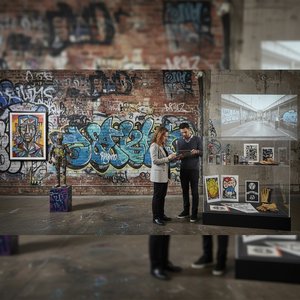
Más Allá del Graffiti: Evolución e Impacto Cultural del Arte Callejero para Coleccionistas
Descubre la evolución del arte urbano y su impacto en el coleccionismo. Análisis de artistas clave, técnicas innovadoras e inversión en obras de street art. Guía experta para coleccionistas.
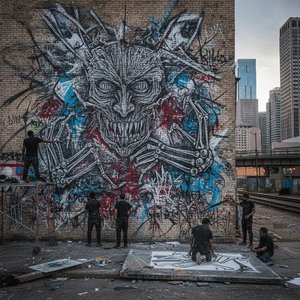
Beyond the Line: Mastering the Raw Power of Contemporary Drawing and Urban Expression
Master the raw energy of contemporary drawing. Explore how street art, bold graphic lines, and urban grit are redefining modern aesthetics. Discover expert trend forecasts for collecting high-impact, pop-culture-inspired pieces that transform any space with unapologetic power.


