Πορτρέτο του William Laparra

Τα 28 πιο διάσημα έργα του William Laparra, κάθε ένα μοναδικό

Ενημερωμένο Νοέμβριος 2026 · κατάταξη βάσει του σκορ δημοφιλίας μας (αναζητήσεις, επισκέψεις και παραγγελίες για κάθε έργο) · 28 έργα του William Laparra στον κατάλογό μας

Με σύντομη περιγραφή

Το έργο HOMMAGE DE LA JEUNESSE DE LA FRANCE A LA STATUE DE JULES FERRY JEUNE HOMME AU TAMBOUR DE PROFIL είναι το ποίτευμα του William Laparra που τραβάει περισσότερα βλέμματα. Μετά από αυτό, το βλέμμα στρέφεται στο Portrait of M. Laparra, composer (1905) και στο Girl's Head with Green Turban. Ανάμεσα στα 28 έργα του William Laparra στον κατάλογό μας, αυτά τα 28 είναι τα πιο διάσημα, το καθένα ένα μοναδικό πρωτότυπο που παρουσιάζεται με την χρονολογία του, το μουσείο του και τον λόγο για τον οποίο παραμένει αιώνιο.

1873 – 1920, Μπορντ Impressionism Περισσότερα έργα: Κέντρο Πομπιντού

Τα 10 κορυφαία έργα του William Laparra, μέσα από το βλέμμα της γκαλερί

1
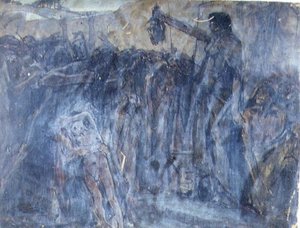
HOMMAGE DE LA JEUNESSE DE LA FRANCE A LA STATUE DE JULES FERRY JEUNE HOMME AU TAMBOUR DE PROFIL του William Laparra

HOMMAGE DE LA JEUNESSE DE LA FRANCE A LA STATUE DE JULES FERRY JEUNE HOMME AU TAMBOUR DE PROFIL

Oil On Canvas

The painting titled HOMMAGE DE LA JEUNESSE DE LA FRANCE A LA STATUE DE JULES FERRY JEUNE HOMME AU TAMBOUR DE PROFIL was executed by the artist William Laparra. This work is a product of the painter's specific technical approach to genre scenes and portraiture. The artist's hand is evident in the composition of the figures and the treatment of the landscape elements present in the scene.

Τα διάσημα έργα του William Laparra, από το 11 έως το 28

Τα θέματα που κίνησαν το ενδιαφέρον του William Laparra

Τα τέσσερα θέματα που εμφανίζονται πιο συχνά σε αυτά τα πρωτότυπα έργα, το καθένα με το εξαιρετικό του παράδειγμα.

Τα μουσεία που διατηρούν τα πρωτότυπα έργα του William Laparra

Τα 3 μουσεία που φιλοξενούν το μεγαλύτερο μέρος των έργων σε αυτήν τη σελίδα.

Μουσείο Πόλη Έργα του William Laparra Πάτρια από αυτή τη λίστα
Κέντρο Πομπιντού, ΠαρίσιΚέντρο Πομπιντού Παρίσι 1 Portrait of M. Laparra, composer
Musée d'Orsay, ΠαρίσιMusée d'Orsay Παρίσι 1 Girl's Head with Green Turban
Drents Museum, AssenDrents Museum Assen 1 Yette à la Harpe La nonchalante (autre titre)

Ο William Laparra μέσα από τα χρόνια: τα μοναδικά πρωτότυπα κάθε έργου

Όλα τα πρωτότυπα έργα του William Laparra με ημερομηνία που εμφανίζονται εδώ ανήκουν σε μία μόνο χρονιά, το 1905: εμφανίζονται με σειρά δημοσιότητας.

Έργα ανά έτος

Επιλέξτε μια χρονιά για να δείτε τα πρωτότυπα έργα της.

Οι πίνακες του William Laparra: ερωτήσεις για την γκαλερί

Ποιο είναι το πιο διάσημο έργο του William Laparra;Αποκαλύψτε την απάντηση

Το HOMMAGE DE LA JEUNESSE DE LA FRANCE A LA STATUE DE JULES FERRY JEUNE HOMME AU TAMBOUR DE PROFIL. Στη συνέχεια ακολουθούν το Portrait of M. Laparra, composer (1905) και το Girl's Head with Green Turban.

Ποια είναι τα δέκα πιο διάσημα έργα του William Laparra;Αποκαλύψτε την απάντηση

HOMMAGE DE LA JEUNESSE DE LA FRANCE A LA STATUE DE JULES FERRY JEUNE HOMME AU TAMBOUR DE PROFIL, Portrait of M. Laparra, composer, Girl's Head with Green Turban, Portrait de Paul Lafond, Yette à la Harpe La nonchalante (autre titre), HOMMAGE DE LA JEUNESSE DE LA FRANCE A LA STATUE DE JULES FERRY DEUX ENFANTS EN HABIT TUNISIEN, HOMMAGE DE LA JEUNESSE DE LA FRANCE A LA STATUE DE JULES FERRY JEUNE GARÇON A L'ETENDARD, HOMMAGE DE LA JEUNESSE DE LA FRANCE A LA STATUE DE JULES FERRY DEUX PERSONNAGES DEBOUT, UN FRANÇAIS, UN TUNISIEN, La duègne και Taormina. Η κατάταξη παραπάνω αναγράφει το έτος και το μουσείο για το κάθε έργο.

Πόσα έργα του William Laparra είναι γνωστά;Αποκαλύψτε την απάντηση

Ο κατάλογός μας περιλαμβάνει 28 έργα του William Laparra.

Πού μπορούν να θαυμαστούν τα πιο διάσημα πρωτότυπα έργα του William Laparra;Αποκαλύψτε την απάντηση

Κυρίως σε Κέντρο Πομπιντού (Παρίσι), Musée d'Orsay (Παρίσι) και Drents Museum (Assen). Ο πίνακας μουσείου παραπάνω τους περιλαμβάνει όλους.

Ποια θέματα προτίμησε ο/η William Laparra;Αποκαλύψτε την απάντηση

France (5), Landscape (3) και Historical figure (2), σε συνολικά 28 έργα σε αυτήν τη σελίδα.

Με ποια υλικά χρησιμοποίησε περισσότερο ο William Laparra;Αποκαλύψτε την απάντηση

Oil On Canvas, για 2 από τα 28 έργα σε αυτήν τη σελίδα.

Ποιο καλλιτεχνικό κίνημα ανήκει το έργο του William Laparra;Αποκαλύψτε την απάντηση

Impressionism, όπως προκύπτει από τα πρωτότυπα σε αυτήν τη σελίδα.

William Laparra: ένα πορτρέτο του καλλιτέχνη

William Laparra: A Painter of Shadows and Light

Born in Bordeaux in 1873, William Julien Emile Edouard Laparra’s artistic journey was shaped by a unique confluence of influences – the vibrant culture of his Spanish heritage, the rigorous training of Parisian academies, and a profound empathy for the lives of ordinary people. His life, tragically cut short at the age of forty-six in Valle de Hecho, Spain, left behind a legacy of evocative paintings that capture both the harsh realities and subtle beauties of 19th-century Europe, particularly his depictions of rural life and poignant portraits.

Laparra’s early artistic education began at the École de Dessin de Bordeaux, where he honed his foundational skills. Recognizing his potential, he moved to Paris in 1892 to study at the Académie Julian, a prestigious institution known for its instruction in classical techniques and exposure to leading artists like William Bouguereau, Tony Robert-Fleury, and Jules Joseph Lefebvre. It was here that Laparra’s artistic sensibilities truly began to coalesce, absorbing the academic precision while simultaneously developing his own distinctive style – one characterized by a somber palette, dramatic lighting, and an intimate portrayal of human subjects.

The Influence of Spain and Parisian Art

Laparra's background as the son of a Spanish merchant profoundly impacted his artistic vision. He carried with him a deep appreciation for the traditions and landscapes of his homeland, which subtly informed his work, particularly in his depictions of rural life. However, his time in Paris exposed him to the burgeoning trends of Impressionism and Symbolism, leading to a fascinating synthesis of influences. The influence of Spanish realism, combined with the Parisian training, created a unique style that blended both cultures.

His encounter with Ignacio Zuloaga, a prominent Spanish painter residing in Paris at the time, proved particularly formative. Zuloaga’s emphasis on direct observation and emotional intensity undoubtedly shaped Laparra's approach to painting. Furthermore, he was deeply influenced by the works of Bouguereau, known for his idealized portraits and meticulous attention to detail, which provided a solid foundation for his own artistic development.

A Palette of Shadows: Themes and Techniques

Laparra’s paintings are often characterized by their dramatic use of light and shadow. He frequently depicted scenes of rural poverty and hardship, portraying the lives of peasants with a quiet dignity and unflinching honesty. His works aren't celebratory; they offer a stark view of daily life, reflecting the social realities of his time. His genre scenes—depictions of everyday activities like farming, market trading, and family gatherings—are imbued with a sense of melancholy and introspection.

He was particularly adept at capturing the psychological nuances of his subjects, conveying their emotions through subtle gestures and expressions. His portraits, while not overtly flattering, possess a remarkable depth and authenticity. His use of muted colors – browns, grays, and ochres – creates an atmosphere of quiet contemplation, drawing the viewer into the scene.

Notable Works and Legacy

Among Laparra’s most celebrated works are “La Piscine de Bethsaida” (1902), awarded the Prix de Rome, a poignant depiction of a biblical scene bathed in ethereal light; "L'Étang de la Fosse" (1897), and “Jacques Bonhomme” (1903). These paintings demonstrate his mastery of composition, color, and technique. His work was exhibited throughout France, gaining recognition for its emotional depth and artistic merit.

Beyond his individual achievements, Laparra’s legacy lies in his ability to capture the essence of human experience with remarkable sensitivity and honesty. His paintings offer a valuable glimpse into the lives of ordinary people during a period of profound social and economic change. His work continues to be exhibited in major museums across Europe, ensuring that this talented artist's vision endures.

Further Exploration

For further research, consult the Wikipedia article on William Laparra (https://en.wikipedia.org/wiki/William_Laparra), as well as resources such as askART (https://www.askart.com/artist/William_Laparra/11047267/William_Laparra.aspx) and the Database of Modern Exhibitions (https://exhibitions.univie.ac.at/person/ulan/500083340).