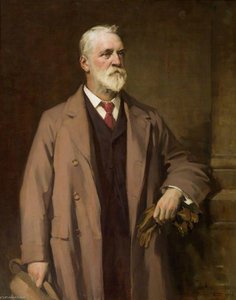
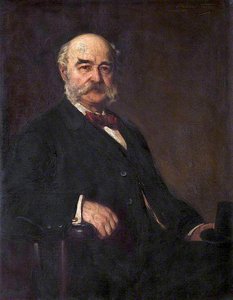
Πορτρέτο του Ρόμπερτ Γκίμπ

Πάτσαδες του Ρόμπερτ Γκίμπ: Τα 28 πιο διάσημα, μέσα από το βλέμμα μιας γκαλερί

Ενημερωμένο Νοέμβριος 2026 · κατάταξη βάσει του σκορ δημοφιλίας μας (αναζητήσεις, επισκέψεις και παραγγελίες για κάθε έργο) · 31 έργα του Ρόμπερτ Γκίμπ στον κατάλογό μας

Με σύντομη περιγραφή

Στο μάτι της γκαλερί, το πιο διάσημο έργο του Ρόμπερτ Γκίμπ είναι το Κλείνοντας τις Πύλες στο Hougoumont, 1815 (1903). Ο Comrades, the 42nd Highlanders (copy of an earlier painting by the artist) (1894) και ο Sir Francis Webster (1912) ολοκληρώνουν το τρίο που κάθε μάτι αναγνωρίζει. Από τα 31 έργα του Ρόμπερτ Γκίμπ στον κατάλογό μας, η γκαλερί παρουσιάζει παρακάτω τα 28 πιο διάσημα, όπου κάθε ένα είναι πρωτότυπο, με την χρονολογία του, το μουσείο του και το τι το κάνει μοναδικό.

1845 – 1932, Γκλαςγώ Realism Περισσότερα έργα: Royal Scottish Academy of Art - Architecture

Τα 10 κορυφαία έργα του Ρόμπερτ Γκίμπ στη γκαλερέι

1
Κλείνοντας τις Πύλες στο Hougoumont, 1815 (1903) του Ρόμπερτ Γκίμπ

Κλείνοντας τις Πύλες στο Hougoumont, 1815

1903 · Άνθρακα και λάδι σε καμβά

In the grand tapestry of military art, few moments resonate with as much visceral tension as Robert Gibb’s 1903 masterpiece, Closing the Gates at Hougoumont, 1815. This oil on canvas is not merely a depiction of a historical event; it is an immersive descent into the chaotic heart of the Battle of Waterloo. As the viewer approaches this monumental work, they are immediately thrust into the smoke-filled atmosphere of a…

4
Borthwick Castle (1831) του Ρόμπερτ Γκίμπ

Borthwick Castle

A man on horseback moves through a landscape of quiet movement. He sits centered, a solitary figure navigating the space between the river and the rising hill. Above him, the castle looms, a heavy silhouette of stone anchored to the high ground. The sky and the earth meet in a soft, atmospheric haze that blurs the edges of the trees. Two birds drift through the air, one to the left…

5
The Sea King (1882) του Ρόμπερτ Γκίμπ

The Sea King

1882 · Oil On Canvas · Royal Scottish Academy of Art - Architecture, Edinburgh

In this oil painting on canvas, Robert Gibb presents a large-scale study of a bearded warrior. Created about 1883, The Sea King captures a figure seated upon a collection of furs and draped fabric. The subject gazes toward the ocean, his posture suggesting a moment of quiet contemplation or perhaps a heavy sense of melancholy. The composition places the weight of the scene upon this central figure, whose presence dominates…

6
Rev. James Morison, 1816 - 1893 (1889) του Ρόμπερτ Γκίμπ

Rev. James Morison, 1816 - 1893

1889 · Oil · Εθνική Πινάκοθήκη της Σκωτίας, Έδιμβουργο

In this 1889 oil portrait, Robert Gibb captures the likeness of a man defined by his convictions. The subject is Rev. James Morison, 1816 - 1893, a Scottish cleric who founded the Scottish Evangelical Union. Born in Bathgate, Linlithgowshire, Morison’s presence in the painting carries the weight of his theological history. He lived through a century of profound change, eventually passing away at his residence, Florentine Bank, Hillhead, Glasgow.

7
Rev. John Robson (1904) του Ρόμπερτ Γκίμπ

Rev. John Robson

1904 · Oil On Canvas

A single light source carves a face from the shadows. The subject, an elderly man with a voluminous white beard, sits in a quiet, three-quarter pose. He is a figure of gravity, draped in a dark, formal coat that absorbs the surrounding gloom. His hands rest near a book, a heavy volume that anchors his presence in the dim space. The light catches the fine texture of his skin and…

8
Portrait of a Girl (1912) του Ρόμπερτ Γκίμπ

Portrait of a Girl

1912 · Charcoal · Εθνική Πινάκοθήκη της Σκωτίας, Έδιμβουργο

In the "Portrait of a Girl" by Robert Gibb, a young subject is captured in a bust-length study, rendered with a quiet, direct presence. Positioned centrally within the frame, the girl faces slightly toward the viewer's right, her gaze held at an intimate, eye-level perspective. The composition relies on the weight of form and the movement of light rather than a multitude of details, creating a sense of stillness. This…

9
Perth from Craigie (study) (1829) του Ρόμπερτ Γκίμπ

Perth from Craigie (study)

1829 · Oil

This 1829 study offers a panoramic view of a settlement nestled against a rising hillside, framed by a backdrop of distant mountains. The composition focuses on the relationship between the built environment and the surrounding natural elements. A large body of water, likely a river or a lake, encircles the town, providing a sense of containment and tranquility. Small vessels are scattered across the water's surface, while figures and horses…

10
View of Perth (1829) του Ρόμπερτ Γκίμπ

View of Perth

1829 · Oil

The canvas captures a hillside overlooking a river, where the earth meets the sky in a soft, atmospheric meeting. Mountains rise in the distance, their peaks softened by a pale haze that blurs the line between stone and air. Below, the water flows through the valley, a silver ribbon cutting through the greenery. Trees are scattered across the slope, their forms anchored in the soil but reaching toward the light.…

Πάιθες του Ρόμπερτ Γκίμπ, κατάταξη από 11 έως 28

Τα θέματα που κίνησαν το ενδιαφέρον του Ρόμπερτ Γκίμπ

Τα τέσσερα θέματα που εμφανίζονται πιο συχνά σε αυτά τα πρωτότυπα έργα, το καθένα με το εξαιρετικό του παράδειγμα.

Τα μουσεία που διατηρούν τα πρωτότυπα έργα του Ρόμπερτ Γκίμπ

Τα 8 μουσεία που φιλοξενούν το μεγαλύτερο μέρος των έργων σε αυτήν τη σελίδα.

Μουσείο Πόλη Έργα του Ρόμπερτ Γκίμπ Πάτρια από αυτή τη λίστα
Royal Scottish Academy of Art - Architecture, EdinburghRoyal Scottish Academy of Art - Architecture Edinburgh 3 Borthwick Castle, The Sea King, View near Edinburgh
Εθνική Πινάκοθήκη της Σκωτίας, ΈδιμβουργοΕθνική Πινάκοθήκη της Σκωτίας Έδιμβουργο 3 Portrait of a Girl, Craigmillar Castle from Dalkeith Road, The Thin Red Line
The Webster Memorial Theatre, ArbroathThe Webster Memorial Theatre Arbroath 2 Sir Francis Webster, Janet Webster (1819–1908), Mother of Sir Francis Webster
Perth And Kinross Council, PerthPerth And Kinross Council Perth 2 Harry Young of Cleish, Convenor of Kinross shire, Lord Provost David MacGregor
The Black Watch Castle - Museum, PerthThe Black Watch Castle - Museum Perth 1 Comrades, the 42nd Highlanders (copy of an earlier painting by the artist)
Εθνική Πινάκοθήκη της Σκωτίας, ΈδιμβουργοΕθνική Πινάκοθήκη της Σκωτίας Έδιμβουργο 1 Rev. James Morison, 1816 - 1893
Midlothian Council Library Headquarters, LeithMidlothian Council Library Headquarters Leith 1 Alexander Mitchell, Dalkeith
The Stirling Smith Art Gallery - Museum, ΣτέρλινγκThe Stirling Smith Art Gallery - Museum Στέρλινγκ 1 Reverend James Muir

Ρόμπερτ Γκίμπ, ένα χαρακτηριστικό έργο ανά δεκαετία

Έργα ανά δεκαετία

Επιλέξτε μια δεκαετία για να δείτε το πρωτότυπο έργο που την χαρακτηρίζει.

Οι πίνακες του Ρόμπερτ Γκίμπ: οι απαντήσεις της γκαλερί

Ποιο έργο του Ρόμπερτ Γκίμπ είναι το πιο διάσημο από όλα;Αποκαλύψτε την απάντηση

Το Κλείνοντας τις Πύλες στο Hougoumont, 1815 (1903). Στη συνέχεια ακολουθούν το Comrades, the 42nd Highlanders (copy of an earlier painting by the artist) (1894) και το Sir Francis Webster (1912).

Πόσο είχε ηλικία ο Ρόμπερτ Γκίμπ όταν ολοκλήρωσε το Κλείνοντας τις Πύλες στο Hougoumont, 1815;Αποκαλύψτε την απάντηση

58 ετών: το έργο Κλείνοντας τις Πύλες στο Hougoumont, 1815 είναι του 1903, και ο/η Ρόμπερτ Γκίμπ γεννήθηκε το 1845.

Ποιες είναι τα 10 κορυφαία έργα του Ρόμπερτ Γκίμπ;Αποκαλύψτε την απάντηση

Κλείνοντας τις Πύλες στο Hougoumont, 1815, Comrades, the 42nd Highlanders (copy of an earlier painting by the artist), Sir Francis Webster, Borthwick Castle, The Sea King, Rev. James Morison, 1816 - 1893, Rev. John Robson, Portrait of a Girl, Perth from Craigie (study) και View of Perth. Η κατάταξη παραπάνω αναγράφει το έτος και το μουσείο για το κάθε έργο.

Πόσα έργα δημιούργησε ο/η Ρόμπερτ Γκίμπ;Αποκαλύψτε την απάντηση

Ο κατάλογός μας περιλαμβάνει 31 έργα του Ρόμπερτ Γκίμπ, με ημερομηνίες από 1881 έως 1929.

Πού εκτίθενται τα πιο διάσημα πρωτότυπα του Ρόμπερτ Γκίμπ;Αποκαλύψτε την απάντηση

Κυρίως σε Royal Scottish Academy of Art - Architecture (Edinburgh), Εθνική Πινάκοθήκη της Σκωτίας (Έδιμβουργο) και The Webster Memorial Theatre (Arbroath). Ο πίνακας μουσείου παραπάνω τους περιλαμβάνει όλους.

Πότε δημιούργησε ο/η Ρόμπερτ Γκίμπ τα πιο διάσημα έργα του/της;Αποκαλύψτε την απάντηση

Κατά την περίοδο 1890s: 7 από τα 28 έργα σε αυτήν τη σελίδα δημιουργήθηκαν τότε, με Comrades, the 42nd Highlanders (copy of an earlier painting by the artist) από αυτά να είναι μοναδικά.

Ποια είναι τα πρώτα και τα τελευταία διάσημα έργα του Ρόμπερτ Γκίμπ;Αποκαλύψτε την απάντηση

Σε αυτήν τη σελίδα, το παλαιότερο είναι Mrs William Ferguson (d.1881) (1881) και το νεότερο Backs to the Wall, 1918 (1929).

Ποια θέματα επέλεξε πιο συχνά ο Ρόμπερτ Γκίμπ;Αποκαλύψτε την απάντηση

Man (8), Elderly man (4) και Book (4), σε συνολικά 28 έργα σε αυτήν τη σελίδα.

Με ποια τεχνική εργάστηκε περισσότερο ο Ρόμπερτ Γκίμπ;Αποκαλύψτε την απάντηση

Oil, για 8 από τα 28 έργα σε αυτήν τη σελίδα.

Με ποιο καλλιτεχνικό κίνημα σχετίζεται ο/η Ρόμπερτ Γκίμπ;Αποκαλύψτε την απάντηση

Realism, όπως προκύπτει από τα πρωτότυπα σε αυτήν τη σελίδα.

Ποια πρωτότυπα έργα του Ρόμπερτ Γκίμπ διαθέτει το Royal Scottish Academy of Art - Architecture;Αποκαλύψτε την απάντηση

Borthwick Castle, The Sea King και View near Edinburgh: το Royal Scottish Academy of Art - Architecture, Edinburgh διαθέτει 3 από τα έργα σε αυτήν τη σελίδα.

Ρόμπερτ Γκίμπ: ο καλλιτέχνης

The Atmospheric Soul of Scotland: The Life and Art of Robert Gibb

In the misty, heather-clad expanses of the nineteenth-century Scottish landscape, few artists captured the profound intersection of historical grandeur and natural atmosphere as masterfully as Robert Gibb. Born in Edinburgh in 1845, Gibb emerged as a pivotal figure in late Victorian British art, a painter whose brush possessed the unique ability to bridge the gap between classical tradition and the burgeoning emotional depth of tonalism. His life’s work serves as a visual chronicle of his homeland, moving seamlessly from the rugged, monumental scale of the Highlands to the intimate, psychological complexities of formal portraiture.

Gibb’s artistic foundation was laid within the prestigious halls of the Royal Scottish Academy in Edinburgh. During these formative years, he immersed himself in the neoclassical traditions that defined the era, drawing inspiration from the structured compositions and idealized beauty championed by masters such as Benjamin Haydon and George Frederic Watts. This rigorous training instilled in him a lifelong respect for classical form, yet Gibb was never content to remain merely a student of the past. He possessed an innate drive to explore the ephemeral qualities of light and air, seeking to capture not just the physical reality of a scene, but its very spirit.

From Barbizon Realism to Tonalist Light

As his career progressed, Gibb’s style underwent a captivating evolution, moving away from strict academic precision toward a more evocative, atmospheric realism. He found deep resonance in the Barbizon School, particularly in the works of Jean-François Millet and Gustave Courbet. From these French masters, he adopted an emphasis on plein air painting and a reverence for the monumental scale of nature. His early landscapes often reflected this rugged grandeur, portraying the Scottish lochs and mountains with a sense of weight and permanence that commanded the viewer's attention.

However, as the influence of Impressionism began to ripple through the British art world, Gibb transitioned toward Tonalism. This stylistic shift marked his most mature period, characterized by a move away from sharp, defined outlines in favor of subtle gradations of color and a pervasive atmospheric haze. In these later works, the landscape becomes an ethereal experience; light does not merely illuminate the subject but seems to emerge from within it. Through this technique, Gibb achieved a sense of sfumato that allowed the boundaries between earth and sky to dissolve, creating canvases imbued with a haunting, poetic quality.

A Legacy of Portraits and Historical Grandeur

While his landscapes are celebrated for their atmospheric depth, Gibb’s reputation was equally bolstered by his prowess as a portraitist. He possessed a remarkable ability to render the likenesses of prominent Scottish figures with both technical precision and profound psychological insight. His portraits of individuals such as Sir John Watson Gordon and Sir Daniel Macnee are distinguished by their rich textures and a sense of dignified presence, capturing the character of his sitters through masterful control of light and shadow.

Beyond the quietude of portraiture, Gibb also found great success in depicting dramatic historical and military scenes. His work often touched upon themes of national identity and heroism, most notably seen in pieces like The Thin Red Line. These compositions allowed him to combine his skill for large-scale narrative painting with his talent for capturing movement and tension. Through this diverse body of work—ranging from the solemnity of a legal figure's portrait to the epic scale of a battlefield—Robert Gibb secured his place in art history as an artist who could translate the enduring strength of Scottish heritage into the delicate, fleeting language of light.