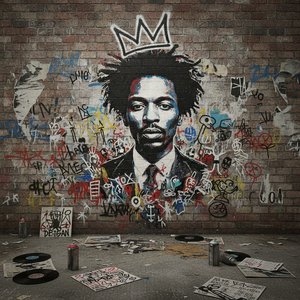
The Rhythmic Pulse of a Legacy
To understand the essence of Ralph Irizarry is to understand the heartbeat of Afro-Cuban soul. Born in the vibrant, culturally dense landscape of Harlem, New York, in 1954, Irizarry emerged not merely as a musician, but as a master storyteller through percussion. His journey was one of profound connection, bridging the gap between the sophisticated improvisational textures of American jazz and the ancestral, driving rhythms of his Cuban heritage. This duality defined his artistic voice, allowing him to act as a rhythmic conduit that translated the complex traditions of the Caribbean into a global musical language.
His early years were marked by an intense, self-driven discipline. Through dedicated self-study and an immersive exposure to diverse musical landscapes, he honed a technique on the timbales that was both technically formidable and deeply expressive. This foundational period laid the groundwork for a career characterized by versatility and an uncanny ability to anchor even the most complex ensembles with a steady, soulful precision.
A Master of Global Collaborations
The trajectory of Irizarry’s career is best mapped through the luminaries with whom he shared the stage. He ascended the ranks of the Latin jazz scene with remarkable speed, becoming a sought-after percussionist whose name became synonymous with authenticity and innovation. His artistry was forged in the fires of collaboration, working alongside legends such as Harry Belafonte, Rubén Blades, and Celia Cruz. In these high-stakes musical environments, Irizarry did more than just keep time; he provided the essential textures that allowed these icons to flourish.
His influence extended far beyond the jazz club, reaching into the realms of popular music and mainstream media. Whether performing with Paul Simon or contributing to the cinematic atmosphere of soundtracks like The Mambo Kings, his percussion brought an undeniable sense of place and history to every note. His presence on iconic television programs, including the Johnny Carson Show and David Letterman, introduced his rhythmic mastery to millions, cementing his status as a cornerstone of the genre.
Cultural Significance and Enduring Influence
Beyond the technical brilliance of his timbale playing, Ralph Irizarry’s true achievement lies in his role as a cultural ambassador. He was a vital link in the chain of Afro-Cuban musical evolution, ensuring that the intricate rhythms of the past were preserved while being pushed forward by modern experimentation. His work in film scores and documentaries further enriched the narrative of Latin music, providing an authentic rhythmic backdrop to stories exploring the very legacy he helped build.
Though his physical presence departed the stage in 2021, the estate of Ralph Irizarry continues to hold a repository of his profound impact. His life was a testament to the power of rhythm to transcend borders and unite disparate cultures. Through his recordings, his performances, and his unwavering dedication to the craft, Irizarry left an indelible mark on the world of music—a rhythmic legacy that continues to resonate with every beat of the Afro-Cuban heart.
Ερωτήσεις και Απαντήσεις
Από πού προέρχεται ο/η Ralph Irizarry Estate;
Ο/Η Ralph Irizarry Estate γεννήθηκε στην/στη United States of America.
Πόσα έργα του/της Ralph Irizarry Estate είναι διαθέσιμα για περιήγηση;
Μπορείτε να περιηγηθείτε σε 4 έργα τέχνης έργα του Ralph Irizarry Estate στη σελίδα Όλα τα έργα.
Με τι άλλα ονόματα ή ψευδώνυμα είναι γνωστός/η Ralph Irizarry Estate;
Ο/Η Ralph Irizarry Estate αναγνωρίζεται και με τα εναλλακτικά ονόματα Ralph Irizarry Sr..