1


Ενημερωμένο Νοέμβριος 2026 · κατάταξη βάσει του σκορ δημοφιλίας μας (αναζητήσεις, επισκέψεις και παραγγελίες για κάθε έργο) · 1 έργα του Matilda Heming στον κατάλογό μας
Με σύντομη περιγραφή
Στο μάτι της γκαλερί, το πιο διάσημο έργο του Matilda Heming είναι το Backwater, Weymouth (1840), το πρωτότυπο του οποίου εκτίθεται στο Βρετανικό Μουσείο, Λονδίνο. Από τα 1 έργα του Matilda Heming στον κατάλογό μας, η γκαλερί παρουσιάζει παρακάτω τα 1 πιο διάσημα, όπου κάθε ένα είναι πρωτότυπο, με την χρονολογία του, το μουσείο του και το τι το κάνει μοναδικό.
Το μουσείο με τη μεγαλύτερη συγκέντρωση έργων σε αυτήν τη σελίδα.
| Μουσείο | Πόλη | Έργα του Matilda Heming | Πάτρια από αυτή τη λίστα |
|---|---|---|---|
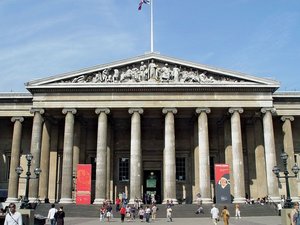 Βρετανικό Μουσείο |
Λονδίνο | 1 | Backwater, Weymouth |
Κάθε πρωτότυπο έργο με ημερομηνία από τον/την Matilda Heming σε αυτήν τη σελίδα δημιουργήθηκε το 1840: ορίστε, ξεκινώντας από τα πιο διάσημα.
Επιλέξτε μια χρονιά για να δείτε τα πρωτότυπα έργα της.
Backwater, Weymouth (1840)
44 ετών: το έργο Backwater, Weymouth είναι του 1840, και ο/η Matilda Heming γεννήθηκε το 1796.
Ο κατάλογός μας περιλαμβάνει 1 έργα του Matilda Heming.
Κυρίως σε Βρετανικό Μουσείο (Λονδίνο). Ο πίνακας μουσείου παραπάνω τους περιλαμβάνει όλους.
Born in London, United Kingdom, in 1796, Matilda Heming entered a world where the boundaries of professional artistry were often defined by gender and lineage. As the daughter of Wilson Lowry, she grew up within a family deeply connected to the visual arts, a circumstance that likely shaped her early understanding of composition and line. Her brother, Joseph Wilson Lowry, would go on to find his own way as an engraver, marking a family legacy of technical precision. While her contemporaries often focused on the rigid structures of formal portraiture, Heming found a particular resonance in the fluid, often unpredictable nature of watercolor.
Her practice was characterized by a dual focus. She possessed the patience required for detailed watercolor portraits, yet she also turned her eye toward the shifting light of the natural landscape. This versatility allowed her to move between the intimate study of a human subject and the expansive, atmospheric qualities of the outdoors. Her work was not merely a collection of images but a record of a specific, observant way of seeing the world during the early nineteenth century.
Heming’s output is defined by the subjects that occupied her studio and the collections that preserved them. Her technical skill was recognized by institutions that documented the era's artistic contributions, ensuring her work was preserved for future study.
Backwater, Weymouth remains a significant point of reference for her ability to capture a specific sense of place. As a watercolourist, she used the medium to define both her landscapes and her portraits. This technical focus was central to her practice during the 1840s, a period when her skill in watercolour was documented by collectors and historians alike.
Matilda Heming passed away in 1855, leaving behind a body of work that reflects the quiet, persistent presence of women artists in the nineteenth century. She did not seek the grandiosity of the academic painters, yet her inclusion in later historical surveys ensures her place in the record of British watercolorists. Her ability to capture both the character of a person and the stillness of a coastal scene provides a window into the visual language of her time. Through her landscapes and portraits, she remains a documented part of the artistic history of London and the wider United Kingdom.