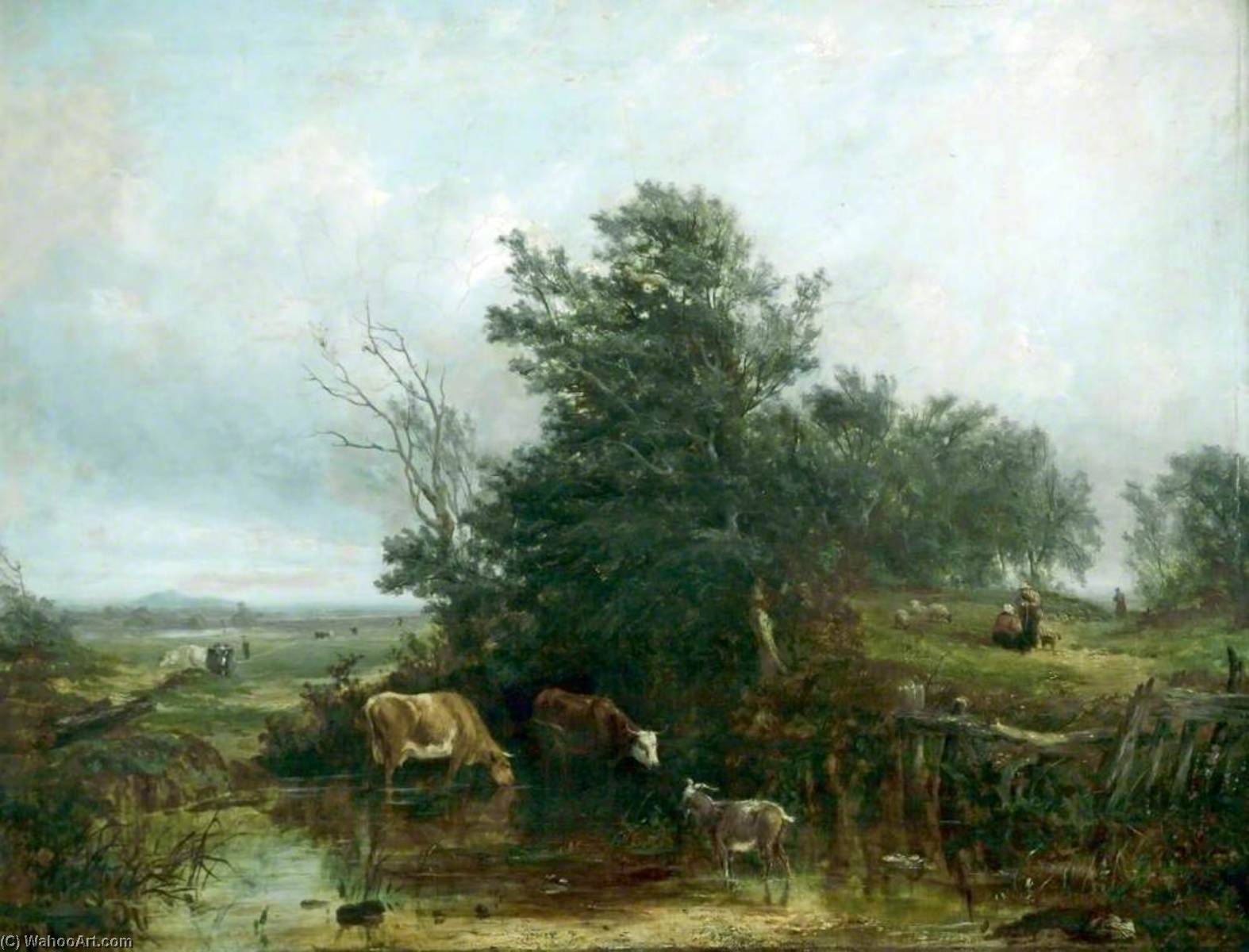
Πορτρέτο του John Wilson

Τα 20 πιο διάσημα έργα του John Wilson, κάθε ένα μοναδικό

Ενημερωμένο Νοέμβριος 2026 · κατάταξη βάσει του σκορ δημοφιλίας μας (αναζητήσεις, επισκέψεις και παραγγελίες για κάθε έργο) · 20 έργα του John Wilson στον κατάλογό μας

Με σύντομη περιγραφή

Το έργο Port Scene (1855) είναι το ποίτευμα του John Wilson που τραβάει περισσότερα βλέμματα. Μετά από αυτό, το βλέμμα στρέφεται στο Fair on the Town Moor, Newcastle (1810) και στο Shipping off the Coast. Ανάμεσα στα 20 έργα του John Wilson στον κατάλογό μας, αυτά τα 20 είναι τα πιο διάσημα, το καθένα ένα μοναδικό πρωτότυπο που παρουσιάζεται με την χρονολογία του, το μουσείο του και τον λόγο για τον οποίο παραμένει αιώνιο.

1774 – 1855 Romanticism Περισσότερα έργα: Wolverhampton Art Gallery

Τα 10 κορυφαία έργα του John Wilson, μέσα από το βλέμμα της γκαλερί

Τα διάσημα έργα του John Wilson, από το 11 έως το 20

Τα μουσεία που διατηρούν τα πρωτότυπα έργα του John Wilson

Τα 8 μουσεία που φιλοξενούν το μεγαλύτερο μέρος των έργων σε αυτήν τη σελίδα.

Μουσείο Πόλη Έργα του John Wilson Πάτρια από αυτή τη λίστα
Wolverhampton Art Gallery, WolverhamptonWolverhampton Art Gallery Wolverhampton 3 Wreck off Folkestone, Landscape with Figures, Approaching Storm, Entrance to the Firth of Forth
Laing Art Gallery, Νιούκαστλ अपॉन το ΤάινLaing Art Gallery Νιούκαστλ अपॉन το Τάιν 2 Fair on the Town Moor, Newcastle, St Nicholas Church, Newcastle upon Tyne
Εθνική Πινάκοθήκη της Σκωτίας, ΈδιμβουργοΕθνική Πινάκοθήκη της Σκωτίας Έδιμβουργο 2 A Coastal Scene Between Nieuport and Ostend, A Ferry Boat on the Maas
Εθνική Πινακοθήκη Λονδίνου, ΜπρίστολΕθνική Πινακοθήκη Λονδίνου Μπρίστολ 1 Shipping off the Coast
Folkestone Library – History Resource Centre, FolkestoneFolkestone Library – History Resource Centre Folkestone 1 After the Storm
Fishing Heritage Centre, GrimsbyFishing Heritage Centre Grimsby 1 Small Ships and Boats off the Coast
National Maritime Museum, ΛονδίνοNational Maritime Museum Λονδίνο 1 Paddle Steamer ‘Dumbarton Castle’ in the Clyde off Dumbarton Rock
Leeds Art Gallery, ΛιντςLeeds Art Gallery Λιντς 1 Coast Scene with Fishing Boats

Ο John Wilson μέσα από τις δεκαετίες: ένα μοναδικό πρωτότυπο για κάθε εποχή

Έργα ανά δεκαετία

Επιλέξτε μια δεκαετία για να δείτε το πρωτότυπο έργο που την χαρακτηρίζει.

Οι πίνακες του John Wilson: ερωτήσεις για την γκαλερί

Ποιο είναι το πιο διάσημο έργο του John Wilson;Αποκαλύψτε την απάντηση

Το Port Scene (1855). Στη συνέχεια ακολουθούν το Fair on the Town Moor, Newcastle (1810) και το Shipping off the Coast.

Σε τι ηλικία δημιούργησε ο/η John Wilson το έργο Port Scene;Αποκαλύψτε την απάντηση

81 ετών: το έργο Port Scene είναι του 1855, και ο/η John Wilson γεννήθηκε το 1774.

Ποια είναι τα δέκα πιο διάσημα έργα του John Wilson;Αποκαλύψτε την απάντηση

Port Scene, Fair on the Town Moor, Newcastle, Shipping off the Coast, After the Storm, A Coastal Scene Between Nieuport and Ostend, A Ferry Boat on the Maas, Small Ships and Boats off the Coast, Sea Piece, On the Scheldt και A Shady Stream. Η κατάταξη παραπάνω αναγράφει το έτος και το μουσείο για το κάθε έργο.

Πόσα έργα του John Wilson είναι γνωστά;Αποκαλύψτε την απάντηση

Ο κατάλογός μας περιλαμβάνει 20 έργα του John Wilson, με ημερομηνίες από 1800 έως 1855.

Πού μπορούν να θαυμαστούν τα πιο διάσημα πρωτότυπα έργα του John Wilson;Αποκαλύψτε την απάντηση

Κυρίως σε Wolverhampton Art Gallery (Wolverhampton), Laing Art Gallery (Νιούκαστλ अपॉन το Τάιν) και Εθνική Πινάκοθήκη της Σκωτίας (Έδιμβουργο). Ο πίνακας μουσείου παραπάνω τους περιλαμβάνει όλους.

Κατά ποια περίοδο δημιούργησε ο/η John Wilson τα πιο γνωστά του/της έργα;Αποκαλύψτε την απάντηση

Κατά την περίοδο 1810s: 2 από τα 20 έργα σε αυτήν τη σελίδα δημιουργήθηκαν τότε, με Fair on the Town Moor, Newcastle από αυτά να είναι μοναδικά.

Ποιο διάσημο έργο του John Wilson είναι το παλαιότερο και ποιο το νεότερο;Αποκαλύψτε την απάντηση

Σε αυτήν τη σελίδα, το παλαιότερο είναι After the Storm (1800) και το νεότερο Port Scene (1855).

Ποιο καλλιτεχνικό κίνημα ανήκει το έργο του John Wilson;Αποκαλύψτε την απάντηση

Romanticism, όπως προκύπτει από τα πρωτότυπα σε αυτήν τη σελίδα.

Ποια πρωτότυπα έργα του John Wilson μπορώ να δω στο Wolverhampton Art Gallery;Αποκαλύψτε την απάντηση

Wreck off Folkestone, Landscape with Figures και Approaching Storm, Entrance to the Firth of Forth: το Wolverhampton Art Gallery, Wolverhampton διαθέτει 3 από τα έργα σε αυτήν τη σελίδα.

John Wilson: ένα πορτρέτο του καλλιτέχνη

Early Life and Artistic Beginnings

John H. “Old Jock” Wilson, born in Ayr, Scotland, in 1774, emerged from a background steeped in the practicalities of maritime life—his father was a merchant sea captain. This early connection to the ocean would profoundly shape his artistic trajectory, imbuing his later works with an authenticity and emotional resonance rarely found in purely academic landscapes. Initially destined for a trade, Wilson’s path took an unexpected turn when he apprenticed as a house painter in Edinburgh at the young age of thirteen. However, it was under the tutelage of Alexander Nasmyth, a prominent Scottish landscape artist, that his true vocation began to blossom. For two years, Wilson honed his skills in Montrose, painting evocative scenes and sharing his burgeoning talent by teaching drawing—a testament to his natural inclination for both creation and instruction.

London and the Rise to Prominence

The allure of London beckoned in 1798, a city brimming with artistic opportunity. Wilson initially found work as a scenery painter for Astley’s Amphitheatre and other theatres, a demanding role that nevertheless sharpened his observational skills and mastery of atmospheric perspective. This period proved crucial in developing his ability to capture dramatic light and movement—qualities that would become hallmarks of his mature style. From 1807 onwards, Wilson consistently exhibited at the Royal Academy, showcasing seventy-six paintings over the course of four decades. He also maintained a prolific presence at the British Institution between 1813 and 1854 with an impressive one hundred and forty-four exhibits. His dedication to exhibiting established him within the London art world, garnering recognition for his increasingly sophisticated depictions of coastal scenes and landscapes.

A Master of Marine Painting

Wilson’s artistic focus centered on the raw beauty and untamed power of the sea. He wasn't merely documenting coastlines; he was capturing a feeling—the chill spray of waves, the brooding presence of storm clouds, the delicate interplay of light on water. His paintings often featured small ships battling choppy seas, evoking both the vulnerability and resilience of human endeavor against the forces of nature. This realism, combined with a romantic sensibility, resonated deeply with audiences. In 1825, he received a prestigious premium from the British Institution for *The Battle of Trafalgar*, a work that was subsequently acquired by Lord Northwick—a clear indication of his growing reputation and artistic merit. The painting’s eventual allocation to East Ayrshire Council in 2010 ensured its continued public accessibility, allowing future generations to appreciate Wilson's skill.

Founding the Society of British Artists

Wilson wasn’t content simply to exhibit within established institutions; he actively sought to create new avenues for artistic expression. He was a founding member of the Society of British Artists in 1823, an organization dedicated to promoting the work of British artists independent of the Royal Academy's often-conservative standards. His commitment to this society culminated in his presidency in 1827—a testament to his leadership and influence within the artistic community. Simultaneously, he was elected as an honorary member of the Scottish Academy, further solidifying his position as a respected figure on both sides of the border.

A Legacy Continued Through Generations

John Wilson’s impact extended beyond his own prolific output; he fostered a family tradition of artistic excellence. His son, John James Wilson (known as “Young Jock”), followed in his father's footsteps and became a painter himself. Even further down the line, his grandson, William John Wilson, continued the lineage as a theatre scene painter and manager—a direct continuation of the profession that had launched his grandfather’s career. This multi-generational dedication speaks volumes about Wilson’s enduring influence and the profound impact he had on those around him. His works continue to captivate viewers with their evocative power, offering a glimpse into the beauty and drama of 19th-century coastal life—a legacy that endures through time.