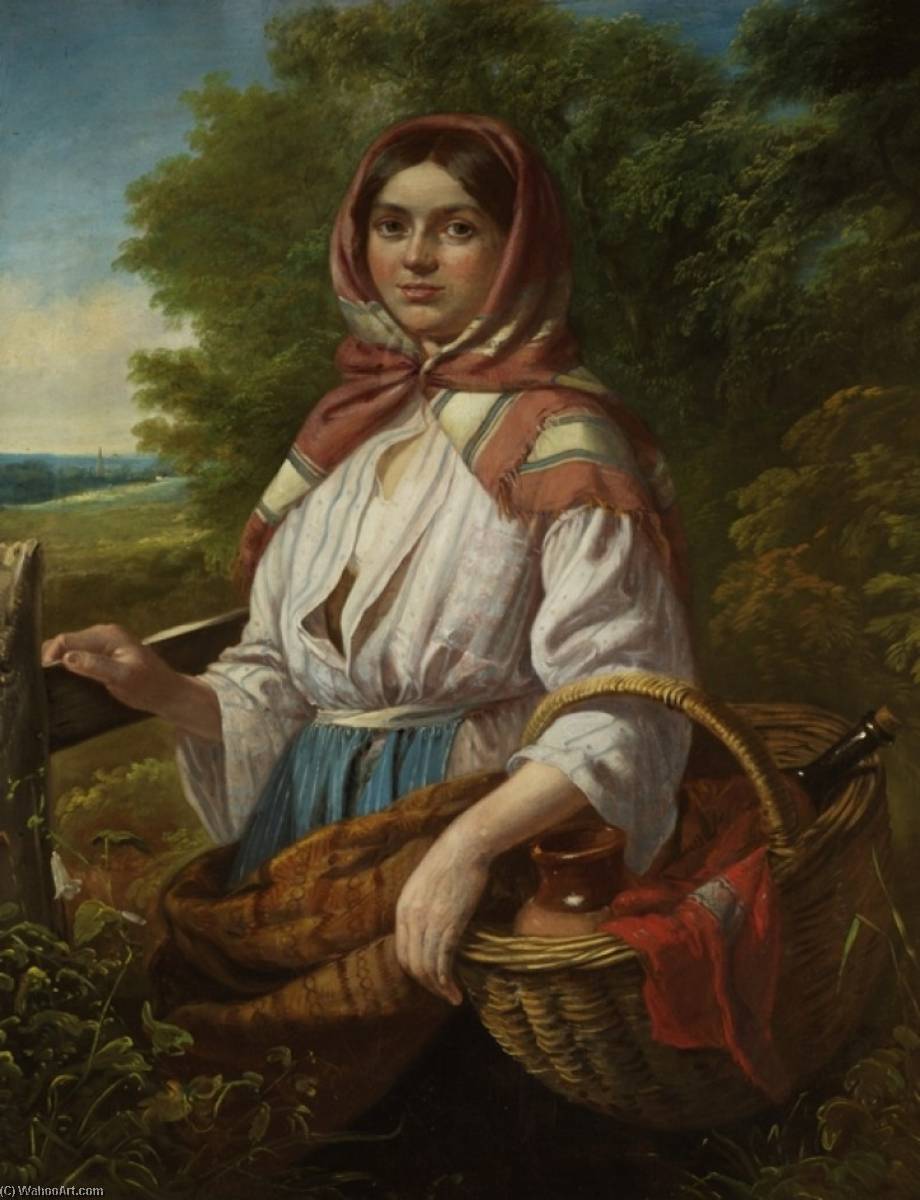
Πορτρέτο του Τζον Τζόζεφ Μπάρκερ

Πάτσαδες του Τζον Τζόζεφ Μπάρκερ: Τα 28 πιο διάσημα, μέσα από το βλέμμα μιας γκαλερί

Ενημερωμένο Νοέμβριος 2026 · κατάταξη βάσει του σκορ δημοφιλίας μας (αναζητήσεις, επισκέψεις και παραγγελίες για κάθε έργο) · 31 έργα του Τζον Τζόζεφ Μπάρκερ στον κατάλογό μας

Με σύντομη περιγραφή

Στο μάτι της γκαλερί, το πιο διάσημο έργο του Τζον Τζόζεφ Μπάρκερ είναι το The Poet Chatterton (1860), το πρωτότυπο του οποίου εκτίθεται στο Auckland Art Gallery Toi o Tāmaki, Οκλάντ. Ο Highland Landscape with Sheepdog and Sheep και ο Irish Immigrants (1847) ολοκληρώνουν το τρίο που κάθε μάτι αναγνωρίζει. Από τα 31 έργα του Τζον Τζόζεφ Μπάρκερ στον κατάλογό μας, η γκαλερί παρουσιάζει παρακάτω τα 28 πιο διάσημα, όπου κάθε ένα είναι πρωτότυπο, με την χρονολογία του, το μουσείο του και το τι το κάνει μοναδικό.

1824 – 1904, Εδιμβούργο Περισσότερα έργα: Victoria Art Gallery

Τα 10 κορυφαία έργα του Τζον Τζόζεφ Μπάρκερ στη γκαλερέι

1
The Poet Chatterton (1860) του Τζον Τζόζεφ Μπάρκερ

The Poet Chatterton

1860 · Oil On Canvas · Auckland Art Gallery Toi o Tāmaki, Οκλάντ

In The Poet Chatterton, John Joseph Barker presents a scene of profound stillness and isolation. The composition centers on a solitary young man, positioned slightly to the left of the frame, who appears lost in a state of deep despair or exhaustion. He is seated amidst a collection of scattered papers and books, leaning his head heavily upon his hand. This arrangement creates a sense of quietude within the cramped,…

2
Highland Landscape with Sheepdog and Sheep του Τζον Τζόζεφ Μπάρκερ

Highland Landscape with Sheepdog and Sheep

Highland Landscape with Sheepdog and Sheep by John Joseph Barker presents a pastoral scene set within a mountainous terrain. The composition centers on a large black and white dog positioned on a rock near the middle of the frame. This animal sits in an alert posture, observing a herd of sheep that is spread across the field. Some sheep stand in close proximity to one another, while others are situated…

3
Irish Immigrants (1847) του Τζον Τζόζεφ Μπάρκερ

Irish Immigrants

1847 · Oil · Victoria Art Gallery, Μπάθ

In Irish Immigrants, John Joseph Barker captures a gathering of souls within the shadows of a dark room. Painted about 1847, the work presents a group of at least nine individuals caught in a moment of shared existence. They are huddled together, some seated or kneeling upon the floor, while others stand in the dim light. There is a quiet gravity to their assembly, a sense of people finding warmth…

4
Irish Immigrants (1847) του Τζον Τζόζεφ Μπάρκερ

Irish Immigrants

1847 · Oil · Victoria Art Gallery, Μπάθ

In this 1847 composition, we find ourselves drawn into a dimly lit room where the air feels heavy with the weight of shared history. A large family is gathered closely, their figures silhouetted against the soft glow of a fireplace. There is a profound sense of togetherness here, a quiet intimacy shared between generations. Children and adults occupy the space in a way that suggests a momentary pause in a…

Πάينτα του Τζον Τζόζεφ Μπάρκερ, κατάταξη από 11 έως 28

Τα θέματα που κίνησαν το ενδιαφέρον του Τζον Τζόζεφ Μπάρκερ

Τα τέσσερα θέματα που εμφανίζονται πιο συχνά σε αυτά τα πρωτότυπα έργα, το καθένα με το εξαιρετικό του παράδειγμα.

Τα μουσεία που διατηρούν τα πρωτότυπα έργα του Τζον Τζόζεφ Μπάρκερ

Τα 8 μουσεία που φιλοξενούν το μεγαλύτερο μέρος των έργων σε αυτήν τη σελίδα.

Μουσείο Πόλη Έργα του Τζον Τζόζεφ Μπάρκερ Πάτρια από αυτή τη λίστα
Victoria Art Gallery, ΜπάθVictoria Art Gallery Μπάθ 14 Irish Immigrants, Irish Immigrants, Tam o' Shanter
The Holburne Museum, ΜπαθThe Holburne Museum Μπαθ 3 The Farmer's Lunch, Landscape with Sheep under a Tree, Shepherdess in the Snow
Auckland Art Gallery Toi o Tāmaki, ΟκλάντAuckland Art Gallery Toi o Tāmaki Οκλάντ 1 The Poet Chatterton
Dumfries Museum And Camera Obscura, DumfriesDumfries Museum And Camera Obscura Dumfries 1 Highland Landscape with Sheepdog and Sheep
Holburne Museum, BathHolburne Museum Bath 1 The Farmer's Lunch
Πανεπιστημιακά Μουσεία του Κέμπριτζ, ΚέιμπριτζΠανεπιστημιακά Μουσεία του Κέμπριτζ Κέιμπριτζ 1 Lumber Wagon
Sidney Sussex College, CambridgeSidney Sussex College Cambridge 1 Lumber Waggon
Government Art Collection, ΛονδίνοGovernment Art Collection Λονδίνο 1 Near the Malvern Hills

Τζον Τζόζεφ Μπάρκερ, ένα χαρακτηριστικό έργο ανά δεκαετία

Έργα ανά δεκαετία

Επιλέξτε μια δεκαετία για να δείτε το πρωτότυπο έργο που την χαρακτηρίζει.

Οι πίνακες του Τζον Τζόζεφ Μπάρκερ: οι απαντήσεις της γκαλερί

Ποιο έργο του Τζον Τζόζεφ Μπάρκερ είναι το πιο διάσημο από όλα;Αποκαλύψτε την απάντηση

The Poet Chatterton (1860), Auckland Art Gallery Toi o Tāmaki, Οκλάντ. Στη συνέχεια ακολουθούν το Highland Landscape with Sheepdog and Sheep και το Irish Immigrants (1847).

Πόσο είχε ηλικία ο Τζον Τζόζεφ Μπάρκερ όταν ολοκλήρωσε το The Poet Chatterton;Αποκαλύψτε την απάντηση

36 ετών: το έργο The Poet Chatterton είναι του 1860, και ο/η Τζον Τζόζεφ Μπάρκερ γεννήθηκε το 1824.

Ποιες είναι τα 10 κορυφαία έργα του Τζον Τζόζεφ Μπάρκερ;Αποκαλύψτε την απάντηση

The Poet Chatterton, Highland Landscape with Sheepdog and Sheep, Irish Immigrants, Irish Immigrants, Tam o' Shanter, Boy with a Guinea Pig, The Farmer's Lunch, The Farmer's Lunch, The Shepherd και The Lime Kiln. Η κατάταξη παραπάνω αναγράφει το έτος και το μουσείο για το κάθε έργο.

Πόσα έργα δημιούργησε ο/η Τζον Τζόζεφ Μπάρκερ;Αποκαλύψτε την απάντηση

Ο κατάλογός μας περιλαμβάνει 31 έργα του Τζον Τζόζεφ Μπάρκερ, με ημερομηνίες από 1847 έως 1879.

Πού εκτίθενται τα πιο διάσημα πρωτότυπα του Τζον Τζόζεφ Μπάρκερ;Αποκαλύψτε την απάντηση

Κυρίως σε Victoria Art Gallery (Μπάθ), The Holburne Museum (Μπαθ) και Auckland Art Gallery Toi o Tāmaki (Οκλάντ). Ο πίνακας μουσείου παραπάνω τους περιλαμβάνει όλους.

Πότε δημιούργησε ο/η Τζον Τζόζεφ Μπάρκερ τα πιο διάσημα έργα του/της;Αποκαλύψτε την απάντηση

Κατά την περίοδο 1860s: 4 από τα 28 έργα σε αυτήν τη σελίδα δημιουργήθηκαν τότε, με The Poet Chatterton από αυτά να είναι μοναδικά.

Ποια είναι τα πρώτα και τα τελευταία διάσημα έργα του Τζον Τζόζεφ Μπάρκερ;Αποκαλύψτε την απάντηση

Σε αυτήν τη σελίδα, το παλαιότερο είναι Irish Immigrants (1847) και το νεότερο The Shepherd (1879).

Ποια θέματα επέλεξε πιο συχνά ο Τζον Τζόζεφ Μπάρκερ;Αποκαλύψτε την απάντηση

Sheep (2), People (2) και Cup (2), σε συνολικά 28 έργα σε αυτήν τη σελίδα.

Με ποια τεχνική εργάστηκε περισσότερο ο Τζον Τζόζεφ Μπάρκερ;Αποκαλύψτε την απάντηση

Oil, για 3 από τα 28 έργα σε αυτήν τη σελίδα.

Ποια πρωτότυπα έργα του Τζον Τζόζεφ Μπάρκερ διαθέτει το Victoria Art Gallery;Αποκαλύψτε την απάντηση

Irish Immigrants, Irish Immigrants και Tam o' Shanter: το Victoria Art Gallery, Μπάθ διαθέτει 14 από τα έργα σε αυτήν τη σελίδα.

Τζον Τζόζεφ Μπάρκερ: ο καλλιτέχνης

A Legacy of Pastoral Serenity: The Life and Art of John Joseph Barker

In the heart of the Victorian era, a period often defined by the soot and clamor of the Industrial Revolution, the works of John Joseph Barker offered a profound sanctuary of stillness. Born in Edinburgh in 1824, Barker emerged as a painter who looked away from the encroaching urban sprawl to find his muse in the enduring rhythms of the countryside. His life’s work became a poetic tribute to the simplicity of rural existence, capturing the quiet dignity of Scottish landscapes and the gentle movements of pastoral life with an intimacy that resonated deeply with the sensibilities of his time.

Barker’s artistic foundation was laid in the classical traditions of his native Scotland. Under the tutelage of William Laidlaw Symonds at the Melville Institution, he mastered the rigorous technical precision required of a formal academic painter. This early discipline provided him with the tools to render texture and light with remarkable fidelity. However, it was his subsequent travels through Europe—most notably his immersion in the artistic atmosphere of Italy—that breathed a new, romantic vitality into his brushwork. In the sun-drenched landscapes of Florence and Rome, Barker encountered the lingering echoes of Turner and Constable, learning how to weave atmospheric perspective and soft, emotive light into his compositions.

The Art of the Everyday: Technique and Subject Matter

What distinguishes a Barker painting is not the presence of grand historical drama, but rather the profound beauty found in the mundane. He possessed a rare ability to elevate commonplace scenes—a shepherd tending his flock, a farmer guiding a hay cart, or a solitary figure resting with a donkey—into moments of timeless significance. His technique was characterized by a meticulous layering process; he utilized a distinctive glazing method, applying thin, translucent washes of color over textured underpaintings. This approach allowed light to appear as if it were emanating from within the canvas itself, lending a luminous, almost ethereal quality to his depictions of meadows and hillsides.

His repertoire often focused on themes of companionship and stewardship within the natural world. In works such as Guarding the Flock, one can observe the tender bond between man and animal, rendered with a detailed realism that highlights the soft wool of the sheep and the alert posture of a collie. This sentimental yet grounded approach to genre painting allowed him to explore several recurring motifs:

  • The Symbiosis of Man and Nature: Depicting labor not as toil, but as a harmonious integration into the landscape.
  • Atmospheric Landscapes: Using light and shadow to evoke the shifting moods of the Scottish countryside.
  • Animal Portraiture: Capturing the character and presence of livestock and working dogs within their habitats.

Historical Significance and Enduring Impression

As the 19th century progressed, Barker’s work stood as a nostalgic bulwark against the rapid changes of the modern age. While his contemporaries might have moved toward more radical abstractions, Barker remained dedicated to the sentimental genre, providing his audience with a visual connection to a vanishing way of life. His paintings served as windows into a world of predictable seasons and quiet labors, offering a sense of stability and peace to a society in flux.

Today, the legacy of John Joseph Barker lives on through his ability to evoke emotion through stillness. He remains a significant figure in British landscape painting, not because he sought to shock the viewer, but because he sought to soothe them. His mastery of light, combined with his deep reverence for the rural spirit, ensures that his canvases continue to offer a quiet, luminous escape for all who encounter them.