Πορτρέτο του Τζουζέπε Αρτσιμπόλντο

Πάτσαδες του Τζουζέπε Αρτσιμπόλντο: Τα 100 πιο διάσημα, μέσα από το βλέμμα μιας γκαλερί

Ενημερωμένο Νοέμβριος 2026 · κατάταξη βάσει του σκορ δημοφιλίας μας (αναζητήσεις, επισκέψεις και παραγγελίες για κάθε έργο) · 175 έργα του Τζουζέπε Αρτσιμπόλντο στον κατάλογό μας

Με σύντομη περιγραφή

Στο μάτι της γκαλερί, το πιο διάσημο έργο του Τζουζέπε Αρτσιμπόλντο είναι το Βερτουμνός (Βέρτωμο) (1590), το πρωτότυπο του οποίου εκτίθεται στο Skoklosters Slott, Balsta. Ο Ο Βιβλιοθηκάριος (1566) και ο Καλοκαίρι 1 (1563) ολοκληρώνουν το τρίο που κάθε μάτι αναγνωρίζει. Από τα 175 έργα του Τζουζέπε Αρτσιμπόλντο στον κατάλογό μας, η γκαλερί παρουσιάζει παρακάτω τα 100 πιο διάσημα, όπου κάθε ένα είναι πρωτότυπο, με την χρονολογία του, το μουσείο του και το τι το κάνει μοναδικό.

1527 – 1593, Μιλάνο Μανιερισμός Περισσότερα έργα: Galleria degli Uffizi

Τα 10 κορυφαία έργα του Τζουζέπε Αρτσιμπόλντο στη γκαλερέι

1
Βερτουμνός (Βέρτωμο) (1590) του Τζουζέπε Αρτσιμπόλντο

Βερτουμνός (Βέρτωμο)

1590 · Άνθρακα και λάδι σε καμβά · Skoklosters Slott, Balsta

Ο Giuseppe Arcimboldo, ένας καλλιτέχνης που παραμένει ένα από τα πιο ιδιαίτερα πρόσωπα της Αναγέννησης, μας προσφέρει με το έργο του *Vertumnus* (1590) μια πραγματική μεταμόρφωση. Γεννημένος στη Μπολόνια το 1527 και πετυχαίνων αναγνώριση στην αυλή των Αψβούργων, ο Arcimboldo δεν περιορίστηκε στις παραδοσιακές τεχνικές ζωγραφικής. Αντίθετα, δημιούργησε ένα μοναδικό είδος τέχνης: πορτρέτα που αποτελούνται από μια εκπληκτική συλλογή φρούτων, λαχανικών, λουλουδιών και άλλων αντικειμένων – ένα πραγματικό οπτικό αίνιγμα.…

2
Ο Βιβλιοθηκάριος (1566) του Τζουζέπε Αρτσιμπόλντο

Ο Βιβλιοθηκάριος

1566 · Άνθρακα σε πάνελ

Το έργο "Ο Βιβλιοθηκάριος" του Giuseppe Arcimboldo, που δημιουργήθηκε περίπου το 1566, αποτελεί ένα μαγευτικό και αινιγματικό αριστούργημα που αναδεικνύει τη μοναδική ιδιοφυΐα του καλλιτέχνη. Αυτό το αριστούργημα αποτελεί μέρος μιας σειράς πορτρέτων αποτελούμενων εξ ολοκλήρου από αντικείμενα –στην προκειμένη περίπτωση, βιβλία– τα οποία έχουν τοποθετηθεί με ακρίβεια για να σχηματίσουν μια ανθρώπινη μορφή. Το πίνακας φυλάσσεται στο Κάστρο Skokloster στη Σουηδία και θεωρείται πορτρέτο του Wolfgang Lazius, ενός ιστορικού…

3
Καλοκαίρι 1 (1563) του Τζουζέπε Αρτσιμπόλντο

Καλοκαίρι 1

1563 · Άνθρακα και λάδι σε καμβά · Kunsthistorisches Museum, Βιέννη

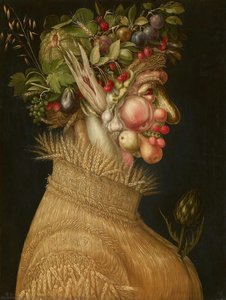
Το έργο του Giuseppe Arcimboldo, το "Summer 1", δεν είναι απλώς ένα πορτρέτο ή μια σύνθεση με αντικείμενα – είναι μια μεταμόρφωση της ίδιας της πραγματικότητας. Δημιουργημένο το 1563, αυτό το συναρπαστικό έργο αποτελεί μια απόδειξη της ευφυΐας του καλλιτέχνη και της ικανότητάς του να συνδυάζει τον ρεαλισμό με την αλληγορική βάθος. Καθώς εξερευνούμε αυτήν την εικόνα, θα ανακαλύψουμε έναν κόσμο όπου η φύση και ο άνθρωπος ενωθούν, δημιουργώντας μια…

4
Άνοιξη (1572) του Τζουζέπε Αρτσιμπόλντο

Άνοιξη

1572 · Άνθρακα και λάδι σε καμβά · Μουσείο Τέχνης του Ντένβερ, Ντένβερ

Το αριστούργημα του Γιουσέπε Αρσιμπόλντο του 1572, η «Άνοιξη», ξεπερνά τα όρια της παραδοσιακής σιπλάι και της πορτραίτ τεχνης. Πρόκειται για μια οπτικά εντυπωσιακή και πνευματικά διεγερτική σύνθεση – ένα ανθρώπινο προφίλ που έχει κατασκευαστεί έξυπνα εξ ολοκλήρου από την щеδρα σοδειά της εποχής της συγκομιδής. Αυτό το έργο ενσαρκώνει την μοναδική καλλιτεχνική οραματικότητα του Αρσιμπόλντο, αμφισβητώντας την συμβατική αναπαράσταση και προσκαλώντας σε στοχασμό για τη βαθιά σύνδεση μεταξύ της…

5
Η Πυρκαγιά του Τζουζέπε Αρτσιμπόλντο

Η Πυρκαγιά

Άνθρακα και λάδι σε καμβά · Kunsthistorisches Museum, Βιέννη

Περιέργεια Θέματος και Συμβολισμός Αυτό το μαγευτικό έργο τέχνης παρουσιάζει ένα σουρεαλιστικό και συμβολικό tableau, κεντρικά εστιασμένο στο θέμα της φωτιάς, της μεταμόρφωσης και της φθαρτότητας. Η σύνθεση περιλαμβάνει μια συγκέντρωση σχολαστικά αναδείξonych αντικειμένων, τοποθετημένων πάνω σε μια πολυτελή, χρυσή πλατφόρμα που θυμίζει έναν υβρίδιο κλασικού στηλωστή και μηχανικού τροχού. Φλόγες και καπνός ξεπηδούν από την κορυφή, υποδηλώνοντας μια στιγμή χάους και αναγέννησης. Τα αντικείμενα—από αρχαία τεχνουργήματα καιrelics έως καθημερινά…

6
Το Φθινόπωρο (1573) του Τζουζέπε Αρτσιμπόλντο

Το Φθινόπωρο

1573 · Άνθρακα και λάδι σε καμβά · Μουσείο του Λούβρου, Παρίσι

Το έργο “Autumn” του Giuseppe Arcimboldo, ένα αριστούργημα που γεννήθηκε το 1573 και σήμερα φιλοξενείται στο Μουσείο του Λούβρου, δεν είναι απλώς μια ζωγραφική – είναι μια οπτική μεταμόρφωση. Αποτελεί μια βαθιά εξερεύνηση της φύσης, της εποχής και της ανθρώπινης ψυχολογίας μέσα από την πρωτοποριακή τεχνική του Arcimboldo: τη δημιουργία πορτρέτων αποκλειστικά από αντικείμενα – φρούτα, λαχανικά, άνθη, βιβλία, ακόμη και μουσικά όργανα. Αυτό το συγκεκριμένο έργο, με τις έντονες…

7
Φυλάκια Φυτικής Ζωής (1591) του Τζουζέπε Αρτσιμπόλντο

Φυλάκια Φυτικής Ζωής

1591 · Άνθρακα και λάδι σε καμβά

Σε μια εποχή όπου η τέχνη προσπαθούσε να αποτυπώσει την αρμονία και την ομορφιά της φύσης, ο Giuseppe Arcimboldo ξεχώρισε με έναν τρόπο που κανείς δεν είχε φανταστεί. Το 1591, μέσα από το δικό του μοναδικό μάτι, δημιούργησε το "Floral Still Life", ένα έργο που δεν είναι απλώς μια απεικόνιση λουλουδιών και φυτών, αλλά μια βαθιά εξερεύνηση της ανθρώπινης φύσης και της σχέσης της με τον κόσμο γύρω μας. Αυτό…

8
Άνοιξη (1573) του Τζουζέπε Αρτσιμπόλντο

Άνοιξη

1573 · Άνθρακα και λάδι σε καμβά · Μουσείο του Λούβρου, Παρίσι

Giuseppe Arcimboldo’s “Spring,” painted in 1573, is not merely a portrait; it’s an immersive experience, a vibrant testament to the Renaissance fascination with nature, allegory, and the cyclical rhythms of life. This arresting image, now meticulously reproduced on canvas by WahooArt.com, immediately captivates with its audacious composition – a male figure, rendered entirely from an astonishing array of blossoms, fruits, and verdant foliage, his face emerging from a riotous profusion…

9
Γη (1566) του Τζουζέπε Αρτσιμπόλντο

Γη

1566 · Άνθρακα και λάδι σε καμβά

This exquisite hand-painted reproduction captures the essence of Giuseppe Arcimboldo's most celebrated works, specifically his 1566 painting "Earth." Measuring 70 x 49 cm, this piece is a testament to Arcimboldo’s unparalleled skill in transforming the mundane into the magnificent – a profound meditation on nature, humanity, and the very fabric of existence. Arcimboldo, born in Milan in 1527, was a pivotal figure within the Italian Renaissance, pushing beyond traditional portraiture…

10
Χειμώνας (1573) του Τζουζέπε Αρτσιμπόλντο

Χειμώνας

1573 · Άνθρακα και λάδι σε καμβά · Μουσείο του Λούβρου, Παρίσι

Giuseppe Arcimboldo's "Winter," painted in 1573, isn’t merely a portrait; it’s an immersive experience. Within its meticulously constructed frame resides a man – or perhaps a composite of many men – sculpted entirely from the bounty and stark beauty of winter itself. The painting immediately arrests the eye with its audacious composition: a head formed from bare branches, frosted berries, and the ghostly suggestion of snow, all rendered in rich…

Πάينτα του Τζουζέπε Αρτσιμπόλντο, κατάταξη από 11 έως 100

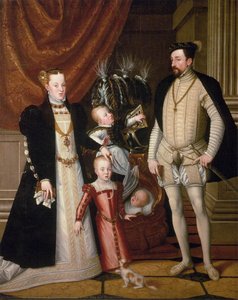
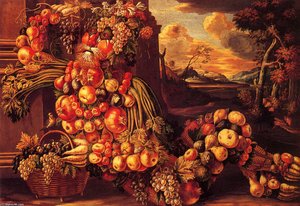
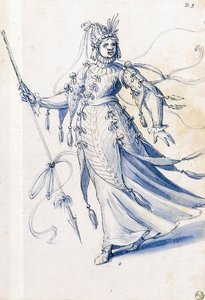
11Κεφαλή με καλάθι καρπών (1590) του Τζουζέπε ΑρτσιμπόλντοΚεφαλή με καλάθι καρπών1590 · French & Company 12Μαξιμιλιανός Β', η Σύζυγός του και τα τρία παιδιά (λεπτομέρεια) (1563) του Τζουζέπε ΑρτσιμπόλντοΜαξιμιλιανός Β', η Σύζυγός του και τα τρία παιδιά (λεπτομέρεια)1563 · Kunsthistorisches Museum 13The Vegetable Gardener (1587) του Τζουζέπε ΑρτσιμπόλντοThe Vegetable Gardener1587 · Museo Civico Ala Ponzone 14Winter (1572) του Τζουζέπε ΑρτσιμπόλντοWinter1572 · Menil Collection 15Μαξιμιλιανός Β', η Σύρρα και τα Τρία Παιδιά (1563) του Τζουζέπε ΑρτσιμπόλντοΜαξιμιλιανός Β', η Σύρρα και τα Τρία Παιδιά1563 · Kunsthistorisches Museum 16Spring (1563) του Τζουζέπε ΑρτσιμπόλντοSpring1563 · Βασική Ακαδημία Καλών Τεχνών Σαν Φερνάνδο 17Καλοκαίρι (1563) του Τζουζέπε ΑρτσιμπόλντοΚαλοκαίρι1563 · Kunsthistorisches Museum 18Allegory of Spring (1550) του Τζουζέπε ΑρτσιμπόλντοAllegory of Spring1550 · Bavarian State Painting Collections 19Summer (1572) του Τζουζέπε ΑρτσιμπόλντοSummer1572 · Μουσείο Τέχνης του Ντένβερ 20The Four Seasons in one Head (1590) του Τζουζέπε ΑρτσιμπόλντοThe Four Seasons in one Head1590 · Εθνική Πινακοθήκη Τέχνης 21Allegorical Portrait- "Summer" (1572) του Τζουζέπε ΑρτσιμπόλντοAllegorical Portrait- "Summer"1572 · Denver Art Museum 22Allegory of Autumn (1561) του Τζουζέπε ΑρτσιμπόλντοAllegory of Autumn1561 · Bavarian State Painting Collections 23L'HIVER του Τζουζέπε ΑρτσιμπόλντοL'HIVERΜουσείο του Λούβρου 24Πυρ (1566) του Τζουζέπε ΑρτσιμπόλντοΠυρ1566 · Kunsthistorisches Museum 25Scenes from the Old Testament (detail) (1549) του Τζουζέπε ΑρτσιμπόλντοScenes from the Old Testament (detail)1549 · Καθεδρικός Ναός του Μιλάνο 26Treatise on Silk Culture and Manufacture (Series of Thirteen Drawings, No. 10) (1586) του Τζουζέπε ΑρτσιμπόλντοTreatise on Silk Culture and Manufacture (Series of Thirteen Drawings, No. 10)1586 · Μουσείο Τέχνης Βοστώνης 27Treatise on Silk Culture and Manufacture (Series of Thirteen Drawings, No. 5, detail) (1586) του Τζουζέπε ΑρτσιμπόλντοTreatise on Silk Culture and Manufacture (Series of Thirteen Drawings, No. 5, detail)1586 · Μουσείο Τέχνης Βοστώνης 28Costume drawing of a female figure with torch (1585) του Τζουζέπε ΑρτσιμπόλντοCostume drawing of a female figure with torch1585 · Galleria degli Uffizi 29Το Πάσχα του Τζουζέπε ΑρτσιμπόλντοΤο ΠάσχαΜουσείο του Λούβρου 30Self-Portrait on Paper (detail) (1587) του Τζουζέπε ΑρτσιμπόλντοSelf-Portrait on Paper (detail)1587 · Palazzo Rosso 31Costume of the allegorical figure ''Grammar'' (1585) του Τζουζέπε ΑρτσιμπόλντοCostume of the allegorical figure ''Grammar''1585 · Galleria degli Uffizi 32L'Eté του Τζουζέπε ΑρτσιμπόλντοL'EtéΜουσείο του Λούβρου 33Sketch for a Mask (1585) του Τζουζέπε ΑρτσιμπόλντοSketch for a Mask1585 · Galleria degli Uffizi 34Treatise on Silk Culture and Manufacture (Series of Thirteen Drawings, No. 12) (1586) του Τζουζέπε ΑρτσιμπόλντοTreatise on Silk Culture and Manufacture (Series of Thirteen Drawings, No. 12)1586 · Μουσείο Τέχνης Βοστώνης 35Costume of the allegorical figure ''Astrology'' (1585) του Τζουζέπε ΑρτσιμπόλντοCostume of the allegorical figure ''Astrology''1585 · Galleria degli Uffizi 36Costume of the allegorical figure ''Music'' (1585) του Τζουζέπε ΑρτσιμπόλντοCostume of the allegorical figure ''Music''1585 · Galleria degli Uffizi 37Self-Portrait (1571) του Τζουζέπε ΑρτσιμπόλντοSelf-Portrait1571 · Εθνική Πινακοθήκη Πράગας 38Sketch for a sleigh with figures (1585) του Τζουζέπε ΑρτσιμπόλντοSketch for a sleigh with figures1585 · Galleria degli Uffizi 39Seated Figure of Summer (1573) του Τζουζέπε ΑρτσιμπόλντοSeated Figure of Summer1573 40Costume drawing of a woman with torch (1585) του Τζουζέπε ΑρτσιμπόλντοCostume drawing of a woman with torch1585 · Galleria degli Uffizi 41Costume of the allegorical figure ''Dialectic'' (1585) του Τζουζέπε ΑρτσιμπόλντοCostume of the allegorical figure ''Dialectic''1585 · Galleria degli Uffizi 42Nature studies (9) (1575) του Τζουζέπε ΑρτσιμπόλντοNature studies (9)1575 · Österreichische Nationalbibliothek 43Bust of a Daughter of Ferdinand I (1563) του Τζουζέπε ΑρτσιμπόλντοBust of a Daughter of Ferdinand I1563 · Kunsthistorisches Museum 44Vertumnus (detail) (1591) του Τζουζέπε ΑρτσιμπόλντοVertumnus (detail)1591 · Skoklosters Slott 45Flora (1588) του Τζουζέπε ΑρτσιμπόλντοFlora1588 46Bust of a Daughter of Ferdinand I (1563) του Τζουζέπε ΑρτσιμπόλντοBust of a Daughter of Ferdinand I1563 · Kunsthistorisches Museum 47Sketch for a Sleigh Shaped like a Basket of Flowers (1585) του Τζουζέπε ΑρτσιμπόλντοSketch for a Sleigh Shaped like a Basket of Flowers1585 · Galleria degli Uffizi 48Summer (1573) του Τζουζέπε ΑρτσιμπόλντοSummer1573 · Μουσείο του Λούβρου 49Costume drawing of a woman bearing a lance (1585) του Τζουζέπε ΑρτσιμπόλντοCostume drawing of a woman bearing a lance1585 · Galleria degli Uffizi 50Sketch for a sleigh (1585) του Τζουζέπε ΑρτσιμπόλντοSketch for a sleigh1585 · Galleria degli Uffizi 51Bust of a Daughter of Ferdinand I (1563) του Τζουζέπε ΑρτσιμπόλντοBust of a Daughter of Ferdinand I1563 · Kunsthistorisches Museum 52Study of a Featherless Three-Footed Chick (1571) του Τζουζέπε ΑρτσιμπόλντοStudy of a Featherless Three-Footed Chick1571 · Österreichische Nationalbibliothek 53Sketch for a sleigh with figures of sirens (1585) του Τζουζέπε ΑρτσιμπόλντοSketch for a sleigh with figures of sirens1585 · Galleria degli Uffizi 54Horse harness (1585) του Τζουζέπε ΑρτσιμπόλντοHorse harness1585 · Galleria degli Uffizi 55Sketch for a sleigh (1585) του Τζουζέπε ΑρτσιμπόλντοSketch for a sleigh1585 · Galleria degli Uffizi 56The Waiter (1574) του Τζουζέπε ΑρτσιμπόλντοThe Waiter1574 57The Cook (1570) του Τζουζέπε ΑρτσιμπόλντοThe Cook1570 · Nationalmuseum 58Sketch for a Sleigh with a Siren (1585) του Τζουζέπε ΑρτσιμπόλντοSketch for a Sleigh with a Siren1585 · Galleria degli Uffizi 59Costume drawing of a cook (1585) του Τζουζέπε ΑρτσιμπόλντοCostume drawing of a cook1585 · Galleria degli Uffizi 60Costume drawing of a woman bearing a torch (1585) του Τζουζέπε ΑρτσιμπόλντοCostume drawing of a woman bearing a torch1585 · Galleria degli Uffizi 61Sketch for a Cerberus (1585) του Τζουζέπε ΑρτσιμπόλντοSketch for a Cerberus1585 · Galleria degli Uffizi 62Scenes from the Life of St John the Baptist (1545) του Τζουζέπε ΑρτσιμπόλντοScenes from the Life of St John the Baptist1545 · San Maurizio al Monastero Maggiore 63Study of a Goat's Deformed Hoof (1563) του Τζουζέπε ΑρτσιμπόλντοStudy of a Goat's Deformed Hoof1563 · Österreichische Nationalbibliothek 64The Jurist (detail) (1566) του Τζουζέπε ΑρτσιμπόλντοThe Jurist (detail)1566 · Κάστρο Gripsholm 65Nature studies (12) (1576) του Τζουζέπε ΑρτσιμπόλντοNature studies (12)1576 · Österreichische Nationalbibliothek 66Costume drawing for a female figure with torch (1585) του Τζουζέπε ΑρτσιμπόλντοCostume drawing for a female figure with torch1585 · Galleria degli Uffizi 67Blackbuck (1570) του Τζουζέπε ΑρτσιμπόλντοBlackbuck1570 · Österreichische Nationalbibliothek 68Summer (detail) (1563) του Τζουζέπε ΑρτσιμπόλντοSummer (detail)1563 · Kunsthistorisches Museum 69Costume drawing for a male figure with stave (1585) του Τζουζέπε ΑρτσιμπόλντοCostume drawing for a male figure with stave1585 · Galleria degli Uffizi 70Pairs of Allegories (1563) του Τζουζέπε ΑρτσιμπόλντοPairs of Allegories1563 · Kunsthistorisches Museum 71Σχέδιο για ένα άλογο σκιουράκι (1585) του Τζουζέπε ΑρτσιμπόλντοΣχέδιο για ένα άλογο σκιουράκι1585 · Galleria degli Uffizi 72Study of a Figure in a Niche (1560) του Τζουζέπε ΑρτσιμπόλντοStudy of a Figure in a Niche1560 · Μετροπολιτικό Μουσείο Τέχνης 73Winter (L'Inverno) του Τζουζέπε ΑρτσιμπόλντοWinter (L'Inverno)Kunsthistorisches Museum 74Costume drawing of a woman with lance (1585) του Τζουζέπε ΑρτσιμπόλντοCostume drawing of a woman with lance1585 · Galleria degli Uffizi 75Nature studies του Τζουζέπε ΑρτσιμπόλντοNature studiesÖsterreichische Nationalbibliothek 76Costume of the allegorical figure ''Geometry'' (1585) του Τζουζέπε ΑρτσιμπόλντοCostume of the allegorical figure ''Geometry''1585 · Galleria degli Uffizi 77The Seasons του Τζουζέπε ΑρτσιμπόλντοThe Seasons 78Water του Τζουζέπε ΑρτσιμπόλντοWaterMusées Royaux des Beaux-Arts 79Winter (detail) (1563) του Τζουζέπε ΑρτσιμπόλντοWinter (detail)1563 · Kunsthistorisches Museum 80The Lawyer (1566) του Τζουζέπε ΑρτσιμπόλντοThe Lawyer1566 · National Portrait Gallery of Sweden 81Pairs of Allegories (1563) του Τζουζέπε ΑρτσιμπόλντοPairs of Allegories1563 · Kunsthistorisches Museum 82Scenes from the Life of St John the Baptist (1545) του Τζουζέπε ΑρτσιμπόλντοScenes from the Life of St John the Baptist1545 · San Maurizio al Monastero Maggiore 83Birds του Τζουζέπε ΑρτσιμπόλντοBirdsÖsterreichische Nationalbibliothek 84Nature studies του Τζουζέπε ΑρτσιμπόλντοNature studiesÖsterreichische Nationalbibliothek 85Birds του Τζουζέπε ΑρτσιμπόλντοBirdsÖsterreichische Nationalbibliothek 86Treatise on Silk Culture and Manufacture (Series of Thirteen Drawings, No. 1) (1586) του Τζουζέπε ΑρτσιμπόλντοTreatise on Silk Culture and Manufacture (Series of Thirteen Drawings, No. 1)1586 · Μουσείο Τέχνης Βοστώνης 87Nature studies του Τζουζέπε ΑρτσιμπόλντοNature studiesÖsterreichische Nationalbibliothek 88Horse harness (1585) του Τζουζέπε ΑρτσιμπόλντοHorse harness1585 · Galleria degli Uffizi 89Treatise on Silk Culture and Manufacture (Series of Thirteen Drawings, No. 6) (1586) του Τζουζέπε ΑρτσιμπόλντοTreatise on Silk Culture and Manufacture (Series of Thirteen Drawings, No. 6)1586 · Μουσείο Τέχνης Βοστώνης 90Scenes from the Life of St Catherine of Alexandria (1549) του Τζουζέπε ΑρτσιμπόλντοScenes from the Life of St Catherine of Alexandria1549 · Καθεδρικός Ναός του Μιλάνο 91Spring (1563) του Τζουζέπε ΑρτσιμπόλντοSpring1563 92Spring του Τζουζέπε ΑρτσιμπόλντοSpringBayerische Staatsgemaldesammlungen 93Birds του Τζουζέπε ΑρτσιμπόλντοBirdsÖsterreichische Nationalbibliothek 94Winter του Τζουζέπε ΑρτσιμπόλντοWinterBayerische Staatsgemaldesammlungen 95Archduchess Anna, Daughter of Emperor Maximilian II (1563) του Τζουζέπε ΑρτσιμπόλντοArchduchess Anna, Daughter of Emperor Maximilian II1563 · Kunsthistorisches Museum 96Επικαιρότητα (1573) του Τζουζέπε ΑρτσιμπόλντοΕπικαιρότητα1573 · Μουσείο του Λούβρου 97Κεφαλή Αντεστραμμένη με Κουβάρι Φρούτων (1590) του Τζουζέπε ΑρτσιμπόλντοΚεφαλή Αντεστραμμένη με Κουβάρι Φρούτων1590 · French & Company 98Costume of the allegorical figure ''Rhetoric'' (1585) του Τζουζέπε ΑρτσιμπόλντοCostume of the allegorical figure ''Rhetoric''1585 · Galleria degli Uffizi 99Nature studies του Τζουζέπε ΑρτσιμπόλντοNature studiesÖsterreichische Nationalbibliothek 100Costume drawing for a knight (1585) του Τζουζέπε ΑρτσιμπόλντοCostume drawing for a knight1585 · Galleria degli Uffizi

Τα διάσημα έργα του Τζουζέπε Αρτσιμπόλντο, ανά περίοδο

Τα θέματα που κίνησαν το ενδιαφέρον του Τζουζέπε Αρτσιμπόλντο

Τα τέσσερα θέματα που εμφανίζονται πιο συχνά σε αυτά τα πρωτότυπα έργα, το καθένα με το εξαιρετικό του παράδειγμα.

Τα μουσεία που διατηρούν τα πρωτότυπα έργα του Τζουζέπε Αρτσιμπόλντο

Τα 8 μουσεία που φιλοξενούν το μεγαλύτερο μέρος των έργων σε αυτήν τη σελίδα.

Μουσείο Πόλη Έργα του Τζουζέπε Αρτσιμπόλντο Πάτρια από αυτή τη λίστα
Galleria degli Uffizi, ΦλωρεντίαGalleria degli Uffizi Φλωρεντία 37 Costume drawing of a female figure with torch, Costume of the allegorical figure ''Grammar'', Sketch for a Mask
Kunsthistorisches Museum, ΒιέννηKunsthistorisches Museum Βιέννη 20 Καλοκαίρι 1, Η Πυρκαγιά, Μαξιμιλιανός Β', η Σύζυγός του και τα τρία παιδιά (λεπτομέρεια)
Österreichische Nationalbibliothek, ΒιέννηÖsterreichische Nationalbibliothek Βιέννη 30 Nature studies (9), Study of a Featherless Three-Footed Chick, Study of a Goat's Deformed Hoof
Μουσείο του Λούβρου, ΠαρίσιΜουσείο του Λούβρου Παρίσι 10 Το Φθινόπωρο, Άνοιξη, Χειμώνας
Μουσείο Τέχνης Βοστώνης, ΜπόσττονΜουσείο Τέχνης Βοστώνης Μπόσττον 6 Treatise on Silk Culture and Manufacture (Series of Thirteen Drawings, No. 10), Treatise on Silk Culture and Manufacture (Series of Thirteen Drawings, No. 5, detail), Treatise on Silk Culture and Manufacture (Series of Thirteen Drawings, No. 12)
Καθεδρικός Ναός του Μιλάνο, ΜιλάνοΚαθεδρικός Ναός του Μιλάνο Μιλάνο 3 Scenes from the Old Testament (detail), Scenes from the Life of St Catherine of Alexandria
Bayerische Staatsgemaldesammlungen, ΜόναχοBayerische Staatsgemaldesammlungen Μόναχο 3 Spring, Winter
Μουσείο Τέχνης του Ντένβερ, ΝτένβερΜουσείο Τέχνης του Ντένβερ Ντένβερ 2 Άνοιξη, Summer

Τζουζέπε Αρτσιμπόλντο, ένα χαρακτηριστικό έργο ανά δεκαετία

Έργα ανά δεκαετία

Επιλέξτε μια δεκαετία για να δείτε το πρωτότυπο έργο που την χαρακτηρίζει.

Οι πίνακες του Τζουζέπε Αρτσιμπόλντο: οι απαντήσεις της γκαλερί

Ποιο έργο του Τζουζέπε Αρτσιμπόλντο είναι το πιο διάσημο από όλα;Αποκαλύψτε την απάντηση

Βερτουμνός (Βέρτωμο) (1590), Skoklosters Slott, Balsta. Στη συνέχεια ακολουθούν το Ο Βιβλιοθηκάριος (1566) και το Καλοκαίρι 1 (1563).

Πόσο είχε ηλικία ο Τζουζέπε Αρτσιμπόλντο όταν ολοκλήρωσε το Βερτουμνός (Βέρτωμο);Αποκαλύψτε την απάντηση

63 ετών: το έργο Βερτουμνός (Βέρτωμο) είναι του 1590, και ο/η Τζουζέπε Αρτσιμπόλντο γεννήθηκε το 1527.

Ποιες είναι τα 10 κορυφαία έργα του Τζουζέπε Αρτσιμπόλντο;Αποκαλύψτε την απάντηση

Βερτουμνός (Βέρτωμο), Ο Βιβλιοθηκάριος, Καλοκαίρι 1, Άνοιξη, Η Πυρκαγιά, Το Φθινόπωρο, Φυλάκια Φυτικής Ζωής, Άνοιξη, Γη και Χειμώνας. Η κατάταξη παραπάνω αναγράφει το έτος και το μουσείο για το κάθε έργο.

Πόσα έργα δημιούργησε ο/η Τζουζέπε Αρτσιμπόλντο;Αποκαλύψτε την απάντηση

Ο κατάλογός μας περιλαμβάνει 175 έργα του Τζουζέπε Αρτσιμπόλντο, με ημερομηνίες από 1545 έως 1591.

Πού εκτίθενται τα πιο διάσημα πρωτότυπα του Τζουζέπε Αρτσιμπόλντο;Αποκαλύψτε την απάντηση

Κυρίως σε Galleria degli Uffizi (Φλωρεντία), Kunsthistorisches Museum (Βιέννη) και Österreichische Nationalbibliothek (Βιέννη). Ο πίνακας μουσείου παραπάνω τους περιλαμβάνει όλους.

Πότε δημιούργησε ο/η Τζουζέπε Αρτσιμπόλντο τα πιο διάσημα έργα του/της;Αποκαλύψτε την απάντηση

Κατά την περίοδο 1580s: 34 από τα 100 έργα σε αυτήν τη σελίδα δημιουργήθηκαν τότε, με The Vegetable Gardener από αυτά να είναι μοναδικά.

Ποια είναι τα πρώτα και τα τελευταία διάσημα έργα του Τζουζέπε Αρτσιμπόλντο;Αποκαλύψτε την απάντηση

Σε αυτήν τη σελίδα, το παλαιότερο είναι Scenes from the Life of St John the Baptist (1545) και το νεότερο Φυλάκια Φυτικής Ζωής (1591).

Ποια θέματα επέλεξε πιο συχνά ο Τζουζέπε Αρτσιμπόλντο;Αποκαλύψτε την απάντηση

Renaissance (37), Arcimboldo (31) και Allegory (31), σε συνολικά 100 έργα σε αυτήν τη σελίδα.

Με ποια τεχνική εργάστηκε περισσότερο ο Τζουζέπε Αρτσιμπόλντο;Αποκαλύψτε την απάντηση

Acrylic On Canvas, για 28 από τα 100 έργα σε αυτήν τη σελίδα.

Με ποιο καλλιτεχνικό κίνημα σχετίζεται ο/η Τζουζέπε Αρτσιμπόλντο;Αποκαλύψτε την απάντηση

Μανιερισμός, όπως προκύπτει από τα πρωτότυπα σε αυτήν τη σελίδα.

Ποια πρωτότυπα έργα του Τζουζέπε Αρτσιμπόλντο διαθέτει το Galleria degli Uffizi;Αποκαλύψτε την απάντηση

Costume drawing of a female figure with torch, Costume of the allegorical figure ''Grammar'' και Sketch for a Mask: το Galleria degli Uffizi, Φλωρεντία διαθέτει 26 από τα έργα σε αυτήν τη σελίδα.

Τζουζέπε Αρτσιμπόλντο: ο καλλιτέχνης

Early Life, Family and Training

Born in Milan, Italy, in 1527, Giuseppe Arcimboldo entered a world where the boundaries of visual representation were already being tested. His path into the arts was a familial one, guided by his father, Biagio Arcimboldo, an artist who provided the essential foundation for his son's development. This early immersion in the craft ensured that the technicalities of design were ingrained in him from his earliest years.

As his talent matured, his education expanded beyond the domestic sphere. He sought the guidance of established masters, studying under the Milanese painter Giuseppe Meda and Bernardino Campi. These mentors helped refine his eye for detail and his understanding of form. By the age of 21, he had begun his professional career, working as a designer for stained glass and frescoes within local cathedrals. This early work required a disciplined command of color and composition, skills that would later support his more experimental endeavors.

Patrons and Courtly Commissions

Arcimboldo’s career found its most stable and influential footing within the halls of the Habsburg court. His appointment as court portraitist to the royal House of Habsburg marked a significant shift from his earlier design work. For over 25 years, he navigated the complex social and political requirements of imperial service, providing a visual language for one of Europe's most powerful dynasties.

His service began in Vienna, Austria, under the patronage of Holy Roman Emperor Ferdinand I. From this position, his influence expanded as he moved through the successive reigns of the family. He provided his talents to Maximilian II and eventually served the Emperor's grandson, Rudolf II, in Prague. This long-term relationship with the Habsburgs allowed him the freedom to develop his most distinctive and unusual compositions, moving far beyond the standard portraiture expected of a court official.

While his primary duty involved capturing the likenesses of the nobility, his responsibilities were often varied. His role within the court included designing costumes and decorations for festivals, as well as managing the organization of imperial collections. This multifaceted involvement in court life ensured that his presence was felt in both the formal ceremonies and the private intellectual circles of the imperial residences.

Technique and Unique Style

Arcimboldo’s most distinctive contribution to the visual language of the sixteenth century was the development of "composite heads." This method moved beyond the traditional boundaries of portraiture by constructing human likenesses from a meticulous assemblage of disparate objects. He specialized in grotesque symbolical compositions, where the anatomy of a face was reimagined through the arrangement of fruits, vegetables, flowers, animals, books, and various inanimate objects. These works were often viewed as curiosities, yet they required a sophisticated understanding of how to merge the organic with the artificial to create a recognizable human form.

His technical precision allowed him to transform the mundane into the anatomical. To achieve this, he utilized hatching and cross-hatching techniques, creating textures that mimicked the specific surfaces of his chosen materials. A peach might provide the soft curve of a cheek, while the prickly skin of an artichoke or the textured rind of a pumpkin could define a jawline or a nose. This careful manipulation of light and shadow ensured that the individual components, though clearly distinct, coalesced into a singular, coherent visage. His ability to render the velvety skin of fruit or the delicate petals of a flower with such accuracy allowed the viewer to oscillate between seeing a still life and seeing a person.

Key Works and Masterpieces

The artist’s most distinctive approach reached a public milestone on New Year’s Day in 1569, when he premiered his composite heads to Maximilian II. These works, which assembled human likenesses from the bounty of the earth, signaled a departure from the more traditional portraiture of his early career. Among these assemblages, The Librarian emerged as a notable piece, part of a series depicting members of Maximilian's entourage. In this work, the subject is rendered through an accumulation of books, a choice that links the sitter's identity to his intellectual profession.

As his career progressed, his compositions grew in both complexity and botanical detail. In 1589, he completed Flora, a portrait of the Roman goddess of flowers that utilized blossoms and petals to define her features. This period of experimentation continued into his later years, culminating in the 1591 production of Vertumnus. This work, depicting the Roman god of the seasons, utilized a variety of fruits and vegetables to create the likeness of Holy Roman Emperor Rudolf II. The choice of produce was intended to represent the ruler's dominion over the natural and earthly realms.

Legacy and Artistic Influence

The rediscovery of Arcimboldo’s vision arrived long after his death, finding a second life when the twentieth century sought to map the subconscious. His peculiar method of constructing human likenesses from the natural world provided a blueprint for the Surrealist movement. Painters such as Salvador Dalí and Pablo Picasso found a kindred spirit in his ability to manipulate perception, drawing from his habit of assembling disparate objects into a singular, recognizable identity. His work suggests that the boundary between the organic and the artificial is far more porous than traditional portraiture allows.

This eccentric approach is most clearly seen in his depictions of the seasons. In his portraits of Summer and Winter, the human form is entirely subsumed by the textures of the harvest and the cold, creating a visual riddle that demands a second glance. These compositions do more than mimic a face; they transform the anatomy of a person into a landscape of flora and fauna. By treating the human visage as a puzzle of botanical and inanimate parts, he anticipated the dreamlike juxtapositions that would later define modern surrealist thought.

Where to See His Works Today

The physical remnants of Arcimboldo’s imagination are scattered across Europe, preserved within the halls of institutions that once served the very courts he once entertained. In Vienna, the Kunsthistorisches Museum holds a significant portion of his output, including his studies of the seasons and various allegorical figures. These works remain in the city that served as a central hub for his career under the Habsburg rulers.

Other significant collections can be found in the major cultural centers of France and Italy. The Louvre in Paris houses several of his compositions, while the Uffizi Gallery in Florence maintains works that reflect his technical precision. His presence in these museums ensures that his peculiar method of assembling human likenesses from the natural world remains accessible to those studying the Mannerist period.

A notable collection of his paintings resides in Sweden, specifically within the Skokloster Castle. This site preserves works that arrived in the region following the historical movements of the seventeenth century. Visitors seeking to encounter his specific approach to portraiture might find these pieces particularly telling of his service to the imperial entourage.