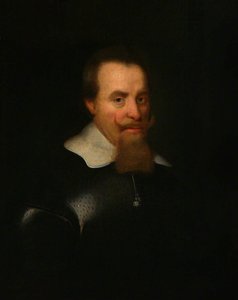
Πορτρέτο του Τζορτζ Τζέιμσον

Πάτσαδες του Τζορτζ Τζέιμσον: Τα 49 πιο διάσημα, μέσα από το βλέμμα μιας γκαλερί

Ενημερωμένο Νοέμβριος 2026 · κατάταξη βάσει του σκορ δημοφιλίας μας (αναζητήσεις, επισκέψεις και παραγγελίες για κάθε έργο) · 49 έργα του Τζορτζ Τζέιμσον στον κατάλογό μας

Με σύντομη περιγραφή

Στο μάτι της γκαλερί, το πιο διάσημο έργο του Τζορτζ Τζέιμσον είναι το The Hon. Thomas Carey (1616-1649) (after Lely) (1622), το πρωτότυπο του οποίου εκτίθεται στο Knole House, Seven Oaks. Ο George Jamesone, 1589 / 1590 - 1644. Portrait painter (Self-portrait) (1633) και ο Sir Archibald Acheson (1583–1634), Secretary of State (1631) ολοκληρώνουν το τρίο που κάθε μάτι αναγνωρίζει. Από τα 49 έργα του Τζορτζ Τζέιμσον στον κατάλογό μας, η γκαλερί παρουσιάζει παρακάτω τα 49 πιο διάσημα, όπου κάθε ένα είναι πρωτότυπο, με την χρονολογία του, το μουσείο του και το τι το κάνει μοναδικό.

1587 – 1644, Άเบρντιν Baroque Περισσότερα έργα: Εθνική Πινάκοθήκη της Σκωτίας

Τα 10 κορυφαία έργα του Τζορτζ Τζέιμσον στη γκαλερέι

1
The Hon. Thomas Carey (1616-1649) (after Lely) (1622) του Τζορτζ Τζέιμσον

The Hon. Thomas Carey (1616-1649) (after Lely)

1622 · Oil · Knole House, Seven Oaks

A young man sits in a quiet moment of poise, his presence filling the space with a sense of noble calm. He is captured in a three-quarter length view, his body angled slightly to create a sense of movement within a still frame. The light, soft and directional, spills from the upper left, washing over his face and the delicate features of his hand. This illumination carves his profile out…

2
George Jamesone, 1589 / 1590 - 1644. Portrait painter (Self-portrait) (1633) του Τζορτζ Τζέιμσον

George Jamesone, 1589 / 1590 - 1644. Portrait painter (Self-portrait)

1633 · Oil · Εθνική Πινάκοθήκη της Σκωτίας, Έδιμβουργο

A somber, intimate encounter unfolds in this 1633 oil portrait. The subject, a man with wavy brown hair, a mustache, and a small beard, gazes directly at the viewer from a bust-length perspective. He is framed by a large black hat and a prominent white collar that cuts sharply through the darkness. The composition is slightly off-center, set against an indistinct, dark background that pushes the figure forward.

3
Sir Archibald Acheson (1583–1634), Secretary of State (1631) του Τζορτζ Τζέιμσον

Sir Archibald Acheson (1583–1634), Secretary of State

1631 · Oil On Canvas · Εθνική Πινάκοθήκη της Σκωτίας, Έδιμβουργο

Sir Archibald Acheson stands within a quiet, interior world, his gaze meeting the viewer with a steady, unyielding dignity. The year is 1631, and the air in the room feels heavy with the weight of office and authority. He is a man of substance, draped in a black coat that absorbs the light, contrasted sharply by the crisp, white purity of his collar. A golden sash rests against his chest,…

5
George Jamesone, 1589 / 1590 - 1644. Portrait painter (Self-portrait) (1642) του Τζορτζ Τζέιμσον

George Jamesone, 1589 / 1590 - 1644. Portrait painter (Self-portrait)

1642 · Oil On Canvas · Εθνική Πινάκοθήκη της Σκωτίας, Έδιμβουργο

The canvas presents us with George Jamesone, 1589 / 1590 - 1644. Portrait painter (Self-portrait), a work that places the artist himself directly into the viewer's gaze. This creation is by the hand of George Jamesone, a man who lived from approximately 1587 until 1644. In this intimate encounter, the painter does not merely capture a likeness but offers a complex reflection of his own identity and the very nature…

6
Sir Paul Menzies of Kinmundy (1620) του Τζορτζ Τζέιμσον

Sir Paul Menzies of Kinmundy

1620 · Oil

The man stares directly through the veil of years, his expression fixed in a stern, unyielding gravity. He wears a heavy wig that frames a face marked by a thick beard and a mustache, lending him an air of formidable authority. A ruffled collar encircles his neck, the crisp folds of his shirt suggesting the formal dignity of his station. Every detail of his attire, from the texture of the…

9
John Alexander and His Wife, Marjory Jamesone (1630) του Τζορτζ Τζέιμσον

John Alexander and His Wife, Marjory Jamesone

1630 · Oil On Canvas

In this 1630 oil on canvas, two figures emerge from a dark, quiet space. John Alexander sits with a steady presence, his long hair and beard catching the light against the deep tones of his suit. He holds a single red rose, a small, sharp puncture of color in a world of muted shadows. Beside him, Marjory Jamesone is draped in black, her form a silent companion to his structured…

10
James Hamilton, 2nd Marquess of Hamilton (after Daniel Mytens) (1625) του Τζορτζ Τζέιμσον

James Hamilton, 2nd Marquess of Hamilton (after Daniel Mytens)

1625 · Oil On Canvas

The portrait presents a man of significant standing, captured in a moment of quiet, direct engagement. He gazes toward the viewer from a dark, indeterminate background, a choice that pushes his figure into the immediate foreground. A ruffled collar frames a face marked by a beard and mustache, lending a sense of maturity and gravity to his expression. A green vest provides the primary point of color, breaking the monochromatic…

Πάιθες του Τζορτζ Τζέιμσον, κατάταξη από 11 έως 49

11Arthur Johnston (c.1579–1641) (1629) του Τζορτζ ΤζέιμσονArthur Johnston (c.1579–1641)1629 12Sir Thomas Hope (d.1646), Lord Advocate of Scotland (1627) του Τζορτζ ΤζέιμσονSir Thomas Hope (d.1646), Lord Advocate of Scotland1627 · Εθνική Πινάκοθήκη της Σκωτίας 13John Duff of Muldavit (1568–1632) (1632) του Τζορτζ ΤζέιμσονJohn Duff of Muldavit (1568–1632)1632 14Sir Thomas Burnet of Leys (1624) του Τζορτζ ΤζέιμσονSir Thomas Burnet of Leys1624 15Lady Mary Erskine (b.c.1597), Countess Marischal (1626) του Τζορτζ ΤζέιμσονLady Mary Erskine (b.c.1597), Countess Marischal1626 · Εθνική Πινάκοθήκη της Σκωτίας 16Lady Margaret Douglas (1610–1678), Marchioness of Argyll, Wife of the 1st Marquess of Argyll (1634) του Τζορτζ ΤζέιμσονLady Margaret Douglas (1610–1678), Marchioness of Argyll, Wife of the 1st Marquess of Argyll1634 · Εθνική Πινάκοθήκη της Σκωτίας 17Portrait of a Man (said to be Robert, Mester Erskine, probably Colonel Alexander Erskine of Cambuskenneth, d.1640) (1627) του Τζορτζ ΤζέιμσονPortrait of a Man (said to be Robert, Mester Erskine, probably Colonel Alexander Erskine of Cambuskenneth, d.1640)1627 · Εθνική Πινάκοθήκη της Σκωτίας 18Anne Erskine (d.1640), Countess of Rothes, Wife of the 6th Earl of Rothes, with her Daughters, Lady Margaret Leslie (1621–1688) and Lady Mary Leslie (b.1620) (1626) του Τζορτζ ΤζέιμσονAnne Erskine (d.1640), Countess of Rothes, Wife of the 6th Earl of Rothes, with her Daughters, Lady Margaret Leslie (1621–1688) and Lady Mary Leslie (b.1620)1626 · Εθνική Πινάκοθήκη της Σκωτίας 19Self Portrait (1637) του Τζορτζ ΤζέιμσονSelf Portrait1637 20Portrait of a Man (1640) του Τζορτζ ΤζέιμσονPortrait of a Man1640 21George Jamesone (1589 1590–1644), Portrait Painter, Self Portrait (1642) του Τζορτζ ΤζέιμσονGeorge Jamesone (1589 1590–1644), Portrait Painter, Self Portrait1642 22William Keith (1614–1661), 7th Earl Marischal, Leader of the Covenanters (1636) του Τζορτζ ΤζέιμσονWilliam Keith (1614–1661), 7th Earl Marischal, Leader of the Covenanters1636 · Εθνική Πινάκοθήκη της Σκωτίας 23Sir Archibald Napier (1576–1645), 1st Lord Napier, Extraordinary Lord of Session (1637) του Τζορτζ ΤζέιμσονSir Archibald Napier (1576–1645), 1st Lord Napier, Extraordinary Lord of Session1637 · Εθνική Πινάκοθήκη της Σκωτίας 24William Graham (1589–1661), 7th Earl of Menteith and 1st Earl of Airth, President of the Privy Council (1637) του Τζορτζ ΤζέιμσονWilliam Graham (1589–1661), 7th Earl of Menteith and 1st Earl of Airth, President of the Privy Council1637 · Εθνική Πινάκοθήκη της Σκωτίας 25Portrait of Lady Alexander του Τζορτζ ΤζέιμσονPortrait of Lady AlexanderΕθνική Γκαλερί της Ιρλανδίας 26Sir Robert Campbell of Glenorchy, 1579 - 1657 του Τζορτζ ΤζέιμσονSir Robert Campbell of Glenorchy, 1579 - 1657Εθνική Πινάκοθήκη της Σκωτίας 27Sir John Campbell of Glenorchy, 1606 / 1607 - 1686 του Τζορτζ ΤζέιμσονSir John Campbell of Glenorchy, 1606 / 1607 - 1686Εθνική Πινάκοθήκη της Σκωτίας 28Portrait of Mary Jamesone του Τζορτζ ΤζέιμσονPortrait of Mary Jamesone 29Sibyl phrygica του Τζορτζ ΤζέιμσονSibyl phrygica 30Sir George Bruce of Carnock του Τζορτζ ΤζέιμσονSir George Bruce of Carnock 31Sibyl delphica του Τζορτζ ΤζέιμσονSibyl delphica 32Sibyl tiburtina του Τζορτζ ΤζέιμσονSibyl tiburtina 33Sibyl helle του Τζορτζ ΤζέιμσονSibyl helle 34Sibyl erythraea του Τζορτζ ΤζέιμσονSibyl erythraea 35Sibyl cumaea του Τζορτζ ΤζέιμσονSibyl cumaea 36Sibyl lybica του Τζορτζ ΤζέιμσονSibyl lybica 37Sibyl europaea του Τζορτζ ΤζέιμσονSibyl europaea 38Patrick Dune, MD του Τζορτζ ΤζέιμσονPatrick Dune, MD 39Zachary Boyd (c.1585–1653) του Τζορτζ ΤζέιμσονZachary Boyd (c.1585–1653) 40Sibyl samia του Τζορτζ ΤζέιμσονSibyl samia 41Alexander Thomson του Τζορτζ ΤζέιμσονAlexander Thomson 42David Anderson, Architect, and His Wife, Jean Guild του Τζορτζ ΤζέιμσονDavid Anderson, Architect, and His Wife, Jean GuildMusée Des Beaux 43Lady Jane Maitland (1612–1631) του Τζορτζ ΤζέιμσονLady Jane Maitland (1612–1631) 44James Graham, Marquis of Montrose (1612–1650 ) του Τζορτζ ΤζέιμσονJames Graham, Marquis of Montrose (1612–1650 ) 45Archibald Johnston (c.1610–1663), Lord Warriston, Statesman του Τζορτζ ΤζέιμσονArchibald Johnston (c.1610–1663), Lord Warriston, StatesmanΕθνική Πινάκοθήκη της Σκωτίας 46William Forbes of Menie and Craigievar (1566–1627) του Τζορτζ ΤζέιμσονWilliam Forbes of Menie and Craigievar (1566–1627)The National Trust For Scotland 47Patrick Forbes of Corse (1564–1635), Bishop of Aberdeen του Τζορτζ ΤζέιμσονPatrick Forbes of Corse (1564–1635), Bishop of AberdeenThe National Trust For Scotland 48Sir Thomas Burnett of Leys (1619–1653), 1st Bt and 13th Laird του Τζορτζ ΤζέιμσονSir Thomas Burnett of Leys (1619–1653), 1st Bt and 13th LairdThe National Trust For Scotland 49Janet Burnett, Sister of Sir Thomas Burnett of Leys, 1st Bt, and Wife of Alexander Skene of Skene του Τζορτζ ΤζέιμσονJanet Burnett, Sister of Sir Thomas Burnett of Leys, 1st Bt, and Wife of Alexander Skene of SkeneThe National Trust For Scotland

Τα διάσημα έργα του Τζορτζ Τζέιμσον, ανά περίοδο

Τα θέματα που κίνησαν το ενδιαφέρον του Τζορτζ Τζέιμσον

Τα τέσσερα θέματα που εμφανίζονται πιο συχνά σε αυτά τα πρωτότυπα έργα, το καθένα με το εξαιρετικό του παράδειγμα.

Τα μουσεία που διατηρούν τα πρωτότυπα έργα του Τζορτζ Τζέιμσον

Τα 8 μουσεία που φιλοξενούν το μεγαλύτερο μέρος των έργων σε αυτήν τη σελίδα.

Μουσείο Πόλη Έργα του Τζορτζ Τζέιμσον Πάτρια από αυτή τη λίστα
Εθνική Πινάκοθήκη της Σκωτίας, ΈδιμβουργοΕθνική Πινάκοθήκη της Σκωτίας Έδιμβουργο 13 George Jamesone, 1589 / 1590 - 1644. Portrait painter (Self-portrait), Sir Archibald Acheson (1583–1634), Secretary of State, Campbell of Glenorchy Family Tree
Εθνική Πινάκοθήκη της Σκωτίας, ΈδιμβουργοΕθνική Πινάκοθήκη της Σκωτίας Έδιμβουργο 2 Lady Mary Erskine (b.c.1597), Countess Marischal, Portrait of a Man (said to be Robert, Mester Erskine, probably Colonel Alexander Erskine of Cambuskenneth, d.1640)
The National Trust For Scotland, AlfordThe National Trust For Scotland Alford 2 William Forbes of Menie and Craigievar (1566–1627), Patrick Forbes of Corse (1564–1635), Bishop of Aberdeen
The National Trust For Scotland, ΜπάνφThe National Trust For Scotland Μπάνφ 2 Sir Thomas Burnett of Leys (1619–1653), 1st Bt and 13th Laird, Janet Burnett, Sister of Sir Thomas Burnett of Leys, 1st Bt, and Wife of Alexander Skene of Skene
Knole House, Seven OaksKnole House Seven Oaks 1 The Hon. Thomas Carey (1616-1649) (after Lely)
Traquair House, InnerleithenTraquair House Innerleithen 1 Lady Elizabeth Maxwell with Her Two Sons
Εθνική Γκαλερί της Ιρλανδίας, ΔουβλίνοΕθνική Γκαλερί της Ιρλανδίας Δουβλίνο 1 Portrait of Lady Alexander
Musée Des Beaux, ΣτρασbourgMusée Des Beaux Στρασbourg 1 David Anderson, Architect, and His Wife, Jean Guild

Τζορτζ Τζέιμσον, ένα χαρακτηριστικό έργο ανά δεκαετία

Έργα ανά δεκαετία

Επιλέξτε μια δεκαετία για να δείτε το πρωτότυπο έργο που την χαρακτηρίζει.

Οι πίνακες του Τζορτζ Τζέιμσον: οι απαντήσεις της γκαλερί

Ποιο έργο του Τζορτζ Τζέιμσον είναι το πιο διάσημο από όλα;Αποκαλύψτε την απάντηση

The Hon. Thomas Carey (1616-1649) (after Lely) (1622), Knole House, Seven Oaks. Στη συνέχεια ακολουθούν το George Jamesone, 1589 / 1590 - 1644. Portrait painter (Self-portrait) (1633) και το Sir Archibald Acheson (1583–1634), Secretary of State (1631).

Πόσο είχε ηλικία ο Τζορτζ Τζέιμσον όταν ολοκλήρωσε το The Hon. Thomas Carey (1616-1649) (after Lely);Αποκαλύψτε την απάντηση

35 ετών: το έργο The Hon. Thomas Carey (1616-1649) (after Lely) είναι του 1622, και ο/η Τζορτζ Τζέιμσον γεννήθηκε το 1587.

Ποιες είναι τα 10 κορυφαία έργα του Τζορτζ Τζέιμσον;Αποκαλύψτε την απάντηση

The Hon. Thomas Carey (1616-1649) (after Lely), George Jamesone, 1589 / 1590 - 1644. Portrait painter (Self-portrait), Sir Archibald Acheson (1583–1634), Secretary of State, Campbell of Glenorchy Family Tree, George Jamesone, 1589 / 1590 - 1644. Portrait painter (Self-portrait), Sir Paul Menzies of Kinmundy, Lady Elizabeth Maxwell with Her Two Sons, James Sandilands, John Alexander and His Wife, Marjory Jamesone και James Hamilton, 2nd Marquess of Hamilton (after Daniel Mytens). Η κατάταξη παραπάνω αναγράφει το έτος και το μουσείο για το κάθε έργο.

Πόσα έργα δημιούργησε ο/η Τζορτζ Τζέιμσον;Αποκαλύψτε την απάντηση

Ο κατάλογός μας περιλαμβάνει 49 έργα του Τζορτζ Τζέιμσον, με ημερομηνίες από 1620 έως 1642.

Πού εκτίθενται τα πιο διάσημα πρωτότυπα του Τζορτζ Τζέιμσον;Αποκαλύψτε την απάντηση

Κυρίως σε Εθνική Πινάκοθήκη της Σκωτίας (Έδιμβουργο), Εθνική Πινάκοθήκη της Σκωτίας (Έδιμβουργο) και The National Trust For Scotland (Alford). Ο πίνακας μουσείου παραπάνω τους περιλαμβάνει όλους.

Πότε δημιούργησε ο/η Τζορτζ Τζέιμσον τα πιο διάσημα έργα του/της;Αποκαλύψτε την απάντηση

Κατά την περίοδο 1620s: 11 από τα 49 έργα σε αυτήν τη σελίδα δημιουργήθηκαν τότε, με The Hon. Thomas Carey (1616-1649) (after Lely) από αυτά να είναι μοναδικά.

Ποια είναι τα πρώτα και τα τελευταία διάσημα έργα του Τζορτζ Τζέιμσον;Αποκαλύψτε την απάντηση

Σε αυτήν τη σελίδα, το παλαιότερο είναι Sir Paul Menzies of Kinmundy (1620) και το νεότερο George Jamesone, 1589 / 1590 - 1644. Portrait painter (Self-portrait) (1642).

Ποια θέματα επέλεξε πιο συχνά ο Τζορτζ Τζέιμσον;Αποκαλύψτε την απάντηση

Man (23), Beard (16) και Mustache (13), σε συνολικά 49 έργα σε αυτήν τη σελίδα.

Με ποια τεχνική εργάστηκε περισσότερο ο Τζορτζ Τζέιμσον;Αποκαλύψτε την απάντηση

Oil On Canvas, για 28 από τα 49 έργα σε αυτήν τη σελίδα.

Με ποιο καλλιτεχνικό κίνημα σχετίζεται ο/η Τζορτζ Τζέιμσον;Αποκαλύψτε την απάντηση

Baroque, όπως προκύπτει από τα πρωτότυπα σε αυτήν τη σελίδα.

Ποια πρωτότυπα έργα του Τζορτζ Τζέιμσον διαθέτει το Εθνική Πινάκοθήκη της Σκωτίας;Αποκαλύψτε την απάντηση

George Jamesone, 1589 / 1590 - 1644. Portrait painter (Self-portrait), Sir Archibald Acheson (1583–1634), Secretary of State και Campbell of Glenorchy Family Tree: το Εθνική Πινάκοθήκη της Σκωτίας, Έδιμβουργο διαθέτει 13 από τα έργα σε αυτήν τη σελίδα.

Τζορτζ Τζέιμσον: ο καλλιτέχνης

George Jamesone: Scotland’s First Portrait Master

George Jamesone (c. 1587 – 1644) stands as a pivotal figure in Scottish art history, widely recognized as the nation's first truly eminent portrait painter. His career unfolded during a period of significant artistic and political change, bridging the Renaissance and Baroque eras and leaving behind a legacy of refined elegance and national pride. Born in Aberdeen around 1587 to stonemason Andrew Jamesone and Marjory Anderson, George’s early life was steeped in the traditions of craftsmanship – his father's trade instilled a respect for detail and material quality that would profoundly influence his artistic approach. He received an education initially at the local grammar school, followed by studies at Marischal College, laying the groundwork for a future immersed in scholarship and observation.

Early Training and Influences

Jamesone’s formal artistic training began under the tutelage of his uncle, John Anderson, a respected decorative painter based in Edinburgh. This apprenticeship provided him with essential skills in composition, color theory, and the techniques of applying paint to various surfaces. However, whispers persist – and remain tantalizingly unproven – of a formative period spent studying under the giants of the Antwerp School: Paul Rubens and Anthony van Dyck. While definitive documentation is lacking (the Guild registers of Antwerp offer no record of Jamesone’s presence), the legend speaks volumes about his ambition and exposure to the artistic currents sweeping through Europe at the time. This potential influence undoubtedly shaped his understanding of light, shadow, and the dramatic portrayal of human form – elements that would become hallmarks of his distinctive style.

A Rising Star: Aberdeen and Royal Recognition

Returning to Aberdeen around 1620, Jamesone quickly established himself as a sought-after portraitist, capturing the likenesses of local academics and scholars from the city’s rival colleges – King's and Marischal. These early works demonstrated his burgeoning talent for capturing personality and conveying intellectual depth. The year 1633 proved to be a watershed moment in Jamesone’s career. Charles I, on a grand royal visit to Edinburgh, demanded a spectacular triumphal arch adorned with portraits of Scotland's past monarchs. Jamesone was entrusted with this monumental commission, a task that catapulted him from local recognition to national fame. The resulting series of regal figures showcased his mastery of technique and his ability to imbue each portrait with an air of authority and dignity. Crucially, the King’s evident delight in the outcome – reportedly including the gift of a diamond ring – solidified Jamesone's reputation and opened doors to commissions from Scotland’s gentry.

The Erskine Portrait and Lasting Legacy

Among his most celebrated works is the portrait of Mary Erskine, now housed at the National Gallery of Scotland. This painting exemplifies Jamesone’s skill in capturing a subject's character and conveying subtle nuances of expression. It also highlights his ability to work within the conventions of the era while imbuing his portraits with a distinctly Scottish sensibility. Jamesone continued to paint prolifically throughout the 1640s, establishing studios in both Aberdeen and Edinburgh, catering to a diverse clientele ranging from nobility to merchants. Sadly, his career was cut short by the tumultuous events of the mid-17th century; he died in Edinburgh in 1644 during the Scottish Civil War, a period of intense conflict and upheaval. Despite his untimely death, Jamesone’s influence on subsequent generations of Scottish artists remains profound. His meticulous attention to detail, his skillful use of light and shadow, and his ability to capture the essence of his subjects cemented his place as Scotland's first true portrait master – a title he rightfully deserves.

Key Characteristics and Artistic Style

Jamesone’s portraits are characterized by a refined elegance and a deep understanding of human psychology. He favored a balanced composition, often employing pyramidal arrangements to create a sense of stability and grandeur. His use of color was subtle yet effective, creating depth and atmosphere through carefully layered glazes. He demonstrated a remarkable ability to capture the texture of fabrics and the sheen of metal, adding realism and visual interest to his works. While influenced by the Renaissance ideals of classical beauty, Jamesone’s portraits possess a distinctly Scottish character – a quiet dignity and understated grace that reflects the spirit of his nation. His work stands as a testament to his skill and vision, securing his place as one of Scotland's most important artistic figures.