Πορτρέτο του Εδουάρδος Στεϊκεν

Τα 47 πιο διάσημα έργα του Εδουάρδος Στεϊκεν, μια επιλογή γκαλερί

Ενημερωμένο Οκτώβριος 2026 · κατάταξη βάσει του σκορ δημοφιλίας μας (αναζητήσεις, επισκέψεις και παραγγελίες για κάθε έργο) · 47 έργα του Εδουάρδος Στεϊκεν στον κατάλογό μας

Με σύντομη περιγραφή

Από όλα τα πρωτότυπα έργα που άφησε ο Εδουάρδος Στεϊκεν, το πιο διάσημο είναι το Le Tournesol (The Sunflower) (1920), το οποίο βρίσκεται στη συλλογή του Εθνική Πινακοθήκη Τέχνης, Ουάσινγκτον. Ακολουθούν στενά η Behind-the-scenes photograph, Paying the Piper (1921) και η Portrait, Osgood Perkins (1923). Ο κατάλογός μας περιλαμβάνει 47 έργα του Εδουάρδος Στεϊκεν· η γκαλερί έχει διατηρήσει τα 47 κομμάτια που θαυμάζει ο κόσμος, το καθένα με την ημερομηνία, το μουσείο και την ιστορία του.

1900 – 1973, Βιβάγκ Pictorialism Περισσότερα έργα: Museum of the Moving Image

Τα 10 κορυφαία έργα του Εδουάρδος Στεϊκεν: η επιλογή της γκαλερί

1
Le Tournesol (The Sunflower) (1920) του Εδουάρδος Στεϊκεν

Le Tournesol (The Sunflower)

1920 · Oil On Canvas · Εθνική Πινακοθήκη Τέχνης, Ουάσινγκτον

The eye meets a sudden, bright collision of color where a stylized sunflower rests against a fractured sky. A large, yellow disk dominates the center, its hue shifting from a pale canary to a deep, warm goldenrod as it moves toward a dark honey outline. At the very heart of this bloom, a pine-green circle sits nestled within a ring of celery green. The flower head appears propped over the…

2
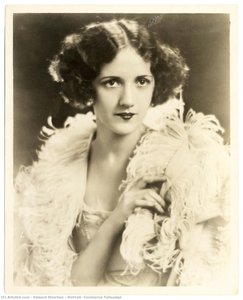
Behind-the-scenes photograph, Paying the Piper (1921) του Εδουάρδος Στεϊκεν

Behind-the-scenes photograph, Paying the Piper

1921 · Black and White Photography · Museum of the Moving Image, Astoria

To stand before this monochromatic document from 1921 is to step directly onto the dusty, exhilarating threshold of cinematic history. This photograph, capturing a behind-the-scenes moment from the production of 'Paying the Piper,' is far more than a mere record; it is an artifact imbued with the palpable energy of creation. One can almost hear the clatter of equipment and the hushed direction calls echoing across the makeshift set. The…

3
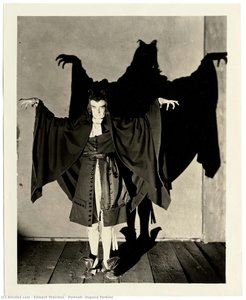
Portrait, Osgood Perkins (1923) του Εδουάρδος Στεϊκεν

Portrait, Osgood Perkins

1923 · Black and White Photography · Museum of the Moving Image, Astoria

Edward Steichen’s 1923 photograph, "Portrait, Osgood Perkins," is not merely a picture; it is an immersion into the velvet depths of theatrical fantasy. This striking black and white studio portrait captures a moment suspended between life and myth. The subject, dramatically costumed as a vampire, stands in profile, his posture radiating an almost predatory elegance. Steichen masterfully uses the stark contrast inherent to early 20th-century photography to sculpt this figure…

4
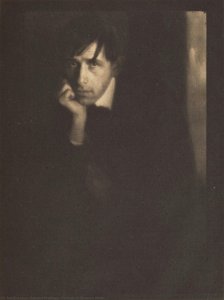
Portrait of Clarence White (1905) του Εδουάρδος Στεϊκεν

Portrait of Clarence White

1905 · Acrylic On Canvas · Denver Art Museum, Ντένβερ

To stand before Edward Steichen's Portrait of Clarence White is to step into a hushed moment suspended in time. This photograph is far more than a mere likeness; it is an immersion into the delicate landscape of introspection. The composition draws the viewer immediately into the intimate space shared between the artist and his subject. Clad in the soft, enveloping tones of monochrome, the portrait captures a man whose gaze…

5
Το Παιδί (1921) του Εδουάρδος Στεϊκεν

Το Παιδί

1921 · Ακρυλικά πάνω σε καμβά · Museum of the Moving Image, Astoria

Εισαγωγή στην Τέχνη του Έντουαρ্ড Στείχεν και την Προσκηνυτική Εκτύπωση του «Παιδιού» Ο Έντουαρδ Στείχεν ήταν ένας καλλιτέχνης που ξεπερνούσε κάθε εύκολη ταξινόμηση. Γεννήθηκε το 1879 στο μικρό χωριό Βιβάγκ της Λουξεμβούργου και η ζωή του έγινε ένα εκπληκτικό ταξίδι από ευρωπαϊκές ρίζες στην αναγνώριση ως ένας από τους πιο σημαντικούς καλλιτέχνες της Αμερικής – όχι μόνο ως φωτογράφος, αλλά και ως ζωγράφος, επιμελητής τέχνης και οραματιστής που μεταμόρφωσε τον…

6
Fan magazine, Motion Picture Magazine, vol. 9, no. 6 (1915) του Εδουάρδος Στεϊκεν

Fan magazine, Motion Picture Magazine, vol. 9, no. 6

1915 · Illustration · Museum of the Moving Image, Astoria

In this captivating artifact from July 1915, we are transported back to the dawn of the silver screen, an era where the magic of motion pictures began to weave itself into the very fabric of global culture. The cover of Motion Picture Magazine, volume 9, number 6, serves as more than just a periodical; it is a vibrant time capsule of early twentieth-century celebrity worship and artistic caricature. At its…

7
Herald, The Ten Commandments (1925) του Εδουάρδος Στεϊκεν

Herald, The Ten Commandments

1925 · Print · Museum of the Moving Image, Astoria

This evocative piece captures not merely an event, but a monumental moment in human mythology—the parting of the Red Sea. The composition immediately plunges the viewer into a scene of overwhelming drama and divine intervention. One can almost hear the roar of the receding waters and feel the tension gripping the figures on the shore. It is a visual narrative rendered with epic scope, designed to transport the observer across…

8
Lobby card, Blood and Sand (1922) του Εδουάρδος Στεϊκεν

Lobby card, Blood and Sand

1922 · Illustration · Museum of the Moving Image, Astoria

This evocative lobby card for "Blood and Sand," dating back to 1922, transports the viewer directly into the passionate, sun-drenched melodrama of early cinema. It is more than just a promotional piece; it is a carefully constructed tableau vivant, capturing the very essence of cinematic yearning. The composition immediately draws the eye to the central figure—a man embodying the romantic archetype, dressed in attire suggestive of Spanish passion and drama.…

9
Lobby card, Blood and Sand (1922) του Εδουάρδος Στεϊκεν

Lobby card, Blood and Sand

1922 · Photography · Museum of the Moving Image, Astoria

To gaze upon this lobby card for "Blood and Sand" is to step directly onto the vibrant, dramatic set of early cinema history. This piece is not merely a promotional artifact; it is a carefully constructed tableau vivant, capturing the raw energy and intoxicating allure that defined the silent film era. The composition immediately arrests the viewer with its bold chromatic choices—the passionate reds, the electric yellows, and the deep,…

10
Preview slide, The Immigrant (1919) του Εδουάρδος Στεϊκεν

Preview slide, The Immigrant

1919 · Illustration · Museum of the Moving Image, Astoria

In the realm of vintage visual culture, few images capture the whimsical essence of early cinema as effectively as this Preview slide for The Immigrant. This evocative piece serves as a window into a bygone era, presenting a delightful caricature of the legendary Charlie Chaplin in his most iconic role as the Tramp. The central figure is rendered with a charmingly exaggerated physicality; his oversized shoes, hat, and suit create…

Η επιλογή του Εδουάρδος Στεϊκεν συνεχίζεται, από τον 11 έως τον 47

11Paul Robeson του Εδουάρδος ΣτεϊκενPaul RobesonΜουσείο Τζορτζ Έστιμάν 12Λομπιάρκι Η αγνή παράδοση (1921) του Εδουάρδος ΣτεϊκενΛομπιάρκι Η αγνή παράδοση1921 · Museum of the Moving Image 13In Memoriam (1906) του Εδουάρδος ΣτεϊκενIn Memoriam1906 · Denver Art Museum 14Λομπιάρ Της Βόρειας Πύλης (1921) του Εδουάρδος ΣτεϊκενΛομπιάρ Της Βόρειας Πύλης1921 · Museum of the Moving Image 15Στούντιο φωτογραφία, Γνώμοι Λασκυ, Χολυγουντ ΚΑΛΥΤΕΡΑ ΕΡΩΤΑΝΤΑΙ (1922) του Εδουάρδος ΣτεϊκενΣτούντιο φωτογραφία, Γνώμοι Λασκυ, Χολυγουντ ΚΑΛΥΤΕΡΑ ΕΡΩΤΑΝΤΑΙ1922 · Museum of the Moving Image 16Sunflower (1920) του Εδουάρδος ΣτεϊκενSunflower1920 · Μουσείο Τζορτζ Έστιμάν 17Προεπισκόπηση Κυνηγώντας Μεγάλα Παιχνίδια στην Αφρική (1922) του Εδουάρδος ΣτεϊκενΠροεπισκόπηση Κυνηγώντας Μεγάλα Παιχνίδια στην Αφρική1922 · Museum of the Moving Image 18Isadora Duncan in the Parthenon, Athens (1921) του Εδουάρδος ΣτεϊκενIsadora Duncan in the Parthenon, Athens1921 · Toledo Museum of Art 19Lobby card, The Green Temptation (1922) του Εδουάρδος ΣτεϊκενLobby card, The Green Temptation1922 · Museum of the Moving Image 20Εικόνα Τίτλος Φωτογραφίας: Παρουσίαση Κινηματογράφου και Προβολής Σκηνών (1921) του Εδουάρδος ΣτεϊκενΕικόνα Τίτλος Φωτογραφίας: Παρουσίαση Κινηματογράφου και Προβολής Σκηνών1921 · Museum of the Moving Image 21Nocturne, Temple d'Amour (1910) του Εδουάρδος ΣτεϊκενNocturne, Temple d'Amour1910 22Film still, Experience (1921) του Εδουάρδος ΣτεϊκενFilm still, Experience1921 · Museum of the Moving Image 23Brequet Photographic Plane Brought Down in Flames, World War I (1918) του Εδουάρδος ΣτεϊκενBrequet Photographic Plane Brought Down in Flames, World War I1918 24Lobby card, Java Head (1923) του Εδουάρδος ΣτεϊκενLobby card, Java Head1923 · Museum of the Moving Image 25Advertising slide, Paramount Pictures (1915) του Εδουάρδος ΣτεϊκενAdvertising slide, Paramount Pictures1915 · Museum of the Moving Image 26Herald, The Kid Brother (1927) του Εδουάρδος ΣτεϊκενHerald, The Kid Brother1927 · Museum of the Moving Image 27Lobby card, The Blue Fox, Episode 10 (1921) του Εδουάρδος ΣτεϊκενLobby card, The Blue Fox, Episode 101921 · Museum of the Moving Image 28Special message slide, (1915) του Εδουάρδος ΣτεϊκενSpecial message slide,1915 · Museum of the Moving Image 29Lobby card, The Man from Lost River (1921) του Εδουάρδος ΣτεϊκενLobby card, The Man from Lost River1921 · Museum of the Moving Image 30The Lotus Screen, S.S.S (1909) του Εδουάρδος ΣτεϊκενThe Lotus Screen, S.S.S1909 31Studio site photograph, Thomas H. Ince Studios, Culver City, CA (1922) του Εδουάρδος ΣτεϊκενStudio site photograph, Thomas H. Ince Studios, Culver City, CA1922 · Museum of the Moving Image 32Herald, Blood and Sand (1922) του Εδουάρδος ΣτεϊκενHerald, Blood and Sand1922 · Museum of the Moving Image 33Portrait, Constance Talmadge (1920) του Εδουάρδος ΣτεϊκενPortrait, Constance Talmadge1920 · Museum of the Moving Image 34Preview slide, Cleopatra (1917) του Εδουάρδος ΣτεϊκενPreview slide, Cleopatra1917 · Museum of the Moving Image 35Lady in a Flower Field (1899) του Εδουάρδος ΣτεϊκενLady in a Flower Field1899 36The Little Round Mirror (1901) του Εδουάρδος ΣτεϊκενThe Little Round Mirror1901 37Film still, Behind the Scenes (1914) του Εδουάρδος ΣτεϊκενFilm still, Behind the Scenes1914 · Museum of the Moving Image 38Portrait, William Farnum (1920) του Εδουάρδος ΣτεϊκενPortrait, William Farnum1920 · Museum of the Moving Image 39Aerial Bombs Dropping on Montmedy, World War I (1918) του Εδουάρδος ΣτεϊκενAerial Bombs Dropping on Montmedy, World War I1918 40Aerial View of Trenches (1918) του Εδουάρδος ΣτεϊκενAerial View of Trenches1918 · New Orleans Museum of Art 41Film still, Footlights (1921) του Εδουάρδος ΣτεϊκενFilm still, Footlights1921 · Museum of the Moving Image 42Jean Walker Simpson (1923) του Εδουάρδος ΣτεϊκενJean Walker Simpson1923 43Film still, Puritan Passions (1923) του Εδουάρδος ΣτεϊκενFilm still, Puritan Passions1923 · Museum of the Moving Image 44Πρόγραμμα Θέατρου Όρφεου Πίλη της Βορείου Αμερικής (1915) του Εδουάρδος ΣτεϊκενΠρόγραμμα Θέατρου Όρφεου Πίλη της Βορείου Αμερικής1915 · Museum of the Moving Image 45Aerial View of Trenches (37) (1918) του Εδουάρδος ΣτεϊκενAerial View of Trenches (37)1918 · New Orleans Museum of Art 46Καρφίτ Προσκυνήματος Ροζίτα (1923) του Εδουάρδος ΣτεϊκενΚαρφίτ Προσκυνήματος Ροζίτα1923 · Museum of the Moving Image 47Φωτογραφία στούντιο του Τόμας Χ. Έινσε Στάουντς, Κουλβέρ Σίτι Καλιφόρνια (1922) του Εδουάρδος ΣτεϊκενΦωτογραφία στούντιο του Τόμας Χ. Έινσε Στάουντς, Κουλβέρ Σίτι Καλιφόρνια1922 · Museum of the Moving Image

Τα διάσημα έργα του Εδουάρδος Στεϊκεν, ανά περίοδο

Τα θέματα που κίνησαν το ενδιαφέρον του Εδουάρδος Στεϊκεν

Τα τέσσερα θέματα που εμφανίζονται πιο συχνά σε αυτά τα πρωτότυπα έργα, το καθένα με το εξαιρετικό του παράδειγμα.

Τα μουσεία που διατηρούν τα πρωτότυπα έργα του Εδουάρδος Στεϊκεν

Τα 6 μουσεία που φιλοξενούν το μεγαλύτερο μέρος των έργων σε αυτήν τη σελίδα.

Μουσείο Πόλη Έργα του Εδουάρδος Στεϊκεν Πάτρια από αυτή τη λίστα
Museum of the Moving Image, AstoriaMuseum of the Moving Image Astoria 32 Behind-the-scenes photograph, Paying the Piper, Portrait, Osgood Perkins, Το Παιδί
Denver Art Museum, ΝτένβερDenver Art Museum Ντένβερ 2 Portrait of Clarence White, In Memoriam
Μουσείο Τζορτζ Έστιμάν, ΡοchesterΜουσείο Τζορτζ Έστιμάν Ροchester 2 Paul Robeson, Sunflower
New Orleans Museum of Art, Νέα ΟρλεάνηNew Orleans Museum of Art Νέα Ορλεάνη 2 Aerial View of Trenches, Aerial View of Trenches (37)
Εθνική Πινακοθήκη Τέχνης, ΟυάσινγκτονΕθνική Πινακοθήκη Τέχνης Ουάσινγκτον 1 Le Tournesol (The Sunflower)
Toledo Museum of Art, ToledoToledo Museum of Art Toledo 1 Isadora Duncan in the Parthenon, Athens

Ο Εδουάρδος Στεϊκεν δεκαετία προς δεκαετία: το πρωτότυπο που ορίζει κάθε μία

Έργα ανά δεκαετία

Επιλέξτε μια δεκαετία για να δείτε το πρωτότυπο έργο που την χαρακτηρίζει.

Ερωτήσεις συλλεκτών για τα έργα του Εδουάρδος Στεϊκεν

Για ποιο έργο είναι πιο γνωστός ο Εδουάρδος Στεϊκεν;Αποκαλύψτε την απάντηση

Le Tournesol (The Sunflower) (1920), Εθνική Πινακοθήκη Τέχνης, Ουάσινγκτον. Στη συνέχεια ακολουθούν το Behind-the-scenes photograph, Paying the Piper (1921) και το Portrait, Osgood Perkins (1923).

Πόσο ηλικία είχε ο/η Εδουάρδος Στεϊκεν όταν δημιουργήθηκε το Le Tournesol (The Sunflower);Αποκαλύψτε την απάντηση

20 ετών: το έργο Le Tournesol (The Sunflower) είναι του 1920, και ο/η Εδουάρδος Στεϊκεν γεννήθηκε το 1900.

Ποια είναι τα δέκα πιο διάσημα έργα του Εδουάρδος Στεϊκεν;Αποκαλύψτε την απάντηση

Le Tournesol (The Sunflower), Behind-the-scenes photograph, Paying the Piper, Portrait, Osgood Perkins, Portrait of Clarence White, Το Παιδί, Fan magazine, Motion Picture Magazine, vol. 9, no. 6, Herald, The Ten Commandments, Lobby card, Blood and Sand, Lobby card, Blood and Sand και Preview slide, The Immigrant. Η κατάταξη παραπάνω αναγράφει το έτος και το μουσείο για το κάθε έργο.

Πόσα έργα δημιούργησε ο/η Εδουάρδος Στεϊκεν;Αποκαλύψτε την απάντηση

Ο κατάλογός μας περιλαμβάνει 47 έργα του Εδουάρδος Στεϊκεν, με ημερομηνίες από 1909 έως 1927.

Σε ποια μουσεία εκτίθενται τα αριστούργημα του Εδουάρδος Στεϊκεν;Αποκαλύψτε την απάντηση

Κυρίως σε Museum of the Moving Image (Astoria), Denver Art Museum (Ντένβερ) και Μουσείο Τζορτζ Έστιμάν (Ροchester). Ο πίνακας μουσείου παραπάνω τους περιλαμβάνει όλους.

Σε ποιες χρονιές δημιούργησε ο/η Εδουάρδος Στεϊκεν τα πιο διάσημα έργα του/της;Αποκαλύψτε την απάντηση

Κατά την περίοδο 1920s: 29 από τα 47 έργα σε αυτήν τη σελίδα δημιουργήθηκαν τότε, με Le Tournesol (The Sunflower) από αυτά να είναι μοναδικά.

Ποια είναι τα πρώτα και τα τελευταία διάσημα πρωτότυπα του Εδουάρδος Στεϊκεν;Αποκαλύψτε την απάντηση

Σε αυτήν τη σελίδα, το παλαιότερο είναι The Lotus Screen, S.S.S (1909) και το νεότερο Herald, The Kid Brother (1927).

Ποια θέματα επέλεξε πιο συχνά ο Εδουάρδος Στεϊκεν;Αποκαλύψτε την απάντηση

Black and white (8), Edward steichen (7) και Early 20th century (7), σε συνολικά 47 έργα σε αυτήν τη σελίδα.

Ποια τεχνική χρησιμοποίησε περισσότερο ο Εδουάρδος Στεϊκεν;Αποκαλύψτε την απάντηση

Black and White Photography, για 8 από τα 47 έργα σε αυτήν τη σελίδα.

Σε ποιο καλλιτεχνικό κίνημα ανήκει ο/η Εδουάρδος Στεϊκεν;Αποκαλύψτε την απάντηση

Pictorialism, όπως προκύπτει από τα πρωτότυπα σε αυτήν τη σελίδα.

Ποια έργα του Εδουάρδος Στεϊκεν εκτίθενται στο Museum of the Moving Image;Αποκαλύψτε την απάντηση

Behind-the-scenes photograph, Paying the Piper, Portrait, Osgood Perkins και Το Παιδί: το Museum of the Moving Image, Astoria διαθέτει 32 από τα έργα σε αυτήν τη σελίδα.

Εδουάρδος Στεϊκεν: ζωή και έργο

Edward Steichen: A Life Bridging Worlds

Édouard Jean Steichen, later known as Edward Steichen, was a figure who transcended simple categorization—a true innovator whose artistic journey spanned continents and embraced diverse mediums. Born in Bivange, Luxembourg, on March 27, 1879, his life unfolded into an extraordinary odyssey from European roots to becoming one of America’s most influential artists – not merely as a photographer, but as a painter, curator, and visionary who fundamentally reshaped how we perceive visual culture. The early years were marked by a significant relocation; in 1881, the Steichen family emigrated to Hancock, Michigan, seeking new opportunities—a move that instilled in young Edward a profound sense of displacement and perhaps, a heightened sensitivity to observation – qualities that would indelibly shape his artistic vision. Even as a child, an innate talent for drawing was evident, nurtured by supportive parents who recognized and encouraged his creative inclinations. The pivotal moment arrived at sixteen when he received his first camera—initiating a period of largely self-directed learning through relentless experimentation. This wasn’t merely about mastering technique; it was about discovering a new language, a way to capture the world with an immediacy and intimacy previously unattainable.
  • Early Life & Artistic Beginnings: From Luxembourg to Michigan – Steichen's formative years instilled in him a unique perspective on observation and fueled his lifelong passion for artistic expression. His parents’ encouragement nurtured his talent for drawing from a young age, setting the stage for his future endeavors.
  • Pictorialism & Alfred Stieglitz: Steichen swiftly embraced Pictorialist principles—soft focus, painterly effects—seeking to elevate photography beyond mere documentation into an art form capable of evoking mood and atmosphere. His collaboration with Alfred Stieglitz, a kindred spirit who championed photographic innovation, cemented the formation of *Photo-Secession* and established *Camera Work*, a journal dedicated to disseminating groundbreaking ideas.
  • The Photo-Secession & The 291 Gallery: Steichen’s involvement in *Photo-Secession* wasn't just about artistic affiliation; it was about reshaping the cultural landscape of New York City. Together with Stieglitz, he founded *The 291 gallery*, a space that bravely confronted conventional artistic boundaries by showcasing European modernism alongside photography—a bold step toward fostering cross-cultural dialogue.
  • From Pictorialism to Straight Photography: The seismic impact of World War I spurred Steichen’s dramatic stylistic shift—abandoning the ethereal qualities of Pictorialism in favor of “Straight Photography”—characterized by sharp focus, precise detail, and an unadorned representation of reality. This decision reflected a broader cultural movement toward clarity and directness, mirroring the zeitgeist of the era.
  • Fashion Photography & Cinematic Pursuits: Steichen’s versatility extended beyond photography into fashion and filmmaking—revolutionizing the industry with his pioneering approach to visual storytelling. His collaborations with *Vogue* and *Vanity Fair* established new standards for glamour, narrative, and artistic vision, while directing *The Fighting Lady*, a poignant documentary film that captured the visceral experience of aerial combat during WWII.

Major Achievements & Artistic Legacy

Steichen’s contribution to visual culture is undeniable—a legacy built upon groundbreaking experimentation and unwavering artistic conviction. His advocacy for photography as an art form fundamentally altered perceptions of the medium, elevating it from a mere technical process to one capable of profound emotional resonance. Furthermore, his influence permeated various creative disciplines—from fashion to film—establishing new benchmarks for aesthetic excellence and narrative depth. The monumental *The Family of Man* exhibition at MoMA—curated by Steichen—stands as a testament to his belief in the unifying power of photography—a project recognized by UNESCO’s Memory of the World Register as an enduring symbol of human connection across cultures and geographies.

Notable Works

Steichen's oeuvre encompasses iconic images that continue to inspire admiration and scholarly scrutiny: *The Pond–Moonlight* (1904)—a landmark Pictorialist photograph celebrated for its atmospheric depth and tonal richness—achieved a remarkable price at auction; *The Flatiron* (1904)—another significant early work showcasing Steichen’s mastery of photographic technique and composition, also attaining considerable acclaim; Portraits of Celebrities—a vast collection capturing the essence of prominent figures in art, literature, and entertainment with insightful sensitivity; *The Fighting Lady* (1944)—an acclaimed World War II documentary film offering a compelling glimpse into aerial combat; *The Family of Man* (1955)—a groundbreaking exhibition at MoMA that explored universal human experiences—resulting in UNESCO recognition.

Concluding Reflections

Edward Steichen died peacefully on March 25, 1973, leaving behind an extraordinary body of work that continues to resonate with audiences worldwide. His artistic vision transcended stylistic conventions—embracing innovation and experimentation while simultaneously upholding a steadfast commitment to portraying the human condition with compassion and nuance. Steichen’s enduring influence is palpable—a testament to his ability to transform visual culture and inspire generations of artists—solidifying his place as one of America's most visionary and influential figures in the history of art."