1925
Herald, The Ten Commandments (Εδουάρδος Στεϊκεν, 1925)
Το έργο Herald, The Ten Commandments δημιούργησε ο/η Εδουάρδος Στεϊκεν (1900–1973). Χρονολογείται στο 1925. Είναι φτιαγμένο σε Print. Αποθηκεύεται στο Museum of the Moving Image στο Astoria, United States of America.
- 1925
- Museum of the Moving Image, Astoria

 Προεπισκόπηση σε πραγματική κλίμακα

 Ελαιογραφικό Χειροποίητο Έργο
 Αποστολή
 Κοινοποίηση
 Φύλλο πληροφοριών


 Λήψη
 Παρόμοια αντικείμενα συλλογής
 Ακτινογραφία
 Παρουσίαση
 Ερωτήσεις & Απαντήσεις

 Στατιστικά
Herald, The Ten Commandments, εν συντομία
- Τίτλος
- Herald, The Ten Commandments
- Καλλιτέχνης
- Εδουάρδος Στεϊκεν (1900–1973)
- Γεννημένος/η το
- Βιβάγκ, Λουξεμβούργο
- Ημερομηνία
- 1925
- Μέσο
- Πού εκτίθεται
- Museum of the Moving Image, Astoria, United States of America
- Εποχή
- Early Modern
- Θέμα
- biblical scene, red sea parting, moses, movie poster, religious art, dramatic illustration
Τι απεικονίζει το Herald, The Ten Commandments;
The Grand Spectacle of Divine Power
This evocative piece captures not merely an event, but a monumental moment in human mythology—the parting of the Red Sea. The composition immediately plunges the viewer into a scene of overwhelming drama and divine intervention. One can almost hear the roar of the receding waters and feel the tension gripping the figures on the shore. It is a visual narrative rendered with epic scope, designed to transport the observer across millennia to a pivotal moment in religious scripture. The sheer scale suggested by the illustration—the vast expanse of water cleaved apart, the multitude of people following through the dry passage—speaks to the enduring power of foundational stories.
A Study in Cinematic Grandeur and Illustration
While the subject matter is deeply sacred, the presentation itself carries the unmistakable weight of early 20th-century cinematic promotion. The text elements, proclaiming "The Mightiest Spectacle of All the Ages," anchor the piece within a context of popular, large-scale spectacle, characteristic of grand movie posters from the era of Cecil B. DeMille. This blending of high religious narrative with the visual language of blockbuster cinema creates a fascinating tension. Artistically, the style is highly illustrative and dramatic, utilizing strong contrasts between the earthy tones of the desert and the deep blues and reds of the tumultuous sea. The technique employed suggests rich, layered printing processes common to vintage ephemera, giving the reproduction an immediate sense of historical patina.
Symbolism and Emotional Resonance
At its heart, this artwork is a profound meditation on liberation, faith, and divine promise. The parting waters are more than just water; they symbolize passage—the transition from bondage to freedom. Moses leading his people through the breach represents guidance through seemingly insurmountable obstacles. For the modern collector or designer, owning such a piece offers an immediate connection to themes of resilience and breakthrough. It is inherently dramatic art, capable of infusing any space with a sense of awe and monumental significance.
Historical Context for the Connoisseur
Dating from around 1925, this poster serves as a fascinating artifact bridging early cinema history with biblical storytelling. It speaks to a time when Hollywood was mastering the art of myth-making on a grand scale. The visible credits and studio markings ground the piece in a specific cultural moment—the burgeoning power of the motion picture industry to interpret and disseminate epic narratives. For those who appreciate decorative arts that tell stories, this reproduction offers not just decoration, but a tangible piece of cinematic history.
Σε ποιο μουσείο βρίσκεται το Herald, The Ten Commandments;
Museum of the Moving Image
Astoria, United States of America
Μια Πύλη στα Pixels: Η Κινηματογραφική Ψυχή της Astoria Βυθισμένο στον ζωντανό παλμό της γειτονιάς Astoria στο Queens, το Μουσείο της Κινούμενης Εικόνας (MoMI) υψώνεται ως ένας μοναδικός, μαγευτικός σταυροδρόμος όπου η τέχνη, η τεχνολογία και η αφήγηση συγκλίνουν. Είναι πολύ περισσότερο από μια απλή αποθήκη αντικειμένων· είναι μια καθηλωτική εμπειρία που αναπνέει με την ίδια την ουσία της σύγχρονα ζωής. Στεγασμένο μέσα στους ιστορικούς τοίχους των Kaufman Astoria Studios—ένα ορόσημο που κάποτε αντηχούσε με τη δημιουργική ενέργεια της χρυσής εποχής του Hollywood—το ίδιο το μουσείο αποτελεί μια ζωντανή μαρτυρία της κινηματογραφικής ιστορίας.
Εικόνες υψηλής ανάλυσης του Herald, The Ten Commandments

Προστατευόμενο από πνευματικά δικαιώματα: αυτά τα αρχεία προορίζονται για προσωπική χρήση και δεν αποτελούν άδεια αναδημοσίευσης.
Εδουάρδος Στεϊκεν, Herald, The Ten Commandments (1925), Museum of the Moving Image.
Ερωτήσεις για το Herald, The Ten Commandments, απαντημένες
Πού εκτίθεται σήμερα το "Herald, The Ten Commandments" του Εδουάρδος Στεϊκεν;
Το πρωτότυπο έργο "Herald, The Ten Commandments" του Εδουάρδος Στεϊκεν βρίσκεται στο Museum of the Moving Image, Astoria, United States of America. Μια αναπαραγωγή σας επιτρέπει να εκθέσετε το έργο στο σπίτι σας.
Πότε δημιουργήθηκε το "Herald, The Ten Commandments";
Το έργο "Herald, The Ten Commandments" χρονολογείται από το 1925. Η ημερομηνία αυτό το έργο το τοποθετεί μέσα στην καριέρα του/της Εδουάρδος Στεϊκεν και την εποχή του/της.
Με ποια τεχνική δημιουργήθηκε το "Herald, The Ten Commandments" του Εδουάρδος Στεϊκεν;
Το έργο "Herald, The Ten Commandments" εκτελέστηκε με τη χρήση του/της Print.
Περί τι αφορά το "Herald, The Ten Commandments";
Τα θέματα που περιλαμβάνονται στο "Herald, The Ten Commandments" του Εδουάρδος Στεϊκεν περιλαμβάνουν το/τα biblical scene, red sea parting, moses, movie poster, religious art, dramatic illustration. Μαζί, συνοψίζουν το περιεχόμενο του έργου τέχνης.
Το έργο "Herald, The Ten Commandments" του Εδουάρδος Στεϊκεν ανήκει στο δημόσιο περιουσιακό αγαθό;
Όσον αφορά τα πνευματικά δικαιώματα, το "Herald, The Ten Commandments" ανήκει στο ακόμα προστατευόμενο από δικαιώματα αυτορικού.
Ποιος δημιούργησε το "Herald, The Ten Commandments";
Ο καλλιτέχνης πίσω από το "Herald, The Ten Commandments" είναι ο/η Εδουάρδος Στεϊκεν. Το έργο καταχωρείται υπό το όνομα του/της Εδουάρδος Στεϊκεν.
Πόσο είχε ο/η Εδουάρδος Στεϊκεν όταν δημιουργήθηκε το "Herald, The Ten Commandments";
Όταν δημιουργήθηκε το "Herald, The Ten Commandments" το 1925, ο/η Εδουάρδος Στεϊκεν - γεννημένος/η το 1900 - ήταν μόλις 25 ετών.
Γιατί η κατάσταση των πνευματικών δικαιωμάτων του "Herald, The Ten Commandments" είναι αυτή που είναι;
Το έργο "Herald, The Ten Commandments" του Εδουάρδος Στεϊκεν ανήκει στο ακόμα προστατευόμενο από δικαιώματα αυτορικού. Η διάρκεια της προστασίας των πνευματικών δικαιωμάτων υπολογίζεται από το έτος θανάτου του καλλιτέχνη, ο οποίος συνέβη το 1973.
Βρίσκεται το έργο "Herald, The Ten Commandments" στη χώρα του δημιουργού του;
Όχι - το έργο βρίσκεται στο εξωτερικό. Το έργο "Herald, The Ten Commandments" βρίσκεται στο ίδιο μουσείο στη χώρα United States of America, ενώ ο/η Εδουάρδος Στεϊκεν γεννήθηκε στη χώρα Λουξεμβούργο.
Σχετικά με τον καλλιτέχνη, Εδουάρδος Στεϊκεν

1900–1973, Λουξεμβούργο
Εδουάρδος Στεϊκεν
Edward Steichen: A Life Bridging Worlds Édouard Jean Steichen, later known as Edward Steichen, was a figure who transcended simple categorization—a true innovator whose artistic journey spanned continents and embraced diverse mediums. Born in Bivange, Luxembourg, on March 27, 1879, his life unfolded into an extraordinary odyssey from European roots to becoming one of America’s most influential artists – not merely as a photographer, but as a painter, curator, and visionary who fundamentally reshaped how we perceive visual culture. The early years were marked by a significant relocation; in 1881, the Steichen family emigrated to Hancock, Michigan, seeking new opportunities—a move that instilled in young Edward a profound sense of displacement and perhaps, a heightened sensitivity to observation – qualities that would indelibly shape his artistic vision. Even as a child, an innate talent for drawing was evident, nurtured by supportive parents who recognized and encouraged his creative inclinations.
Σχετικά με τον Εδουάρδος Στεϊκεν Σημαντικά έργα του Εδουάρδος Στεϊκεν
Εργασίες του Εδουάρδος Στεϊκεν
 Le Tournesol (The Sunflower)1920
 Behind-the-scenes photograph, Paying the Piper1921
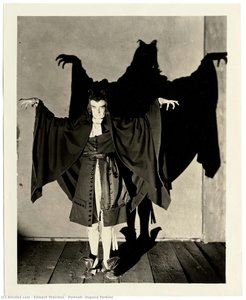 Portrait, Osgood Perkins1923
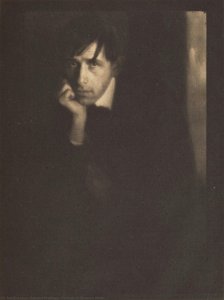 Portrait of Clarence White1905
Μελέτες για το Herald, The Ten Commandments
 Divine Drama on Canvas: The Enduring Presence of Greek Mythological NarrativesExplore the mastery of Greek myths through Botticelli, Rubens, and Raphael. Discover the power of classical narrative today.
 Unveiling the Dreamer: The 25 Most Iconic Masterpieces by Gustave MoreauStep into the mystical world of Gustave Moreau. Explore 25 iconic Symbolist masterpieces, from mythic tales to ethereal dreamscapes. Find i…
 Gothic Grandeur: Decoding the Visual Power of Medieval Manuscripts and CathedralsExplore the architectural shift from Romanesque shadows to Gothic light. Discover the power of medieval masterpieces now.