Πορτρέτο του Αλεξάντρ Αντινιά

Τα 21 πιο διάσημα έργα του Αλεξάντρ Αντινιά, μια επιλογή γκαλερί

Ενημερωμένο Νοέμβριος 2026 · κατάταξη βάσει του σκορ δημοφιλίας μας (αναζητήσεις, επισκέψεις και παραγγελίες για κάθε έργο) · 21 έργα του Αλεξάντρ Αντινιά στον κατάλογό μας

Με σύντομη περιγραφή

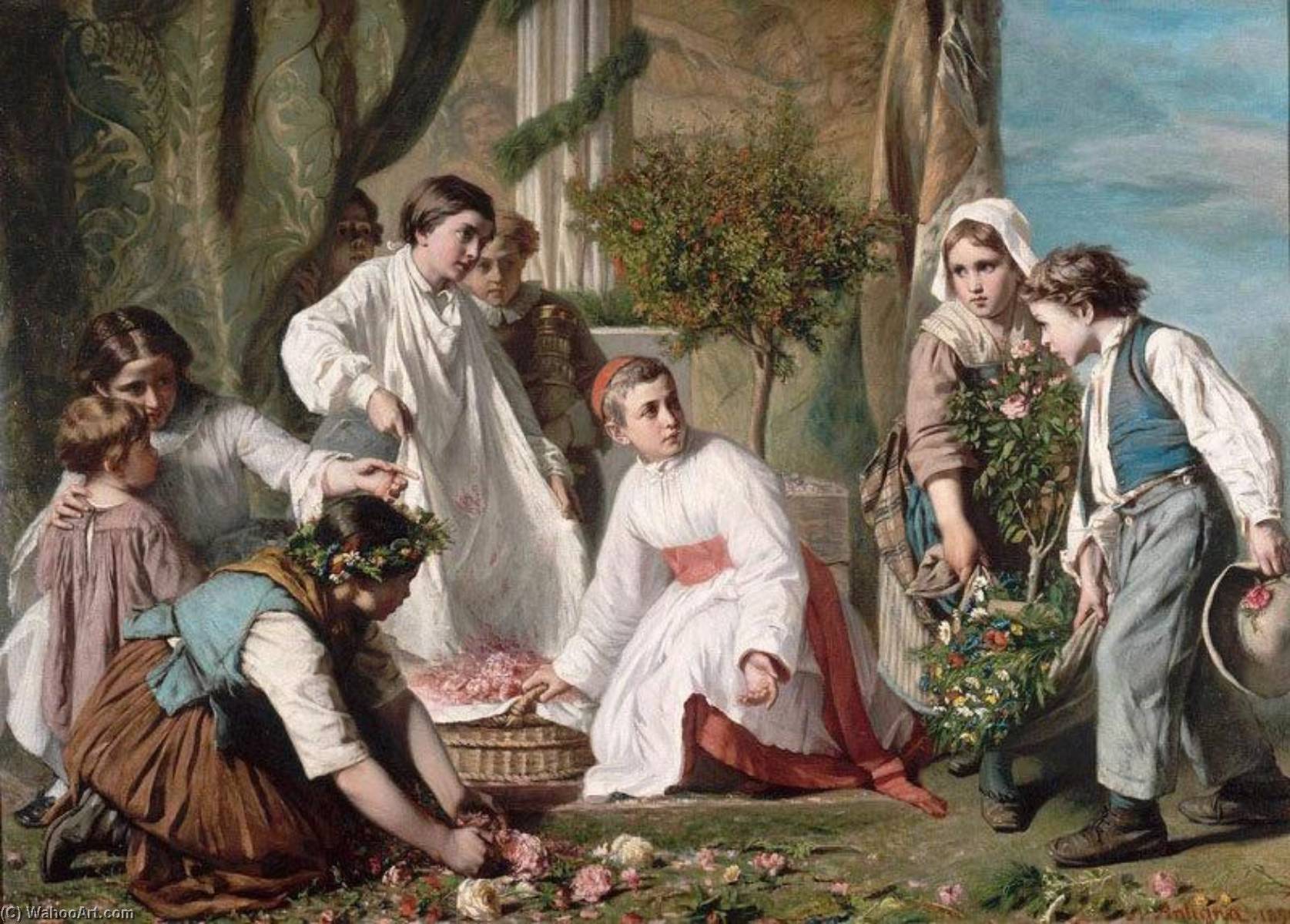
Από όλα τα πρωτότυπα που άφησε ο Αλεξάντρ Αντινιά, το πιο διάσημο είναι το La Fête Dieu. Ακολουθούν στενά η The Lightning (1848) και η L'Eclair. Ο κατάλογός μας περιλαμβάνει 21 έργα του Αλεξάντρ Αντινιά· η γκαλερί έχει διατηρήσει τα 21 κομμάτια που θαυμάζει ο κόσμος, το καθένα με την ημερομηνία, το μουσείο και την ιστορία του.

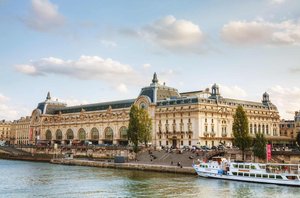
1817 – 1878, Ορλέη Romanticism Περισσότερα έργα: Musée d'Orsay

Τα 10 κορυφαία έργα του Αλεξάντρ Αντινιά: η επιλογή της γκαλερί

2
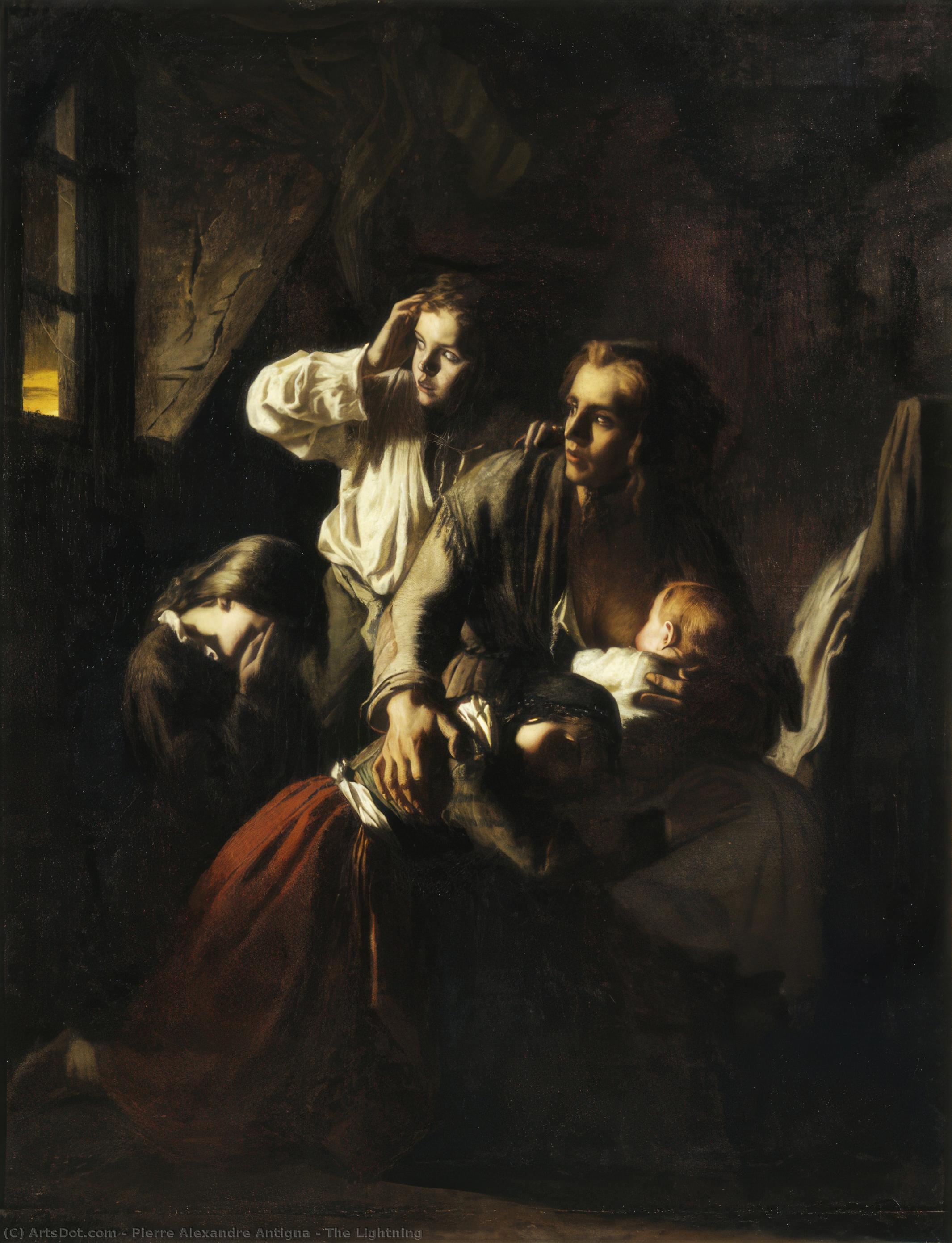
The Lightning (1848) του Αλεξάντρ Αντινιά

The Lightning

1848 · Oil On Canvas · Musée d'Orsay, Παρίσι

“The Lightning,” painted in 1848 by the French artist Pierre Alexandre Antigna, is more than just a depiction of a family huddled together during an electrical storm; it’s a poignant meditation on vulnerability, familial love, and the raw power of nature. Antigna, a key figure in Parisian Realism, masterfully captures a fleeting moment of intense emotion within a dimly lit interior, drawing the viewer into a scene brimming with both…

4
Circle of children (1853) του Αλεξάντρ Αντινιά

Circle of children

1853 · Oil On Canvas · musée Petiet de Limoux, Limoux

The air feels heavy with the scent of dry hay and sun-warmed earth as a group of children whirl in a rhythmic circle. They move through a wide, rural landscape, their small figures caught in a moment of pure, uninhibited joy. The composition pulls the eye into a continuous loop, following the sweep of outstretched arms and the swirling motion of colorful skirts. Reds, blues, and whites flash against the…

5
Girl striding out reading a book (1853) του Αλεξάντρ Αντινιά

Girl striding out reading a book

1853 · Pencil

The sketch depicts a young girl captured in mid-stride, her body leaning slightly forward into the direction of her movement. She is positioned off-center to the right, creating a sense of momentum as she walks. Her head is tilted downward, eyes fixed upon an open book held in her outstretched hands. The figure is rendered from the mid-thigh upward, focusing the viewer's attention on the interaction between her posture and…

6
Aragonese of Anso (1872) του Αλεξάντρ Αντινιά

Aragonese of Anso

1872 · Oil On Canvas · Musée des Beaux-Arts, Orléans

The light falls from the upper left, casting soft shadows across a gathering of Aragonese people. They sit upon weathered stone steps, framed by the deep green of a grapevine. A woman holds an infant, her chemise a bright white against the earthy tones of the scene. Beside them, a young boy cradles a musical instrument, his small hands poised in a moment of stillness. The air feels heavy with…

7
Head of a Girl του Αλεξάντρ Αντινιά

Head of a Girl

Oil · Worcester Art Museum, Worcester

This oil painting presents a close-up portrait of a young girl, focusing tightly on her head and hands. The subject is positioned in a direct, eye-level view, her chin resting upon her hands in a pensive posture. A headscarf wraps around her face, creating organic folds that frame her features. The lighting originates from the upper left, casting shadows across her face and highlighting the specific expression in her eyes.…

8
The sleeping spinner του Αλεξάντρ Αντινιά

The sleeping spinner

Oil On Canvas · Musée d'art et d'histoire de Saint-Brieuc, Saint-Brieuc

A solitary woman rests in a dimly lit, rustic interior, her form surrendered to sleep. Positioned slightly to the left of center, she is balanced by the large, circular silhouette of a spinning wheel to the right. The composition is vertical, drawing the eye to the heavy, nocturnal atmosphere of the room. Deep, earthy tones of umber and sienna dominate the space, creating a sense of profound stillness. A sharp…

9
Gypsy Girl του Αλεξάντρ Αντινιά

Gypsy Girl

Oil On Canvas · Museum of Fine Arts Ghent (MSK), Ghent

The oil painting titled Gypsy Girl presents a quiet, heavy moment captured on canvas. This work is the creation of Alexandre Antigna, an artist who emerged from the city of Orléans, France. Born in 1817, Antigna brings a specific, focused gaze to the subjects he encounters, often finding the weight of existence in the faces of those living on the margins of society.

Η επιλογή του Αλεξάντρ Αντινιά συνεχίζεται, από τον 11 έως τον 21

Τα διάσημα έργα του Αλεξάντρ Αντινιά, ανά περίοδο

Τα θέματα που κίνησαν το ενδιαφέρον του Αλεξάντρ Αντινιά

Τα τέσσερα θέματα που εμφανίζονται πιο συχνά σε αυτά τα πρωτότυπα έργα, το καθένα με το εξαιρετικό του παράδειγμα.

Τα μουσεία που διατηρούν τα πρωτότυπα έργα του Αλεξάντρ Αντινιά

Τα 6 μουσεία που φιλοξενούν το μεγαλύτερο μέρος των έργων σε αυτήν τη σελίδα.

Μουσείο Πόλη Έργα του Αλεξάντρ Αντινιά Πάτρια από αυτή τη λίστα
Musée d'Orsay, ΠαρίσιMusée d'Orsay Παρίσι 2 The Lightning, L'Eclair
Musée des Beaux-Arts, OrléansMusée des Beaux-Arts Orléans 2 Aragonese of Anso, The Fire
musée Petiet de Limoux, Limouxmusée Petiet de Limoux Limoux 1 Circle of children
Worcester Art Museum, WorcesterWorcester Art Museum Worcester 1 Head of a Girl
Musée d'art et d'histoire de Saint-Brieuc, Saint-BrieucMusée d'art et d'histoire de Saint-Brieuc Saint-Brieuc 1 The sleeping spinner
Museum of Fine Arts Ghent (MSK), GhentMuseum of Fine Arts Ghent (MSK) Ghent 1 Gypsy Girl

Ο Αλεξάντρ Αντινιά δεκαετία προς δεκαετία: το πρωτότυπο που ορίζει κάθε μία

Έργα ανά δεκαετία

Επιλέξτε μια δεκαετία για να δείτε το πρωτότυπο έργο που την χαρακτηρίζει.

Ερωτήσεις συλλεκτών για τα έργα του Αλεξάντρ Αντινιά

Για ποιο έργο είναι πιο γνωστός ο Αλεξάντρ Αντινιά;Αποκαλύψτε την απάντηση

Το La Fête Dieu. Στη συνέχεια ακολουθούν το The Lightning (1848) και το L'Eclair.

Ποια είναι τα δέκα πιο διάσημα έργα του Αλεξάντρ Αντινιά;Αποκαλύψτε την απάντηση

La Fête Dieu, The Lightning, L'Eclair, Circle of children, Girl striding out reading a book, Aragonese of Anso, Head of a Girl, The sleeping spinner, Gypsy Girl και Miroir des bois. Η κατάταξη παραπάνω αναγράφει το έτος και το μουσείο για το κάθε έργο.

Πόσα έργα δημιούργησε ο/η Αλεξάντρ Αντινιά;Αποκαλύψτε την απάντηση

Ο κατάλογός μας περιλαμβάνει 21 έργα του Αλεξάντρ Αντινιά, με ημερομηνίες από 1848 έως 1872.

Σε ποια μουσεία εκτίθενται τα αριστούργημα του Αλεξάντρ Αντινιά;Αποκαλύψτε την απάντηση

Κυρίως σε Musée d'Orsay (Παρίσι), Musée des Beaux-Arts (Orléans) και musée Petiet de Limoux (Limoux). Ο πίνακας μουσείου παραπάνω τους περιλαμβάνει όλους.

Σε ποιες χρονιές δημιούργησε ο/η Αλεξάντρ Αντινιά τα πιο διάσημα έργα του/της;Αποκαλύψτε την απάντηση

Κατά την περίοδο 1850s: 3 από τα 21 έργα σε αυτήν τη σελίδα δημιουργήθηκαν τότε, με Circle of children από αυτά να είναι μοναδικά.

Ποια είναι τα πρώτα και τα τελευταία διάσημα πρωτότυπα του Αλεξάντρ Αντινιά;Αποκαλύψτε την απάντηση

Σε αυτήν τη σελίδα, το παλαιότερο είναι The Lightning (1848) και το νεότερο Aragonese of Anso (1872).

Ποια θέματα επέλεξε πιο συχνά ο Αλεξάντρ Αντινιά;Αποκαλύψτε την απάντηση

Woman (8), Children (4) και Girl (4), σε συνολικά 21 έργα σε αυτήν τη σελίδα.

Ποια τεχνική χρησιμοποίησε περισσότερο ο Αλεξάντρ Αντινιά;Αποκαλύψτε την απάντηση

Oil On Canvas, για 15 από τα 21 έργα σε αυτήν τη σελίδα.

Σε ποιο καλλιτεχνικό κίνημα ανήκει ο/η Αλεξάντρ Αντινιά;Αποκαλύψτε την απάντηση

Romanticism, όπως προκύπτει από τα πρωτότυπα σε αυτήν τη σελίδα.

Ποια έργα του Αλεξάντρ Αντινιά εκτίθενται στο Musée d'Orsay;Αποκαλύψτε την απάντηση

The Lightning και L'Eclair: το Musée d'Orsay, Παρίσι διαθέτει 2 από τα έργα σε αυτήν τη σελίδα.

Αλεξάντρ Αντινιά: ζωή και έργο

The Compassionate Eye of Pierre Alexandre Antigna

In the heart of nineteenth-century France, a period defined by profound social upheaval and shifting artistic paradigms, Jean Pierre Alexandre Antigna emerged as a painter of unparalleled empathy. Born in Orléans in 1817, his early artistic journey was rooted in the traditional landscapes of his youth, shaped under the watchful eye of the local painter François Salmon. However, the pull of Paris proved irresistible. Upon entering the prestigious École Nationale Supérieure des Beaux-Arts in 1837, Antigna found himself immersed in a world of academic rigor, studying under masters such as Sébastien Norblin de la Gourdaine and the renowned Paul Delaroche. These early years were marked by a focus on religious subjects and formal portraiture, adhering to the established stylistic conventions of the era.

Yet, the true metamorphosis of Antigna’s soul occurred not within the gilded halls of the academy, but in the shadowed, narrow streets of the Île Saint-Louis. Living amidst the impoverished quarters of Paris, the artist became a witness to the raw, unvarnated struggles of the urban poor. This profound exposure to human hardship acted as a catalyst, steering him away from idealized religious iconography toward a gritty, unflinching Realism. By the time the Revolution of 1848 swept through France, Antigna had fully embraced a style that sought to document the weight of existence. His canvases began to pulse with the heavy burdens and quiet resilience of those on the margins of society, rendered with a textured brushwork and an emotional depth that commanded the attention of the Parisian Salon.

A Journey Through Light and Naturalism

As his career progressed, Antigna’s artistic vision expanded beyond the urban confines of Paris. Driven by an insatiable curiosity about the human condition and the natural world, he embarked on extensive travels through the rugged landscapes of Brittany and the vibrant terrains of Spain. These journeys allowed him to blend his social consciousness with a burgeoning Naturalism. Around 1860, his work began to reflect a meticulous observation of nature, where the atmospheric qualities of the landscape became as much a subject as the people inhabiting them. Whether capturing the dramatic tension of a storm or the quiet dignity of a rural worker, his technique remained anchored in a sense of profound compassion.

His mastery was formally recognized by the French state when he was awarded the Legion of Honor in 1861, a milestone that solidified his standing among the significant figures of his generation. Even as his style evolved toward more naturalist depictions, the core of his work remained an exploration of vulnerability and strength. Notable works such as The Lightning demonstrate this duality, where a family huddled during an electrical storm serves as a poignant meditation on familial love amidst the terrifying power of nature. Through his use of light, shadow, and impasto textures, Antigna did more than merely paint scenes; he captured the very essence of survival.

Legacy of a Social Realist

The historical significance of Pierre Alexandre Antigna lies in his ability to bridge the gap between Romantic emotion and Realist truth. He did not merely observe poverty; he imbued it with a dignity that challenged the era's social hierarchies. His life, which concluded in Paris in 1878, left behind an oeuvre that serves as a vital visual record of nineteenth-century French life. His influence can be seen in the way he utilized the following elements to elevate his subjects:

  • Emotional Resonance: The ability to transform a scene of hardship into a universal study of human resilience.
  • Textural Depth: Using heavy, expressive brushstrokes to mirror the ruggedness of the lives he depicted.
  • Atmospheric Storytelling: Leveraging natural light and weather—such as in his depictions of storms—to reflect internal psychological states.
  • Social Witness: A commitment to documenting the marginalized, ensuring their presence was felt within the prestigious halls of the art world.

Today, Antigna is remembered not just as a painter of scenes, but as a compassionate voice of his era, an artist who looked into the darkness of urban struggle and found the enduring light of the human spirit.