
 Προεπισκόπηση σε πραγματική κλίμακα
 Αποστολή
 Κοινοποίηση
 Λεπτομέρειες
 Οδηγός

 Λήψη
Λήψη
 Παρόμοια αντικείμενα συλλογής
 Ακτινογραφία
 Παρουσίαση
 Q&A
Q&A Στατιστικά
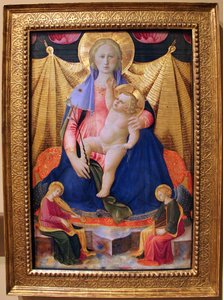
Madonna and Child with Angels

- 138.0 x 127.0 cm


 Περισσότερα
Giclée / Εκτυπώσεις Τέχνης
Εκτύπωση giclée ή σε καμβά ποιότητας μουσείου με γρήγορη παραγωγή και ευέλικτες επιλογές φινιρίσματος. ( Αγορά χειροποίητου πίνακα Μετάβαση σε Ψηφιακή Αποτέλεσμα)




P118B €10

P118H €10

P118W €10

P438Z €10

P508JH €12

P508YH €12

P805H €10

P805Z €10

P919BZ €10

P919G €10

P919XJ €10

P959ZH €10

P968JZ €12

W106C €8

W218G €10

W218JH €8

W218Y €10

W307PJ €10

W316G €10

W316PJ €8

W316Y €10

W398PJ €8

W4111J €10

W500HY €15

W500JH €15

W692G €12

W849H €8

W940BG €15

W953PJ €8




Επιλέξτε από τις προκαθορισμένες διαστάσεις μας που διατηρούν τις αρχικές αναλογίες του έργου τέχνης.

Εισάγετε το πλάτος και το ύψος που επιθυμείτε, ώστε να ταιριάζουν στο κάδሮ ή στον τοίχο σας. Μια εκτύπωση μπορεί μόνο να υποστεί κοψίμό και ποτέ να μην γίνει μεγαλύτερη από την αρχική εικόνα, επομένως η επιλογή μεγέθους με διαφορετικό σχήμα συνεπάγεται απώλεια ενός μέρους της εικόνας. Σας στέλνουμε ένα ψηφιακό mockup για έγκριση πριν προχωρήσουμε σε οποιαδήποτε εκτύπωση. Η εικόνα που εμφανίζεται σε αυτή τη σελίδα δεν δείχνει την πραγματική κοπή — μόνο το mockup την παρουσιάζει.
Παγκόσμια Αποστολή () σε 2 εβδομάδες αντί για τις συνήθεις 4/5 εβδομάδες. (3 Νοέμβριος)

Δωρεάν γρήγορη διεθνής αποστολή

Κάμβας από Λινό Υψηλής Ποιότητας

Πλήρης ασφάλιση μεταφοράς

Εγγύηση επιστροφής δασμών και φόρων εισαγωγής

Εγγύηση Απόλυτης Ομοιότητας Χρωμάτων

Πολιτική Επιστροφής 100 Ημερών (Μόνο σε περίπτωση ελαττωμάτων)

Εγγύηση επιστροφής 100% των χρημάτων

Προσφορά για πολλαπλές παραγγελίες
 Η επιλογή με γυαλί είναι διαθέσιμη μόνο για μεγέθη κάτω από 110 εκ.

Madonna and Child with Angels
Giclée / Εκτυπώσεις Τέχνης
Διαστάσεις Αναπαραγωγής
-


Τελική Τιμή
€ 71
A Vision of Divine Grace: Zanobi Strozzi's Madonna and Child with Angels
To gaze upon this masterpiece by Zanobi Strozzi is to step directly into the luminous heart of the Early Renaissance. The scene unfolds with an almost palpable sense of sacred tranquility, centering on the Virgin Mary cradling the divine presence of the Christ Child. It is more than a mere portrait; it is a profound meditation on motherhood, divinity, and eternal love. Strozzi masterfully captures that delicate balance between earthly tenderness and heavenly majesty. The composition draws the eye immediately to the intimate connection between mother and child, while the surrounding angels act as celestial witnesses, their presence elevating the moment from a private embrace to a universal testament of faith.
Technique and Luminous Detail
Strozzi’s handling of paint speaks volumes about his technical brilliance. The rich, vibrant palette employed throughout the work bathes the figures in an ethereal glow, suggesting both the warmth of human connection and the cool luminescence of divine light. One can observe the meticulous detail in the drapery folds, which fall with a naturalistic weight, contrasting beautifully against the brilliant, golden background. This use of gold is not merely decorative; it functions symbolically, separating the sacred space from the mundane world and suggesting an eternal realm beyond time. The close-up view allows us to appreciate the subtle gradations of color—the soft blush on Mary’s cheek, the gentle curve of Jesus' hand—all rendered with a painterly finesse characteristic of Florentine masters navigating the transition into High Renaissance ideals.
Symbolism and Spiritual Resonance
The symbolism woven into this canvas is deeply rich for the art connoisseur. The prominent cross positioned above the figures serves as an unmistakable anchor to Christian doctrine, reminding the viewer that within this moment of serene beauty lies the promise of sacrifice and resurrection. The angels surrounding the central figures are not just decorative elements; they embody divine protection and guidance, acting as intermediaries between humanity and the heavenly court. For the collector or decorator, owning a reproduction of this piece means acquiring more than just art; it is acquiring a focal point for contemplation—a visual prayer that imbues any room with an atmosphere of profound spirituality and enduring grace.
Historical Context and Enduring Appeal
Painted in 1434, this work places Strozzi at the zenith of his artistic career during Florence's burgeoning Renaissance spirit. While the era was marked by intense humanism and intellectual rebirth, religious devotion remained the bedrock of life. Strozzi’s ability to fuse the emerging naturalism—the believable weight of flesh and fabric—with deeply ingrained spiritual iconography makes this piece timeless. It speaks to a period where art served as both high craft and sacred narrative. For modern admirers, it offers an unparalleled connection to the genius of the Quattrocento masters, providing a breathtaking focal point that whispers tales of faith across the centuries.
Ερωτήσεις και Απαντήσεις
Πώς συνδέεται το θέμα του "Madonna and Child with Angels" με τα συνηθισμένα θέματα του Ζάνομπι Στρότσι;
Το έργο "Madonna and Child with Angels" απεικονίζει τα madonna and child, angels, religious art, christianity, renaissance, cross, virgin mary, ενώ τα αναγνωρίσιμα θέματα του Ζάνομπι Στρότσι είναι τα florentine renaissance style influences, christian devotion and divinity themes, early devotional panel painting work. Η σύγκριση των δύο αναδεικνύει τον τρόπο με τον οποίο το έργο συνδέεται με τα συνηθισμένα θέματα του καλλιτέχνη.
Πόσο φως φαίνεται να αντανακλούν τα χρώματα του "Madonna and Child with Angels";
Τα χρώματα του "Madonna and Child with Angels" παρουσιάζουν μια φωτεινότητα επιπέδου Soft Shadow.
Ποιο χρώμα κυριαρχεί στη σύνθεση του έργου "Madonna and Child with Angels" του Ζάνομπι Στρότσι;
Το κυρίαρχο χρώμα του έργου "Madonna and Child with Angels" του Ζάνομπι Στρότσι είναι το Phthalo Green (#0f171d).
Βιογραφικό Καλλιτέχνη
Ο Φλωρεντιάνος Οραματιστής: Η Ζωή και η Κληρονομιά του Zanobi Strozzi
Στην χρυσή εποχή της Φλωρεντιάνα Αναγέννησης, όπου το φως και η σκιά άρχισली να χορεύουν με μια νέα ανθρωπιστικήล βάθος, το όνομα του Zanobi Strozzi αναδύθηκε ως ένα ζωτικό νήμα στο καλλιτεχνικό υφασμά της πόλης. Γεννημένος το 1412 από την ένδοξη οικογένεια Strozzi, τα πρώτα χρόνια της ζωής του ο Zanobi διαμορφώθηκαν από τις βαθιές πολιτικές αλλαγές της Φλωρεντίας. Παρόλο που η καταγωγή του τον συνέδεε με την ευγενειακή τάξη, ο πρόωρος θάνατος του πατέρα του, όταν ο Zanobi ήταν μόλις δεκαπέντε ετών, τον ωθήσασε προς μια διαφορετική μοίρα. Αυτή η περίοδος προσωπικής απώλειας τον οδήγησε στην μεταμορφωτική αγκαλιά μιας μαθητείας υπό τον Battista di Biagio Sanguigni>, μια καθοδήγηση που τελικά θα εξέλιχε το χέρι του και θα εμφύτευε σε αυτόν την τεχνική ακρίβεια που απαιτείται για την κατάκτηση της λεπτομερή τέχνης της διακόσμησης χειρογράφων και της ζωγραφικής σε πάνελ.
Η καλλιτεχνική εξέλιξη του Strozzi ήταν βαθιά συνδεδεμένη με τα πνευματικά και αισθητικά ρεύματα της εποχής του. Η πιο σημαντική του σύνδεση, ωστόσο, ήταν η σχέση του με τον σεβαστό Fra Angelico. Ως μαθητής μέσα σε αυτόν τον επιδραστικό κύκλο, ο Strozzi δεν αντέγραψε απλώς τον δάσκαλο· απορρόφησε ένα βαθύ αίσθημα ευλάβειας και μια φωτεινή προσέγγιση στο χρώμα που θα γίνονταν χαρακτηριστικά του δικού του στυλ. Αυτή η σχέση επέτρεψε μια όμορφη αισθητική σύγκλιση, όπου το αιθέριο, θείο φως που χαρακτηρίζει τον Fra Angelico συναντούσε την προσεκτική προσοχή του Strozzi στις λεπτομέρειες. Το έργο του γεφύρωσε συχνά το χάσμα μεταξύ των οικείων, μινιαტურιστικών κόσμων των διακοσμημένων χειρογράφων και της μεγαλειώδους, συναισθηματικής παρουσίας των θρησκευτικών αλταρީων.
Κατάκτηση της Λεπτομέρειας και Θρησκευτική Ομορφιά
Το εύρος του ταλέντου του Strozzi είναι πιο εμφανές στην ικανότητά του να πλοηγείται σε διαφορετικά μέσα με την ίδια χάρη. Ήταν δάσκαλος της tempera σε πάνελ, ενός μέσου που απαιτούσε τεράστια υπομονή και σταθερό χέρι για να επιτευχθούν οι ζωντανοές, πολύτιμες αποχρώσεις που見 στον θρησκευτικό του έργο. Το ρεπερτόριό του περιλάμβανε αρκετά σημαντικά αλταρία και συγκινητικές απεικονίσεις της Πάνισσας και του Βρέφους, έργα σχεδιασμένα να προκαλέσουν βαθιά πνευματική αναζήτηση στον θεατή. Σε αυτά τα έργα, ο Strozzi χρησιμοποίησε το στυλ της Πρώιμης Φλωρεντιάνα Αναγέννησης για να υφάνει αφηγήματα πίστης, χρησιμοποιώντας απαλές μεταβάσεις και περίπλοκα μοτίβα για να αναπνεύσουν ζωή σε ιερές μορφές.
Πέρα από τα μεγαλύτερα πάνελ, ο Strozzi απέκτησε θρυλικό status μέσω των συνεισφορών του στη διακόσμηση χειρογράφων. Η ικανότητά του να κυριαρχεί σε μικρούς χώρους του επέτρεψε να δημιουργήσει μινιαტურικούς κόσμους με εκπληκτική πολυπλοκότητα. Ορισμένα από τα πιο αξιοσημείωτα καλλιτεχνικά του επιτεύγματα περιλαμβάνουν:
- Οι Άγιοι Κόσμας και Δαμιανός σωζόμενοι από τον πνιγμό: Ένα αριστούργημα του 1435 που αποτυπώνει μια συγκιπληκτική στιγμή θεϊκής παρέμβασης, αναδεικνύοντας την δεξιοτεχνία του στην απεικόνιση της κοινής πίστης και της δραματικής κίνησης.
- Η Αγία Αγκέλη: Δημιουργημένο το 1448, αυτό το έργο exemplifies την ικανότητά του να αποδίδει γαλήνιες, προφίλ πορτρέτα μέσα σε κυματιστά, διακοσμητικά μοτίβα που αναδεικνύουν την κομψότητα της περιόδου.
- Το Βιβλίο Ωρών για τη Χρήση της Ρώμης: Μια απόδειξη της ικανότητάς του ως διακοσμητής, όπου κάθε σελίδα λειτουργεί ως παράθυρο στην προσεκτική χειροτεχνία του φλωρεντιανού scriptorium.
Μια Διαχρονική Εικόνα στην Αναγέννηση
Η ιστορική σημασία του Zanobi Strozzi έγκειται στον ρόλο του ως γέφυρα μεταξύ της μεσαιωνικής παράδοσης της διακοσμητικής illumination και της αναδυόμενης εστίασης της Αναγέννησης στην ανθρώπινη συναισθήμα και τον φυσικισμό. Ενώ πολλά από τα έργα του προορίζονταν για ιδιωτική ευλάβεια μέσα στις μεγαλοπρεπείς κατοικίες της Φλωρεντίας, η επιρροή του αντηχούσε στα εργαστήρια της πόλης. Βοήθησε στη διασπορά ενός συγκεκριμένου είδους φλωρεντιανής ομορφιάς—μιας ομορφιάς που ήταν ταυτόχρονα πνευματικά αυστηρή και συναισθηματικά προσβάσιμη. Μέσα από τα χέρια του, οι ιερές ιστορίες των αγίων και της Πάνισσας αποδόθηκαν με μια διαύγεια και ζωντάνια που αλλήλουσε την ίδια την ουσία του πνεύματος του Quattrocento.
Παρόλο που πέθανε το 1468, αφήνοντας πίσω του μια κληρονομιά χαραγμένη με χρυσό φύλλο και tempera, ο Strozzi παραμένει ένα σύμβολο της ικανότητας του καλλιτέχνη να βρίσκει βαθύ νόημα στο μικροσκοπικό. Η ζωή του, σημαδεμένη από τη μετάβαση ενός ευγενικού ορφάνου σε έναν διακεκριμένο δάσκαλο, αντικατοπτρίζει την ίδια την μεταμόρφωση της Φλωρεντίας: ένα ταξίδι από τις δομημένες παραδόσεις του παρελθόντος προς τη φωτεινή, ανθρωποκεντρική λαμπρότητα της Αναγέννησης.
Ζάνομπι Στρότσι
1412 - 1468
Γρήγορα στοιχεία
- Artistic Movement Or Style: Πρώιμη Αναγέννηση
- Artists Or Movements Influenced By This Artist: ['Βυζαντινό']
- Artists Who Influenced This Artist: ['Fra Angelico']
- Date Of Birth: 17 Νοεμβρίου 1412
- Date Of Death: 6 Δεκεμβρίου 1468
- Full Name: Zanobi di Benedetto di Caroccio degli Strozzi
- Nationality: Ιταλική Αναγέννηση
- Notable Artworks:
- Άγια Αγκες
- Βιβλίο Ωρών για τη Χρήση της Ρώμης
- Η Ευγγελία
- Place Of Birth: Φλωρεντία, Ιταλία
Σχετικά άρθρα

Σάντρο Μποτιτσέλι: Τα 25 Κορυφαία Έργα Τέχνης για Διακόσμηση και Έμπνευση
Ανακαλύψτε τα 25 κορυφαία έργα τέχνης του Σάντρο Μποτιτσέλι! Εξερευνήστε την Αναγέννηση, τη Βενερά και τον Πρωμαχό. Υψηλής ποιότητας αναπαραγωγές & ιδέες διακόσμησης στο OriginalUniqueArt.com.
Divine Love: A Curated Guide to the Most Iconic Madonna and Child Masterpieces in Art History
Embark on a sophisticated journey through art history with our curated guide to the most iconic Madonna and Child masterpieces. Discover the profound beauty, theological depth, and enduring legacy of these sacred Renaissance treasures.

Sacred Narratives Embodied: A Comprehensive Exploration of Religious Iconography in Art History
Explore the rich history of religious iconography in art! Discover symbolism, movements & masterpieces from Byzantine to Renaissance periods. Expert insights for collectors and enthusiasts at OriginalUniqueArt.
Sacred Narratives on Canvas: Exploring Religious Painting Through History
Explore the rich history of religious painting with OriginalUniqueArt.com! Discover iconic artworks, symbolism & techniques from antiquity to the Renaissance. Enhance your art appreciation today.

Ραφαήλ: Τα 25 Κορυφαία Έργα Τέχνης για Διακόσμηση με Στυλ | OriginalUniqueArt.gr
Ανακαλύψτε τα 25 κορυφαία έργα τέχνης του Ραφαήλ! Εξερευνήστε την Αναγέννηση, τις τεχνικές και την ιστορία των πιο διάσημων πινάκων. Βρείτε εκτυπώσεις υψηλής ποιότητας για να διακοσμήσετε τον χώρο σας με στυλ. OriginalUniqueArt.com – Η τέχνη γίνεται προσβάσιμη.