 Προεπισκόπηση σε πραγματική κλίμακα
 Αποστολή
 Κοινοποίηση
 Λεπτομέρειες
 Οδηγός

 Λήψη
Λήψη
 Παρόμοια αντικείμενα συλλογής
 Ακτινογραφία
 Παρουσίαση
 Ερωτήσεις & Απαντήσεις
 Στατιστικά
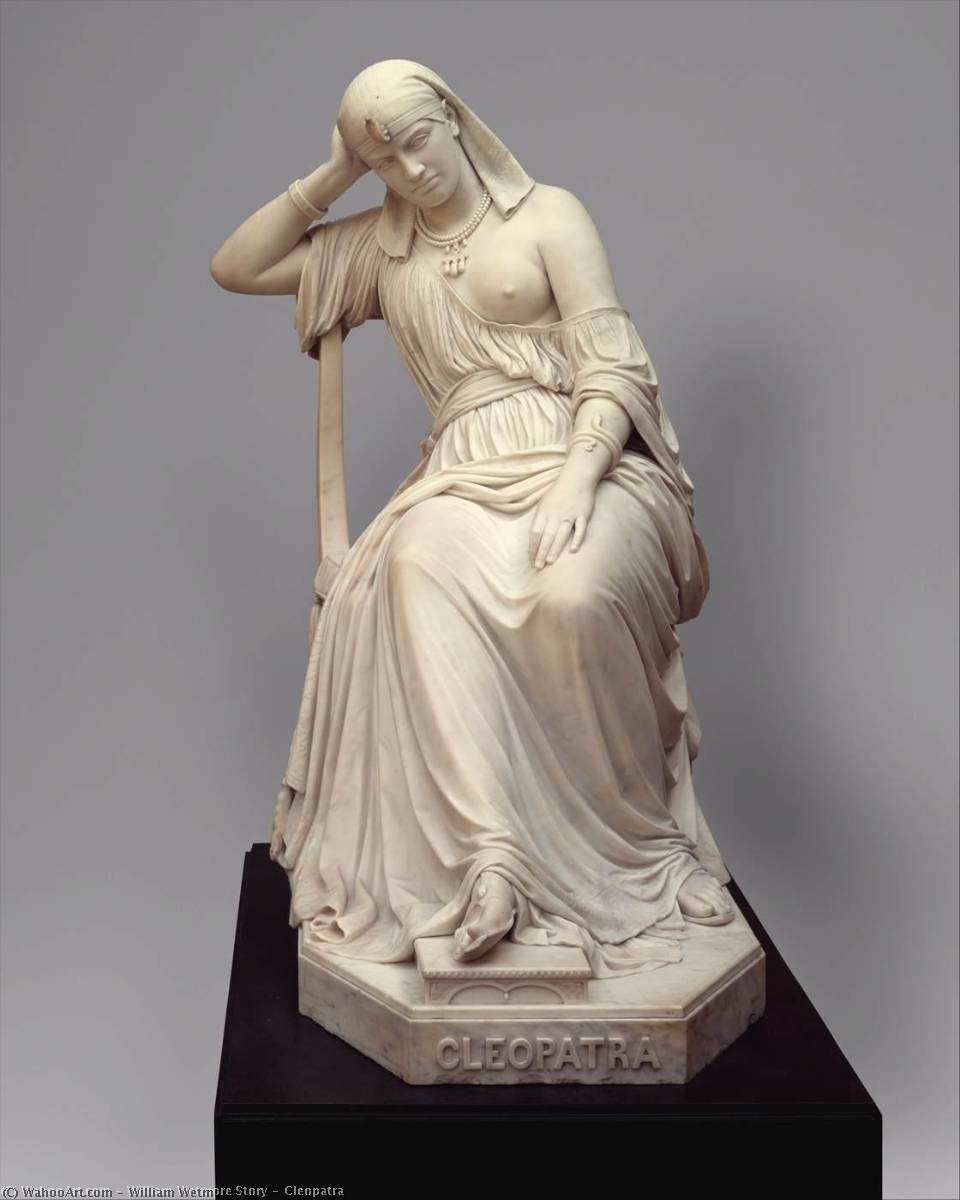
Cleopatra

 Περισσότερα
Λάβετε ένα αρχείο έτοιμο για εκτύπωση, με ποιότητα πολύ ανώτερη από την προεπισκόπηση στον ιστότοπο. Κάθε ψηφιακή εικόνα που διαθέτουμε προέρχεται από ένα αρχείο υψηλής ανάλυσης στη βάση δεδομένων μας —συνήθως με πλάτος 5.000 έως 15.000 pixel— ώστε να μπορείτε να εκτυπώσετε σε μεγάλο μέγεθος, να κάνετε στενές κοψιμές ή να αναπαράγετε τις λεπτομέρειες με απόλυτη εμπιστοσύνη.
Κανένα αρχείο δεν φεύγει από το στούντιο μας χωρίς να υποστεί επεξεργασία. Ένας ειδικός ψηφιακών εικόνων ελέγχει τα χρώματα σε σύγκριση με το πρωτότυπο έργο και τα διορθώνει αν χρειαστεί, στη συνέχεια βελτιώνει την καθαρότητα και τις λεπτομέρειες με επαγγελματικά εργαλεία αφαίρεσης ατέλειων — παραμένοντας πάντα πιστός στις πινελιές και το ύφος του καλλιτέχνη. Το αποτέλεσμα είναι μια εικόνα που μοιάζει με το ίδιο το αριστούργημα και όχι με ένα σκανάρισμα με φίλτρα.
Εγκρίνετε πριν την ολοκλήρωση: ο ειδικός μας σας στέλνει την εικόνα μέσω e-mail εντός 72 ωρών για επανεξέταση. Δεν είστε ικανοποιημένοι; Ζητήστε βελτιώσεις ή διορθώσεις, ή ζητήστε επιστροφή χρημάτων εάν η ποιότητα δεν ανταποκρίνεται στις προσδοκίες σας.
Αυτή είναι η ποιότητα στην οποία εμπιστεύονται οι εκδότες, τα design studios, οι γκαλερί και τα εκτυπωτήρια.
Ψηφιακή εικόνα
Κατεβάστε ένα αρχείο υψηλής ανάλυσης για προσωπική χρήση, εκτύπωση και δημιουργικά έργα. ( Μετάβαση σε Εκτυπώσεις Αγορά χειροποίητου πίνακα)
Περιλαμβάνεται σε κάθε παραγγελία ψηφιακής εικόνας
Επαγγελματική Ψηφιακή Παράδοση με Εγγύηση
Όταν επιλέγετε το OriginalUniqueArt.com, δεν αποκτάτε απλώς μια εικόνα – λαμβάνετε ένα επαγγελματικά αναβαθμισμένο ψηφιακό έργο τέχνης, δημιουργημένο με ακρίβεια και με εγγύηση ικανοποίησης. Δείτε όλα όσα περιλαμβάνονται στην παραγγελία σας, αυτόματα:

Άμεση αποστολή μέσω email
Το ψηφιακό σας αρχείο εικόνας υψηλής ανάλυσης θα σας σταλεί μέσω email εντός 72 ωρών από την παραγγελία σας — έτοιμο για άμεση χρήση.

Ψηφιακό Αρχείο με Τεχνητή Νοημοσύνη
Το έργο σας βελτιστοποιείται επαγγελματικά με τη χρήση προηγμένων εργαλείων Τεχνητής Νοημοσύνης και χειροκίνητης επεξεργασίας, εξασφαλίζοντας μέγιστη λεπτομέρεια, ευκρίνεια και ακρίβεια χρωμάτων.

Δωρεάν επανεκδόσεις مدى ζωής
Απώλησες ή διαγράψατε κατά λάθος το αρχείο σας; Μην ανησυχείτε — θα σας το ξαναστείλομε οποιαδήποτε στιγμή, δωρεάν.

Χωρίς Τελωνειακούς Φόρους - Ποτέ
Απολαύστε αμέσως τα έργα τέχνης σας χωρίς δασμούς, φόρους ή έξοδα αποστολής - οι ψηφιακές λήψεις είναι πάντα αφορεশিপτεία.

Εγγύηση Ακριβούς Χρωματισμού
Εξασφαλίζουμε ότι η ψηφιακή σας εικόνα αποτυπώνει τα αυθεντικά χρώματα όσο το δυνατόν πιστότερα, χρησιμοποιώντας επαγγελματικά εργαλεία και διαχείριση χρωμάτων.

Εγγύηση Ικανοποίησης 100 Ημερών
Εάν δεν είστε ικανοποιημένοι με την ψηφιακή σας εικόνα, θα την τροποποιήσουμε ή θα σας επιστρέψουμε το 100% εντός 100 ημερών — χωρίς κανένα ερώτημα.

100% Εγγύηση Επιστροφής Χρήματος
Δεν είστε ικανοποιημένοι; Λάβετε πλήρη επιστροφή των χρημάτων σας εντός 100 ημερών από τη λήψη του ψηφιακού σας αρχείου — χωρίς κανένα ερώτημα.

Εκπτώσεις σε μεγάλες παραγγελίες
Αγοράστε 3 εικόνες, κάντε εξοικονόμηση 10% - Αγοράστε 5, κάντε εξοικονόμηση 15% - Αγοράστε 10+, κάντε εξοικονόμηση 20%. Ιδανικό για δημιουργικά έργα, γκαλερί και agencies.
Βιογραφικό Καλλιτέχνη
A Life Shaped by Marble and Law
Born in Salem, Massachusetts, William Wetmore Story began his adult life far from the quiet dust of a sculptor's studio. He was a man of intellect and rigorous study, having graduated from Harvard College in 1838 and later completing his studies at Harvard Law School in 1840. Under the guidance of his father, the Supreme Court Justice Joseph Story, he practiced law and even authored legal treatises regarding contracts and sales. Yet, the heavy books of jurisprudence could not entirely contain a spirit drawn toward the classical world. After a period of practicing law in Boston, a profound shift occurred. Following the commission to create a bust of his late father, he felt a calling to move toward the arts, eventually settling in Rome in 1850.
This transition from the courtroom to the studio was not merely a change in profession but a relocation of his very soul. His home in the Palazzo Barberini became a gathering place for many notable figures living in Italy. He lived among the poets and thinkers of his age, finding himself part of a circle that included the Brownings. This Roman period allowed him to immerse himself in the traditions of antiquity, moving away from the dry logic of American law toward the emotional weight of Greek tragedy and biblical narrative.
The Weight of Emotion in Stone
In his hands, cold marble took on a heavy, psychological presence. He did not seek to merely replicate the human form but to capture the internal struggles of his subjects. His work often focused on figures from antiquity or scripture, imbuing them with a sense of profound thought and impending fate. In his sculpture Cleopatra, he avoided the sensationalism of her death, focusing instead on the quiet introspection of a queen caught in a moment of deep contemplation. The marble was carved to suggest the softness of skin and the heavy flow of drapery, creating a tension between the hard stone and the vulnerable life it represented.
Other works revealed a similar preoccupation with the human condition through dramatic storytelling. His Dalilah explored themes of vulnerability and resilience within a biblical framework, while his Hero Looking for Leander utilized fine-grained white marble to depict a youthful, timid priestess. Even in his more somber monuments, such as the Angel of Grief, there is a palpable sense of loss. This piece, which he designed for his wife Emelyn, rests in the Protestant Cemetery in Rome, marking his final resting place alongside her.
A Legacy of Letters and Stone
Beyond the chisel, Story was a man of many voices. He was an author, poet, and editor who used words to explore the same classical themes found in his sculptures. His writings, such as Roba di Roma and Conversations in a Studio, provided observations on the culture and people of his adopted home. He possessed a wide-ranging intellect that allowed him to move between the precision of legal writing and the imaginative impulse required for poetry and drama.
His influence extended into the very fabric of American identity during the nineteenth century. While he lived much of his life in Italy, his works found their way back to the United States, appearing in collections from the Smithsonian American Art Museum to the Metropolitan Museum of Art. He left behind a family deeply rooted in the arts, with children who pursued their own paths as sculptors and painters. When he passed away at Vallombrosa, Italy, he left a body of work that bridged the gap between the legalistic rigor of his New England upbringing and the classical grandeur of the Roman world.

William Wetmore Story
1819 - 1895
Σύντομη Βιογραφία
- Artistic Movement Or Style: Neoclassicism
- Full Name: William Wetmore Story
- Nationality: American
- Notable Artworks:
- Cleopatra
- Dalilah
- Angel of Grief
- Hero Looking for Leander
- Medea
- Sappho
- Place Of Birth: Salem, United States
- Date Of Birth: 1819
- Date Of Death: 1895