
 Προεπισκόπηση
 Αποστολή
 Κοινοποίηση
 Λεπτομέρειες
 Οδηγός

 Λήψη
Λήψη
 Παρόμοια αντικείμενα συλλογής
 Ακτινογραφία
 Παρουσίαση
 Στατιστικά
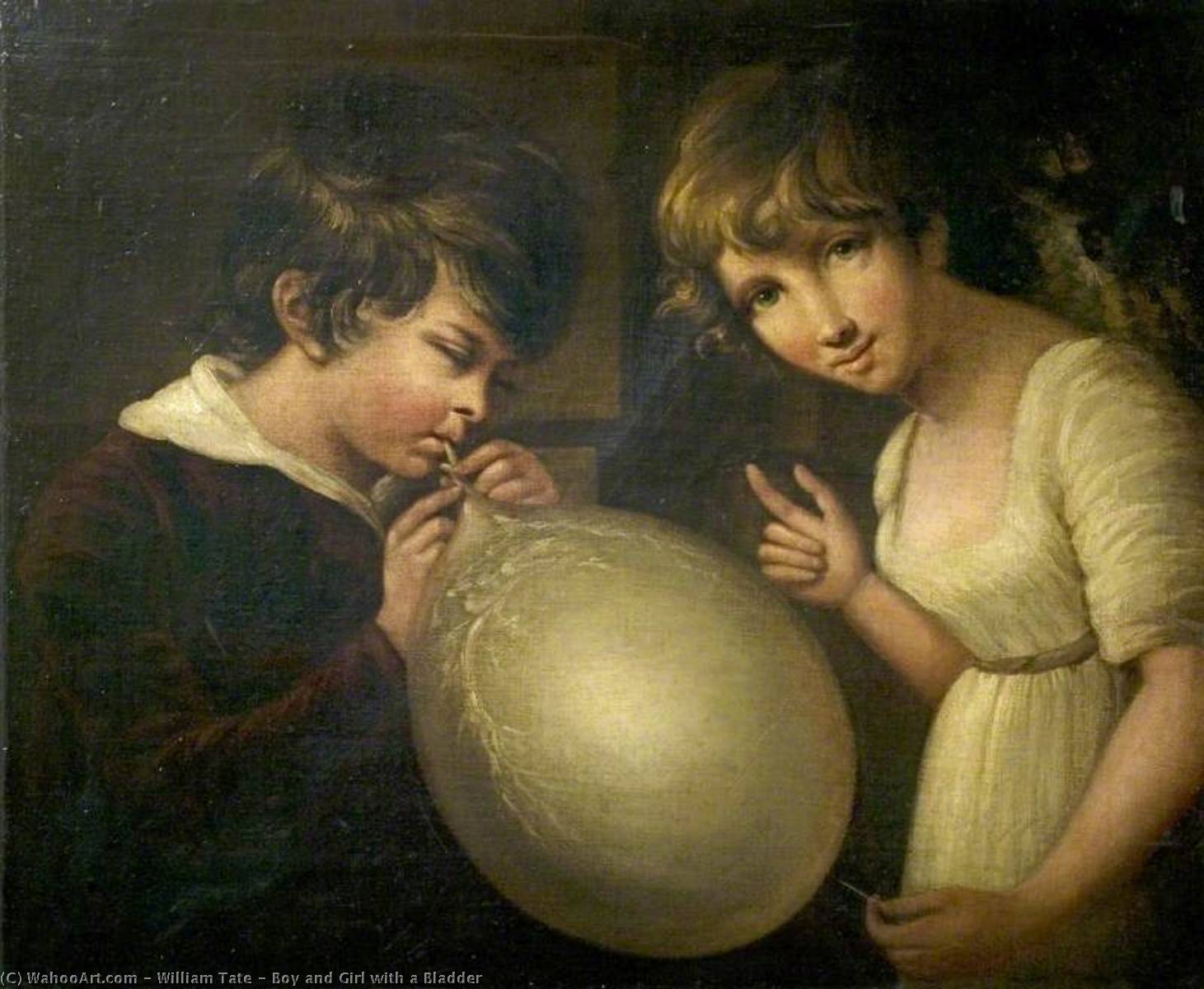
Boy and Girl with a Bladder
 61.0 x 72.0 cm
 Περισσότερα λεπτομέρεια
Αγοράστε μια ψηφιακή εικόνα υψηλής ανάλυσης και βελτιωμένης ποιότητας, πολύ ανώτερης από την προεπισκόπηση στο διαδίκτυο.
Κάθε αρχείο προετοιμάζεται σχολαστικά από τους εξειδικευμένους συνεργάτες μας, με τη χρήση προηγμένων εργαλείων και χειροκίνητου ρετουσαρίσματος υψηλής ακρίβειας. Εξασφαλίζουμε ότι κάθε εικόνα προσφέρει εξαιρετική ευκρίνεια, απόλυτη πιστότητα στο χρώμα και λεπτομερή ανάδραση των λεπτομερειών.
Το τελικό αρχείο παραδίδεται μέσω email εντός 72 ωρών, βελτιστοποιημένο για άμεση χρήση σε επαγγελματικά, εκδοτικά και έντυπα περιβάλλοντα. Πρόκειται για την ίδια ποιότητα που εμπιστεύονται κορυφαία studios σχεδιασμού, εκδότες και γκαλερί.
Ψηφιακή εικόνα
Κατεβάστε ένα αρχείο υψηλής ανάλυσης για προσωπική χρήση, εκτύπωση και δημιουργικά έργα. ( Μετάβαση σε Εκτυπώσεις Αγορά χειροποίητου πίνακα)
Περιλαμβάνεται σε κάθε αγορά ψηφιακής εικόνας
Επαγγελματική Ψηφιακή Παράδοση με Εγγύηση
Όταν επιλέγετε το OriginalUniqueArt.com, δεν αποκτάτε απλώς μια εικόνα – λαμβάνετε ένα επαγγελματικά αναβαθμισμένο ψηφιακό έργο τέχνης, δημιουργημένο με ακρίβεια και με εγγύηση ικανοποίησης. Δείτε όλα όσα περιλαμβάνονται στην παραγγελία σας, αυτόματα:

Άμεση αποστολή μέσω email
Το ψηφιακό σας αρχείο εικόνας υψηλής ανάλυσης θα σας σταλεί μέσω email εντός 72 ωρών από την παραγγελία σας — έτοιμο για άμεση χρήση.

Ψηφιακό Αρχείο με Τεχνητή Νοημοσύνη
Το έργο σας βελτιστοποιείται επαγγελματικά με τη χρήση προηγμένων εργαλείων Τεχνητής Νοημοσύνης και χειροκίνητης επεξεργασίας, εξασφαλίζοντας μέγιστη λεπτομέρεια, ευκρίνεια και ακρίβεια χρωμάτων.

Δωρεάν επανεκδόσεις مدى ζωής
Απώλησες ή διαγράψατε κατά λάθος το αρχείο σας; Μην ανησυχείτε — θα σας το ξαναστείλομε οποιαδήποτε στιγμή, δωρεάν.

Χωρίς Τελωνειακούς Φόρους - Ποτέ
Απολαύστε αμέσως τα έργα τέχνης σας χωρίς δασμούς, φόρους ή έξοδα αποστολής - οι ψηφιακές λήψεις είναι πάντα αφορεশিপτεία.

Εγγύηση Ακριβούς Χρωματισμού
Εξασφαλίζουμε ότι η ψηφιακή σας εικόνα αποτυπώνει τα αυθεντικά χρώματα όσο το δυνατόν πιστότερα, χρησιμοποιώντας επαγγελματικά εργαλεία και διαχείριση χρωμάτων.

Εγγύηση Ικανοποίησης 100 Ημερών
Εάν δεν είστε ικανοποιημένοι με την ψηφιακή σας εικόνα, θα την τροποποιήσουμε ή θα σας επιστρέψουμε το 100% εντός 100 ημερών - χωρίς κανένα ερώτημα.

100% Εγγύηση Επιστροφής Χρήματος
Δεν είστε ικανοποιημένοι; Λάβετε πλήρη επιστροφή των χρημάτων σας εντός 100 ημερών από τη λήψη του ψηφιακού σας αρχείου — χωρίς κανένα ερώτημα.

Εκπτώσεις σε μαζικές παραγγελίες
Αγοράστε 3 εικόνες, κάντε εξοικονόμηση 10% - Αγοράστε 5, κάντε εξοικονόμηση 15% - Αγοράστε 10+, κάντε εξοικονόμηση 20%. Ιδανικό για δημιουργικά έργα, γκαλερί και agencies.
Βιογραφικό Καλλιτέχνη
William Tate: A Gentle Hand Capturing the Essence of 18th-Century Britain
William Tate (1766-1822), a name perhaps less heralded than his contemporaries, nevertheless stands as a quietly significant figure in the landscape of British portraiture. Born in Barnsley, South Yorkshire, into a family with roots in the textile industry, Tate’s early life offered little indication of the artistic path he would ultimately pursue. However, a keen eye for detail and an innate sensitivity to human emotion quickly manifested, leading him towards a career dedicated to capturing the nuances of character and the fleeting moments of domestic life within the confines of his studio.
Tate’s formative years were spent in London, where he apprenticed under various artists before establishing himself as an independent practitioner. His style, while initially influenced by the prevailing Rococo trends, swiftly evolved into a distinctly more restrained and psychologically astute approach. Unlike the flamboyant displays of some of his peers, Tate favored a subtle elegance, employing delicate brushwork and muted color palettes to create portraits that felt remarkably intimate and revealing. He wasn’t interested in grand gestures or theatrical poses; instead, he sought to distill the essence of his subjects – often women and children – into carefully observed studies of character.
The Sanderson Children: A Masterclass in Domestic Observation
Perhaps Tate's most celebrated work is “The Sanderson Children” (1775), a captivating depiction of three young siblings from the Sanderson family. This painting, now housed at the National Gallery, exemplifies Tate’s unique approach to portraiture. It’s not merely a likeness; it’s a window into a specific moment in time – a shared glance, a playful gesture, a quiet contemplation. The composition is remarkably naturalistic, eschewing formal arrangements for a scene that feels utterly spontaneous. Notice the way Tate captures the individual personalities of each child: the eldest, poised and observant; the middle one, brimming with youthful energy; and the youngest, lost in innocent wonder. The use of light and shadow subtly emphasizes their features, lending them an almost ethereal quality.
The painting’s success speaks to Tate's ability to elevate everyday scenes into works of art. He wasn’t interested in depicting wealth or status; instead, he focused on the simple joys and vulnerabilities of family life – a theme that resonated deeply with his audience and continues to captivate viewers today.
A Portraitist of His Time: Influences and Techniques
Tate's artistic development was undoubtedly shaped by the prevailing trends of the late 18th century, particularly the influence of artists like Thomas Gainsborough and George Romney. However, he possessed a distinctive sensibility that set him apart. His portraits often bear a resemblance to Dutch Golden Age masters, such as Rembrandt, in their use of chiaroscuro – the dramatic contrast between light and shadow – to create depth and mood. He was also deeply influenced by the works of Sir William Beechey, another prominent portraitist of his era.
Tate’s technique involved meticulous observation and a deep understanding of anatomy and perspective. He spent considerable time studying his subjects before beginning a painting, often sketching them repeatedly to capture their likeness and personality. His brushwork was remarkably smooth and refined, creating surfaces that shimmered with light. He employed a limited palette of colors – primarily browns, grays, and ochres – to achieve a sense of understated elegance.
Legacy and Historical Significance
Despite not achieving the same level of fame as some of his contemporaries, William Tate’s work holds considerable historical significance. His portraits offer invaluable insights into the social customs, domestic life, and emotional landscape of 18th-century Britain. His sensitive depictions of women and children – particularly those from humble backgrounds – provide a refreshing counterpoint to the often idealized representations of aristocratic subjects favored by other artists of his time.
Today, Tate’s paintings are treasured for their quiet beauty, psychological depth, and remarkable ability to evoke a sense of intimacy. His legacy lies not in grand pronouncements or revolutionary innovations, but in his unwavering commitment to capturing the essence of human experience with a gentle hand and an observant eye – a testament to the enduring power of portraiture as a form of social commentary and artistic expression.

Συνοπτικά στοιχεία
- Artistic Movement Or Style: Portraiture
- Artists Or Movements Influenced By This Artist: ['Grand Manner']
- Artists Who Influenced This Artist: ['Thomas Hudson']
- Date Of Birth: 1766
- Date Of Death: 1822
- Full Name: William Tate
- Nationality: British
- Notable Artworks:
- The Sanderson Children
- Mr Tate of Toxteth Park
- Place Of Birth: Barnsley, England