

 Δείτε σε πραγματικό χώρο
 Αποστολή
 Κοινοποίηση
 Λεπτομέρειες

 Λήψη
Λήψη
 Παρόμοια αντικείμενα συλλογής
 Ακτινογραφία
 Παρουσίαση
 Στατιστικά
In the Orchard (also known as Spring)


 Διαβάστε περισσότερα
Giclée / Εκτυπώσεις Τέχνης
Εκτύπωση giclée ή σε καμβά ποιότητας μουσείου με γρήγορη παραγωγή και ευέλικτες επιλογές φινιρίσματος. ( Αγορά χειροποίητου πίνακα Μετάβαση σε Ψηφιακή Εικόνα)




P118B $10

P118H $10

P118W $10

P438Z $10

P508JH $12

P508YH $12

P805H $10

P805Z $10

P919BZ $10

P919G $10

P919XJ $10

P959ZH $10

P968JZ $12

W106C $8

W218G $10

W218JH $8

W218Y $10

W307PJ $10

W316G $10

W316PJ $8

W316Y $10

W398PJ $8

W4111J $10

W500HY $15

W500JH $15

W692G $12

W849H $8

W940BG $15

W953PJ $8




Επιλέξτε από τις προκαθορισμένες διαστάσεις μας που διατηρούν τις αρχικές αναλογίες του έργου τέχνης.

Μπορείτε να εισαγάγετε δικές σας διαστάσεις ώστε να ταιριάξουν με ένα συγκεκριμένο πλαίσιο ή χώρο. Εάν το επιλεγμένο μέγεθος δεν συμπίπτει με τις αναλογίες της πρωτότυπης εικόνας, θα κόψουμε το έργο τέχνης ή θα επεκτείνουμε την εικόνα με καθρεφτισμένη ή μονόχρωμη ατέλεια. Θα σας αποσταλεί ένα ψηφιακό mockup για έγκρισή σας πριν από την έναρξη της παραγωγής.
Παρακαλούμε σημειώστε ότι η προεπισκόπηση στην οθόνη δεν αντικατοπτρίζει την πραγματική κοπή ή επέκταση. Μόνο το mockup θα δείξει με ακρίβεια την τελική σύνθεση.
Παρόλο που είναι διαθέσιμες προσαρμοσμένες διαστάσεις, προτείνουμε την επιλογή μιας διάστασης από τη προκαθορισμένη λίστα για τη διατήρηση των αρχικών αναλογιών.
Παγκόσμια Αποστολή () σε 2 εβδομάδες αντί για τις συνήθεις 4/5 εβδομάδες. (18 Σεπτέμβριος)

Δωρεάν γρήγορη διεθνής αποστολή

Κάμβας από Λινό Υψηλής Ποιότητας

Πλήρης ασφάλιση μεταφοράς

Εγγύηση Επιστροφής Δασμών και Φόρων

Εγγύηση Απόλυτης Ομοιότητας Χρωμάτων

Πολιτική Επιστροφής 100 Ημερών (Μόνο σε περίπτωση ελαττωμάτων)

Εγγύηση επιστροφής 100% των χρημάτων

Προσφορά για μαζικές παραγγελίες
 Η επιλογή με γυαλί είναι διαθέσιμη μόνο για μεγέθη κάτω από 110 εκ.

In the Orchard (also known as Spring)
Giclée / Εκτυπώσεις Τέχνης
Διαστάσεις Αναπαραγωγής
-


Συνολική Τιμή
$ 80
A Serene Encounter in the Heart of Spring
In the gentle embrace of 1892, William Brymner captured a moment of profound tranquility in his masterpiece, In the Orchard, also affectionately known as Spring. The canvas invites the viewer to step into a sun-dappled sanctuary, where a man and a woman stroll leisurely down a winding path. This is not merely a depiction of a walk in the countryside; it is an evocative window into a world of harmony and peace. As the couple wanders through the blossoming trees, their presence serves as the emotional anchor for a scene teeming with life. The orchard, lush and vibrant, acts as a living cathedral of nature, where the soft light filters through the canopy to illuminate a landscape that feels both intimate and expansive.
Beyond the central figures, Brymner masterfully populates his orchard with a subtle tapestry of human connection. Scattered throughout the midground and distance, other figures appear like gentle whispers of movement, suggesting a shared communal appreciation for the season's rebirth. A loyal dog, positioned near the heart of the composition, adds a touch of domestic warmth and grounded reality to the idyllic setting. This careful arrangement of subjects creates a remarkable sense of depth, drawing the eye from the immediate foreground into the soft, hazy reaches of the orchard, making the viewer feel as though they are an unobserved participant in this peaceful afternoon.
The Impressionist Touch and Technical Brilliance
Brymner’s technical execution in In the Orchard reveals his deep immersion in the European artistic currents of his time. Having refined his skills at the prestigious Académie Julian in Paris, he brought a sophisticated understanding of light and color to the Canadian landscape. The painting breathes with the spirit of Impressionism, utilizing delicate brushwork to capture the fleeting qualities of light as it dances across petals and leaves. Rather than relying on harsh outlines, Brymner uses a nuanced palette to suggest form and atmosphere, creating a sense of movement and immediacy that makes the air itself feel alive.
For the discerning collector or interior designer, this work offers more than just visual beauty; it provides an atmospheric anchor for any space. The painting’s ability to evoke a sense of calm and timelessness makes it an ideal centerpiece for rooms designed for relaxation and reflection. Whether placed in a sunlit morning room or a sophisticated study, the soft greens, warm earth tones, and delicate floral hues of the orchard provide a natural elegance that complements both classical and contemporary decor. A high-quality oil reproduction of this work allows the enduring legacy of Brymner’s vision to reside within your home, offering a permanent connection to the serene beauty of a Canadian spring.
Βιογραφία Καλλιτέχνη
William Brymner: Pioneer Forging a Canadian Vision
William Brymner, born in Greenock, Scotland in 1855, stands as a pivotal figure in the development of Canadian art—a bridge between the established traditions of academic painting and the burgeoning currents of modernism. His life’s journey, marked by both rigorous training and an adventurous spirit, ultimately shaped a uniquely Canadian artistic identity. The Brymner family's emigration to Melbourne, Lower Canada (present-day Quebec) in 1857, and their subsequent move to Montreal in 1864, planted the seeds of his connection to the land that would become central to his artistic vision. Initially drawn to architecture, a practical pursuit reflecting his father’s stable career as Dominion Archivist, Brymner soon discovered his true calling lay within the realm of painting—a revelation that would define his entire creative output.Early Years and Parisian Influences
Brymner's formative years were shaped by a Scottish upbringing steeped in tradition, yet he possessed an innate curiosity about the wider world. Visiting Scotland in 1878, he recounted, “My native air seems to agree with me because I never felt better in my life.”1 His family’s relocation to Montreal fostered his connection to Quebec's cultural landscape and instilled a lifelong appreciation for its natural beauty—a sentiment that would permeate his artistic endeavors. Recognizing the importance of formal training, Brymner enrolled at the Académie Julian in Paris in 1878, immersing himself in the world of fine art under the tutelage of William-Adolphe Bouguereau and Tony Robert-Fleury—masters renowned for their ‘grand manner’ naturalism. These instructors instilled in him a foundational understanding of composition and technique that would serve as bedrock for his subsequent artistic explorations. He was particularly captivated by Jean-Louis Ernest Meissonier's meticulous realism, adopting this approach to depict historical subjects with unparalleled detail. Brymner deliberately eschewed grandiose mythological or theatrical narratives, instead focusing on intimate domestic scenes and evocative landscapes—a conscious decision to portray the Canadian environment with honesty and sensitivity. This stylistic choice signaled his desire to capture not merely what he saw but also what it *felt* like—a hallmark of Impressionism’s burgeoning influence. He skillfully balanced academic rigor with the experimental spirit of the era, demonstrating a growing awareness of light's subtle nuances and its transformative power on visual perception. Pieces such as “Two Girls Reading” exemplify this early mastery, showcasing his ability to convey emotion through carefully observed detail.A Canadian Landscape Vision
Brymner’s artistic vision was inextricably linked to his homeland—Canada—and he sought to express its essence through his paintings. His landscapes of Quebec and the Maritimes are particularly celebrated for their atmospheric qualities, capturing the mood and character of these regions with remarkable precision. He frequently employed techniques that mirrored those practiced by Impressionists, prioritizing fleeting moments of light and color over precise representation. Works like “In the Orchard (Spring)” and "Frontenac Receiving Sir William Philip's Envoy" demonstrate his ability to convey emotion through subtle brushstrokes and nuanced tonal variations—a testament to his artistic sensitivity. Brymner’s influence extended far beyond his individual canvases; he was shaping a movement, fostering an environment that encouraged experimentation and challenged conventional norms. Brymner’s legacy resides not only in the beauty of his paintings but also in his role as a teacher who nurtured the talents of future generations of Canadian artists—including A.Y. Jackson and Arthur Lismer—who would become pivotal figures in establishing Impressionism's foothold within Canada. His unwavering commitment to artistic freedom and his belief in embracing new ideas cemented his place as a true pioneer of Canadian art history, ensuring that his vision continued to inspire artists for decades after his passing in 1925. He remains an enduring symbol of Canadian creativity—a testament to the transformative power of blending tradition with innovation.- Brymner’s exploration of light and color profoundly impacted the stylistic development of Canadian Impressionism
- His dedication to capturing the essence of Quebec's landscape contributed significantly to shaping Canada’s artistic identity
- He mentored numerous artists who went on to become influential figures in modern Canadian art

Βιλιαμ Μπρυνερ
1855 - 1925 , Αγγλία
Γρήγορα στοιχεία
- Artistic Movement Or Style: Ιμπερασιονισμός και Φυσικότητα
- Artists Or Movements Influenced By This Artist: ['Ο Όμιλος Βεβέρ Χαλλ']
- Artists Who Influenced This Artist:
- Βουγκερού
- Ρόμπερτ-Φλέυρι
- Μαισσόνιε
- Date Of Birth: 1855
- Date Of Death: 1925
- Full Name: William Brymner
- Nationality: Κανταδικός
- Notable Artworks:
- Επικεφαλής του Πρίγκιππα Σερ Γουίλιαμ Πίλμπις στο Φροντενάκ
- Η Υφαντική
- Place Of Birth: Greenock, UK
Σχετικά άρθρα
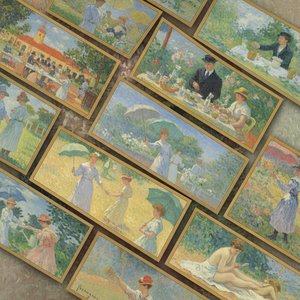
Πιέρ Ωγκύστ Ρενουάρ: Τα 25 Κορυφαία Έργα Τέχνης για Διακόσμηση με Στυλ
Ανακαλύψτε τα 25 κορυφαία έργα τέχνης του Πιέρ Ωγκύστ Ρενουάρ! Ιμπρεσιονισμός, ρομαντισμός & αριστουργήματα που εμπνέουν. Βρείτε αναπαραγωγές πινάκων υψηλής ποιότητας για διακόσμηση στο OriginalUniqueArt.com.

Οι 10 Κορυφαίοι Καμβάδες που Όρισαν τον Ιμπρεσιονισμό: Ένα Ταξίδι στην Φύση και την Τέχνη
Ανακαλύψτε τους 10 κορυφαίους πίνακες ιμπρεσιονισμού που καθόρισαν το τοπίο στην τέχνη! Μονέ, Ρενουάρ & άλλοι ζωγράφοι. Βρείτε αναπαραγωγές υψηλής ποιότητας για να εμπνεύσετε τον χώρο σας. Εξερευνήστε τη συλλογή στο OriginalUniqueArt.com

Impressionistic Realism's Finest: 10 Masterpieces for Your Home | OriginalUniqueArt
Journey through Impressionistic Realism with 10 iconic masterpieces by Monet, Renoir & Van Gogh. Explore art history, techniques & find museum-quality reproductions for your home at OriginalUniqueArt.com. Discover all masterpieces online!
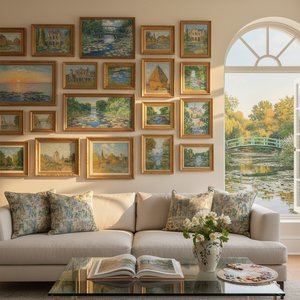
Κλόντ Μονέ: Τα 25 Εμβληματικότερα Έργα Τέχνης για Διακόσμηση με Στυλ
Ανακαλύψτε τα 25 εμβληματικότερα έργα του Κλόντ Μονέ! Ιμπρεσιονισμός, πίνακες με νεφέλες & νούφαρα. Αγοράστε αναπαραγωγές υψηλής ποιότητας για να εμπλουτίσετε τη διακόσμηση του σπιτιού σας. Εξερευνήστε την πλήρη συλλογή στο OriginalUniqueArt.com.

Οι 10 Κορυφαίοι Καμβάδες που Όρισαν τον Ιμπρεσιονισμό και το Τοπίο
Ανακαλύψτε τους 10 κορυφαίους πίνακες ιμπρεσιονισμού που καθόρισαν το τοπίο! Μονέ, Ρενουάρ & άλλοι. Ιστορίες τεχνικής και έμπνευσης. Βρείτε αναπαραγωγές υψηλής ποιότητας για τον χώρο σας στο OriginalUniqueArt.com