

 Δείτε σε πραγματικό χώρο
 Αποστολή
 Κοινοποίηση
 Λεπτομέρειες

 Λήψη
Λήψη
 Παρόμοια αντικείμενα συλλογής
 Ακτινογραφία
 Παρουσίαση
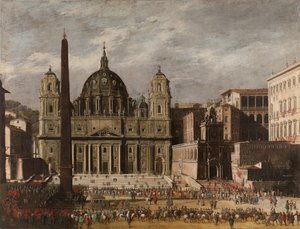
Temple ruins

 Διαβάστε περισσότερα
Χειροποίητη Αναπαραγωγή σε Έλαιο
Χειροποίητη oil painting σε καμβά στο δικό σας μέγεθος και πλαίσιο, κατά παραγγελία από τους καλλιτέχνες μας. ( Αγορά εκτύπωσης Αγορά ψηφιακής εικόνας)




































Επιλέξτε από τις προκαθορισμένες διαστάσεις μας που διατηρούν τις αρχικές αναλογίες του έργου τέχνης.

Μπορείτε να ορίσετε δικές σας διαστάσεις ώστε το έργο να ταιριάζει σε ένα συγκεκριμένο πλαίσιο ή χώρο. Εάν το επιλεγμένο μέγεθος δεν συμπίπτει με τις αναλογίες της αρχικής εικόνας, θα περικοψούμε το έργο ή θα επεκτείνουμε τη ζωγραφιά με πρόσθετα χειρόγραφα στοιχεία. Ένα ψηφιακό προσχέδιο θα σας αποσταλεί για έγκριση πριν την έναρξη της παραγωγής.
Παρακαλούμε σημειώστε ότι η προεπισκόπηση στην οθόνη δεν αντικατοπτρίζει την πραγματική περικοπή ή επέκταση. Μόνο το προσχέδιο θα δείξει με ακρίβεια την τελική σύνθεση.
Παρόλο που είναι διαθέσιμα προσαρμοσμένα μεγέθη, συνιστούμε να επιλέξετε μια διάσταση από τη λίστα των προκαθορισμένων μεγεθών για τη διατήρηση των αρχικών αναλογιών.
Μετά την παραγγελία, η ομάδα του OriginalUniqueArt.com θα στείλει email στον πελάτη με οδηγίες και θα παρέχει μια προεπισκόπηση προσχεδίου
Παγκόσμια Αποστολή () σε 3-4 εβδομάδες αντί για τις συνήθεις 5 εβδομάδες. (29 Αύγουστος). Χωρίς συμβιβασμούς στην ποιότητα.

Δωρεάν γρήγορη διεθνής αποστολή

Κάμβας από Λινό Υψηλής Ποιότητας

Πλήρης ασφάλιση μεταφοράς

Εγγύηση Επιστροφής Δασμών και Φόρων

Εγγύηση Απόλυτης Ομοιότητας Χρωμάτων

Πολιτική Επιστροφής 60 Ημερών (Μόνο σε περίπτωση ελαττωμάτων)

Εγγύηση επιστροφής 100% των χρημάτων

Προσφορά για μαζικές παραγγελίες
 Η επιλογή με γυαλί είναι διαθέσιμη μόνο για μεγέθη κάτω από 110 εκ.

Temple ruins
Μέσο Αναπαραγωγής
Διαστάσεις Αναπαραγωγής
-


Συνολική Τιμή
$ 425
Βιογραφία Καλλιτέχνη
The Architect of Baroque Visions
Viviano Codazzi stands as a pivotal figure in the Italian Baroque, an artist whose meticulous architectural paintings and evocative capricci cemented his place within the grand artistic landscape of the seventeenth century. Born in Bergamo, Italy, around 1604, his early life was shaped by the vibrant currents of the era. While biographical details remain somewhat sparse, evidence suggests he moved through the influential artistic circles of Rome and Naples, establishing himself as a master of perspective and light. His journey took him from the northern reaches of Italy to the sun-drenched studios of Naples, where he began to refine his skills in quadratura—the art of architectural perspective—setting the stage for a career defined by structural grandeur and historical nostalgia.
Codazzi’s fame rests primarily upon his architectural paintings, grand compositions that depict Roman ruins and idealized landscapes populated by figures rendered with remarkable realism. Unlike many of his contemporaries who focused on portraiture or mythological subjects, Codazzi dedicated himself to capturing the complexity of the built environment. He possessed a unique ability to breathe life into stone, using dramatic light and shadow to evoke the passage of time. His approach was often collaborative; he skillfully employed bamboccianti—specialized painters adept at creating realistic, everyday figures within architectural backgrounds. This technique, involving luminaries like Michelangelo Cerquozzi and Domenico Gargiulo, ensured a harmonious integration of human presence into monumental spaces, elevating his works beyond mere topographical representations into profound narratives of human existence amidst the ruins of antiquity.
Mastery of Light and Illusion
The technical brilliance of Codazzi lies in his ability to manipulate space and atmosphere. His works often feature capricci—architectural fantasies that blend real landmarks with imagined structures to create a sense of wonder. Through the use of deep shadows and brilliant highlights, he could guide the viewer's eye through labyrinthine corridors and across vast, sunlit piazzas. This mastery of light served not only to define form but also to instill a sense of melancholy and grandeur, reflecting the Baroque fascination with the ephemeral nature of power and the enduring strength of classical heritage.
His development as an artist was marked by several significant milestones:
- The Neapolitan Period: In Naples, Codazzi worked on prestigious commissions, such as those for the Certosa di San Martino, where he honed his ability to depict massive, imposing structures with startling clarity.
- The Madrid Commission: A landmark achievement arrived in 1633 when he undertook a series of four large canvases portraying scenes from Roman history for the Buen Retiro palace in Madrid. This project, which included a dramatic depiction of gladiatorial combat in the Colosseum, showcased his ability to convey epic scale and historical drama.
- The Roman Influence: His later years in Rome allowed him to engage with the city's topographical richness, using architectural treatises and prints to reconstruct the glory of the past for a contemporary audience.
Legacy and Historical Significance
The historical significance of Viviano Codazzi extends far beyond his own lifetime. He was more than just a painter of buildings; he was a storyteller of stone. By bridging the gap between realistic architectural documentation and imaginative fantasy, he paved the way for the 18th-century vedutisti. His influence can be traced directly to later masters such as Giovanni Paolo Panini, who would further refine the genre of the architectural view. Codazzi’s ability to evoke the weight of history through the texture of a crumbling column or the play of light on a marble frieze left an indelible mark on the European tradition of landscape and architectural painting.
Today, his works remain essential for understanding the Baroque psyche—a period caught between the reverence for classical antiquity and the burgeoning realism of the modern age. Through his canvases, we are invited to walk through the ruins of a lost world, experiencing the same sense of awe and contemplation that captivated his original patrons in the courts of Europe. His legacy lives on in every brushstroke that captures the eternal dialogue between humanity and the monuments we leave behind.
Viviano Codazzi
1604 - 1670 , Italy
Γρήγορα στοιχεία
- Artistic Movement Or Style: Baroque
- Artists Or Movements Influenced By This Artist:
- Bartolomeo Gennari
- Giovanni Battista Gaulli
- Artists Who Influenced This Artist: ['Michelangelo Merisi da Caravaggio']
- Date Of Birth: Bergamo, Italy (1604)
- Date Of Death: 1670
- Full Name: Viviano Codazzi
- Nationality: Italian
- Notable Artworks:
- The Pantheon, Rome
- Classical Ruins with Figures in the Evening
- An architectural fantasy
- Place Of Birth: Valsassina, Bergamo
Σχετικά άρθρα

Drama in Nature: The Captivating Grandeur of Baroque Landscapes and the Art of Emotional Spectacle
Explore the breathtaking drama of Baroque landscapes. From Rubens's grand vistas to the mastery of chiaroscuro, discover how 17th-century artists transformed nature into a theatrical stage of emotion and light. A deep dive for true art enthusiasts.

Epic Drama & Dark Vibes: The Ultimate Collector's Guide to Baroque Landscapes
Master the art of drama with our ultimate guide to Baroque landscapes. Discover the power of chiaroscuro, explore legendary masters, and learn how to curate epic, dark-vibe masterpieces for your collection with expert insights from OriginalUniqueArt.

Drama and Light: A Definitive Guide to the Italian Baroque Masterpieces and the Revolution of Chiaroscuro
Explore the dramatic world of Italian Baroque art. Discover how masters like Caravaggio used chiaroscuro and tenebrism to revolutionize painting through light, shadow, and profound realism. A definitive guide for history lovers and art collectors.

Shadow, Light, and Spectacle: The Dramatic Evolution of Baroque Landscape Painting
Explore the breathtaking drama of Baroque landscapes. Our expert guide delves into the interplay of light and shadow in 17th-century masterpieces. Discover art history and find museum-quality, hand-painted oil reproductions to bring classical grandeur to your home.
The Art of Italian Living: Transform Your Home with Timeless Landscapes and Renaissance Masterpieces
Elevate your home with the timeless romance of Italy. Discover expert-curated, hand-painted Italian landscapes and Renaissance-inspired masterpieces. From bespoke oil reproductions to custom portraits from photos, transform your space with elegance and artistic passion.

