

 Προεπισκόπηση σε πραγματική κλίμακα
 Αποστολή
 Κοινοποίηση
 Λεπτομέρειες
 Οδηγός

 Λήψη
Λήψη
 Παρόμοια αντικείμενα συλλογής
 Ακτινογραφία
 Παρουσίαση
 Στατιστικά
The Dead Christ
 Oil On Canvas
- WallArt
- Baroque Revival
 1520
1520 145.0 x 185.0 cm
 Στατιστικές Μουσεία
 Περισσότερα
Χειροποίητη Αναπαραγωγή σε Έλαιο
Χειροποίητη ελαιογραφία σε καμβά στο δικό σας μέγεθος και πλαίσιο, κατά παραγγελία από τους καλλιτέχνες μας. ( Μετάβαση σε Εκτυπώσεις Μετάβαση σε Ψηφιακή Αποτέλεσμα)




P118B €10

P118H €10

P118W €10

P438Z €10

P508JH €12

P508YH €12

P805H €10

P805Z €10

P919BZ €10

P919G €10

P919XJ €10

P959ZH €10

P968JZ €12

W106C €8

W218G €10

W218JH €8

W218Y €10

W307PJ €10

W316G €10

W316PJ €8

W316Y €10

W398PJ €8

W4111J €10

W500HY €15

W500JH €15

W692G €12

W849H €8

W940BG €15

W953PJ €8




Επιλέξτε από τις προκαθορισμένες διαστάσεις μας που διατηρούν τις αρχικές αναλογίες του έργου τέχνης.

Πληκτρολογήστε το πλάτος και το ύψος που επιθυμείτε, ώστε να ταιριάζουν στο κάδሮ ή στον τοίχο σας. Ε เนื่องจาก πρόκειται για χειροποίητη ζωγραφική, σε περίπτωση διαστάσεων με διαφορετικό σχήμα, ο καλλιτέχνης μπορεί να ζωγραφίσει λίγο παραπάνω γύρω από το έργο ή να αφαιρέσει ένα μέρος — η επιλογή είναι δική σας. Σας στέλνουμε ένα ψηφιακό mockup για έγκριση πριν ξεκινήσει η δημιουργία του έργου. Η εικόνα που εμφανίζεται σε αυτή τη σελίδα δεν δείχνει το τελικό αποτέλεσμα — μόνο το mockup το αναδεικνύει.
Μετά την παραγγελία, η ομάδα του OriginalUniqueArt.com θα στείλει email στον πελάτη με οδηγίες και θα παρέχει μια προεπισκόπηση προσχεδίου
Παγκόσμια Αποστολή () σε 3-4 εβδομάδες αντί για τις συνήθεις 5 εβδομάδες. (26 Οκτώβριος). Χωρίς συμβιβασμούς στην ποιότητα.

Δωρεάν γρήγορη διεθνής αποστολή

Κάμβας από Λινό Υψηλής Ποιότητας

Πλήρης ασφάλιση μεταφοράς

Εγγύηση επιστροφής δασμών και φόρων εισαγωγής

Εγγύηση Απόλυτης Ομοιότητας Χρωμάτων

Πολιτική Επιστροφής 100 Ημερών (Μόνο σε περίπτωση ελαττωμάτων)

Εγγύηση επιστροφής 100% των χρημάτων

Προσφορά για πολλαπλές παραγγελίες
 Η επιλογή με γυαλί είναι διαθέσιμη μόνο για μεγέθη κάτω από 110 εκ.

The Dead Christ
Μέσο Αναπαραγωγής
Διαστάσεις Αναπαραγωγής
-


Τελική Τιμή
€ 263
A Somber Reflection on Mortality: Vittore Carpaccio’s “The Dead Christ”
Vittore Carpaccio's "The Dead Christ," painted circa 1520, stands as a poignant testament to the artistic sensibilities of Venice during the High Renaissance. More than just a depiction of religious iconography—the lifeless body of Jesus cradled by grieving figures—it embodies a profound meditation on death and mourning, reflecting the anxieties prevalent in a period grappling with theological upheaval and humanist inquiry. This monumental canvas (145 x 185 cm) resides within the Gallerie dell’Accademia, offering visitors an unparalleled opportunity to experience Carpaccio's masterful execution of narrative painting.Style and Influences: A Conservative Voice Amidst Change
Carpaccio distinguishes himself from his contemporaries through a remarkably restrained artistic style. Unlike the burgeoning humanist movement that championed classical ideals and vibrant color palettes—evident in works by Giovanni Bellini and Andrea Mantegna—Carpaccio adhered to a more conservative approach, prioritizing clarity of form and emotional resonance over stylistic innovation. His visual vocabulary draws heavily from Antonello da Messina’s influence, particularly his meticulous attention to detail and use of oil paint, alongside early Netherlandish art's emphasis on realism and psychological depth. This confluence resulted in an aesthetic that prioritizes solemn contemplation rather than dramatic spectacle.Technique: The Art of Layered Detail
Carpaccio employed a technique characterized by painstaking layering—a hallmark of Venetian painting at the time—to achieve remarkable textural richness and luminosity. He meticulously built up his composition using thin glazes of oil paint, allowing underlying pigments to subtly interact and create nuanced tonal variations. This method ensured that every surface was rendered with meticulous precision, capturing the contours of Christ’s body and the expressions of sorrowful onlookers alike. The artist skillfully utilized chiaroscuro—the dramatic interplay between light and shadow—to heighten the emotional impact of the scene, directing viewers' gaze towards the central figure and emphasizing the solemn atmosphere.Historical Context: Grief and Remembrance in Renaissance Venice
Painted during a time marked by religious fervor and intellectual debate, “The Dead Christ” speaks to the broader cultural concerns of Renaissance Venice. The depiction of mourning figures—a common motif in devotional art—reflects the pervasive preoccupation with mortality and the desire for spiritual solace amidst uncertainty. Carpaccio’s work aligns itself with the theological debates surrounding indulgences and papal authority, subtly conveying a sense of humility before divine judgment. Furthermore, it underscores the importance of remembrance and veneration within Christian tradition.Symbolism: The Body as Emblematic Representation
The central image—the crucified Christ—serves as an enduring symbol of sacrifice and redemption. Carpaccio’s portrayal emphasizes the physicality of Christ's suffering, grounding the theological narrative in tangible reality. The surrounding figures—primarily mourners—represent humanity grappling with grief and loss, mirroring the universal experience of mortality. Their gestures of compassion and sorrow underscore the importance of empathy and spiritual contemplation. The inclusion of a tree nearby – a traditional symbol of life and resurrection – subtly reinforces the overarching theme of hope amidst despair.Emotional Impact: A Profound Meditation on Suffering
“The Dead Christ” transcends mere visual representation; it evokes a powerful emotional response in viewers. Carpaccio’s masterful use of color—primarily muted browns and reds—creates an atmosphere of solemnity and melancholy, mirroring the profound sorrow experienced by those witnessing the crucifixion. The artist's meticulous attention to detail captures not only the physical appearance of Christ but also the psychological state of his mourners, fostering a sense of empathy and prompting reflection on themes of faith, grief, and human vulnerability. It remains an enduring masterpiece—a poignant reminder of humanity’s capacity for compassion and its unwavering belief in spiritual transcendence.Ερωτήσεις και Απαντήσεις
Ποια είναι η προτεινόμενη χρήση μιας εκτύπωσης του "The Dead Christ";
Η προτεινόμενη χρήση μιας εκτύπωσης του "The Dead Christ" είναι η Statement.
Πόσο αρμονικά συνδυάζονται τα χρώματα του "The Dead Christ";
Η χρωματική αρμονία του "The Dead Christ" περιγράφεται ως Strong Color Unity.
Είναι διαθέσιμη λήψη υψηλής ανάλυσης του "The Dead Christ";
Για να αποκτήσετε ένα ψηφιακό αρχείο του "The Dead Christ" του Βιττόρε Καρπάτσιο, παραγγάστε το λήψη ψηφιακής εικόνας υψηλής ανάλυσης στη σελίδα Ψηφιακό Αρχείο Εικόνας.
Βιογραφικό Καλλιτέχνη
πρώιμη ζωή και εκπαίδευση
Βιττόρε Καρπάτσιο, ένας διακεκριμένος Ιταλός ζωγράφος, γεννήθηκε στη Βενετία γύρω στο 1465. Σπούδασε υπό την καθοδήγηση του Τζεντίλε Μπελίνι, ενός διασημότετου καλλιτέχνη της βενετσιάνικης σχολής. Αυτή η μαθητεία αποτέλεσε το θεμέλιο για την μετέπειτα επιτυχία του Καρπάτσιο.καλλιτεχνικό στυλ και επιρροές
Το στυλ του Καρπάτσιο χαρακτηριζόταν από την συντηρητική του φύση, παρουσιάζοντας ελάχιστη επίδραση από τις ανθρωπιστικές τάσεις που μετέτρεψαν τη ζωγραφική της Ιταλικής Αναγέννησης κατά τη διάρκεια της ζωής του. Το έργο του επηρεάστηκε από το στυλ του Αντενόλο Ντα Μεσίνα και την πρώιμη νε덜λανδική τέχνη. Αυτός ο μοναδικός συνδυασμός στυλ οδήγησε σε μια ιδιαίτερη προσέγγιση στη βενετσιάνικη ζωγραφική.σημαντικά έργα
- Η Λεγένδα της Αγίας Ουρсуλα, ένας κύκλος εννέα πινάκων, είναι το πιο διάσημο έργο του Καρπάτσιο. Αυτή η σειρά, η οποία στεγάζεται σήμερα στη Gallerie dell'Accademia, αναδεικνύει την τεχνική του στην αφηγηματική ζωγραφική.
- Το altarpiece της δόξας της Αγίας Ουρσούλα (1491) επιδεικνύει την ικανότητα του Καρπάτσιο στην αλληλεπίδραση φωτός και χρώματος, θυμίζοντας το στυλ του Τζιοβάννι Μπελίνι.
- Το θαύμα με τοrelic του σταυρού στο Ponte di Rialto (1494) αναδεικνύει την ικανότητα του Καρπάτσιο να εξισορροπεί τη σύνθεση και την αφήγηση.
κορυφαία moments της καριέρας και κληρονομιά
- Τα κύρια έργα του Καρπάτσιο εκτελέστηκαν μεταξύ 1490 και 1519, τοποθετώνοντάς τον ανάμεσα στους πρώτους δασκάλους της βενετσιάνικης αναγέννησης.
- Το οριενταλιστικό του στυλ, όπως φαίνεται στο Άγιος Γεώργιος βαπτίζοντας τους Σελητίτες, αντανακλά έναν νέο γοητευμό με τον Λέवंत.
- Το έργο του Καρπάτσιο έχει παραβληθεί κάπως σε σύγκριση με τους συνzeitigς του, όπως ο Τζιοβάννι Μπελίνι ή ο Τζόρτζιοने.
αναφορές και περαιτέρω ανάγνωση
Ανακαλύψτε περισσότερα για τον Βιττόρε Καρπάτσιο και τη βενετσιάνικη σχολή στο OriginalUniqueArt.
Βιττόρε Καρπάτσιο
1465 - 1526 , Ιταλία
Γρήγορα στοιχεία
- Artistic Movement Or Style: Early Venetian Renaissance
- Artists Who Influenced This Artist:
- Gentile Bellini
- Antonello da Messina
- Date Of Birth: Venice, Italy (c. 1465)
- Date Of Death: Koper, 1526
- Full Name: Vittore Carpaccio
- Nationality: Italian
- Notable Artworks:
- The Legend of Saint Ursula
- Glory of St. Ursula Altarpiece
- Miracle of the Relic of the Cross at the Ponte di Rialto
- Place Of Birth: Venice
Σχετικά άρθρα
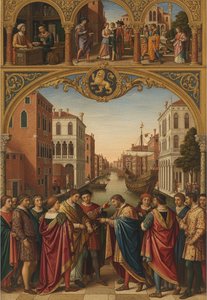
Vittore Carpaccio: Venetian Renaissance Narrative & the Poetics of Detail
Explore the captivating world of Vittore Carpaccio, a master storyteller of the Venetian Renaissance. Discover his intricate details, narrative cycles like 'The Legend of St. Ursula,' and unique artistic style.

The Enduring Power of Painting: A Historical & Contemporary Exploration of Form and Emotion
Explore the rich history & enduring techniques of oil painting with OriginalUniqueArt. Discover masterpieces, learn about art collecting, and find authentic handmade reproductions crafted by skilled artists.
Oil on Panel: The Ultimate Guide to Bold, High-Impact Texture & Depth
Master the art of impact with our expert guide to oil on panel. Discover how impasto textures and heavy-body pigments create 3D depth and bold visual energy for modern interiors. Elevate your space with high-impact, hand-painted masterpieces designed for maximum aesthetic punch.

The Enduring Legacy of Oil on Canvas: Technique, History & Aesthetic Impact
Explore the rich history & techniques of oil painting – from Renaissance masters to Impressionism. Discover pigments, layering methods, and why this timeless medium endures. Expert insights for artists & art enthusiasts.

Oil on Canvas: A Historical & Technical Exploration of a Timeless Artistic Medium
Explore the rich history & enduring techniques of oil painting on canvas. Discover the science behind its longevity, conservation practices, and contemporary relevance. Expert insights for art enthusiasts.


