

 Αποστολή
 Κοινοποίηση
 Λεπτομέρειες

 Λήψη
Λήψη
 Παρόμοια αντικείμενα συλλογής
 Παρουσίαση
Spyrogyra
 Sculpture Bronze
- Contemporary Realism
 1992
1992 220.0 x 210.0 cm
 Γκαλερί Τέχνης Νέας Νοσάουθ Γουόλες
 Διαβάστε περισσότερα
Giclée / Εκτυπώσεις Τέχνης
Εκτύπωση giclée ή σε καμβά ποιότητας μουσείου με γρήγορη παραγωγή και ευέλικτες επιλογές φινιρίσματος. ( Αγορά χειροποίητου πίνακα Αγορά ψηφιακής εικόνας)




































Επιλέξτε από τις προκαθορισμένες διαστάσεις μας που διατηρούν τις αρχικές αναλογίες του έργου τέχνης.

Μπορείτε να εισαγάγετε δικές σας διαστάσεις ώστε να ταιριάξουν με ένα συγκεκριμένο πλαίσιο ή χώρο. Εάν το επιλεγμένο μέγεθος δεν συμπίπτει με τις αναλογίες της πρωτότυπης εικόνας, θα κόψουμε το έργο τέχνης ή θα επεκτείνουμε την εικόνα με καθρεφτισμένη ή μονόχρωμη ατέλεια. Θα σας αποσταλεί ένα ψηφιακό mockup για έγκρισή σας πριν από την έναρξη της παραγωγής.
Παρακαλούμε σημειώστε ότι η προεπισκόπηση στην οθόνη δεν αντικατοπτρίζει την πραγματική κοπή ή επέκταση. Μόνο το mockup θα δείξει με ακρίβεια την τελική σύνθεση.
Παρόλο που είναι διαθέσιμες προσαρμοσμένες διαστάσεις, προτείνουμε την επιλογή μιας διάστασης από τη προκαθορισμένη λίστα για τη διατήρηση των αρχικών αναλογιών.
Παγκόσμια Αποστολή () σε 2 εβδομάδες αντί για τις συνήθεις 4/5 εβδομάδες. (28 Αύγουστος)

Δωρεάν γρήγορη διεθνής αποστολή

Κάμβας από Λινό Υψηλής Ποιότητας

Πλήρης ασφάλιση μεταφοράς

Εγγύηση Επιστροφής Δασμών και Φόρων

Εγγύηση Απόλυτης Ομοιότητας Χρωμάτων

Πολιτική Επιστροφής 60 Ημερών (Μόνο σε περίπτωση ελαττωμάτων)

Εγγύηση επιστροφής 100% των χρημάτων

Προσφορά για μαζικές παραγγελίες
 Η επιλογή με γυαλί είναι διαθέσιμη μόνο για μεγέθη κάτω από 110 εκ.

Spyrogyra
Giclée / Εκτυπώσεις Τέχνης
Διαστάσεις Αναπαραγωγής
-


Συνολική Τιμή
$ 80
Tony Cragg’s Spyrogyra: A Spiral Dance Between Form and Function
Tony Cragg's "Spyrogyra," created in 1992, stands as a cornerstone of British sculpture from the early 1990s—a testament to his unwavering commitment to exploring innovative materials and challenging conventional sculptural aesthetics. Unlike many artists of his time who sought to emulate established styles, Cragg deliberately rejected stylistic constraints, prioritizing instead a conceptual framework rooted in scientific observation and a fascination with natural processes.
The sculpture’s genesis lies in the artist's deliberate scavenging of discarded objects—primarily colored plastic fragments gleaned from the Thames embankment. These unassuming materials were transformed into an arresting spiral structure composed of glass bottles meticulously arranged to create a visually dynamic composition. Measuring 220 x 210 cm, “Spyrogyra” immediately confronts viewers with its monumental scale and unconventional materiality.
- Material Exploration: Cragg’s masterful manipulation of plastic fragments exemplifies his pioneering approach to assemblage—a movement that championed repurposing industrial waste as artistic medium. The choice of glass bottles wasn't merely pragmatic; it served as a deliberate reference to the DNA helix, symbolizing interconnectedness and organic growth.
- Geometric Abstraction: Despite its seemingly random arrangement, “Spyrogyra” adheres to a rigorously defined system—a characteristic born from Cragg’s formative education in British art schools where logical processes reigned supreme. This structured approach contrasts sharply with the prevailing trend of stylistic imitation and underscores Cragg's belief that form should derive inspiration from underlying principles.
- Conceptual Dialogue: The sculpture engages directly with the legacy of conceptual art, specifically Duchamp’s “Egouttoir” (bottle rack), 1914—a seminal work that questioned the very notion of artistic taste and elevated commonplace objects to the realm of high art. Cragg's piece echoes this provocative gesture, prompting contemplation on the role of materiality within artistic expression.
Beyond its formal considerations, “Spyrogyra” possesses a palpable emotional resonance—a quiet grandeur that invites viewers to consider the beauty inherent in unexpected combinations and the transformative potential of repurposing discarded materials. It embodies Cragg’s conviction that art can communicate profound ideas without resorting to overt ornamentation or stylistic convention.
The artwork is credited to Mervyn Horton Bequest Fund 1997 and resides at The Art Gallery of New South Wales, Sydney. Accession number 292.1997 © Anthony Cragg.
Βιογραφία Καλλιτέχνη
The Architect of Fragmented Forms
Sir Anthony Cragg, a titan of British contemporary sculpture, possesses the rare ability to breathe life into the inanimate. Born in Liverpool in 1949, Cragg’s artistic consciousness was shaped by an early mastery of painting, yet it was his profound fascination with the three-dimensional realm that would eventually redefine the boundaries of modern sculpture. His journey through the Gloucestershire College of Arts and Technology and Wimbledon School of Art provided a rigorous foundation, but it was his move to Germany in 1977 that acted as a true catalyst, thrusting him into an international dialogue with the avant-garde and expanding his sculptural vocabulary beyond the limits of traditional medium.
In the early stages of his career, Cragg emerged as a pioneer of the assemblage movement, finding profound beauty in the discarded and the mundane. He possessed a singular vision for transforming everyday detritus—stacked chairs, weathered tables, and forgotten boxes—into complex, rhythmic reliefs. Through works such as “Stack” (1975), he demonstrated an uncanny ability to manipulate spatial arrangement and color, turning fragments of plastic and wood into vibrant geometric abstractions. This period was defined by a philosophical rejection of representational imagery; instead, Cragg sought to distill visual language into its purest essence, forcing the viewer to confront the raw energy of form and texture without the distraction of recognizable subjects.
Evolution of Material and Motion
As his career progressed through the mid-1970s and into the 1980s, Cragg’s ambitions grew from the intimate scale of wall-mounted reliefs to the monumental presence of large-scale installations. He began to bridge the gap between architecture and sculpture, creating works that engaged aggressively with the spaces they inhabited. His mastery over diverse materials—ranging from the industrial coldness of fiberglass to the timeless weight of bronze—allowed him to explore a spectrum of textures and densities. In pieces like “Red Indian” (1982–3), one can observe his meticulous method of arranging individual fragments to generate larger, more complex images that simultaneously evoke organic, natural growth and rigid, geometric precision.
The brilliance of Cragg’s development lies in his ability to navigate the tension between the artificial and the biological. His later series, such as 'Early Forms' and 'Rational Beings', showcase a sculptor deeply invested in the concept of emergence—the way complex structures arise from simple components. His sculptures often appear to be in a state of flux, caught in a moment of transformation or unfolding. This sense of kinetic energy, even within static bronze or resin, creates a psychological depth that challenges our perceptions of stability and permanence.
Legacy and Artistic Significance
The historical significance of Sir Anthony Cragg cannot be overstated; he has fundamentally altered the trajectory of contemporary sculpture by dismantling the distinction between found objects and fine art. His work serves as a bridge between the sculptural traditions of the past and the fragmented, multi-material reality of the present. By treating the fragment not as a broken piece, but as a building block for new realities, he has provided a visual language for an era defined by complexity and interconnectedness.
Today, Cragg remains a vital force in the global art scene, his influence felt in the way contemporary artists approach materiality and spatial intervention. His achievements are marked by:
- Innovation in Assemblage: Redefining the use of discarded materials to create high-art aesthetics.
- Material Versatility: The seamless integration of fiberglass, bronze, and plastic into a cohesive sculptural language.
- Spatial Dialogue: A profound ability to transform architectural environments through monumental installations.
- Philosophical Depth: Exploring the intersection of geometric abstraction and organic, biological forms.

Tony Cragg
1949 -
Γρήγορα στοιχεία
- Artistic Movement Or Style: Assemblage art
- Artists Who Influenced This Artist:
- Robert Irwin
- Donald Judd
- Date Of Birth: 1949
- Date Of Death: Living
- Full Name: Tony Cragg
- Nationality: British
- Notable Artworks:
- Axehead
- Opening Spiral
- Dining Motions
- Place Of Birth: Liverpool, UK
Σχετικά άρθρα

Οι 10 Κορυφαίοι Χάλκινοι Αγάλματα που Άλλαξαν την Ιστορία της Τέχνης | OriginalUniqueArt.gr
Ανακαλύψτε τα 10 θρυλικά χάλκινα αγάλματα που διαμόρφωσαν την τέχνη! Από τον Rodin στον Michelangelo, εξερευνήστε ιστορίες, τεχνικές & αισθητική. Βρείτε αντίγραφα υψηλής ποιότητας για το σπίτι σας στην OriginalUniqueArt.com.

The Enduring Form: Exploring Themes & Techniques in Sculpture Across Historical Periods
Explore the rich history of sculpture from ancient masterpieces to contemporary innovations. Discover key techniques, influential artists & investment potential for discerning art collectors.

The Enduring Form: Sculpture Across History, Technique & Emotional Resonance
Explore the rich history of sculpture with OriginalUniqueArt. Discover key techniques, influential artists & investment potential for discerning collectors. Expert insights into valuing and collecting timeless masterpieces.

Οι 10 Κορυφαίοι Χάλκινοι Θρύλοι που Άλλαξαν την Τέχνη – Έμπνευση για το Σπίτι σας
Ανακαλύψτε τα 10 θρυλικά χάλκινα γλυπτά που επαναπροσδιόρισαν την τέχνη! Ιστορίες από Rodin, Degas & άλλους μεγάλους καλλιτέχνες. Βρείτε αναπαραγωγές υψηλής ποιότητας για να εμπνεύσετε το σπίτι σας. Εξερευνήστε τη συλλογή στο OriginalUniqueArt.com.
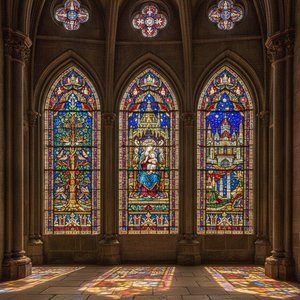
Luminous Masterpieces: The Captivating Beauty and Timeless Elegance of Stained Glass Artworks
Embark on a visual journey through the luminous world of stained glass art. Discover the exquisite craftsmanship, historical significance, and captivating beauty of masterworks from Art Nouveau to the Gothic era, curated for the discerning fine art enthusiast.

