() ·
Ένα έργο ζωγραφικής φτιαγμένο για εσάς, με το χέρι
Χειροποίητη Αναπαραγωγή σε Έλαιο
Χειροποίητη ελαιογραφία σε καμβά στο δικό σας μέγεθος και πλαίσιο, κατά παραγγελία από τους καλλιτέχνες μας. ( Μετάβαση σε Εκτυπώσεις Μετάβαση σε Ψηφιακή Αποτέλεσμα)
Βιογραφικό Καλλιτέχνη
Explore the portraits of Thomas Murray (1663-1734), a prominent Scottish painter known for his face-painting style & works featuring royalty & nobility.
 Περισσότερα
από ·
Κεφάλαιο 1
Ποιο μέγεθος θα έπρεπε να έχει;
Ανακινήστε το ρυθμιστικό για να αλλάξετε το μέγεθος· η εικόνα στα αριστερά δείχνει το κάδρο στο πραγματικό του πλάτος. Οι αναλογίες του πρωτοτύπου διατηρούνται.
Επιλέξτε από τις προκαθορισμένες διαστάσεις μας που διατηρούν τις αρχικές αναλογίες του έργου τέχνης.

Πληκτρολογήστε το πλάτος και το ύψος που επιθυμείτε, ώστε να ταιριάζουν στο κάδሮ ή στον τοίχο σας. Ε เนื่องจาก πρόκειται για χειροποίητη ζωγραφική, σε περίπτωση διαστάσεων με διαφορετικό σχήμα, ο καλλιτέχνης μπορεί να ζωγραφίσει λίγο παραπάνω γύρω από το έργο ή να αφαιρέσει ένα μέρος — η επιλογή είναι δική σας. Σας στέλνουμε ένα ψηφιακό mockup για έγκριση πριν ξεκινήσει η δημιουργία του έργου. Η εικόνα που εμφανίζεται σε αυτή τη σελίδα δεν δείχνει το τελικό αποτέλεσμα — μόνο το mockup το αναδεικνύει.
Κεφάλαιο 2
Πώς θα πρέπει να παραδοθεί;
Επιλέξτε τις πλευρές του τεντωμένου καμβά
Επιλέξτε το πλαίσιο σας

Λευκό €1

Αντιστροφή με θολό φινίρισμα €1

Εκτεταμένη περιφέρεια €1

P118B €10

P118H €10

P118W €10

P438Z €10

P508JH €12

P508YH €12

P805H €10

P805Z €10

P919BZ €10

P919G €10

P919XJ €10

P959ZH €10

P968JZ €12

W106C €8

W218G €10

W218JH €8

W218Y €10

W307PJ €10

W316G €10

W316PJ €8

W316Y €10

W398PJ €8

W4111J €10

W500HY €15

W500JH €15

W692G €12

W849H €8

W940BG €15

W953PJ €8

H24-GOLD €30

H24-SILVER €30

H36-GOLD €45

H36-SILVER €45
Με πλαίσιο
Πλαισίωμα: . Συνολικές διαστάσεις με το πλαίσιο: .
Κεφάλο 3
Ποιος το ζωγραφίζει και πρέπει να αλλάξει κάτι;
Μετά την παραγγελία, η ομάδα του OriginalUniqueArt.com θα στείλει email στον πελάτη για οδηγίες και θα παρέχει μια προεπισκόπηση (mockup)
Παγκόσμια Αποστολή () σε 3-4 εβδομάδες αντί για τις συνήθεις 5 εβδομάδες. (7 Νοέμβριος). Χωρίς συμβιβασμούς στην ποιότητα.
Κεφάλαιο 4
Οι τελευταίες πινελιές
Μια πινακίδα με πληροφορίες, όπως σε ένα μουσείο;
Λεπτομέρειες Χάραξης σε Πλακέτα Χαλκού
This elegant plaque features the artist's name and the title of the artwork, finely engraved for a timeless presentation.
It is made from bronze with a refined, elegant finish. The text is precisely laser-engraved for a sharp and permanent result. Measuring 9x2 cm, the plaque is compact yet easy to read. It's built to be durable and scratch-resistant, offering a professional, museum-quality look. Mounting is simple thanks to the included adhesive backing.
Λεπτομέρειες Διαφανούς Ακρυλικής Πλακίδας
The plaque includes essential engraved details such as the artist's name, the title of the artwork, the date it was created, the type of media used-like oil on canvas or watercolor-a brief description of the piece, and a QR code that links to the complete artwork information.
It is crafted from clear acrylic, offering a sleek, modern appearance. The text is UV-engraved in black to ensure strong visual contrast. With a size of 10x15 cm, it ensures optimal readability. It comes equipped with two metal hooks for secure wall mounting. The plaque is designed to be weather-resistant, making it suitable for various environments, and it includes interactive features that work seamlessly with smartphone scanning.
Λεπτομέρειες Πλακίδας Ακρυλικού Μαύρου Χρώματος
This elegant plaque includes engraved information such as the artist's name, the title of the artwork, the date it was created, the type of media used (like oil on canvas or watercolor), a short description of the artwork, and a QR code for quick access to more information.
The plaque itself is made from refined black acrylic with a premium finish. The text is laser-engraved in white for high contrast and readability. Its size is 10x15 cm, designed to be easy to read. It comes with two metal hooks for professional mounting. The design is sleek and fits any interior style. It is also weather-resistant and durable, with built-in digital integration for mobile compatibility.
Προστατευτικό βερνίκι;
Πότε θα το χρειαστείτε;
Κεφάλαιο 5
Το έργο σας, ακριβώς όπως το παραγγείλατε

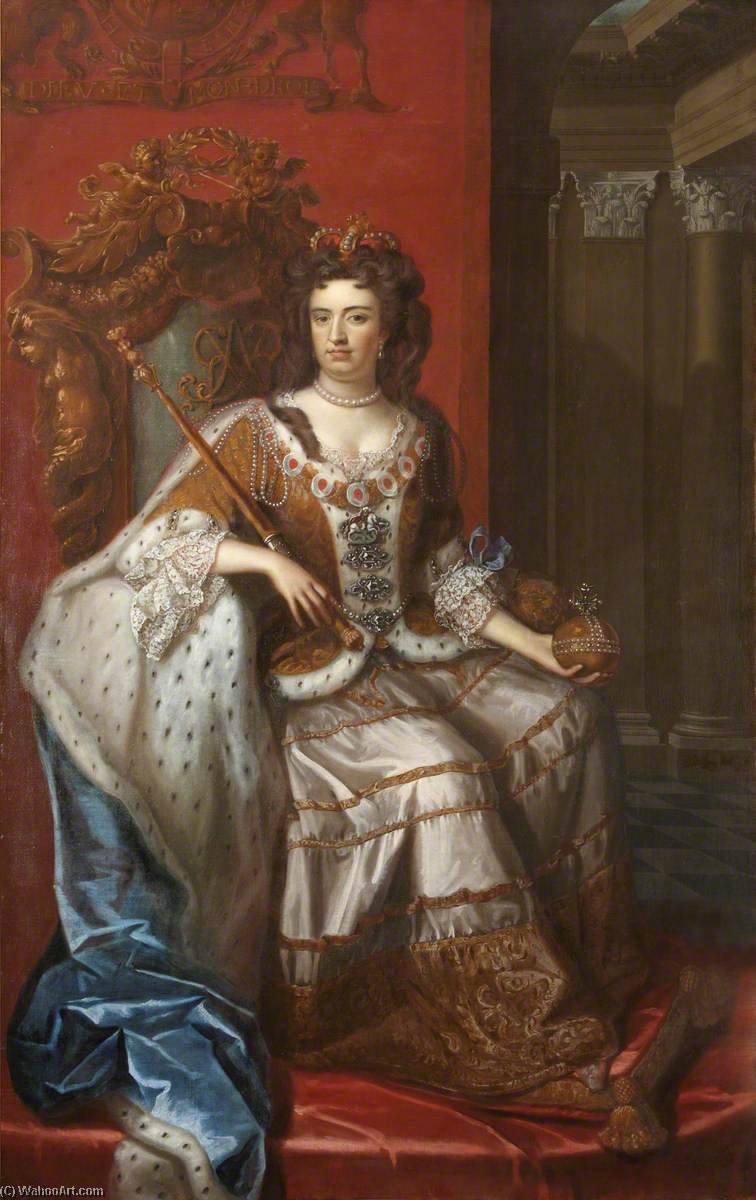
Queen Anne (1665–1714)
Μέσο Αναπαραγωγής
Διαστάσεις Αναπαραγωγής
-

Κορυφαίος Καλλιτέχνης
Περισσότερη λεπτομέρεια, φινέτσα και επιπλέον χρόνος παραγωγής
-

Πλαίσιο Αναπαραγωγής
-
-
Για έργα τέχνης ή αναπαραγωγές με πλευρά υπερβαίνουσα των 105 εκ. (περίπου 41 ίντσες), το πλαίσιο θα αποσταλεί αποσυναρμολογημένο, σε μορφή κιτ. Η μέθοδος αυτή διασφαλίζει την ασφαλή παράδοση και προλαμβάνει τυχόν ζημιές κατά τη μεταφορά.
Απαιτείται επαγγελματικός συναρμολογητής - δεν πρόκειται για προϊόν αυτοσυναρμολογίας (DIY).
Το κιτ πρέπει να συναρμολογηθεί και ο καμβάς να τεντωθεί από έμπειρο επαγγελματία πλαίσιο (framer), με τη χρήση κόλλας ξύλου (δεν περιλαμβάνεται), πένσας για ένταση καμβά και σφιγκτήρων, ώστε να διατηρηθεί η ορθογωνιότητα των δοκών κατά τη διάρκεια της ξędρανσης. Η λανθασμένη συναρμολόγηση ή η ανισόρροπη ένταση του καμβά μπορεί να προκαλέσει μόνιμη ζημιά στο έργο και δεν καλύπτεται από την εγγύησή μας.
 Για έργα τέχνης ή αναπαραγωγές με πλευρά υπερβαίνουσα των 105 εκ. (περίπου 41 ίντσες), το πλαίσιο θα αποσταλεί αποσυναρμολογημένο, σε μορφή κιτ. Η μέθοδος αυτή διασφαλίζει την ασφαλή παράδοση και προλαμβάνει τυχόν ζημιές κατά τη μεταφορά.
Περιλαμβάνονται όλες οι μπάρες από μασίφ ξύλο, κομμένες με ακρίβεια στις διαστάσεις τους.
Συναρμολογείται με τις παρεχόμενες βίδες, καθώς και με κόλλα ξύλου για τις γωνιακές ενώσεις, η οποία δεν περιλαμβάνεται και θα πρέπει να προμηθευτεί από τον τεχνίτη σας.
Απαιτούνται επαγγελματικά εργαλεία που δεν περιλαμβάνονται: μια πένσα για σφίξιμο καμβά (τενωτήρας) και σφιγκτήρες για τη διατήρηση της ορθογωνιότητας των καρέ κατά τη διάρκεια της απορρόφησης της κόλλας.
Σημαντικό:
Οι γωνιακές ενώσεις απαιτούν κόλλα ξύλου, οι σπορ πρέπει να συγκρατούνται με σφιγκτήρες μέχρι να στεγνώσει πλήρως η κόλλα, και για την ένταση του καμβά στο συναρμολογημένο πλαίσιο απαιτείται μια πένσα για ένταση καμβά. Κανένα από αυτά δεν περιλαμβάνεται στο σετ. Παρακαλούμε συμβουλευτείτε έναν έμπειρο επαγγελματία κάδραρχο πριν παραγγείλετε αυτό το μέγεθος.

Πληροφορίες έργου
-
-

Βερνίκι Προστασίας
Γυαλιστερό Βερνίκι (ενισχύει τα χρώματα, προστατεύει από το φως και την υγρασία)
-

Προσαρμογή του έργου μου
Παραδείγματα αλλαγών που είναι δυνατές: Αντικατάσταση προσώπου με φωτογραφία του πελάτη· Προσθήκη κατοικίδιου (π.χ., αντικατάσταση γάτας με σκύλο)· Ενσωμάτωση κρυφού μηνύματος στο φόντο· Αλλαγή τοπίου ή στοιχείων στο φόντο.
-

Επείγουσα παραγγελία
Παγκόσμια Αποστολή () σε 3-4 εβδομάδες αντί για τις συνήθεις 5 εβδομάδες. (7 Νοέμβριος). Χωρίς συμβιβασμούς στην ποιότητα.
-
Αποστολή Express
Παγκόσμια Αποστολή () σε 5 εβδομάδες. (14 Νοέμβριος).
Συμπεριλαμβάνεται
Τελική Τιμή
€ 268
Η επιλογή με γυαλί είναι διαθέσιμη μόνο για μεγέθη κάτω από 110 εκ.
Συμπεριλαμβάνεται σε κάθε παραγγελία
- Δωρεάν γρήγορη διεθνής αποστολή
- Κάμβας από Λινό Υψηλής Ποιότητας
- Πλήρης ασφάλιση μεταφοράς
- Εγγύηση επιστροφής δασμών και φόρων εισαγωγής
- Εγγύηση Απόλυτης Ομοιότητας Χρωμάτων
- Πολιτική Επιστροφής 100 Ημερών (Μόνο σε περίπτωση ελαττωμάτων)
- Εγγύηση επιστροφής 100% των χρημάτων
- Προσφορά για πολλαπλές παραγγελίες


 Προεπισκόπηση σε πραγματική κλίμακα
 Αποστολή
 Κοινοποίηση
 Λεπτομέρειες
 Οδηγός

 Λήψη
Λήψη
 Παρόμοια αντικείμενα συλλογής
 Ακτινογραφία
 Παρουσίαση
 Ερωτήσεις & Απαντήσεις
 Στατιστικά
Με αριθμούς
- 29επιλογές καρέ
- τυπικές διαστάσεις, στις δικές τους αναλογίες
- 5εβδομάδες για τη δημιουργία και την παράδοση του
Σχετικά με το πρωτότυπο

- 240.0 x 148.0 cm


Thomas Murray
1663 - 1734
Γρήγορα στοιχεία για τον/την Thomas Murray
- Full Name: Thomas Murray
- Nationality: Scottish
- Date Of Birth: 1663
- Date Of Death: 1734
- Place Of Birth: Scotland
- Notable Artworks:
- Captain William Dampier
- Sir John Pratt
- Christopher, duke of Albemarle
- Artistic Movement Or Style: Portrait Painting
- Artists Who Influenced This Artist: ['John Riley']
- Artists Or Movements Influenced By This Artist: ['Dutch Golden Age']
Βιογραφικό Καλλιτέχνη
Early Life and Apprenticeship
Thomas Murray, born in Scotland in 1663, emerged during a period of significant artistic transition. While details surrounding his early upbringing remain somewhat elusive, it is known that he initially received instruction from a member of the esteemed De Critz family—a lineage renowned for their limner work and heraldic painting. This foundational training likely instilled in Murray a meticulous attention to detail and an appreciation for refined technique. However, recognizing the burgeoning demand for portraiture, his artistic path soon led him to London and the studio of John Riley, arguably the most successful portraitist of the late 17th century England. Riley’s workshop was a hub of activity, catering to the aristocracy and gentry, and Murray quickly absorbed the prevailing style—a focus on capturing likeness with an emphasis on facial features, often leaving the broader composition and background details to assistants. This division of labor was common at the time, but it shaped Murray's early career trajectory.
A Flourishing Portrait Practice
Following Riley’s death in 1691, Murray inherited not only his studio space but also a substantial clientele. He rapidly established himself as a prominent portrait painter, becoming highly sought after by noble patrons and individuals of standing. The early years of the 18th century saw him consistently engaged in commissions, painting members of Parliament, military figures, and other influential personalities. His style, while initially derivative of Riley’s, gradually developed its own distinct character—a refined elegance coupled with a remarkable ability to convey personality through subtle nuances of expression. Murray's success wasn’t solely attributable to his artistic skill; he cultivated a reputation for being courteous, diligent, and attentive to the needs of his sitters, fostering strong relationships that secured repeat business and valuable referrals.
Royal Commissions and Artistic Recognition
A pivotal moment in Murray’s career arrived in 1703 when he received the prestigious commission to paint Queen Anne for the Society of the Middle Temple. This portrait, a testament to his growing reputation, solidified his position among the leading artists of the day. The work exemplifies his mastery of capturing regal bearing and dignified composure. Beyond this significant royal commission, Murray continued to receive commissions from prominent figures, including William Dampier, the renowned explorer, whose portrait showcases his ability to depict character and experience. He was a prolific artist, producing numerous portraits that now grace both public institutions and private collections.
The Uffizi Self-Portrait and Later Life
In 1708, Murray embarked on a journey to Italy, a common practice for aspiring artists seeking inspiration from the Old Masters. During his visit to Florence, he contributed a self-portrait to the esteemed Uffizi Gallery—a gesture that underscored his ambition and desire for recognition within the broader European art world. This portrait, like many of his others, was subsequently engraved, further disseminating his image and style. Despite achieving considerable financial success – it is reported he left £40,000 upon his death in 1734—Murray’s later life was marked by a degree of irony. He had reportedly complained of poverty throughout his career, yet amassed a substantial fortune through shrewd investments alongside his painting practice. His will stipulated the erection of a monument with a bust in Westminster Abbey, but only if it did not prove too costly. Ultimately, his nephew deemed the cost prohibitive and instead buried him in St. Paul’s, Covent Garden, leaving the grand memorial unrealized.
Legacy and Historical Significance
Thomas Murray occupies a fascinating position within the history of British portraiture. He was not an innovator in the same vein as Van Dyck or Reynolds, but he was a highly skilled craftsman who successfully catered to the tastes of his era. His portraits offer valuable insights into the social and political landscape of early 18th-century England, capturing the likenesses of individuals who shaped the nation’s destiny. While often described as a “face painter,” relying on assistants for broader compositional elements, Murray's ability to imbue his sitters with personality and dignity remains undeniable. His work serves as a compelling reminder of the importance of portraiture in documenting history and preserving the memory of those who came before. His contribution lies not in revolutionizing artistic technique but in consistently delivering high-quality portraits that met the demands of a discerning clientele, securing his place as one of Scotland’s most successful portrait painters.